
Guinea pigs are naturally expressive pets, communicating through a range of vocalizations that can puzzle even experienced owners. If you’ve ever been startled awake by a sudden high-pitched squeak from your pet’s enclosure, you’re not alone. Many guinea pig owners wonder: Why does my guinea pig squeak at night? The answer lies in understanding their complex communication system. Unlike silent rodents, guinea pigs rely heavily on sound to express emotions, signal needs, and respond to their environment. This article explores the science behind nighttime squeaking, decodes common vocalizations, and offers actionable guidance to ensure your pet’s well-being.
Understanding Guinea Pig Vocal Behavior
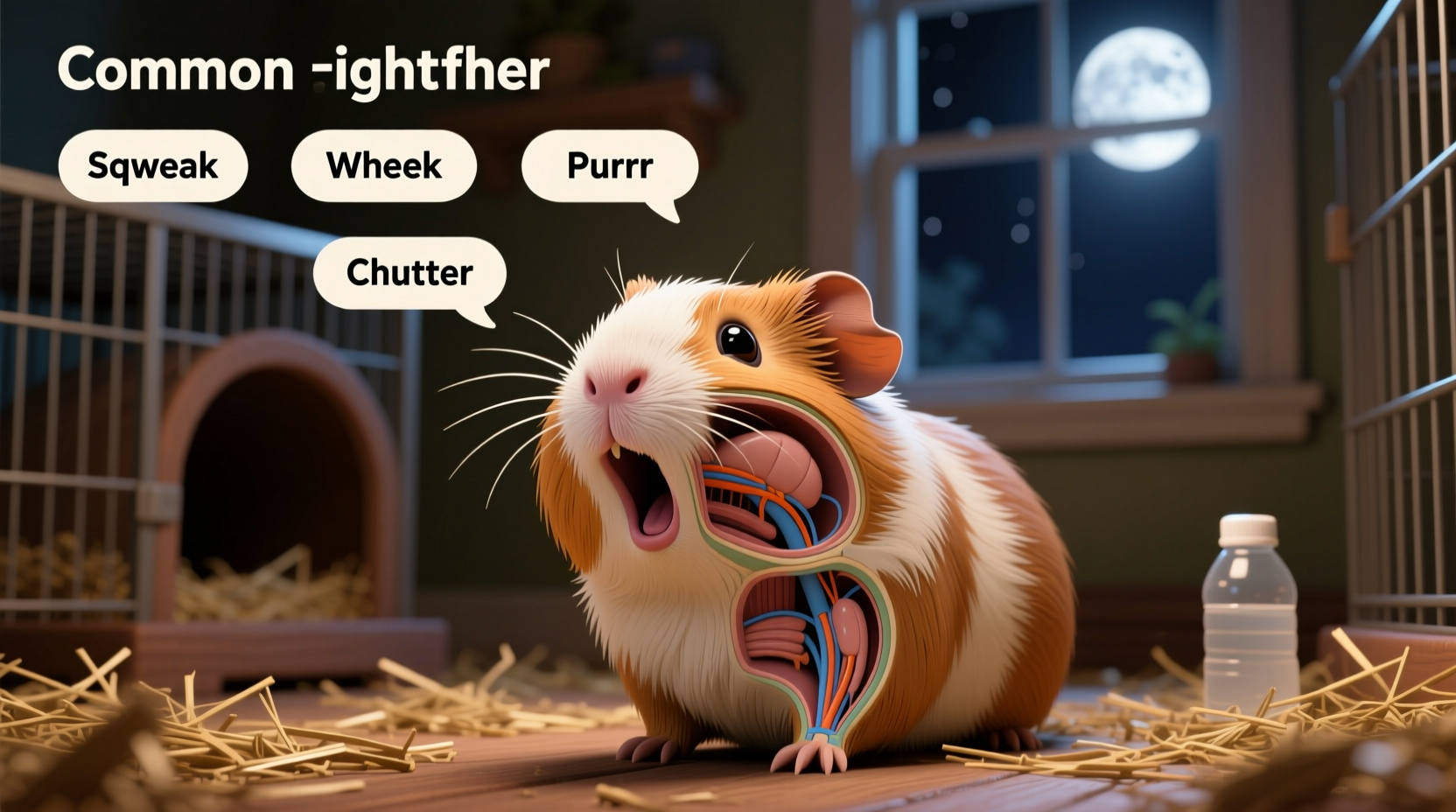
Guinea pigs are social animals native to the Andes mountains, where living in groups required constant communication for survival. In the wild, they used vocal cues to warn of predators, establish hierarchy, and maintain group cohesion. Even in domestic settings, this instinct remains strong. Their vocal repertoire includes chirps, purrs, whines, rumbles, and various forms of squeaks—each carrying distinct meanings depending on pitch, duration, and context.
Nighttime is not inherently quiet for guinea pigs. While often mistaken as nocturnal, they are actually crepuscular—most active during dawn and dusk. This means bursts of energy and vocalization around twilight hours, including late evening or early night, are completely normal. However, excessive or distressed squeaking during sleep hours may indicate discomfort, loneliness, or environmental stress.
“Guinea pigs don’t vocalize randomly. Each sound is a message—whether it’s excitement, fear, or a call for attention.” — Dr. Laura Thompson, Exotic Animal Behavior Specialist
Decoding Common Guinea Pig Squeaks
Not all squeaks mean the same thing. The key to interpreting your guinea pig’s nighttime noises lies in recognizing patterns and accompanying behaviors. Below is a breakdown of the most frequent types of squeaks and what they typically signify.
1. The Wheeking Squeak: Anticipation or Hunger
A loud, repetitive, high-pitched “wheek” is often heard when food is being prepared or when your guinea pig expects feeding. This sound travels easily through walls and cages, making it especially noticeable at night if feeding routines shift or if they hear kitchen activity.
If your guinea pig wheeks around bedtime, consider whether they associate that time with feeding or treats. Even the sound of footsteps or rustling plastic bags can trigger this response.
Tip: Avoid feeding right before bed to prevent reinforcing nighttime wheeking. Establish a consistent feeding schedule earlier in the evening.2. The High-Pitched Squeal: Fear or Pain
A sharp, piercing squeal—often described as a scream—is a distress signal. It may occur if the guinea pig feels threatened, is handled roughly, or experiences physical pain. At night, such sounds could stem from sudden disturbances like loud noises, shadows, or cage mates jostling during sleep.
Pay close attention if this type of squeak is isolated or repeated. A single squeal might result from a dream or twitch, but persistent screaming warrants immediate investigation.
3. The Soft Whine or Mumble: Discomfort or Loneliness
A low, continuous whining or muttering noise, sometimes barely audible, often indicates mild anxiety or loneliness. Guinea pigs are herd animals; isolation—even within sight of humans—can cause emotional stress. Night amplifies silence, making them more aware of their solitude.
This vocalization may be accompanied by pacing, lack of movement, or huddling in a corner. It's subtle but significant, especially in single-housed guinea pigs.
4. The Rumble: Social Tension or Mating Behavior
A deep, vibrating rumble—sometimes felt more than heard—signals dominance or courtship behavior. Male guinea pigs often rumble during territorial disputes or mating rituals. If you house multiple guinea pigs together, nighttime rumbling followed by chasing or teeth chattering may point to unresolved social dynamics.
Females may also rumble when in heat, which can disrupt sleep patterns due to increased activity.
Vocalization Comparison Table
| Vocalization | Sound Description | Common Cause | Action Required? |
|---|---|---|---|
| Wheeking | Loud, repeated high-pitched squeal | Hunger, anticipation, excitement | No, unless excessive or disruptive |
| Shrill Squeal/Scream | Sudden, piercing cry | Pain, fear, surprise | Yes – investigate immediately |
| Whining/Muttering | Low, soft, continuous noise | Loneliness, discomfort, boredom | Yes – assess housing and companionship |
| Rumbling | Deep, vibrating purr-like sound | Dominance, mating behavior | Monitor interactions; separate if aggressive |
| Chutting | Soft, rhythmic clicking | Contentment, exploration | No – positive sign |
Environmental Factors Influencing Nighttime Noise
Your guinea pig’s surroundings play a crucial role in their nighttime behavior. Even minor changes can lead to vocal responses. Consider these factors:
- Light Exposure: Artificial lights turning on at night (e.g., hallway motion sensors) can startle them.
- Noise Levels: Household appliances, barking dogs, or traffic noise may trigger alertness or fear.
- Cage Placement: A cage near a door, window, or high-traffic area increases stimulation during rest periods.
- Temperature: Cold drafts or overheating can cause discomfort, leading to restless vocalizing.
Additionally, guinea pigs have excellent hearing and are sensitive to ultrasonic frequencies. Devices like TVs, chargers, or HVAC systems may emit sounds imperceptible to humans but irritating to them.
Tip: Place the cage in a quiet, draft-free room with consistent lighting. Use a breathable cover over part of the cage at night to create a den-like atmosphere.Mini Case Study: Luna the Lonely Squeaker
Maria adopted Luna, a young female guinea pig, after her previous owner moved. Within days, Maria noticed Luna would squeak softly every night between 10 PM and midnight. Initially dismissing it as adjustment, she grew concerned when the behavior persisted for weeks.
After consulting a vet and ruling out medical issues, Maria observed that Luna was most vocal when the house fell silent. She realized Luna had previously lived with two other guinea pigs and was now alone. Despite spending time with her daily, the absence of companionship at night triggered anxiety.
Maria introduced a second guinea pig, Milo, after a careful quarantine and introduction process. Within three nights, Luna’s nighttime squeaking ceased. Both animals now sleep side by side, occasionally chutting softly—a sign of comfort and bonding.
This case highlights how critical social needs are to guinea pig well-being, especially during quiet hours when sensory input drops and loneliness becomes more pronounced.
Step-by-Step Guide: Responding to Nighttime Squeaking
If your guinea pig consistently squeaks at night, follow this logical sequence to identify and resolve the cause:
- Observe the Type of Sound: Is it a wheek, scream, whine, or rumble? Note pitch, frequency, and duration.
- Check the Environment: Look for recent changes—new furniture, loud appliances, temperature shifts, or light exposure.
- Assess Health Signs: Inspect for symptoms like lethargy, labored breathing, wet fur, or drooling. Pain-related squeals often come with hunched posture.
- Evaluate Social Needs: Is your guinea pig housed alone? Are cage mates compatible? Aggression or isolation can cause stress vocalizations.
- Adjust Routine: Feed earlier in the evening, reduce nighttime disturbances, and provide hiding spots or tunnels for security.
- Consult a Veterinarian: If squeaking persists without clear cause, seek an exotic pet vet to rule out dental disease, respiratory infection, or gastrointestinal pain.
Prevention Checklist: Minimizing Night Disturbances
- ✅ House guinea pigs in pairs or small compatible groups (same sex, spayed/neutered if needed)
- ✅ Maintain a consistent daily routine for feeding, cleaning, and interaction
- ✅ Provide ample hay, fresh water, and vitamin C-rich vegetables to prevent hunger-related wheeking
- ✅ Use partial cage covers at night to reduce visual stimuli and create a secure microclimate
- ✅ Keep the cage away from loud appliances, windows, or foot traffic zones
- ✅ Offer chew toys and hideouts to encourage natural behaviors and reduce boredom
- ✅ Monitor interactions between cage mates for signs of bullying or tension
Frequently Asked Questions
Is it normal for guinea pigs to make noise at night?
Yes, moderate vocalizations are normal due to their crepuscular nature. However, loud, distressed, or frequent squeaking is not typical and should be investigated. Occasional wheeking or soft chutting is usually harmless, but sustained screaming or whining may indicate an issue.
Can guinea pigs dream and squeak in their sleep?
While there’s no definitive proof of dreaming in guinea pigs, they do experience REM sleep cycles. Twitching, soft noises, or brief squeaks during deep sleep may occur, similar to muscle movements in other mammals. These are generally brief and not a cause for concern unless accompanied by visible distress.
Should I pick up my guinea pig when they squeak at night?
Only if you suspect pain or danger. Sudden handling can increase stress. Instead, quietly observe from a distance. If the squeaking stops quickly, it may have been momentary. If it continues or escalates, gently check for injuries or environmental triggers. Always approach calmly and avoid startling them.
Conclusion: Listening With Empathy
Your guinea pig’s nighttime squeak isn’t just noise—it’s a window into their emotional and physical state. By learning to distinguish between hunger wheeks, fear screams, and loneliness whines, you become a more attuned caregiver. These small creatures depend on us not just for food and shelter, but for companionship and peace of mind. Addressing the root causes of nighttime vocalizations fosters a calmer environment, strengthens trust, and enhances your bond.
💬 Have a story about your guinea pig’s nighttime sounds? Share your experience or questions in the comments—your insight could help another pet owner understand their squeaky companion better.








