
Training a puppy begins with building trust, consistency, and clear communication. One of the most essential tools in this process is the right leash. Not all leashes are created equal, and choosing one that supports your training goals can make the difference between frustration and success. A well-chosen leash should offer control without causing discomfort, be durable enough to withstand chewing and tugging, and support positive reinforcement techniques. With so many options on the market, it’s easy to feel overwhelmed. This guide breaks down what to look for, compares top-rated models, and provides practical advice from professional dog trainers.
Why Leash Choice Matters in Puppy Training
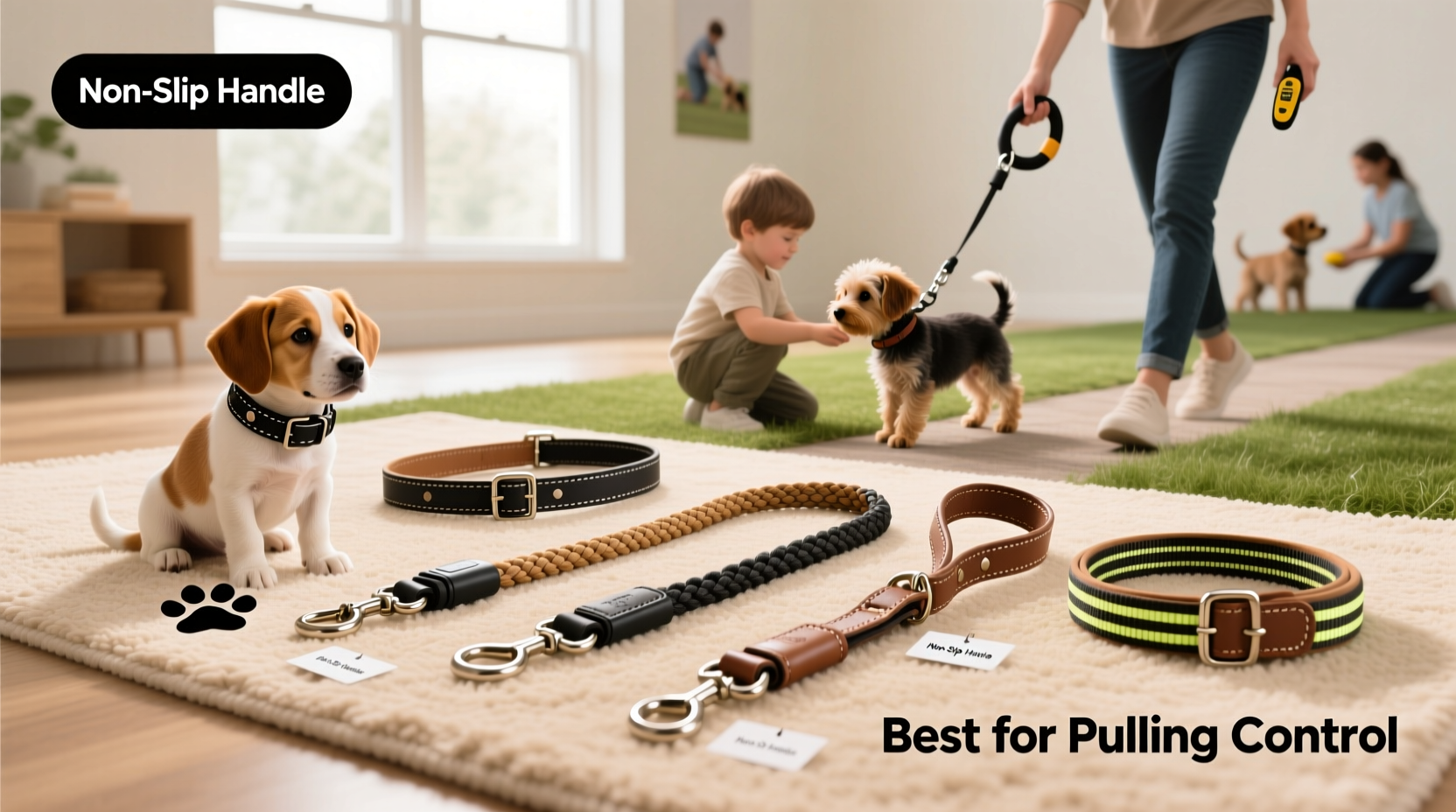
The leash is more than just a tether—it's an extension of your communication with your puppy. During early training, puppies are learning how to walk beside you, respond to cues, and stay calm in distracting environments. A poorly designed leash can hinder progress by slipping, breaking, or causing pain through jerking or choking motions. On the other hand, a high-quality leash promotes confidence, safety, and comfort for both handler and pup.
For example, a flimsy nylon leash may fray after a few weeks of enthusiastic pulling, while a heavy chain leash could strain a small puppy’s neck. The ideal leash balances strength, flexibility, and ease of handling. It should also accommodate growth, as many puppies double their weight within the first six months.
Tip: Always supervise your puppy when using a leash—even indoors—to prevent tangling or chewing.Key Features of the Best Training Leashes
When evaluating leashes for puppy training, focus on these five critical features:
- Material: Nylon and biothane are top choices. Nylon is lightweight and affordable; biothane is water-resistant, easy to clean, and resists chewing.
- Length: A 4–6 foot leash offers optimal control during walks and training sessions. Avoid retractable leashes for early training—they encourage pulling and reduce precision.
- Width: For small breeds, choose ½ inch to ¾ inch wide. Larger breeds benefit from 1-inch widths for better grip and durability.
- Hardware: Look for rust-resistant metal clips (like nickel-plated or brass) and reinforced stitching at stress points.
- Handle Design: Padded handles or looped designs help absorb sudden pulls and protect your hands during energetic moments.
“Puppies learn fastest when they’re comfortable. A soft, well-fitted leash reduces anxiety and helps them focus on commands.” — Dr. Lisa Chen, Certified Canine Behaviorist
Top 5 Recommended Leashes for Puppy Training
| Leash Model | Material | Length & Width | Best For | Notable Feature |
|---|---|---|---|---|
| KONG Co-Pilot Reflective Leash | Nylon with reflective threading | 6 ft × 3/4 in | All-around training and walks | High visibility at night |
| Blue-9 BioThane Leash | Biothane (coated webbing) | 4 ft × 1/2 in or 3/4 in | Puppies who chew or play in wet conditions | Odor-resistant, waterproof |
| Chesapeake Adjustable Leash | Dual-layer nylon | Adjustable 3–5 ft × 5/8 in | Urban environments and crowded areas | Shortens for close control |
| Ruffwear Knot-a-Leash | Recycled polyester webbing | 6 ft × 3/4 in | Active households and outdoor training | Eco-friendly, strong knot handle |
| YounGlider No-Pull Training Leash | Flat nylon with padded grip | 4 ft × 1 in | Puppies prone to pulling | Ergonomic handle reduces wrist strain |
Each of these leashes has been tested in real-world training scenarios and consistently receives praise from pet owners and professionals alike. The KONG Co-Pilot stands out for its visibility and affordability, while Blue-9’s biothane option is ideal for teething puppies who tend to mouth their gear.
Step-by-Step Guide to Introducing a Leash to Your Puppy
Familiarizing your puppy with a leash should be a gradual, positive experience. Follow this timeline to ensure a smooth transition:
- Day 1–2: Let the puppy sniff and explore the leash in a quiet room. Offer treats when they approach it.
- Day 3–4: Drape the leash over their back or attach it loosely while playing indoors. Do not hold it yet.
- Day 5–6: Pick up the leash and gently follow the puppy around the house. Reward calm behavior.
- Day 7–10: Begin short indoor “walks” guiding them with treats. Practice turns and stops.
- Week 3 onward: Move to a secure outdoor space like a fenced yard. Keep sessions under 10 minutes initially.
Mini Case Study: From Fearful to Confident Walker
Milo, a 10-week-old Cavalier King Charles Spaniel, was terrified of leashes. His owner reported that he would cower whenever the leash came out. Using the step-by-step method above, she started by placing the Blue-9 BioThane leash near his bed with treats on top. After three days, Milo began nudging it for rewards. By day six, he allowed it to be clipped on while eating dinner. Within two weeks, he was walking calmly around the living room, following her with tail wags. The non-slip texture and light weight of the biothane leash made it less intimidating than bulkier alternatives. Today, Milo walks confidently through neighborhood parks—proof that patience and the right tool lead to lasting results.
Common Mistakes to Avoid When Choosing a Training Leash
- Using retractable leashes too early: These teach inconsistent boundaries and make it harder to correct pulling.
- Choosing based solely on looks: A floral print might be cute, but durability and function matter more during training.
- Ignoring hardware quality: Weak clasps can snap during sudden lunges, risking escape.
- Buying too long a leash: Over 6 feet increases distraction and reduces control during foundational training.
- Skipping the fit check: Ensure the leash doesn’t drag on the ground or pull tightly on the collar.
FAQ
Can I use the same leash for training and everyday walks?
Yes, many high-quality training leashes—like the KONG Co-Pilot or Ruffwear models—are durable enough for daily use. Just ensure it meets both safety and comfort standards for long-term wear.
Should I use a harness with my training leash?
Absolutely. For puppies, especially small or flat-faced breeds, pairing a front-clip harness with a standard leash reduces strain on the neck and discourages pulling. It’s a safer, more effective combination for early training.
How often should I replace my puppy’s leash?
Inspect the leash weekly for fraying, loose stitching, or worn hardware. Most nylon leashes last 6–12 months with regular use. Biothane versions can last 2+ years with proper care.
Checklist: Choosing Your Puppy’s First Training Leash
- ✅ Measure your puppy’s size and expected adult weight
- ✅ Choose material: nylon for budget, biothane for durability
- ✅ Select length: 4–6 feet for control and flexibility
- ✅ Confirm hardware is sturdy and rust-resistant
- ✅ Test handle comfort—can you hold it securely during a tug?
- ✅ Pair with a well-fitted harness for added safety
- ✅ Introduce gradually using positive reinforcement
Conclusion
Selecting a reliable leash for training a puppy isn’t about finding the cheapest or trendiest option—it’s about investing in a tool that supports healthy development, safety, and mutual trust. Whether you opt for the rugged performance of biothane or the proven reliability of reinforced nylon, the best leash empowers both you and your puppy to succeed. Combine it with consistent training, patience, and positive reinforcement, and you’ll lay the foundation for a lifetime of enjoyable walks and strong companionship.
💬 Have a favorite puppy training leash or tip? Share your experience in the comments and help fellow pet parents make confident choices!








