
Mealtime should be a peaceful routine for both dogs and their owners. Yet, for many pet parents, it quickly turns into a noisy, messy ordeal as their dog pushes or nudges the food or water bowl across the floor. A sliding bowl doesn’t just create a mess—it can discourage proper eating, cause anxiety in some dogs, and even lead to neck strain if they’re constantly chasing it. Fortunately, several practical and affordable solutions exist to stabilize your dog’s bowl and restore calm to feeding time.
Why Do Dog Bowls Slide During Meals?
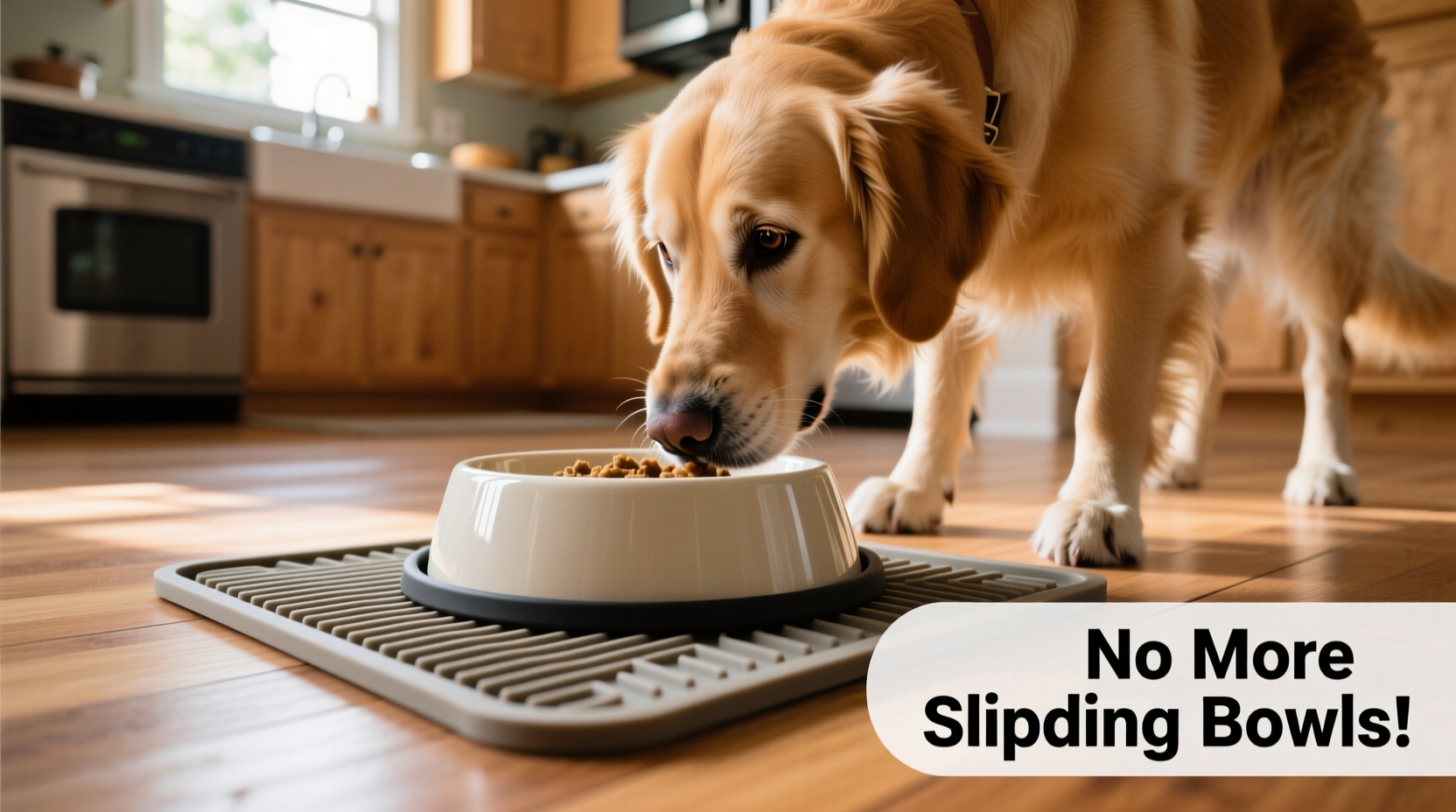
Dogs naturally use their noses and paws to manipulate objects, especially when focused on food. When a dog eats with enthusiasm, the repeated forward motion of their head can push lightweight bowls—especially plastic or stainless steel ones—across smooth surfaces like tile, hardwood, or laminate. The lack of grip between the bowl and floor is the primary culprit. In multi-dog households, competition can intensify this behavior, leading to more aggressive pushing.
Additionally, elevated feeders without non-slip bases are prone to shifting, particularly when used by larger or more energetic breeds. Understanding the root cause helps in selecting the right solution tailored to your dog’s size, eating habits, and home environment.
Tip: Observe your dog’s eating posture—if they lunge forward aggressively, a weighted or anchored bowl may be necessary.Proven Methods to Prevent Bowl Slippage
From simple household hacks to purpose-built products, numerous strategies can effectively anchor your dog’s bowl. The best approach often combines stability, safety, and ease of cleaning.
1. Use a Non-Slip Pet Mat or Tray
One of the most accessible solutions is placing the bowl on a rubber-backed doormat, bath mat, or specially designed non-slip pet feeding mat. These mats grip the floor and prevent the bowl from moving, even under vigorous use.
Look for mats made from food-safe, non-toxic rubber or silicone that are easy to wipe clean. Some feeding trays come with built-in ridges or compartments to hold both food and water bowls securely.
2. Invest in a Weighted or Anti-Skid Bowl
Weighted dog bowls are typically made with a heavy base—often filled with concrete, metal, or thick ceramic—that resists movement. Stainless steel bowls with rubberized bottoms are also effective, as the rubber creates friction against the floor.
For large or strong dogs, consider double-walled stainless steel bowls with a permanently bonded rubber ring. These combine durability with excellent grip.
3. Create a DIY Bowl Anchor Using Household Items
If you're on a budget, try placing the bowl inside a slightly larger shallow container, such as a baking tray, plant saucer, or casserole dish. The outer rim acts as a barrier, preventing lateral movement. For extra security, line the bottom of the tray with a cut-to-size piece of shelf liner or adhesive rubber pad.
Another clever hack: embed the bowl in a thick slab of recycled rubber flooring or an old tire tread cutout. Drill a hole slightly smaller than the bowl’s base and press it in snugly—the friction holds it firmly in place.
4. Mount the Bowl to a Stable Surface
For permanent setups, especially in garages or outdoor kennels, mounting the bowl to a wall or post eliminates sliding entirely. Heavy-duty stainless steel bowls with bracket mounts are available and ideal for large breeds or high-traffic areas.
Ensure the height is appropriate for your dog’s size—typically aligned with their chest—to promote healthy spine alignment during meals.
5. Utilize a Feeding Station with Integrated Stability
Dedicated dog feeding stations often feature wooden or plastic frames with cutouts that cradle bowls in place. Many include legs with rubber feet or are designed to sit on non-slip pads. These not only prevent sliding but also elevate the bowl to a comfortable height, reducing strain on joints and digestion issues in larger dogs.
“Stabilizing a dog’s feeding setup isn’t just about convenience—it supports better posture and calmer eating behaviors.” — Dr. Lena Torres, Veterinary Behaviorist
Comparison of Common Anti-Slide Solutions
| Solution | Best For | Pros | Cons |
|---|---|---|---|
| Non-slip mat | Small to medium dogs, indoor use | Affordable, easy to clean, portable | May wear over time; less effective on very slick floors |
| Weighted bowl | All sizes, especially enthusiastic eaters | Durable, no extra parts, dishwasher safe | Heavier to move; limited design options |
| Rubber-bottomed bowl | Medium dogs, smooth floors | Inexpensive, widely available | Rubber may degrade; not suitable for aggressive chewers |
| Feeding station | Larger dogs, homes with space | Elevates bowl, organized look, stable | Bulkier, higher cost |
| Mounted bowl | Outdoor use, large breeds, kennels | Permanent fix, highly secure | Requires installation, not portable |
Step-by-Step Guide: How to Secure Your Dog’s Bowl in 5 Minutes
- Assess the surface: Determine if your floor is tile, wood, carpet, or concrete. Smooth floors require more grip than textured ones.
- Choose the right bowl: Opt for a stainless steel or ceramic bowl with a wide base. Avoid flimsy plastic.
- Select a stabilizing method: Pick one from the table above based on your dog’s size and your living space.
- Test the setup: Place food in the bowl and let your dog eat while you observe. Adjust if slipping occurs.
- Maintain regularly: Clean the bowl and mat weekly to prevent bacteria buildup and ensure continued grip.
Real-Life Example: Solving Sliding Bowls in a Multi-Dog Home
The Carter family adopted two energetic Labrador mixes who loved mealtime—but their dining area became a battlefield of skidding bowls and spilled kibble. On hardwood floors, the stainless steel bowls would shoot across the room within seconds. After trying several failed solutions, they invested in a wooden feeding station with embedded rubber-lined compartments.
The change was immediate. Both dogs could eat calmly without jostling each other’s bowls. The elevated design also reduced neck strain, and cleanup became easier thanks to the contained tray. Within a week, the household reported fewer digestive complaints and a more relaxed feeding routine.
Checklist: Ensuring a Stable Feeding Setup
- ✅ Choose a bowl with a wide, flat base
- ✅ Use a non-slip mat or rubberized surface
- ✅ Avoid overly smooth flooring near feeding zones
- ✅ Clean the bowl and mat regularly to maintain grip
- ✅ Monitor your dog’s eating behavior for signs of discomfort
- ✅ Replace worn mats or degraded rubber rings promptly
- ✅ Consider elevation for large or senior dogs
Frequently Asked Questions
Can I use tape to secure my dog’s bowl?
While double-sided tape might offer temporary grip, it’s not recommended. Residue can damage floors, and ingesting tape fragments poses a health risk if your dog chews near the bowl. Stick to safer, reusable solutions like rubber mats or weighted bases.
Are elevated feeders more likely to slide?
Some elevated feeders, especially those with narrow legs, can be unstable. However, models with wide bases and rubber feet provide excellent stability. Always check product reviews for comments on tipping or sliding before purchasing.
Is a sliding bowl harmful to my dog?
Yes, over time, a constantly moving bowl can cause your dog to develop poor eating posture, leading to neck or back strain. It may also increase anxiety, especially in competitive eaters. Addressing slippage supports both physical and behavioral well-being.
Final Thoughts and Action Steps
A sliding dog bowl is more than a nuisance—it disrupts mealtime peace and can impact your pet’s health. The good news is that effective solutions are simple, affordable, and easy to implement. Whether you choose a rubber mat, a weighted bowl, or a full feeding station, the key is consistency and observation. Pay attention to how your dog interacts with their bowl and adjust as needed.
Start today by evaluating your current feeding setup. Implement one stabilization method and monitor its effectiveness. Small changes can lead to significant improvements in your dog’s comfort and your daily routine.
💬 Have a clever trick that keeps your dog’s bowl in place? Share your experience in the comments and help fellow pet owners enjoy quieter, cleaner mealtimes!








