
Teaching your dog to sit is one of the most fundamental and valuable skills in canine training. A reliable “sit” command not only improves obedience but also enhances safety, supports socialization, and lays the foundation for more advanced behaviors. However, many pet owners struggle when their dog sits only sometimes, jumps up instead, or breaks the sit too quickly. The key isn’t repetition alone—it’s using the right combination of timing, reinforcement, and environmental control to build a calm, consistent response.
Dogs don’t naturally understand human language. Instead, they learn through consequences and associations. When you approach training with clarity and patience, you shape behavior that lasts beyond the living room and into real-world situations like meeting strangers, waiting at crosswalks, or staying composed during distractions.
The Science Behind Effective Sit Training
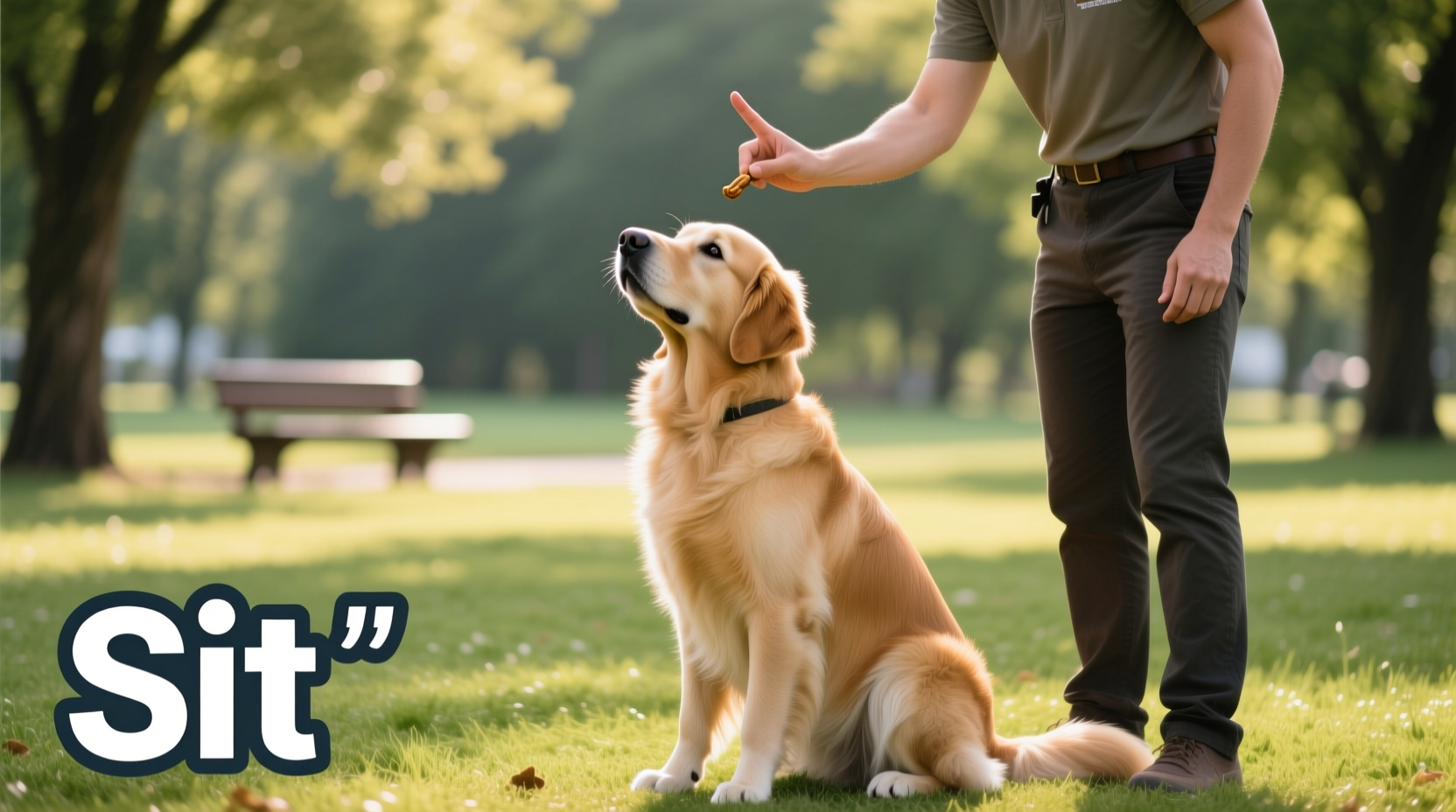
Dog training rooted in positive reinforcement has been shown to be more effective and humane than punitive methods. According to the American Veterinary Society of Animal Behavior (AVSAB), reward-based training strengthens the bond between dog and owner while minimizing fear and aggression.
The “sit” behavior is typically taught through a process called shaping—capturing small steps toward the desired action. Most dogs naturally sit from time to time. By marking that moment with a clicker or verbal cue like “yes,” then immediately rewarding, you begin to create an association: sitting = good things happen.
Over time, this evolves into intentional behavior. The critical elements are timing (marking the exact moment), consistency (same cue, same rules), and gradual progression (adding distractions only after mastery in quiet environments).
“Dogs respond best when they understand what earns them rewards. Clarity and consistency turn accidental behavior into reliable obedience.” — Dr. Sophia Yin, Veterinarian and Animal Behaviorist
Step-by-Step Guide to Teaching a Reliable Sit
Follow this structured timeline to build a solid foundation. Each phase should be mastered before moving to the next. Rushing leads to regression.
- Phase 1: Capture the Behavior (Days 1–3)
Wait for your dog to sit naturally. The instant their hips touch the ground, say “yes” or click, then give a treat. Repeat 10–15 times per session, 2–3 sessions daily. This teaches the dog that sitting gets rewarded. - Phase 2: Add the Verbal Cue (Days 4–6)
Once your dog sits frequently during sessions, introduce the word “sit” just before they lower themselves. At first, you may anticipate the behavior. Over time, use the cue only once per attempt. If they don’t sit, reset with a treat lure (hold treat near nose, slowly lift it above head so they follow with eyes and naturally sit). - Phase 3: Reinforce and Fade the Lure (Days 7–10)
Use the hand motion without food inside. Pretend to hold a treat, guide upward, and mark the sit. Reward from your other hand. This prevents dependence on visible food. - Phase 4: Increase Duration (Days 11–14)
After the sit, wait one second before treating. Gradually increase to 5, then 10 seconds. If they get up, calmly reset—don’t scold. Say “free” or “okay” to release, then try again. - Phase 5: Add Distance and Distractions (Weeks 3–4)
Take training outdoors or to busier areas. Start with low distractions. Ask for a sit, take one step back, return, reward. Slowly increase distance and complexity (e.g., sitting near other dogs or children).
Common Mistakes That Undermine Progress
Even well-intentioned owners can accidentally sabotage training. Recognizing these pitfalls helps maintain momentum.
| Mistake | Why It’s Problematic | Better Approach |
|---|---|---|
| Repeating the cue multiple times | Dog learns to ignore the first few commands | Say “sit” once, then wait or gently guide; never nag |
| Only training at home | Behavior doesn’t generalize to new settings | Practice in parks, sidewalks, pet stores |
| Punishing failed sits | Creates anxiety and erodes trust | Reset calmly and reinforce success later |
| Using high-value treats inconsistently | Dog learns effort isn’t always worth it | Match reward value to difficulty (e.g., chicken for distractions) |
Building Calmness Into the Sit
A dog can technically “sit” but still be overexcited, tense, or ready to burst. True reliability includes emotional regulation. To foster calmness:
- Wait for all four paws to be settled and breathing to slow before rewarding.
- Use a soft voice and relaxed body posture—your energy influences theirs.
- Incorporate brief moments of eye contact or a gentle chin rest as part of the behavior chain.
- Practice “sit” during routine transitions: before meals, leashing, or greeting guests.
Calmness isn’t forced—it’s cultivated. If your dog is bouncing or whining, reduce stimulation. Move to a quieter area and rebuild confidence there.
Tip: Pair the sit with a deep exhalation from you—dogs often mirror their owner’s breathing rhythm, which can help settle them.Real-Life Example: Training Luna, the Excitable Beagle
Luna, a two-year-old beagle, would jump on visitors despite knowing how to sit. Her owner used treats inconsistently and often repeated “sit!” three or four times. During training, we shifted to a clear protocol: one cue, no repeats, and a reset if she didn’t comply. We started at the back yard gate, far from the front door excitement.
For two weeks, we practiced sitting calmly while someone approached slowly. Only when Luna remained seated and relaxed did the visitor proceed. High-value treats (tiny pieces of hot dog) were used exclusively for this exercise. Within 18 days, Luna began sitting automatically when she saw the leash or heard the doorbell. The change wasn’t just behavioral—it was emotional. She became less frantic overall because she had a predictable way to earn rewards and attention.
Checklist: Essential Steps for Reliable Sit Training
Use this checklist to stay on track and ensure long-term success:
- ✅ Train in short sessions (5–10 minutes) multiple times a day
- ✅ Use a consistent verbal cue (“sit”) and hand signal (palm up, rising motion)
- ✅ Mark the exact moment of sitting with a click or “yes”
- ✅ Reward immediately—within half a second of the behavior
- ✅ Phase out food lures within 10–14 days
- ✅ Practice in at least five different locations
- ✅ Gradually increase duration to 30 seconds
- ✅ Add mild distractions before progressing (e.g., dropping keys, opening a door)
- ✅ Release with a clear word like “okay” or “free”
- ✅ End each session with a success, even if it means simplifying the ask
Frequently Asked Questions
What if my dog doesn’t sit naturally during capture?
If your dog rarely sits on their own, use a lure. Hold a treat close to their nose, then slowly move it upward and slightly back over their head. Their natural instinct to follow the treat will cause them to sit. The moment they do, mark and reward. Avoid pulling too fast or too high, which can make them jump or back up.
How long does it take to train a reliable sit?
Most dogs learn the basic sit within 1–2 weeks of consistent training. However, achieving reliability in distracting environments can take 4–8 weeks. Puppies or dogs with reactivity issues may need longer. Focus on progress, not speed.
Should I use a clicker or just verbal praise?
A clicker offers precise timing, which helps dogs connect the behavior to the reward. However, a consistent verbal marker like “yes” works equally well if used accurately. Choose the method you can deliver with split-second precision.
Making the Sit a Life Skill
A well-trained sit becomes more than a trick—it becomes a tool for everyday life. Whether pausing at a curb, allowing another dog space, or settling during a vet exam, the ability to sit calmly gives your dog confidence and keeps them safe.
The most reliable behaviors are those practiced across contexts, maintained with occasional reinforcement, and respected as part of the dog’s daily routine. Don’t retire the sit command after mastery. Instead, integrate it into walks, play, and interactions so it remains strong and meaningful.
“The goal isn’t just obedience—it’s communication. When your dog chooses to sit amidst chaos, that’s trust in action.” — Karen Pryor, Animal Trainer and Author
Take Action Today
Start where you are. Grab some small treats, set a timer for five minutes, and begin capturing sits in your living room. Track your progress daily. In less than a month, you’ll have a dog who sits not because they have to, but because they know it’s the smart, rewarding choice.
💬 Have a training breakthrough or challenge with your dog’s sit? Share your experience below—your story could inspire another pet parent to keep going.








