
A well-chosen saddle bag can be the cornerstone of a functional, stylish travel wardrobe. Originally inspired by equestrian design, the saddle bag’s curved silhouette and slouchy profile have evolved into one of the most adaptable accessories for modern travelers. Whether navigating cobblestone streets in Europe or commuting through a bustling city, the right saddle bag balances form, function, and durability. But with so many variations in material, size, closure types, and strap options, selecting the ideal model requires careful consideration.
The key lies not in chasing trends, but in identifying what makes a saddle bag truly versatile: adaptability across environments, comfort during extended wear, and compatibility with your lifestyle. This guide breaks down the essential criteria for choosing a saddle bag that transitions seamlessly from urban errands to cross-country adventures.
Understand Your Travel Needs First
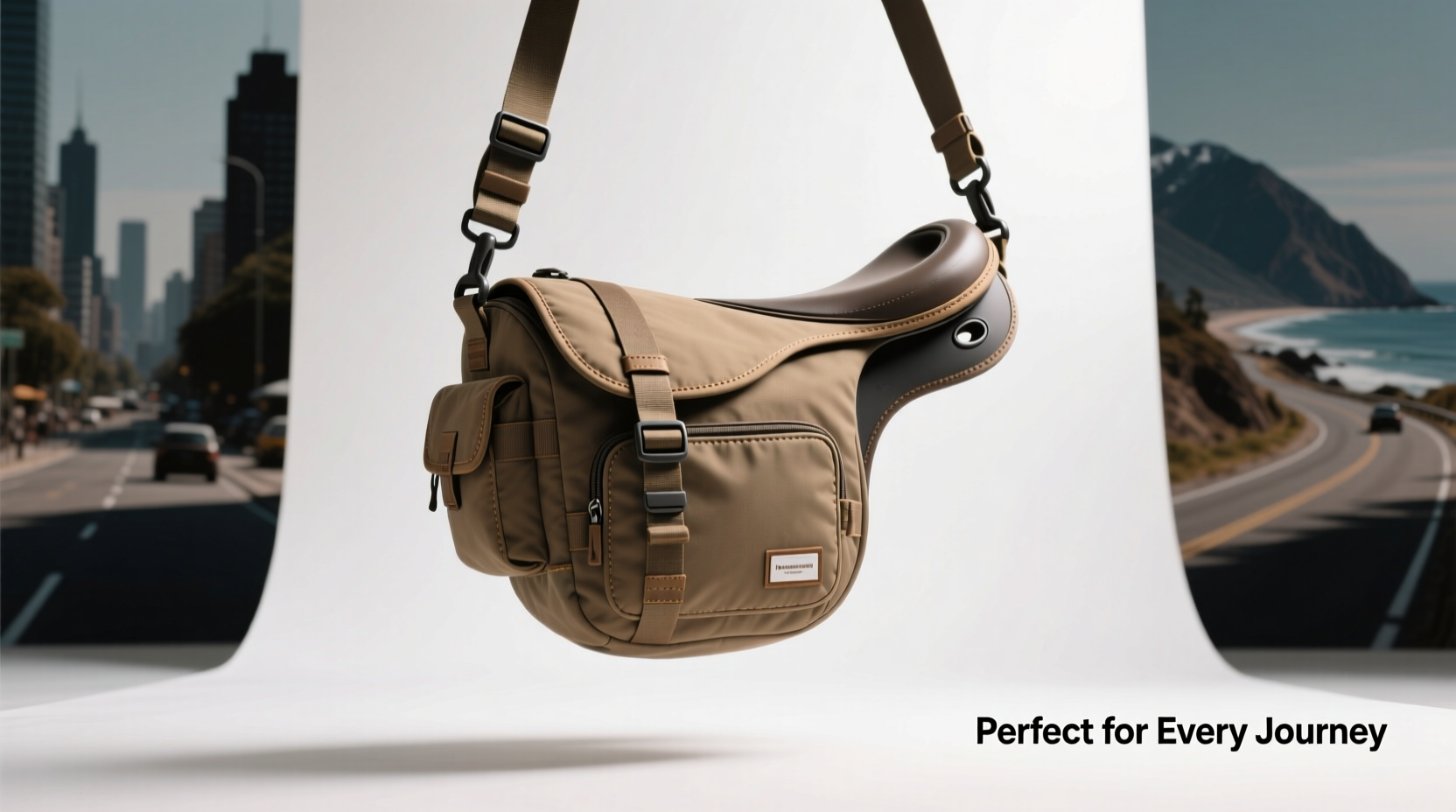
Before evaluating materials or brands, assess how and where you’ll use the bag. A saddle bag that excels on a weekend hiking trip may fall short in a professional office setting. Consider these questions:
- Will you carry it daily or only for occasional trips?
- Do you need space for a tablet, water bottle, or travel documents?
- Are you frequently switching between walking, biking, and public transit?
- What weather conditions will you encounter?
Urban commuters benefit from compact designs with RFID-blocking pockets and anti-theft zippers. Backpackers and long-term travelers prioritize weather-resistant fabrics and ergonomic straps. Business travelers often lean toward structured leather styles that project professionalism without sacrificing storage.
Tip: Measure your most-used items (phone, wallet, passport, power bank) and ensure the bag has dedicated compartments to hold them securely.Material Matters: Durability vs. Style
The material defines both the aesthetic and longevity of your saddle bag. Each option comes with trade-offs in weight, maintenance, and resilience.
| Material | Pros | Cons | Best For |
|---|---|---|---|
| Genuine Leather | Durable, ages beautifully, timeless look | Heavy when wet, requires conditioning, higher cost | Business travel, city use |
| Faux Leather | Water-resistant, cruelty-free, affordable | Less breathable, prone to peeling over time | Short trips, casual wear |
| Cordura/Nylon | Lightweight, abrasion-resistant, dries quickly | Less formal, can look technical | Hiking, biking, outdoor travel |
| Canvas | Breathable, eco-friendly, soft texture | Stains easily, not waterproof | Beach trips, summer getaways |
For maximum versatility, consider a hybrid construction—such as leather accents on a nylon body—to blend durability with elegance.
“Travel is unpredictable. The best bags are those that can handle rain, rough handling, and frequent packing without losing their shape.” — Diego Mendez, Gear Designer at TrailForm Luggage
Design Features That Enhance Functionality
Not all saddle bags are created equal. Subtle design choices make a significant difference in real-world usability.
Strap Adjustability and Comfort
A crossbody strap should be fully adjustable and padded if worn for hours. Look for models with detachable shoulder pads or convertible straps that allow use as a clutch or top-handle bag. Test the drop length: 20–24 inches allows easy access while keeping the bag secure.
Closure Type: Flap vs. Zipper vs. Magnetic
- Flap-only: Stylish but less secure; best for low-risk environments.
- Magnetic snap: Convenient for quick access but can open accidentally.
- Zippered closure: Most secure, ideal for crowded areas or air travel.
Internal Organization
A single open cavity limits practicality. Seek out multiple compartments: a padded sleeve for devices up to 10 inches, a zip pocket for valuables, and slip pockets for tickets or pens. Some high-end models include hidden anti-theft pockets against the back panel.
Weight Distribution
Overloading a saddle bag strains the shoulder. Choose a model with a wide, slightly contoured strap and balanced weight distribution. If carrying more than 5 lbs regularly, opt for a version with an optional waist clip or secondary stabilizing strap.
Tip: Try the bag in-store with added weight (e.g., books or water bottles) to simulate real travel load.Real-World Example: From Tokyo to Tuscany
Sophie, a freelance photographer based in Barcelona, needed one bag for her varied assignments. She traveled monthly—from subway-heavy cities like Tokyo to rural villages in Italy. Her previous saddle bag, though stylish, lacked padding for her camera battery and had a flimsy magnetic closure that opened during rush hour.
She switched to a waxed canvas saddle bag with a zip-top closure, internal padded divider, and removable crossbody strap. The natural water resistance handled sudden downpours in Kyoto, while the neutral tan color matched both her workwear and evening outfits in Florence. After 18 months of constant use, the bag showed character—not wear—with softened edges and a subtle patina.
Her experience underscores a vital point: versatility isn’t about doing everything perfectly, but doing enough things well enough to eliminate the need for multiple bags.
Step-by-Step Guide to Choosing Your Ideal Saddle Bag
- Define your primary use case: Daily commute, weekend trips, international travel, or mixed.
- List essential items: Phone, wallet, keys, sunglasses, notebook, power bank, etc.
- Select a base material: Prioritize durability if traveling frequently; lean toward aesthetics for occasional use.
- Evaluate closure and security: Zipper recommended for high-mobility areas.
- Test strap comfort: Ensure adjustability and padding for long wear.
- Check interior layout: Must include secure pockets and device protection.
- Assess size: Width should not exceed 10 inches for balance; depth under 4 inches avoids bulk.
- Verify brand reputation: Read reviews focusing on long-term durability and customer service.
Frequently Asked Questions
Can a saddle bag be used as a personal item on flights?
Yes, most standard saddle bags meet airline personal item dimensions (typically under 18 x 14 x 8 inches). However, always check your carrier’s specific requirements. Slim, flat-profile models fit easily under seats.
Are leather saddle bags suitable for rainy climates?
Only if properly treated. Untreated leather absorbs water and can stiffen or crack. Use a waterproofing spray designed for leather and allow it to dry naturally if wet. Alternatively, choose full-grain leather with a waxy finish, which offers natural water resistance.
How do I clean and maintain my saddle bag?
Cleaning depends on the material. For leather, use a damp cloth and leather conditioner every 2–3 months. Nylon and canvas can be wiped with mild soap and water. Always store in a cool, dry place with stuffing to maintain shape.
Final Checklist Before You Buy
- ✅ Fits all essential daily items without bulging
- ✅ Made from durable, weather-appropriate material
- ✅ Secure closure (zipper preferred for travel)
- ✅ Adjustable, comfortable strap with adequate drop length
- ✅ Multiple internal compartments for organization
- ✅ Neutral or complementary color for outfit versatility
- ✅ Lightweight when empty (under 2 lbs ideal)
- ✅ Positive long-term user reviews on durability
Make It Yours—and Make It Last
The perfect saddle bag isn’t just about aesthetics or brand prestige. It’s a reliable companion that adapts to your rhythm, supports your journey, and withstands the wear of real life. By prioritizing thoughtful design, appropriate materials, and personal needs over fleeting trends, you invest in a piece that serves you across seasons and destinations.
Whether you're boarding a train in Lisbon or grabbing coffee before a meeting in Chicago, let your saddle bag reflect intentionality. Choose wisely, care consistently, and travel confidently.
🚀 Ready to find your ideal saddle bag? Revisit this guide when shopping, use the checklist, and share your go-to travel bag in the comments below.








