
Pimples on the legs are more common than many realize, affecting people of all ages and skin types. While often dismissed as minor, persistent or recurring leg breakouts can cause discomfort, embarrassment, and even lead to scarring if not managed properly. Unlike facial acne, leg pimples may stem from a combination of follicular irritation, bacterial buildup, friction, and improper skincare habits. Understanding the root causes and adopting targeted treatment and prevention strategies is essential for achieving smooth, irritation-free skin.
Understanding What Causes Pimples on the Legs
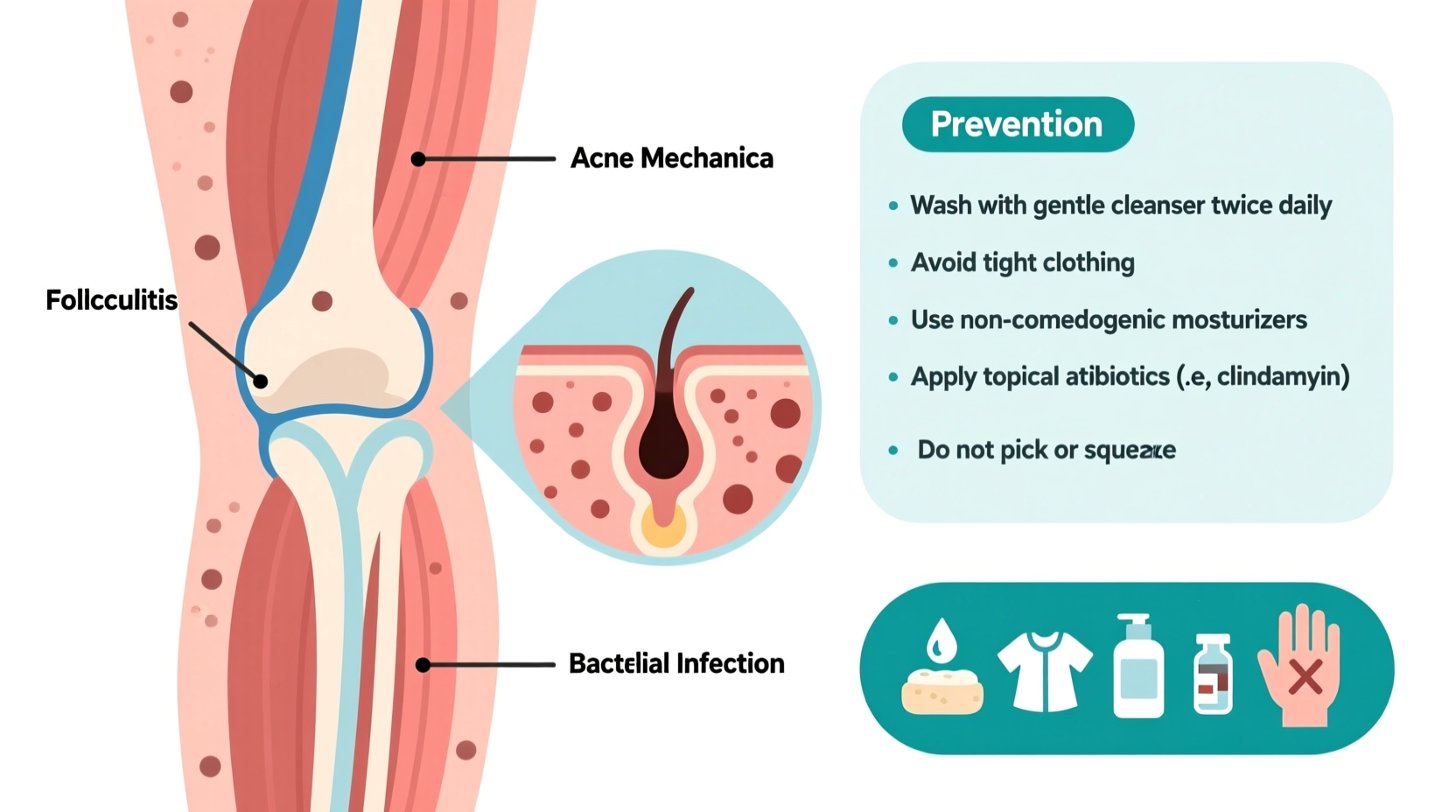
Leg pimples—also known as folliculitis or keratosis pilaris in some cases—are typically small, red, inflamed bumps that appear around hair follicles. They can be itchy, painful, or simply unsightly. The causes vary widely depending on individual habits, hygiene, and skin type.
- Folliculitis: Inflammation or infection of hair follicles, often caused by bacteria (like Staphylococcus aureus), fungi, or ingrown hairs.
- Shaving Irritation: Improper shaving techniques can lead to nicks, ingrown hairs, and bacterial entry, triggering pimple-like bumps.
- Clogged Pores: Buildup of dead skin cells, sweat, and oils can block follicles, especially after wearing tight clothing or sweating heavily.
- Keratosis Pilaris: A harmless but common condition where keratin plugs form in hair follicles, creating rough, bumpy patches often mistaken for acne.
- Sweat and Friction: Activities like running or wearing non-breathable fabrics trap moisture and create friction, irritating follicles.
- Harsh Skincare Products: Using comedogenic lotions or soaps can clog pores and worsen breakouts.
Effective Treatment Options for Leg Pimples
Treating leg pimples effectively depends on identifying the underlying cause. Misdiagnosing keratosis pilaris as acne, for example, can lead to aggressive treatments that worsen dryness and irritation. Here’s a breakdown of evidence-based approaches:
Topical Treatments
Over-the-counter products containing active ingredients can significantly improve mild to moderate cases:
- Benzoyl Peroxide (2.5–5%): Kills acne-causing bacteria and reduces inflammation. Ideal for bacterial folliculitis.
- Salicylic Acid (0.5–2%): Exfoliates inside pores, helping clear blockages and prevent new pimples.
- Glycolic Acid: An alpha-hydroxy acid that gently exfoliates the skin surface, useful for rough, bumpy skin.
- Urea or Lactic Acid: Moisturizes while breaking down keratin buildup, especially helpful for keratosis pilaris.
Prescription Solutions
For persistent or severe cases, dermatologists may recommend:
- Topical antibiotics (e.g., clindamycin) for infected follicles.
- Antifungal creams if yeast is involved (common in warm, moist areas).
- Retinoids (topical or oral) to regulate cell turnover and prevent clogged follicles.
“Treating leg ‘pimples’ without knowing the cause can do more harm than good. Accurate diagnosis ensures the right therapy.” — Dr. Lena Torres, Board-Certified Dermatologist
Prevention Tips to Keep Legs Clear and Smooth
Preventing leg pimples is often more effective than treating them after they appear. A consistent, gentle skincare routine combined with lifestyle adjustments can make a dramatic difference.
Tip: Replace old loofahs and sponges monthly—they harbor bacteria that can transfer to your skin.Daily Prevention Checklist
- Shave with a clean, sharp razor using proper technique (short strokes, with the grain).
- Use fragrance-free, non-comedogenic moisturizers daily.
- Wear loose-fitting, breathable clothing during exercise.
- Shower immediately after sweating or intense physical activity.
- Avoid sharing towels, razors, or gym equipment.
- Exfoliate legs 2–3 times per week with a gentle chemical exfoliant.
- Keep your bathtub and shower clean to prevent bacterial buildup.
Do’s and Don’ts: Skin Care Habits Compared
| Do’s | Don’ts |
|---|---|
| Use lukewarm water when showering to avoid stripping natural oils. | Use very hot water, which can dry out and irritate the skin. |
| Pat skin dry gently instead of rubbing with a towel. | Rub vigorously, which can inflame follicles and cause micro-tears. |
| Apply moisturizer within 3 minutes of showering to lock in hydration. | Leave skin to air-dry completely before moisturizing—increases transepidermal water loss. |
| Replace razors every 5–7 uses to maintain sharpness and hygiene. | Use dull razors that tug at hair and increase ingrown risk. |
| Choose cotton or moisture-wicking fabrics for workout gear. | Wear synthetic fabrics that trap sweat and heat. |
Real-Life Example: Overcoming Chronic Shaving Bumps
Jamal, a 28-year-old fitness instructor, struggled with recurring red bumps on his thighs for years. He assumed they were acne and treated them with harsh facial cleansers, which only made the skin drier and more irritated. After visiting a dermatologist, he learned he had pseudofolliculitis barbae—a form of ingrown hair caused by frequent shaving. His treatment plan included switching to electric trimming instead of close shaves, using a salicylic acid wash three times a week, and applying a lightweight, non-comedogenic moisturizer daily. Within six weeks, the bumps diminished significantly, and Jamal reported feeling more confident in shorts during classes.
Step-by-Step Guide to a Healthy Leg Skincare Routine
Follow this daily and weekly routine to maintain clear, healthy legs:
- Shower with lukewarm water. Avoid prolonged exposure to hot water.
- Cleanse with a gentle, non-comedogenic body wash. Focus on areas prone to breakouts.
- Exfoliate 2–3 times weekly. Use a chemical exfoliant with salicylic or glycolic acid—avoid abrasive scrubs.
- Rinse thoroughly and pat dry. Do not rub.
- Apply treatment product (if needed). Spot-treat active pimples with benzoyl peroxide or use a medicated lotion for widespread bumps.
- Moisturize daily. Choose a light, oil-free formula containing ceramides or hyaluronic acid.
- Wear breathable clothing. Opt for cotton or performance fabrics that wick moisture.
- Sanitize razors and tools. Soak blades in rubbing alcohol weekly if reusable.
Frequently Asked Questions
Can I pop leg pimples like facial acne?
No. Popping leg pimples increases the risk of infection, scarring, and spreading bacteria. Let them resolve naturally or use spot treatments with anti-inflammatory ingredients like tea tree oil (diluted) or over-the-counter benzoyl peroxide.
Is keratosis pilaris the same as acne?
No. Keratosis pilaris is a genetic condition involving keratin buildup in hair follicles, causing rough, sandpaper-like texture. It isn't caused by bacteria or hormones like acne. While it may look similar, it doesn’t respond well to traditional acne medications and benefits more from hydrating exfoliants like lactic acid.
How long does it take for leg pimples to go away?
Mild cases may clear in 3–7 days with proper care. Persistent folliculitis or keratosis pilaris may require consistent treatment over several weeks. Improvement is usually noticeable within 2–4 weeks of using appropriate topical agents.
Conclusion: Take Control of Your Skin Health
Leg pimples are not just a cosmetic concern—they’re a sign that your skin needs attention. Whether caused by shaving, sweat, or an underlying condition, the solution lies in understanding your skin and responding with informed, consistent care. With the right hygiene practices, targeted treatments, and preventive habits, you can achieve smoother, healthier legs year-round.
🚀 Start today: Pick one habit from the checklist—like switching to a gentler exfoliant or moisturizing post-shower—and commit to it for two weeks. Small changes lead to lasting results. Share your progress or questions in the comments below!








