
Sweaty feet affect millions of people worldwide, often causing discomfort, embarrassment, and even secondary issues like odor or fungal infections. While sweating is a natural bodily function designed to regulate temperature, excessive foot perspiration—known medically as plantar hyperhidrosis—can go beyond normal levels. Understanding the root causes and available treatments can help you regain confidence and comfort in daily life.
Understanding Foot Sweating: The Science Behind It
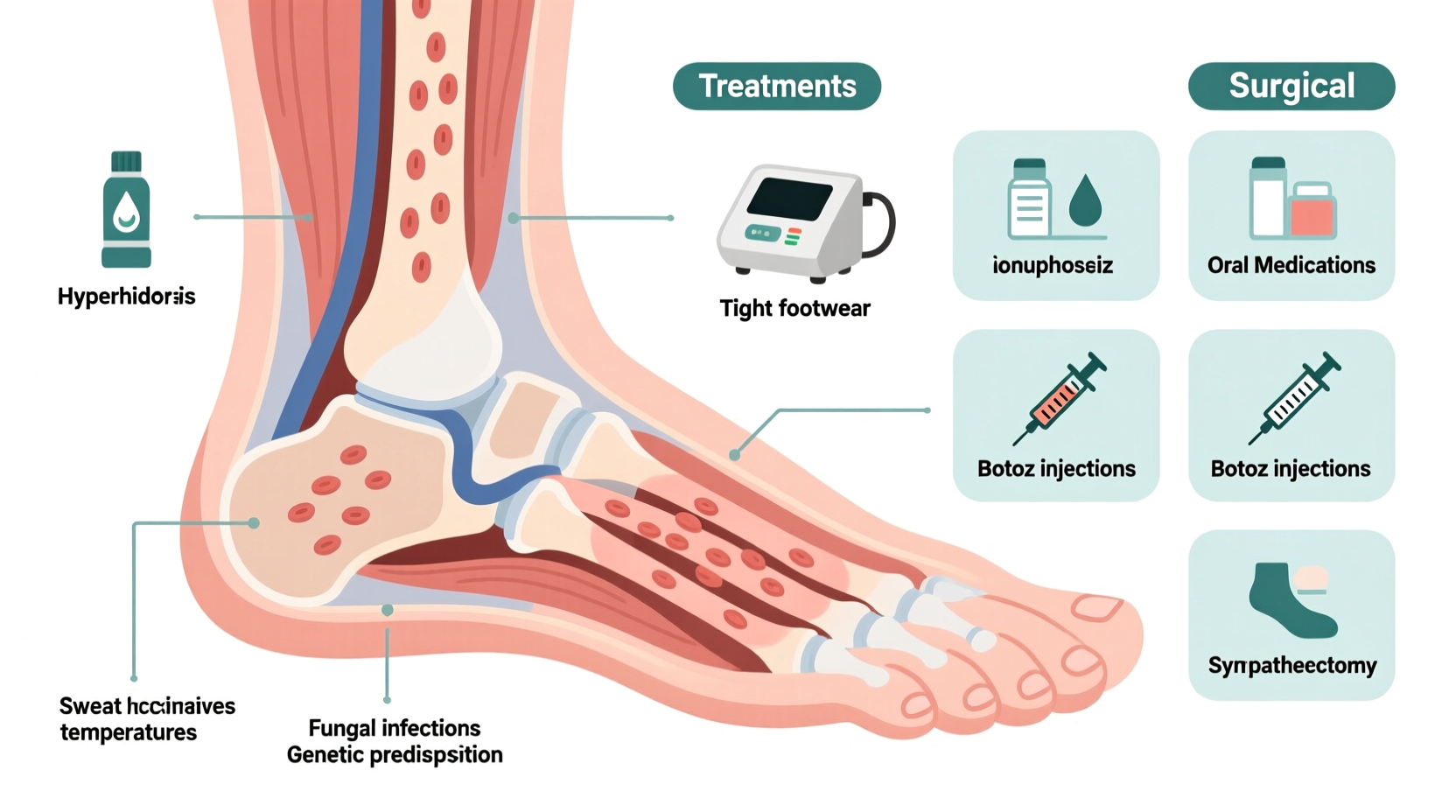
The feet contain around 250,000 sweat glands per foot—more than any other part of the body. These glands respond to signals from the nervous system, primarily triggered by heat, stress, or hormonal fluctuations. When overactive, they produce more sweat than necessary, leading to persistently damp socks, slippery shoes, and an environment ripe for bacteria and fungi.
Primary hyperhidrosis, the most common form affecting the feet, occurs without an underlying medical condition. It typically begins in childhood or adolescence and tends to run in families. Secondary hyperhidrosis, on the other hand, may be caused by health issues such as thyroid disorders, diabetes, or infections, and usually develops later in life.
“Excessive sweating isn’t just a nuisance—it can significantly impact quality of life, especially when it interferes with footwear choices or social situations.” — Dr. Lena Torres, Board-Certified Dermatologist
Common Causes of Excessively Sweaty Feet
Several factors contribute to overly sweaty feet. Some are environmental or behavioral, while others stem from biological or medical conditions.
- Genetics: A family history of hyperhidrosis increases your likelihood of experiencing it.
- Poor Ventilation: Wearing non-breathable shoes made of synthetic materials traps moisture.
- Stress and Anxiety: Emotional triggers activate the sympathetic nervous system, stimulating sweat production.
- Hormonal Changes: Puberty, pregnancy, or menopause can temporarily increase sweating.
- Medications: Certain antidepressants, opioids, and blood pressure drugs list sweating as a side effect.
- Obesity: Increased body mass raises metabolic heat, prompting more sweating.
- Infections or Systemic Illness: Tuberculosis, hyperthyroidism, or hypoglycemia may cause generalized or localized sweating.
Effective Treatment Options: From Home Remedies to Medical Interventions
Treatment depends on severity, lifestyle, and whether the sweating is primary or secondary. Most people benefit from a stepwise approach, starting conservatively and progressing as needed.
Lifestyle and At-Home Strategies
Simple daily habits can dramatically reduce foot moisture and associated problems.
- Wear Moisture-Wicking Socks: Choose materials like merino wool, bamboo, or synthetic blends designed to pull sweat away from the skin.
- Select Breathable Footwear: Opt for leather, canvas, or mesh shoes that allow airflow.
- Use Antifungal Powders: Talc-free powders containing clotrimazole or miconazole help absorb moisture and prevent athlete’s foot.
- Practice Good Foot Hygiene: Wash feet daily with antibacterial soap and dry thoroughly, especially between toes.
- Soak Feet in Astringents: Solutions like black tea (rich in tannins) or diluted vinegar can temporarily shrink sweat glands.
Over-the-Counter and Prescription Treatments
When home care isn’t enough, topical agents can offer stronger relief.
| Treatment Type | How It Works | Effectiveness | Potential Side Effects |
|---|---|---|---|
| Antiperspirants (e.g., aluminum chloride) | Blocks sweat ducts when applied at night | Moderate to high for mild-moderate cases | Skin irritation, stinging if applied to broken skin |
| Prescription Topical Gels | Reduce nerve signals to sweat glands | High with consistent use | Dry mouth, blurred vision (rare with topical use) |
| Oral Anticholinergics | Inhibits acetylcholine, reducing overall sweating | Effective but limited by side effects | Dry eyes, constipation, urinary retention |
Medical Procedures for Severe Cases
For persistent, debilitating sweating, clinical interventions may be necessary.
- Iontophoresis: A device delivers low electrical currents through water to temporarily disable sweat glands. Requires regular sessions but has minimal side effects.
- Botox Injections: Botulinum toxin blocks nerve signals to sweat glands. Provides relief for 3–6 months per session.
- Endoscopic Thoracic Sympathectomy (ETS): Surgery that cuts nerves responsible for triggering sweat. Reserved for extreme cases due to risks like compensatory sweating elsewhere.
Mini Case Study: Managing Sweat During Commute and Work Hours
James, a 32-year-old urban commuter, struggled with sweaty feet during his 45-minute subway ride to work. His leather dress shoes would become slick by mid-morning, causing discomfort and odor. After consulting a podiatrist, he implemented a multi-step plan: switching to moisture-wicking socks, using a clinical-strength antiperspirant at night, and alternating between two pairs of ventilated oxford shoes. Within three weeks, his foot dryness improved significantly, and he no longer worried about slipping inside his shoes or removing them during office meetings.
Step-by-Step Guide to Reducing Foot Sweat
Follow this practical sequence to manage sweaty feet effectively:
- Assess Your Routine: Track when sweating is worst—during exercise, at work, or under stress.
- Upgrade Socks and Shoes: Replace cotton socks with technical fabrics and choose breathable footwear.
- Implement Nighttime Antiperspirant: Apply aluminum chloride solution to clean, dry feet before bed.
- Introduce Foot Soaks: Use black tea soaks 3 times a week for two weeks, then as needed.
- Consult a Specialist: If no improvement in 4–6 weeks, see a dermatologist for advanced options.
- Consider Iontophoresis or Botox: For ongoing issues, explore medical devices or injections.
Frequently Asked Questions
Can sweaty feet lead to athlete’s foot?
Yes. Constant moisture creates an ideal environment for fungi like Trichophyton, which cause athlete’s foot. Keeping feet dry and using antifungal powders can help prevent infection.
Is it normal for only my feet to sweat excessively?
Absolutely. Primary focal hyperhidrosis often targets specific areas like palms, underarms, or feet without affecting the rest of the body. This is common and not necessarily a sign of illness.
Are there natural remedies that actually work?
Some natural approaches, such as foot soaks with tea, witch hazel, or baking soda, have anecdotal support and mild astringent properties. However, they’re less reliable than clinical treatments for severe cases.
Tip: Avoid tight-fitting shoes and change socks at least once during long days to maintain dryness and hygiene.Action Plan Checklist
Use this checklist to begin managing sweaty feet today:
- ☐ Switch to moisture-wicking socks
- ☐ Buy at least two pairs of breathable shoes
- ☐ Purchase a clinical-strength foot antiperspirant
- ☐ Set up a nightly foot-drying routine
- ☐ Schedule a dermatology consultation if symptoms persist
- ☐ Try iontophoresis or discuss Botox with your doctor if needed
Take Control of Your Comfort
Excessively sweaty feet don’t have to dictate your wardrobe, limit your activities, or undermine your confidence. With a combination of smart habits, proven products, and access to medical treatments when necessary, you can achieve lasting relief. Start with small, sustainable changes and build toward a comprehensive strategy tailored to your lifestyle. Millions have overcome this challenge—now it’s your turn.
💬 Have a tip that worked for you? Share your experience in the comments and help others find relief from sweaty feet.








