
For dog owners, choosing the right chew can be more than just a matter of preference—it’s about safety, dental health, and long-term value. Two popular options dominate the market: simulated steak toys made from synthetic materials and real bones sourced from animals. While both promise to satisfy a dog’s natural urge to chew, they differ significantly in durability, risk profile, and overall suitability. Understanding these differences helps pet owners make informed decisions that protect their dogs while maximizing chewing satisfaction.
Durability: How Long Do Each Chew Type Last?
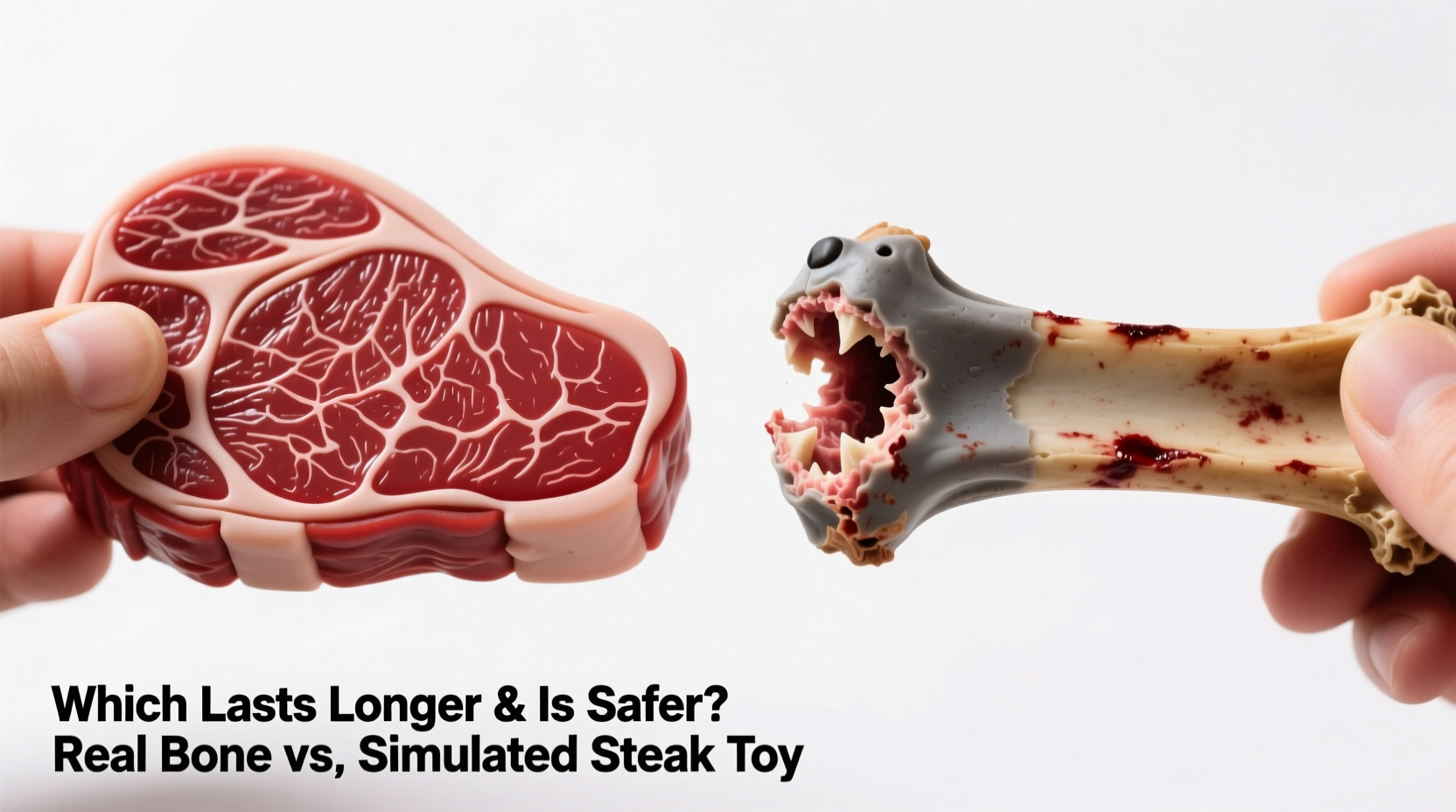
The lifespan of a chew depends on its material composition, the dog’s chewing strength, and frequency of use. Simulated steak toys are typically made from durable rubber, nylon, or compressed rawhide alternatives designed to mimic the texture and appearance of meat. These materials resist fracturing and are engineered to withstand aggressive chewing. Many brands incorporate reinforced layers or textured surfaces to extend longevity.
Real bones, particularly weight-bearing ones like femurs or knuckles from large animals, can also last a long time. However, their durability varies widely. Cooked bones become brittle and may splinter after just a few minutes of intense chewing. Raw bones tend to hold up better but gradually wear down into small fragments. Once a bone begins to crack or break apart, it poses a serious ingestion hazard.
Tip: Rotate chews regularly to prevent overuse on one item and monitor wear patterns closely.Safety Concerns: Real Risks Behind Natural Chewing
Despite being “natural,” real bones carry significant risks. The American Veterinary Medical Association (AVMA) warns against feeding cooked bones due to their tendency to splinter, which can cause oral lacerations, intestinal perforation, or choking. Even raw bones aren’t risk-free—bacterial contamination such as Salmonella or E. coli is possible, especially if improperly stored or sourced.
In contrast, high-quality simulated steak toys eliminate biological hazards. They don’t spoil, harbor bacteria, or degrade unpredictably. However, low-grade synthetic chews made with cheap polymers may contain harmful chemicals or break into sharp shards. Always choose products labeled non-toxic, BPA-free, and manufactured under safety certifications.
“While dogs have evolved to chew bones, modern domestication means we must prioritize controlled, safe outlets over instinct-driven choices.” — Dr. Lena Reyes, DVM, Canine Behavior & Nutrition Specialist
Comparative Analysis: Simulated Steak Toy vs Real Bone
| Feature | Simulated Steak Toy | Real Bone |
|---|---|---|
| Lifespan | Weeks to months with moderate chewers; days to weeks with power chewers | Hours to days depending on cooking method and size |
| Safety Risk | Low when using quality brands; choking only if large pieces break off | High—splintering, choking, blockages, bacterial exposure |
| Dental Benefits | Good—textured surfaces help reduce plaque buildup | Moderate—scrubbing action occurs but enamel damage possible |
| Hygiene | Easy to clean; dishwasher-safe models available | Requires refrigeration; potential for bacterial growth |
| Environmental Impact | Varies—some plastics not biodegradable | Biodegradable but resource-intensive to produce |
| Cost Over Time | Higher upfront, lower replacement frequency | Cheap initially, frequent replacement needed |
Choosing the Right Chew: A Step-by-Step Guide
Selecting between a simulated steak toy and a real bone shouldn't be arbitrary. Follow this logical sequence to ensure your decision aligns with your dog’s needs:
- Evaluate your dog’s chewing behavior: Is your dog a gentle nibbler or an aggressive destroyer? Power chewers need ultra-durable synthetics like nylon-based steaks.
- Assess past incidents: Has your dog ever choked, vomited, or had digestive issues after chewing bones? If so, avoid real bones entirely.
- Check ingredient and material lists: For simulated toys, look for FDA-compliant, non-toxic polymers. Avoid vague terms like “proprietary blend.”
- Consult your veterinarian: Especially if your dog has existing dental work, gastrointestinal sensitivities, or breed-specific concerns (e.g., Bulldogs prone to choking).
- Supervise initial use: Watch how your dog interacts with the chew during the first 15–30 minutes. Remove it if pieces break off or if excessive aggression occurs.
- Monitor wear over time: Replace any chew—synthetic or natural—that develops cracks, sharp edges, or loose chunks.
Mini Case Study: Max the Labrador and the Cooked Rib Bone Incident
Max, a 3-year-old Labrador Retriever, was given a leftover roasted rib bone by his well-meaning owner. Within ten minutes, he had cracked off a large splinter. His parents noticed him drooling and pawing at his mouth. A veterinary X-ray revealed a lodged fragment cutting into his gum tissue. The removal required sedation and antibiotics. After recovery, Max’s vet recommended switching exclusively to FDA-cleared synthetic chews. His owner now uses a textured rubber steak toy that lasts over three weeks and satisfies Max’s urge to gnaw without risk.
This case illustrates how even seemingly harmless household items can become dangerous. It also shows that transitioning to safer alternatives doesn’t mean sacrificing enjoyment—just smarter selection.
Best Practices Checklist for Safe Dog Chewing
- ✅ Never give cooked bones of any kind
- ✅ Choose synthetic chews labeled non-toxic and durable
- ✅ Supervise all chewing sessions, especially with new products
- ✅ Discard chews showing signs of wear or fragmentation
- ✅ Clean reusable toys weekly with mild soap and water
- ✅ Match chew size to your dog’s weight—larger than their mouth to prevent swallowing
- ✅ Store raw bones frozen until use and discard within 24 hours of thawing
Frequently Asked Questions
Can dogs digest real bones safely?
No—not reliably. While some dogs may pass small amounts of ground bone without issue, larger fragments can cause impaction, perforation, or constipation. The digestive system isn’t designed to process hard, dense bone material efficiently. Vets strongly discourage feeding bones precisely because outcomes are unpredictable and potentially life-threatening.
Are all simulated chews safe?
No. Some low-cost imported chews contain toxic substances like formaldehyde or lead. Stick to reputable brands with transparent sourcing and third-party testing. Look for compliance with standards set by the FDA, ASTM, or CE. If a chew smells strongly chemical or leaves residue on hands, discontinue use immediately.
Do synthetic chews really clean teeth?
Yes, many do—especially those with ridges, nubs, or abrasive textures. As the dog chews, these features scrape tartar and massage gums. However, they’re not a substitute for professional dental care. Used consistently, though, they can reduce plaque accumulation by up to 70% compared to no chewing, according to studies cited by the Veterinary Oral Health Council (VOHC).
Final Recommendation: Prioritize Safety Without Sacrificing Satisfaction
When comparing simulated steak toys and real bones, the evidence leans decisively toward synthetic options for most dogs. They last longer under regular use, pose fewer health risks, and offer predictable performance. Real bones, while instinctually appealing, come with too many variables that endanger canine well-being—even when handled carefully.
That said, every dog is different. Some thrive on responsibly managed raw diets that include raw bones under strict supervision. But for the average pet owner seeking convenience, safety, and durability, high-quality simulated steak toys represent the superior choice.
💬 Your dog’s safety starts with smart choices. Share your chew experiences or questions below—help fellow pet parents make informed decisions!








