
Sudden dryness on the face can be more than just a minor irritation—it can signal underlying environmental, lifestyle, or dermatological factors. Unlike chronic dry skin conditions such as eczema, sudden dryness appears unexpectedly and often worsens quickly without intervention. Recognizing the triggers early and responding with targeted care is essential for restoring skin balance and preventing further discomfort. This guide explores the most common causes, science-backed treatments, and long-term prevention strategies to help you manage sudden facial dryness effectively.
Common Causes of Sudden Dry Face
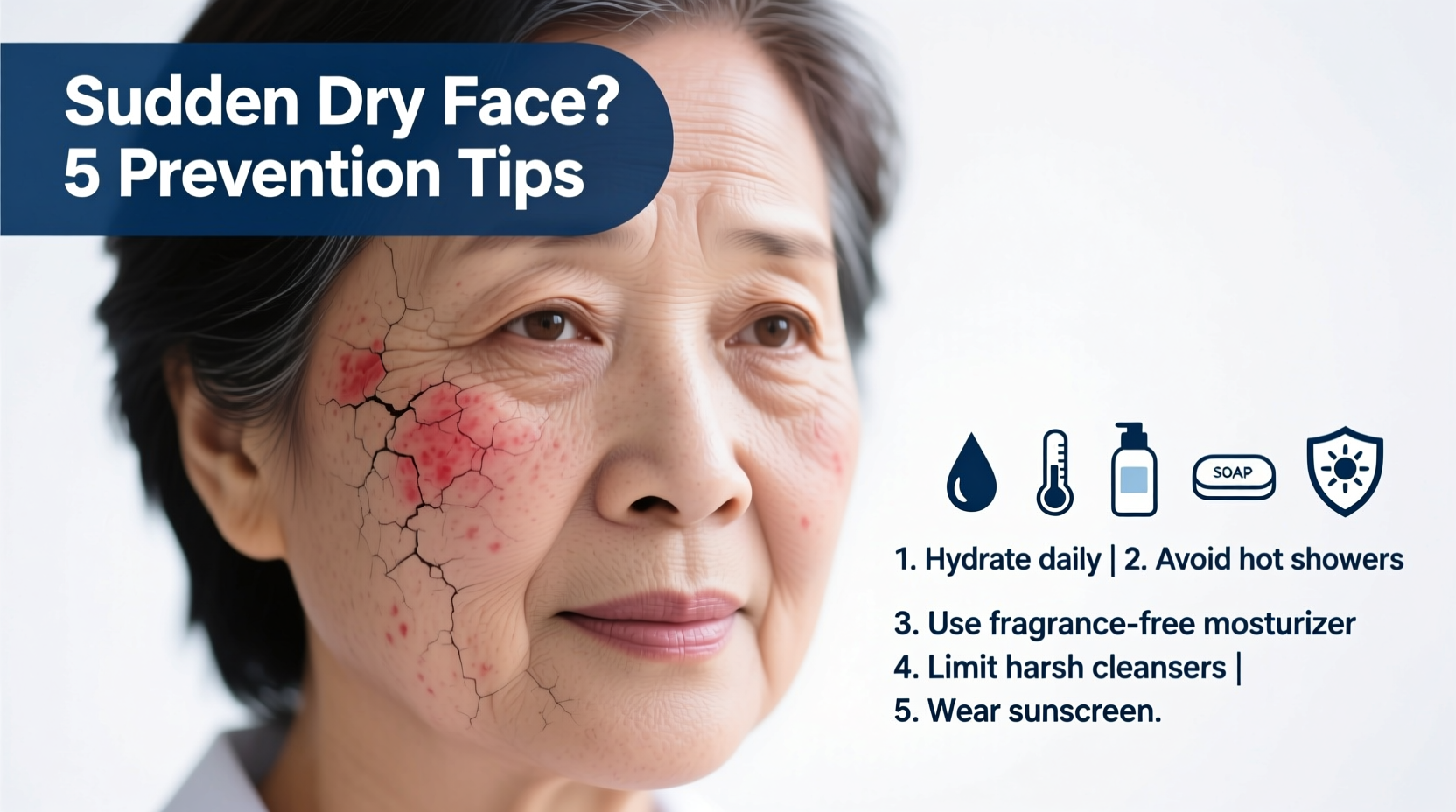
Dryness that develops rapidly on the face isn’t always due to a lack of moisturizer. It’s often the result of internal or external stressors disrupting the skin’s natural barrier. Understanding these causes is the first step in addressing the issue at its root.
- Weather changes: Cold winds, low humidity, and indoor heating strip moisture from the skin, especially during winter months.
- Harsh skincare products: Overuse of exfoliants, alcohol-based toners, or strong cleansers can compromise the skin’s lipid layer.
- Allergic reactions or irritants: Fragrances, preservatives, or new cosmetics may trigger contact dermatitis, leading to flaking and tightness.
- Dehydration: Inadequate water intake reduces skin hydration from within, making it appear dull and rough.
- Hormonal fluctuations: Stress, pregnancy, or menopause can alter sebum production, affecting skin moisture levels.
- Medications: Retinoids, acne treatments, antihistamines, and certain blood pressure drugs list dry skin as a side effect.
Effective Treatment Approaches
Treating sudden facial dryness requires more than slathering on lotion. The goal is to repair the skin barrier, lock in moisture, and soothe inflammation. Here’s how to respond when dryness strikes.
Step-by-Step Recovery Routine
- Cleanse gently: Use a fragrance-free, non-foaming cleanser. Avoid hot water; rinse with lukewarm water instead.
- Apply a hydrating serum: Look for hyaluronic acid or glycerin-based formulas to attract moisture into the skin.
- Layer a restorative moisturizer: Choose a thick cream containing ceramides, squalane, or shea butter to rebuild the lipid barrier.
- Use an occlusive at night: A thin layer of petroleum jelly or a facial balm seals in moisture overnight.
- Avoid active ingredients: Pause retinoids, acids, and vitamin C until your skin fully recovers.
“Skin barrier repair takes time. Consistency with gentle products over 5–7 days usually shows visible improvement.” — Dr. Lena Reyes, Board-Certified Dermatologist
Prevention Tips for Long-Term Skin Health
Once your skin recovers, maintaining hydration prevents future flare-ups. Prevention is not about using more products but making smarter choices aligned with your skin’s needs.
Tip: Apply moisturizer within 60 seconds of washing your face to trap surface moisture.Key Daily Habits
- Drink at least 8 glasses of water daily to support internal hydration.
- Use a humidifier in heated or air-conditioned rooms, especially while sleeping.
- Wear broad-spectrum SPF 30+ every morning—even on cloudy days—to prevent UV-induced dryness.
- Limit face washing to twice per day; over-cleansing removes natural oils.
- Choose cotton pillowcases and wash them weekly to reduce friction and bacterial buildup.
Do’s and Don’ts: Quick Reference Table
| Do’s | Don’ts |
|---|---|
| Use lukewarm water for cleansing | Use hot water or long showers |
| Apply moisturizer on damp skin | Wait until skin is completely dry |
| Incorporate ceramide-rich creams | Use alcohol-heavy toners |
| Reapply sunscreen every 2 hours if outdoors | Skimp on sun protection |
| Introduce new products one at a time | Switch multiple skincare items simultaneously |
Real-Life Example: Recovering from Winter Dryness
Maria, a 34-year-old teacher in Chicago, noticed her cheeks becoming red and flaky every January. After years of trial and error, she realized her foaming cleanser and nightly retinol were worsening the issue during colder months. She switched to a milky cleanser, added a hyaluronic acid serum, and applied a thicker moisturizing balm at night. Within five days, her skin regained smoothness. Now, she adjusts her routine seasonally and uses a bedroom humidifier—dryness has not returned.
This case illustrates how environmental shifts demand flexible skincare. What works in summer may harm skin in winter. Listening to your skin’s signals allows timely adjustments.
Essential Checklist for Managing Sudden Dry Face
Keep this checklist handy for immediate action when dryness occurs:
- ✔ Stop using exfoliants and active serums temporarily
- ✔ Switch to a soap-free, fragrance-free cleanser
- ✔ Hydrate with a hyaluronic acid serum on damp skin
- ✔ Apply a rich moisturizer with ceramides or shea butter
- ✔ Use a humidifier in your bedroom
- ✔ Drink more water throughout the day
- ✔ Wear sunscreen daily, even indoors
- ✔ Monitor improvement over 3–7 days before reintroducing other products
Frequently Asked Questions
Can sudden dry face be a sign of an allergy?
Yes. Sudden dryness accompanied by itching, redness, or swelling may indicate an allergic reaction to a skincare product, detergent, or environmental allergen. Discontinue suspected products and consult a dermatologist for patch testing if symptoms persist.
Is it safe to use Vaseline on the face for dryness?
Pure petroleum jelly is safe for most skin types and highly effective as an occlusive. However, those prone to acne should use it sparingly and only at night, as it can clog pores when over-applied.
How long does it take for a dry face to heal?
With proper care, mild to moderate dryness typically improves within 3 to 7 days. Severe cases involving cracking or peeling may require up to two weeks. Persistent dryness warrants professional evaluation to rule out conditions like eczema or rosacea.
Final Thoughts and Action Plan
Sudden dry face is a common but manageable condition. The key lies in identifying triggers quickly and adjusting your routine with skin-supportive practices. Rather than reacting with increasingly aggressive products, focus on simplicity, hydration, and protection. Your skin’s barrier is resilient when given the right tools and time to recover.
Start today: evaluate your current skincare lineup, eliminate potential irritants, and integrate one or two barrier-repairing products. Track changes over the week and note what works best for your skin type. Small, consistent actions lead to lasting results.
💬 Have you experienced sudden facial dryness? Share your story or best remedy in the comments—your insight could help someone else find relief.