
Seasonal allergies in dogs are more common than many pet owners realize. From spring pollen to fall ragweed, environmental allergens can trigger uncomfortable symptoms like itching, sneezing, ear infections, and skin irritation. While veterinary treatments exist, not every solution needs to be expensive. Many top veterinarians recommend a layered approach—combining affordable preventive measures with targeted, cost-effective interventions that deliver real relief.
The goal isn’t just symptom suppression but long-term management that supports your dog’s immune system and reduces reliance on costly medications. This guide compiles vet-backed strategies, practical tips, and budget-conscious choices that provide meaningful allergy relief without breaking the bank.
Understanding Canine Seasonal Allergies
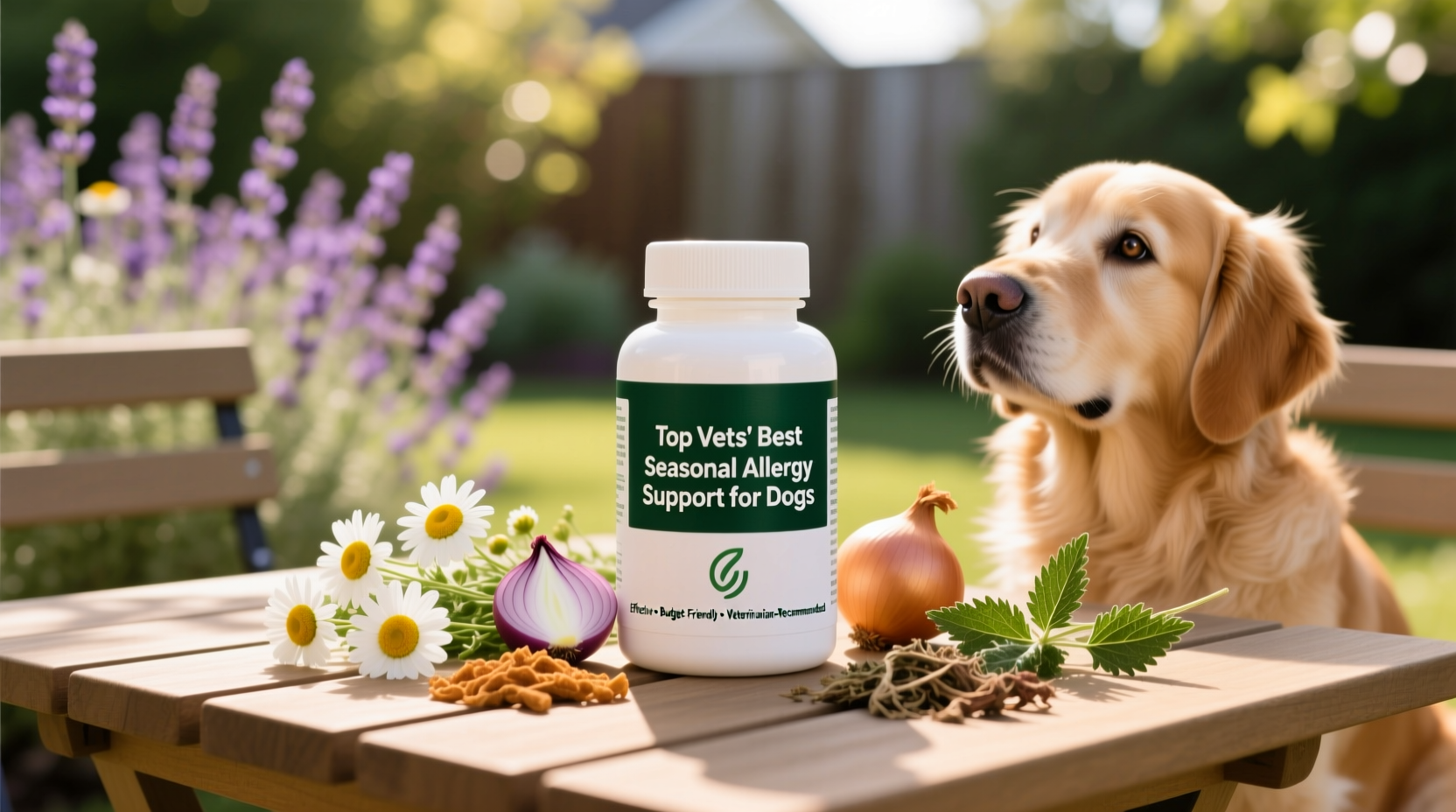
Dogs don’t experience seasonal allergies the way humans do. Instead of runny noses, they often manifest through their skin. This condition, known as atopic dermatitis, occurs when a dog’s immune system overreacts to airborne allergens such as grass pollen, mold spores, dust mites, or tree pollen.
Symptoms typically include:
- Excessive licking or chewing of paws
- Red, inflamed ears or recurring ear infections
- Itchy, flaky, or scaly skin
- Sneezing or watery eyes (less common)
- Bald patches from scratching
Diagnosis usually involves ruling out other causes like fleas, food allergies, or infections. Vets may perform intradermal skin testing or blood tests to identify specific allergens, though these can be costly. For budget-conscious owners, starting with low-cost environmental management and supportive care is often the most practical first step.
Tip: Bathe your dog weekly during high-allergy seasons using a hypoallergenic oatmeal shampoo to remove pollen from their coat and skin.Vet-Recommended Budget-Friendly Support Strategies
Top veterinarians emphasize prevention and immune support over reactive medication. The following approaches are consistently recommended because they’re both effective and economical:
- Regular Bathing with Oatmeal-Based Shampoos: Removes allergens trapped in fur and soothes irritated skin. Look for fragrance-free formulas under $15.
- Omega-3 Fatty Acid Supplements: Found in fish oil, these reduce inflammation and improve skin barrier function. High-quality options start at around $20 for a two-month supply.
- Wiping Paws After Walks: Use a damp cloth or pet-safe wipe to clean feet after outdoor time, reducing allergen transfer into the home.
- HEPA Air Purifiers: Placed in sleeping areas, these reduce indoor airborne allergens. Units under $50 are available and highly effective.
- Washing Bedding Weekly: In hot water to eliminate dust mites and pollen buildup.
These steps form the foundation of a proactive allergy management plan. They cost significantly less than prescription medications or immunotherapy but yield measurable improvements when used consistently.
Comparing Treatment Options: Cost vs. Effectiveness
| Treatment | Average Cost (Monthly) | Effectiveness | Vet Recommendation Level |
|---|---|---|---|
| Fish Oil Supplements | $10–$20 | High (long-term skin health) | ⭐⭐⭐⭐☆ |
| Oatmeal Shampoo Baths | $5–$15 | High (symptom relief) | ⭐⭐⭐⭐⭐ |
| Antihistamines (e.g., cetirizine) | $10–$25 | Moderate (varies by dog) | ⭐⭐⭐☆☆ |
| Paw Wipes / Towels | $5–$10 | High (preventive) | ⭐⭐⭐⭐☆ |
| Prescription Medications (e.g., Apoquel) | $80–$150 | Very High (fast relief) | ⭐⭐⭐⭐☆ |
| Allergy Testing & Immunotherapy | $200+ (initial), $50–$100 ongoing | Very High (long-term desensitization) | ⭐⭐⭐☆☆ |
This comparison shows that while prescription drugs offer rapid relief, foundational care methods deliver strong results at a fraction of the cost. Many vets suggest trying lower-cost options first before escalating to expensive treatments.
“Start with what you can control—bathing, diet, and environment. These are the pillars of allergy management and often reduce the need for medication.” — Dr. Laura Simmons, DVM, Board-Certified Veterinary Dermatologist
Step-by-Step: Building a Low-Cost Allergy Support Routine
Follow this weekly routine to manage your dog’s seasonal allergies effectively without overspending:
- Monday – Evening Paw Wipe: After the evening walk, wipe all four paws with a damp microfiber cloth or reusable pet wipe to remove pollen.
- Wednesday – Omega-3 Dosage: Administer fish oil supplement with meal. Choose a brand with high EPA/DHA content (minimum 300mg combined per 10 lbs body weight).
- Friday – Home Environment Check: Vacuum with a HEPA filter, change air purifier filters if needed, and wash dog bedding in hot water.
- Saturday – Bath Time (Every 1–2 Weeks): Use a gentle colloidal oatmeal shampoo. Rinse thoroughly and towel-dry. Avoid blow dryers if possible, as heat can irritate skin.
- Daily – Monitor Symptoms: Track any increase in scratching, redness, or ear odor. Early detection prevents secondary infections.
Consistency is key. Even minor daily habits compound into significant improvements over allergy season.
Real-World Example: Managing Allergies on a Budget
Meet Daisy, a 4-year-old Golden Retriever from central Illinois. Every spring, she developed severe paw licking and ear infections. Her owner, Maria, was quoted $120/month for Apoquel and $300 for allergy testing.
Instead, Maria consulted her vet and implemented a budget plan:
- Bought a $12 bottle of Vet’s Best Hypoallergenic Oatmeal Shampoo
- Started giving Nordic Naturals Omega-3 liquid ($18/month)
- Began wiping Daisy’s paws after every walk
- Invested in a $45 HEPA air purifier for the bedroom
Within six weeks, Daisy’s itching decreased by 70%. She still had occasional flare-ups, but they were milder and required only intermittent antihistamine use. Over one allergy season, Maria spent under $150—less than half the cost of medication alone—and avoided invasive procedures.
Essential Checklist for Dog Owners Facing Seasonal Allergies
Checklist: Budget-Friendly Allergy Support Plan
- ☐ Buy a fragrance-free oatmeal shampoo
- ☐ Purchase omega-3 fatty acid supplements
- ☐ Keep a microfiber cloth near the door for paw wiping
- ☐ Wash dog bedding weekly in hot water
- ☐ Use a HEPA air purifier in your pet’s primary resting area
- ☐ Schedule vet checkups before and after peak allergy season
- ☐ Track symptoms in a simple journal or app
Frequently Asked Questions
Can I give my dog human antihistamines?
Some, like cetirizine (Zyrtec) or loratadine (Claritin), are safe for dogs in appropriate doses. However, always consult your vet before administering any medication. Avoid formulations with decongestants like pseudoephedrine, which are toxic to dogs.
How soon will I see improvement with natural remedies?
Most owners notice reduced itching within 3–6 weeks of consistent omega-3 supplementation and regular bathing. Environmental changes, like air purification, can show effects even sooner—sometimes within days.
Is there a hypoallergenic diet that helps?
While seasonal allergies are environmental, some dogs have concurrent food sensitivities that worsen skin issues. A limited-ingredient diet or hydrolyzed protein food may help, but it’s best used under veterinary guidance to avoid nutritional gaps.
Final Thoughts: Smart Care Without the High Cost
Managing your dog’s seasonal allergies doesn’t require expensive prescriptions or invasive treatments. With guidance from top veterinarians, a strategic combination of hygiene, nutrition, and environmental control offers powerful, lasting relief at a manageable cost.
The most effective plans aren’t about quick fixes—they’re built on consistency, observation, and proactive care. By investing time rather than money in your dog’s well-being, you create a healthier, more comfortable life for them throughout allergy season and beyond.
💬 Have a tip that helped your dog with seasonal allergies? Share your experience in the comments—your insight could help another pet owner find relief.








