There are few breakfasts more emblematic of American comfort food than sausage biscuits and gravy. Found on diners' menus across the South and Midwest, this hearty dish combines flaky, buttery biscuits split open and smothered in a rich, peppery cream gravy studded with crumbled sausage. While many rely on canned biscuits or powdered gravy mixes, making both components from scratch elevates the experience dramatically—offering superior flavor, texture, and freshness. This comprehensive guide walks through every step of preparing authentic, restaurant-quality sausage biscuits and gravy at home, with detailed techniques, ingredient insights, and pro tips that ensure success whether you're cooking for one or feeding a crowd.
Definition & Overview
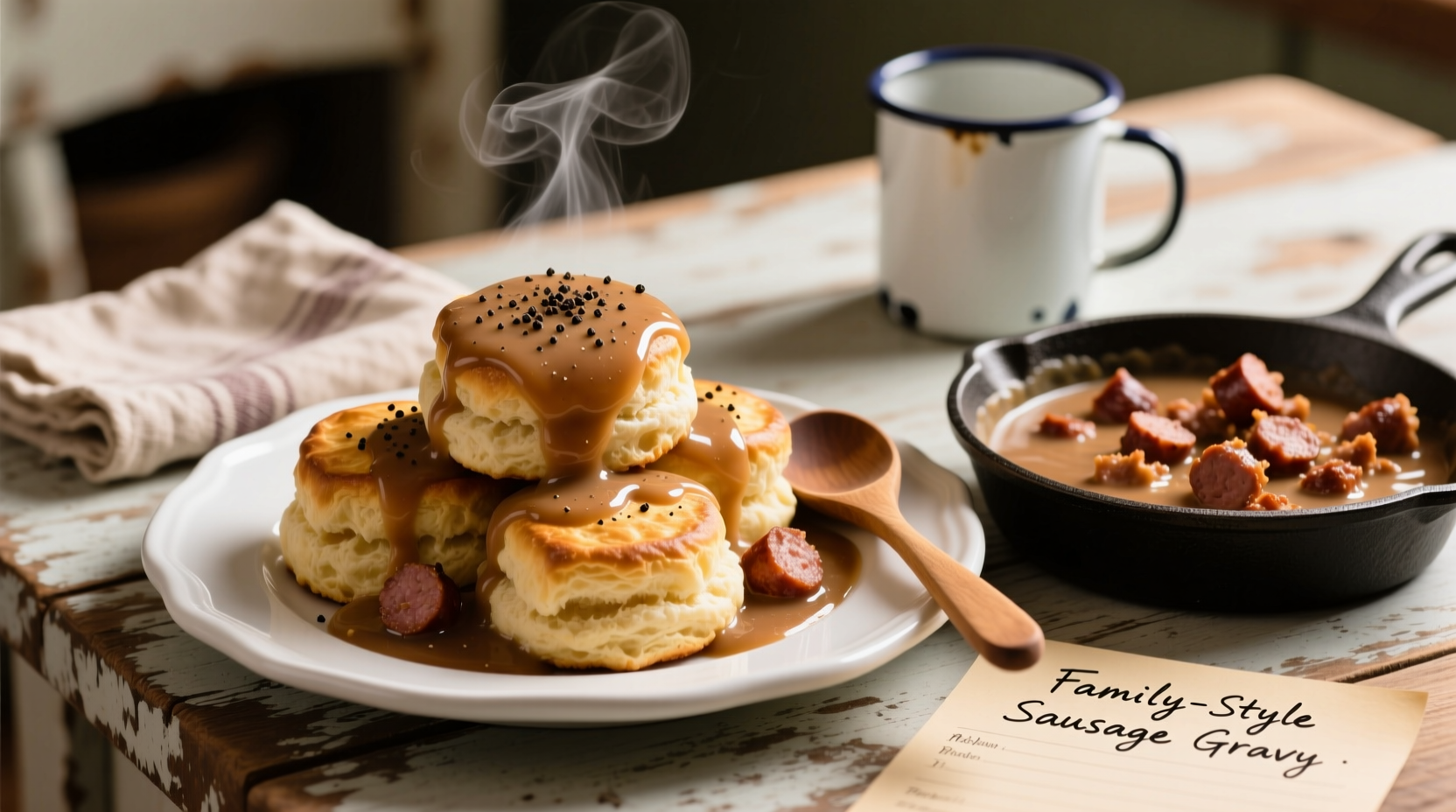
Sausage biscuits and gravy is a traditional Southern U.S. breakfast dish consisting of split, freshly baked buttermilk biscuits topped with a milk-based white gravy made from pork sausage drippings, seasoned flour, whole milk or cream, and black pepper. The dish originated in the rural American South, where resourceful cooks used available ingredients—lard, flour, milk, and ground pork—to create filling meals without refrigeration or complex tools. Over time, it became a staple of weekend brunches, truck-stop menus, and holiday mornings.
The dish exemplifies rustic American cuisine: simple ingredients transformed into something deeply satisfying through technique and seasoning. Unlike brown gravies made with meat stock, this version relies on a roux of rendered sausage fat and flour, giving it a pale color and velvety consistency. Its defining characteristic is not sweetness or spice, but a savory richness balanced by a sharp kick of freshly cracked black pepper.
Key Characteristics
| Attribute | Description |
|---|---|
| Flavor Profile | Savory, umami-rich, slightly salty, with a pronounced peppery finish |
| Aroma | Toasted flour, seared pork, warm dairy, and freshly ground pepper |
| Texture | Flaky biscuit exterior with tender interior; gravy is smooth, creamy, and coats the back of a spoon |
| Color | Golden-brown biscuits; off-white to light beige gravy |
| Heat Level | Mild to moderate (depending on pepper amount); no chili heat unless spiced sausage is used |
| Culinary Function | Breakfast centerpiece, comfort food, crowd-pleasing brunch item |
| Shelf Life | Biscuits best served same day; gravy keeps refrigerated up to 3 days (reheat gently) |
Practical Usage: How to Make Sausage Biscuits and Gravy from Scratch
Creating this dish entirely from scratch involves two main components: the biscuits and the gravy. Each benefits from attention to detail, but neither requires advanced skills. With proper timing, both can be completed within 45 minutes.
Homemade Buttermilk Biscuits
The ideal biscuit for this dish is tall, tender inside, and crisp on the outside—able to hold its structure under a ladle of hot gravy without disintegrating. Store-bought substitutes often lack buttery depth and have a rubbery texture due to stabilizers.
- Ingredients: 2 cups all-purpose flour, 1 tablespoon baking powder, ½ teaspoon baking soda, 1 teaspoon salt, 1 cup cold unsalted butter (cut into small cubes), ¾ cup cold buttermilk.
- Preparation: Preheat oven to 450°F (230°C). In a large bowl, whisk dry ingredients. Cut in cold butter using a pastry cutter or fingertips until mixture resembles coarse crumbs with pea-sized butter pieces remaining.
- Liquid Addition: Pour in buttermilk and stir just until dough comes together—do not overmix. Turn onto lightly floured surface and gently pat into a 1-inch thick rectangle.
- Shaping: Fold dough in thirds like a letter, rotate 90 degrees, and repeat twice. This builds layers for flakiness. Pat out again to 1-inch thickness and cut with a 2½-inch round cutter. Place close together on a parchment-lined baking sheet.
- Baking: Bake 12–15 minutes until golden brown. Brush tops with melted butter after baking for extra richness.
Pro Tip: Keep everything cold. Warm butter melts too quickly during baking, resulting in dense biscuits. Chill bowls and cutters beforehand if your kitchen is warm.
Sausage Gravy (Country Gravy)
This gravy uses the rendered fat from browned sausage as the base for a roux, eliminating the need for added oil or butter. It’s crucial to build flavor gradually—rushing leads to lumps or raw flour taste.
- Sausage Base: In a skillet over medium heat, cook 1 pound (450g) bulk pork sausage (mild or spicy) until browned and crumbled. Do not drain the fat—this is essential for flavor and thickening.
- Roux Formation: Sprinkle 3 tablespoons all-purpose flour over the sausage and fat. Stir constantly for 2–3 minutes to cook the flour and form a blond roux. It should smell nutty but not burn.
- Liquid Incorporation: Gradually pour in 2 cups whole milk while whisking continuously. Start with small amounts to avoid clumping, then increase flow as mixture thickens.
- Simmering: Reduce heat to low and simmer 5–7 minutes, stirring occasionally, until gravy reaches desired thickness—a spoon drawn across the back leaves a slow-to-fill trail.
- Seasoning: Add ½ to 1 teaspoon freshly cracked black pepper (adjust to preference), and salt only if needed (sausage may already be salty).
Gravy Troubleshooting: If too thin, simmer longer or add a slurry of 1 tsp flour + 1 tbsp cold milk. If too thick, thin with warm milk. For silkier texture, strain before serving.
Variants & Types
While the core recipe remains consistent, regional and personal variations exist that reflect local tastes and dietary preferences.
- Spicy Sausage Gravy: Made with hot breakfast sausage or enhanced with cayenne, crushed red pepper, or diced jalapeños. Common in Texas and Oklahoma.
- Dairy-Free Version: Substitute whole milk with unsweetened oat or cashew milk and use plant-based butter in biscuits. Note: texture will be less rich.
- Gluten-Free Adaptation: Use gluten-free all-purpose flour blend in both biscuits and gravy. Ensure baking powder is also GF-certified.
- Biscuit Variations: Cheddar chive biscuits, bacon-cheddar, or herb-infused versions add complexity. Avoid overly sweet add-ins like sugar or fruit.
- Meat Alternatives: Vegetarian versions use plant-based sausage crumbles. Flavor profile shifts significantly—best paired with smoked paprika or liquid smoke for authenticity.
| Variation | Best Used When | Adjustments Needed |
|---|---|---|
| Hot Sausage Gravy | Serving adults who enjoy heat | Use spicy pork sausage; add cayenne to taste |
| Extra-Creamy Gravy | For luxurious presentation | Replace ½ cup milk with heavy cream |
| Cast-Iron Skillet Biscuits | Cooking outdoors or seeking crisp crust | Bake in preheated cast iron for bottom browning |
| Make-Ahead Freezer Biscuits | Meal prepping for busy mornings | Freeze unbaked biscuits; bake frozen +3–5 minutes |
Comparison with Similar Ingredients/Dishes
Sausage gravy is sometimes confused with other types of gravies or breakfast dishes, but key differences define its identity.
| Compared To | Key Differences |
|---|---|
| Brown Gravy | Made from beef or chicken stock and pan drippings; darker color, deeper savory note. Not used for biscuits and gravy unless substituted. |
| Bechamel Sauce | French mother sauce using butter, flour, and milk—but lacks meat element and pepper. More delicate, less robust. |
| Pimento Cheese Biscuits | Southern sandwich with cheese spread instead of gravy. Cooler temperature, different texture profile. |
| Chicken Fried Steak with Gravy | Uses same type of white gravy, but served over breaded steak. Demonstrates versatility of country gravy beyond breakfast. |
Practical Tips & FAQs
Can I make the gravy ahead of time?
Yes. Prepare gravy up to two days in advance and store in an airtight container in the refrigerator. Reheat gently over low heat, adding warm milk as needed to restore consistency. Whisk thoroughly to prevent separation.
Why does my gravy taste floury?
This indicates the roux wasn’t cooked long enough. After adding flour to the fat and meat, cook for at least 2–3 minutes, stirring constantly, to eliminate raw starch flavor. A properly cooked roux has a toasted, slightly nutty aroma.
How do I keep biscuits warm without drying them out?
Place baked biscuits in a warming drawer or oven set to \"warm\" (170–200°F / 75–95°C) and cover loosely with foil. Do not seal in plastic or leave at room temperature for more than 30 minutes—they lose moisture quickly.
Is there a shortcut method?
While scratch-made is best, acceptable shortcuts include: using high-quality frozen biscuits (e.g., Trader Joe’s or Publix brand), or preparing the gravy in a Dutch oven to serve multiple people evenly. Never use powdered gravy mix—it lacks depth and often contains preservatives and artificial flavors.
What kind of sausage should I use?
Traditional Southern-style breakfast sausage is coarsely ground, mildly seasoned pork with notes of sage, black pepper, and garlic. Brands like Jimmy Dean (original), Tennessee Pride, or fresh butcher-sourced sausage work well. Avoid Italian sausage (fennel-heavy) or highly processed hot dogs.
Can I freeze leftover gravy?
Technically yes, but dairy-based gravies may separate upon thawing. For best results, freeze in single-serving portions and reheat slowly with constant stirring. Adding a splash of cream helps re-emulsify.
Are there health-conscious adaptations?
You can reduce fat by draining some sausage grease (though this sacrifices flavor), using lean turkey sausage, and substituting 2% milk. However, whole milk and full-fat pork deliver the authentic mouthfeel. Moderation is key—this is indulgent food meant for occasional enjoyment.
Expert Insight: “The secret to great country gravy isn’t fancy ingredients—it’s patience. Let the roux develop, add milk slowly, and season at the end. Rush it, and you’ll taste every mistake.” — Chef Lila Thompson, Southern Culinary Institute
Step-by-Step Timeline for Serving 4 People
Efficient timing ensures both biscuits and gravy finish hot and ready to serve simultaneously.
- 0–10 min: Preheat oven to 450°F. Begin browning sausage in a large skillet. Once cooked, remove sausage with slotted spoon, leaving drippings behind.
- 10–15 min: Prepare biscuit dough. Mix, fold, and cut biscuits. Place on tray and set aside.
- 15–25 min: Bake biscuits for 12–15 minutes. Remove and rest.
- 25–35 min: While biscuits bake, make gravy. Add flour to drippings, cook roux, then gradually incorporate milk. Simmer until thickened.
- 35–40 min: Split warm biscuits. Plate and generously ladle gravy over each half.
- Serve immediately.
\"Sausage biscuits and gravy isn't about precision—it's about memory. The smell pulls people to the table before they even see the plate.\" — The Southern Foodways Alliance Journal
Summary & Key Takeaways
Sausage biscuits and gravy is more than a breakfast dish—it’s a cultural touchstone rooted in Southern American culinary tradition. Making it from scratch unlocks levels of flavor and texture unattainable with convenience products. The process hinges on two fundamentals: well-laminated, cold-processed biscuits and a carefully built roux-based gravy enriched with seasoned sausage and finished with bold pepper.
Success lies in technique, not complexity. Keeping ingredients cold for biscuits, cooking the roux adequately to remove raw flour taste, and tempering milk into the gravy gradually are the critical steps that separate good from exceptional results. Variations allow adaptation for dietary needs or regional flair, but the essence remains unchanged: comfort, warmth, and deep satisfaction.
Whether served on a weekday morning with coffee or as the centerpiece of a Sunday family brunch, homemade sausage biscuits and gravy offer a rewarding return on modest effort. With this guide, home cooks gain the knowledge and confidence to master a classic—and perhaps start their own traditions around the breakfast table.
Final Advice: Serve with a side of scrambled eggs and pickled peppers for balance. Invite guests to adjust pepper levels themselves—some love extra heat, others prefer milder notes. Most importantly: eat while piping hot.









