
Keeping your dog properly hydrated is one of the most fundamental aspects of responsible pet care. While traditional water bowls serve their purpose, they often require constant monitoring and refilling—especially for active dogs or multi-pet households. An automatic dog water bowl offers a reliable, low-maintenance solution that ensures fresh, clean water is always available. When set up correctly and maintained consistently, these systems can transform daily pet care into a seamless routine. This guide walks you through selecting, installing, and maintaining an automatic water bowl so your dog stays hydrated with minimal effort on your part.
Why Automatic Water Bowls Make a Difference
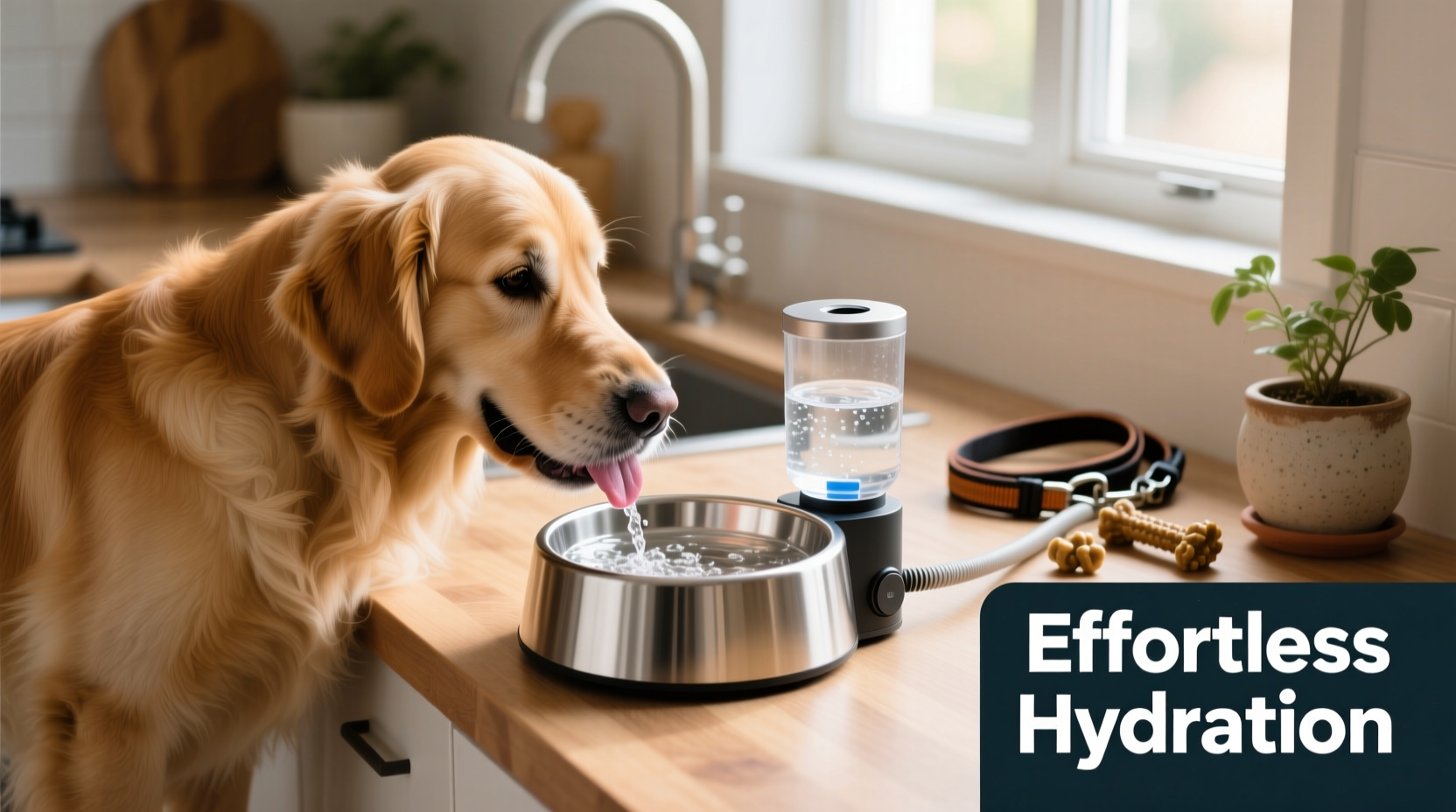
Dogs need continuous access to clean water, particularly in warm climates, during exercise, or if they’re on dry food diets. Manual bowls can run dry quickly or become contaminated with fur, dirt, or bacteria. Automatic models use gravity-fed or pump-driven mechanisms to replenish water as it’s consumed, reducing waste and promoting consistent drinking habits.
These systems are especially beneficial for:
- Dogs with high activity levels
- Households with multiple pets
- Families with busy schedules
- Puppies learning to drink independently
Modern automatic bowls often include features like flow regulators, spill-resistant designs, and even filtration systems that improve taste and reduce algae buildup.
Tip: Choose a model with a wide base to prevent tipping, especially for large or playful dogs.Choosing the Right Automatic Water Bowl
Not all automatic water dispensers are created equal. The ideal system depends on your dog’s size, drinking behavior, and your home environment. Consider the following factors when selecting a model:
Capacity and Flow Rate
Larger dogs may consume several cups of water per day. Opt for a reservoir of at least 2–3 liters for medium to large breeds. Smaller dogs do well with 1–1.5-liter models. Ensure the flow mechanism keeps pace with your dog’s drinking speed to avoid frustration.
Material and Build Quality
Stainless steel and BPA-free plastic are the most common materials. Stainless steel is durable and resistant to chewing but heavier. High-quality plastic is lighter and often dishwasher-safe, but verify it's non-toxic and scratch-resistant.
Filtration System
Some advanced models include carbon filters that remove chlorine, odors, and impurities. While not essential, filtration can encourage picky drinkers and reduce mineral deposits inside the bowl.
Power Source
Most automatic bowls are gravity-fed and don’t require electricity. However, circulating fountains do. For safety and reliability, gravity models are preferred unless you specifically want moving water to entice your dog to drink more.
“Dogs are more likely to drink from a clean, flowing source. A well-designed automatic bowl mimics natural water sources, which can increase daily intake.” — Dr. Laura Simmons, DVM, Canine Nutrition Specialist
Step-by-Step Setup Guide
Installing an automatic water bowl correctly ensures long-term performance and hygiene. Follow this sequence for optimal results:
- Choose a stable location: Place the bowl on a flat, non-slip surface away from direct sunlight and high-traffic areas to minimize spills and contamination.
- Wash all components: Before first use, disassemble the bowl, reservoir, and any valves. Wash with warm, soapy water and rinse thoroughly.
- Assemble according to manufacturer instructions: Align the reservoir with the base, ensuring seals are intact and leak-proof.
- Fill slowly with filtered or tap water: Pour water into the reservoir gradually to allow air to escape and prevent overflow.
- Monitor initial use: Watch your dog interact with the bowl. Adjust flow rate if necessary and check for leaks.
- Introduce gradually: If your dog is unfamiliar with automatic dispensers, place their old bowl beside it initially to ease the transition.
Maintenance Best Practices
An automatic bowl reduces refilling labor, but it still requires regular cleaning to prevent bacterial growth, mold, and mineral buildup. Neglecting maintenance can lead to health issues such as urinary tract infections or gastrointestinal upset.
| Maintenance Task | Frequency | Recommended Method |
|---|---|---|
| Full disassembly and wash | Every 3–4 days | Use mild dish soap and a soft brush; rinse thoroughly |
| Reservoir inspection | Weekly | Check for cracks, algae, or sediment buildup |
| Filter replacement (if applicable) | Every 2–4 weeks | Follow manufacturer guidelines |
| Deep sanitization | Monthly | Soak parts in a 1:3 vinegar-water solution for 30 minutes |
Real-World Example: The Johnson Family’s Experience
The Johnsons adopted a high-energy Border Collie named Scout who would knock over his water bowl multiple times a day. With both parents working full-time, keeping the bowl filled was a constant challenge. After researching options, they installed a 3-liter stainless steel automatic bowl with a slow-flow valve.
Within two days, Scout adapted to the new system. The family noticed he drank more consistently throughout the day, and cleanup time dropped significantly. They now clean the unit every three days during summer and once a week in cooler months. “It’s been a game-changer,” says Sarah Johnson. “We no longer worry about him going hours without water when we’re out.”
Common Pitfalls and How to Avoid Them
Even the best automatic bowls can underperform if misused. Here are frequent mistakes and their solutions:
- Using unfiltered tap water in hard-water areas: Leads to limescale buildup. Use filtered water or descale monthly with vinegar.
- Placing near food bowls: Increases risk of food particles contaminating water. Keep at least 2 feet apart.
- Ignoring early signs of wear: Cracked seals or cloudy reservoirs can harbor bacteria. Replace worn parts promptly.
- Overfilling the reservoir: Causes pressure imbalances and leaks. Fill only to the indicated line.
Frequently Asked Questions
Can puppies use automatic water bowls?
Yes, but choose a low-height model with adjustable flow. Monitor young puppies closely during the first few uses to ensure they can access water without difficulty.
Do automatic bowls save water?
They can reduce waste by minimizing spills and evaporation. However, poorly designed models may drip continuously. Look for units with precision valves and anti-leak features.
Are electric water fountains better than gravity-fed ones?
It depends on your needs. Fountains aerate water and may encourage drinking, but they require power and regular filter changes. Gravity-fed models are simpler, quieter, and more energy-efficient.
Final Checklist for Success
Before relying on your automatic water bowl, confirm the following:
- ✅ The unit is placed on a level, stable surface
- ✅ All parts are securely assembled and leak-free
- ✅ Your dog has successfully used the bowl without hesitation
- ✅ A cleaning schedule is established and documented
- ✅ Spare parts or replacement filters are on hand
Conclusion: Hydration Made Simple
An automatic dog water bowl isn’t just a convenience—it’s a proactive step toward better pet health. By eliminating the guesswork of manual refills and promoting consistent access to fresh water, these systems support kidney function, digestion, and overall vitality. The key to success lies in thoughtful selection, proper setup, and disciplined maintenance. Once integrated into your routine, you’ll wonder how you ever managed without one.
💬 Have questions about your current water setup or tips to share? Join the conversation—your experience could help another pet owner achieve effortless hydration too.








