
Glitter brings joy to craft projects, especially during holidays or nature-themed activities. But traditional plastic glitter contributes to microplastic pollution and poses risks to children and ecosystems. When crafting with trees—whether decorating living plants, making holiday ornaments, or creating forest-inspired art—using conventional glitter can harm delicate bark, soil biology, and curious little hands. The solution lies in biodegradable glitter, but not all “eco-friendly” options are created equal. True safety comes from understanding ingredients, application methods, and environmental impact. This guide walks through how to choose, modify, and use biodegradable glitter responsibly so it’s truly safe for both children and trees.
Understanding Biodegradable Glitter: What It Is (and Isn’t)
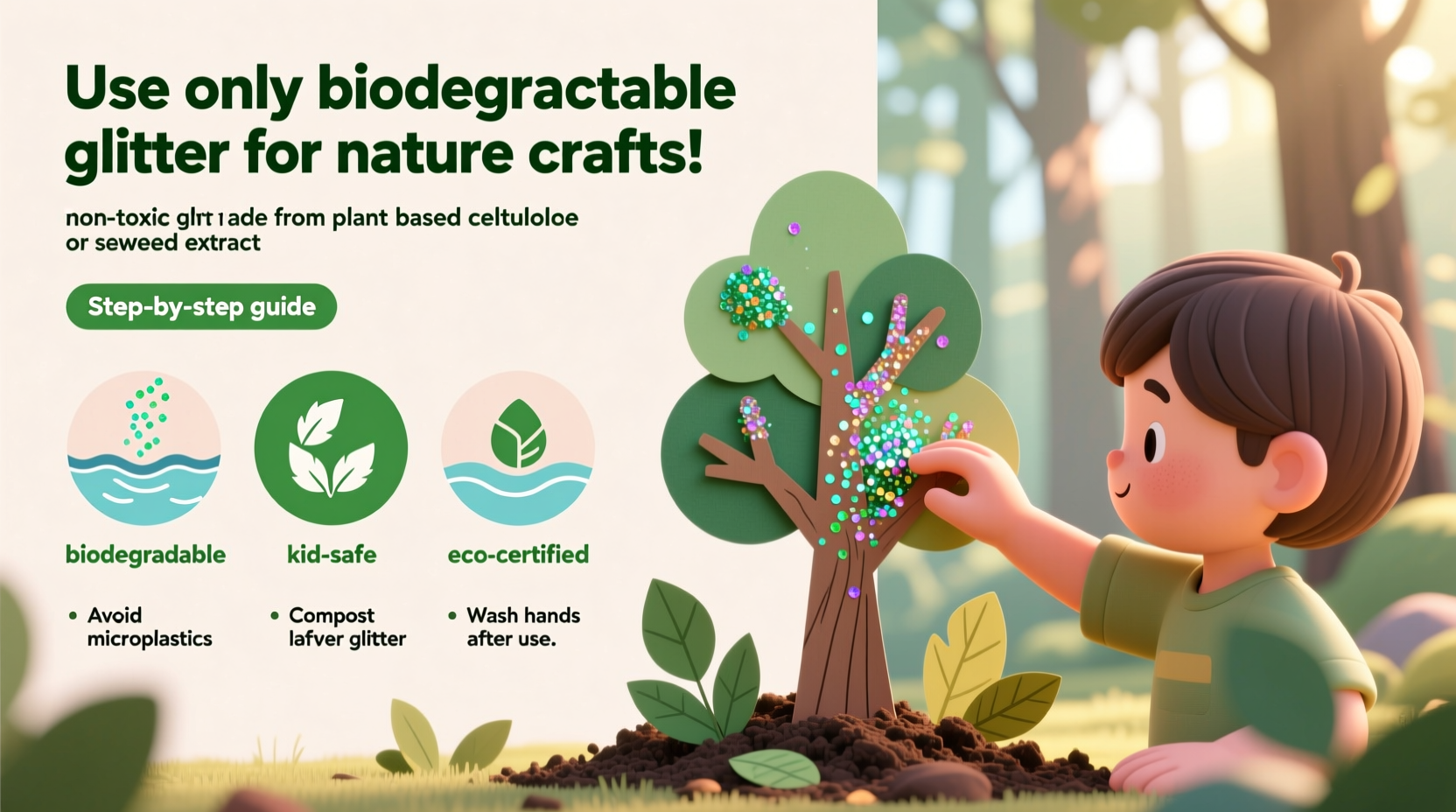
Biodegradable glitter is often marketed as an environmentally friendly alternative to plastic glitter, which is typically made from PET or PVC films coated with aluminum and colorants. These synthetic glitters persist in ecosystems for decades. In contrast, biodegradable glitter uses a base of cellulose, usually derived from eucalyptus or other sustainably harvested plant sources. Under the right conditions—such as exposure to microorganisms in compost—it breaks down into natural compounds within weeks or months.
However, “biodegradable” does not automatically mean “safe for kids” or “tree-safe.” Some products labeled as biodegradable still contain synthetic dyes, heavy metals, or adhesives that can irritate skin or leach into soil. Certification standards vary; for example, TÜV Austria’s OK Compost INDUSTRIAL label ensures breakdown under industrial composting conditions, but home compost or natural environments may process it more slowly.
“Just because something is plant-based doesn’t mean it’s harmless in nature. Always check dye sources and adhesive compatibility when applying glitter near living organisms.” — Dr. Lena Torres, Environmental Toxicologist at Green Materials Institute
Choosing Truly Safe Ingredients
The foundation of safe biodegradable glitter starts with ingredient transparency. Not all suppliers disclose their full formulations, so selecting reputable brands matters. Look for glitters certified by recognized bodies like ISO 14851 (freshwater biodegradation) or those carrying vegan and cruelty-free labels from organizations such as Leaping Bunny.
Key components to verify:
- Base Material: Should be cellulose film from FSC-certified wood pulp. Avoid any mention of PLA (polylactic acid), which requires specific composting facilities and may not degrade outdoors.
- Dyes: Prefer water-based, food-grade or cosmetic-grade pigments. Synthetic dyes like FD&C lakes may be approved for consumption but aren't ideal for outdoor use where runoff occurs.
- Coating: A thin aluminum layer is common for reflectivity, but opt for minimal metallization or none at all if possible. Aluminum-free versions exist using mica or mineral coatings instead.
Step-by-Step Guide to Preparing Tree-Safe Biodegradable Glitter
To ensure your glitter is safe for both children and tree surfaces, follow this preparation process before application:
- Source Certified Biodegradable Glitter: Purchase from trusted suppliers who provide batch-specific certifications. Brands like EcoStardust, BioGlitz, and GreenSparkle offer detailed safety data sheets.
- Rinse to Remove Residual Dyes: Place one tablespoon of glitter in a fine mesh strainer. Rinse thoroughly under cool running water for 30–60 seconds. This removes loose pigment particles that could stain bark or irritate skin.
- Test pH Level: Mix rinsed glitter with distilled water (1:5 ratio). Use pH strips to test; ideal range is 5.5–7.0, matching tree sap and human skin. Adjust with a drop of citric acid (to lower) or baking soda (to raise) if needed.
- Combine with Natural Adhesive: Instead of synthetic glue, blend glitter with a child-safe, biodegradable binder such as diluted tapioca starch paste, aloe vera gel, or cold-process flaxseed mucilage.
- Conduct Patch Tests: Apply a small amount to a discreet area of tree bark (e.g., underside of a branch) and observe over 48 hours for discoloration or sap flow disruption. Also test on a child’s forearm for allergic reactions.
Safe Application Techniques for Kids and Trees
Even with safe materials, improper application can cause harm. Children should always be supervised, and direct contact between glitter mixture and live cambium tissue (just beneath the bark) must be avoided.
| Application Method | Safety Rating | Best For |
|---|---|---|
| Paint-on glitter paste (glue + glitter) | ★★★☆☆ | Ornaments, pinecones, dead wood crafts |
| Spray mist with suspended glitter | ★☆☆☆☆ | Avoid—risk of inhalation and airborne spread |
| Press-in method on pre-treated surface | ★★★★☆ | Kids’ handprints on paper leaves, fabric banners |
| Embedding in beeswax shapes | ★★★★★ | Hanging tree decorations, sensory play |
For living trees, limit decoration to non-living elements such as ropes, ribbons, or removable wooden tags. Never affix glitter directly to trunks or branches where it might interfere with nutrient transport or attract pests due to residual sugars in adhesive.
Real Example: A School Garden Ornament Project
At Willow Creek Elementary, teachers led a winter project where students decorated biodegradable ornaments for the school’s apple trees. They used eucalyptus-based glitter mixed with flaxseed gel, applied only to cork disks tied with hemp string. Each disk had a painted leaf design, with glitter accents on the surface—not embedded in bark. After three months, the ornaments were collected during pruning. Soil tests near the trees showed no change in microbial activity or pH levels. Teachers reported zero skin irritations among children, and parents appreciated the thoughtful, science-backed approach.
DIY Natural Glitter Alternatives for Maximum Safety
For complete control over ingredients, consider making your own natural glitter substitutes. While they won’t sparkle exactly like commercial biodegradable glitter, they offer excellent sensory value and zero ecological risk.
Pinecone Scale Glitter
Collect fallen pinecone scales, crush gently with a mortar and pestle, then sift through a fine mesh. Toss with a pinch of turmeric or beet powder for color. These tiny fragments decompose rapidly and add rustic shimmer to nature crafts.
Mica Flakes (Cosmetic Grade Only)
Natural mica provides genuine sparkle and is mined responsibly by some ethical suppliers. Ensure it's labeled \"cosmetic grade\" and free from asbestos contaminants. Mix sparingly into clay or paint for kid-safe projects.
Salt & Sugar Crystals
Colored with plant dyes (e.g., spinach juice for green, blueberry for purple), coarse sea salt or sugar crystals create temporary sparkle on wreaths or gift tags. Dissolves safely in rain or washing.
Tip: Store homemade natural glitter in airtight jars away from moisture. Label clearly and keep out of reach of toddlers unless supervised.Checklist: Ensuring Your Glitter Craft Is Truly Safe
Before starting any project involving biodegradable glitter, run through this checklist:
- ☑ Glitter is certified biodegradable (e.g., meets EN 13432 or ISO 14851)
- ☑ Dyes are food-grade or cosmetic-grade, non-synthetic where possible
- ☑ Adhesive is non-toxic, washable, and plant-based (e.g., cornstarch paste)
- ☑ No application directly onto living tree bark or soil
- ☑ Children wear smocks and wash hands immediately after handling
- ☑ Workspace includes containment (trays, newspaper) to prevent spillage
- ☑ Leftover mixture is disposed of in compost, not flushed or poured down drains
Frequently Asked Questions
Can biodegradable glitter go in home compost?
Most biodegradable glitters require warm, moist, microbe-rich environments to break down. Home compost piles may lack consistent heat and microbial diversity. While safer than plastic glitter, it’s best to avoid adding large quantities to home compost unless verified by the manufacturer. Small amounts in well-maintained systems are generally acceptable.
Is biodegradable glitter safe if a child licks it?
While many biodegradable glitters use cosmetic-grade ingredients, they are not intended for ingestion. Minimal accidental contact (e.g., touching lips after handling) is low-risk, but intentional eating should be prevented. Always supervise young children and choose aluminum-free, dye-free options when working with toddlers.
Can I use biodegradable glitter on potted indoor trees?
Only if applied indirectly—such as on decorative pots or hanging tags. Avoid placing glitter in soil or on stems. Indoor environments lack the microbial activity needed for degradation, increasing the chance of accumulation and potential root disturbance.
Expert Insight: The Bigger Picture of Sustainable Crafting
Crafting with children offers a powerful opportunity to teach environmental stewardship. Using biodegradable glitter isn’t just about swapping one material for another—it’s about rethinking our relationship with disposable aesthetics.
“We need to move beyond ‘greenwashing’ alternatives and toward regenerative practices. If a material can’t return safely to soil, it shouldn’t be called sustainable—even if it’s plant-based.” — Maya Chen, Founder of EarthPlay Lab, a nonprofit promoting eco-conscious children’s education
This mindset shift encourages creativity within limits: using fallen materials, embracing impermanence, and designing crafts that honor natural cycles rather than disrupt them.
Conclusion: Shine Responsibly
Creating magical moments with glitter doesn’t have to come at the cost of health or environmental integrity. By choosing truly biodegradable glitter, preparing it safely, and applying it thoughtfully, you can craft beautiful tree-inspired projects that are gentle on children and kind to nature. Whether you’re a parent, teacher, or eco-conscious crafter, every decision—from adhesive choice to disposal method—shapes a larger story of sustainability. Start small, stay informed, and let your creativity reflect the values you want to pass on.
💬 Have you tried making eco-friendly glitter crafts with kids? Share your favorite recipes, lessons learned, or challenges in the comments below—we’d love to grow this community of responsible creators together.








