
Dog toy possessiveness—also known as resource guarding—is a common behavioral issue that can escalate from mild stiffness around toys to outright aggression. While it stems from natural instincts, unchecked possessiveness undermines trust, creates household tension, and poses safety risks. The good news is that with patience, consistency, and the right techniques, most dogs can learn to share, relax around their belongings, and deepen their bond with their humans. This guide outlines practical, humane methods grounded in modern canine behavior science to help you transform a guarded pup into a confident, trusting companion.
Understanding Toy Possessiveness: Why Dogs Guard
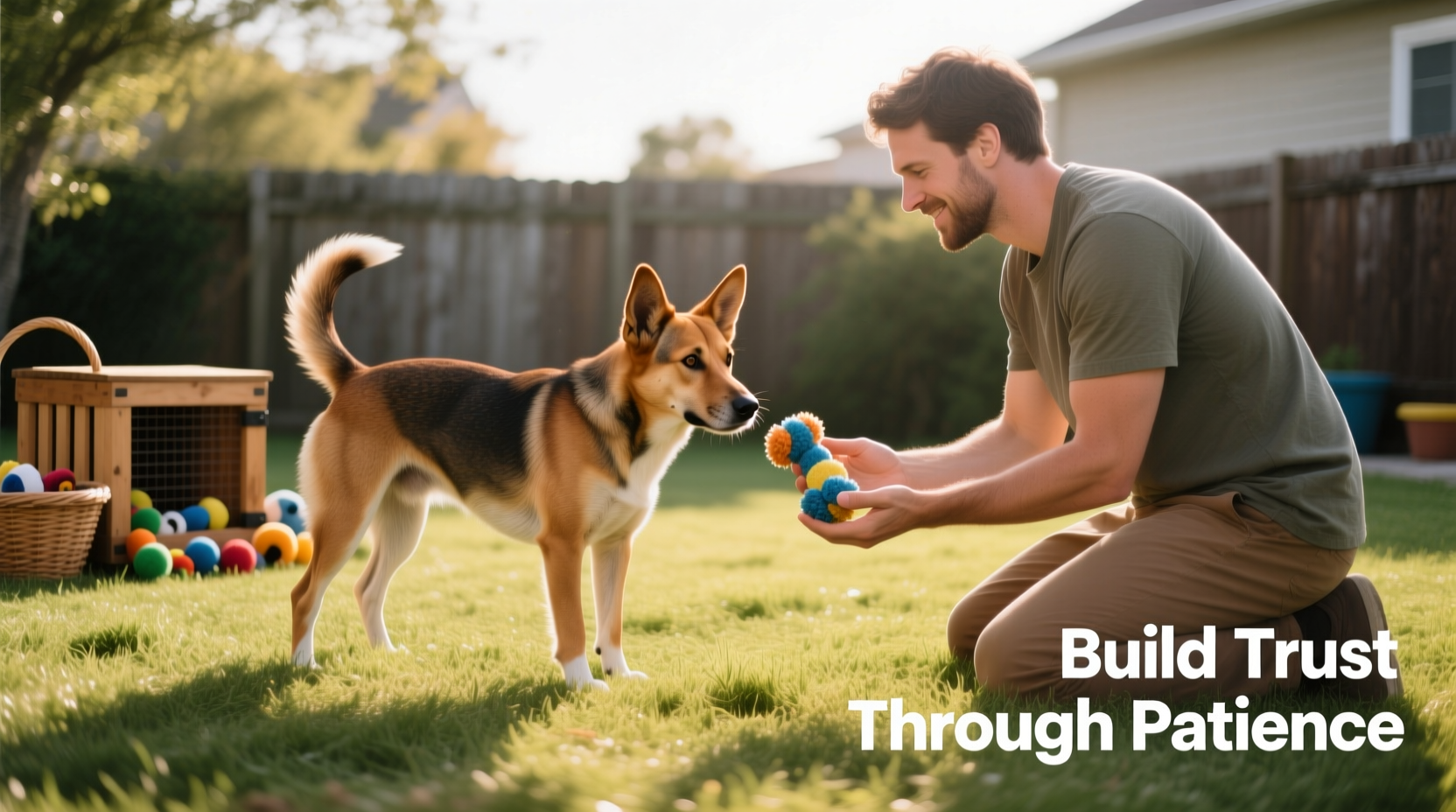
Resource guarding isn’t defiance—it’s fear-based behavior rooted in survival instinct. In the wild, securing food, space, or tools meant the difference between life and death. Even domesticated dogs carry this genetic predisposition. When a dog growls, stiffens, or snaps over a toy, they’re not trying to dominate; they’re trying to prevent loss of something they perceive as valuable.
Triggers often include:
- Limited access to toys or treats in the past
- Poor socialization during puppyhood
- Past competition with other pets
- Stressful environments where resources feel unpredictable
The key to resolving possessiveness lies not in punishment, which increases fear and erodes trust, but in teaching the dog that people approaching = good things happen.
Tip: Never punish a growl. It’s a warning signal. Suppressing warnings may lead to silent bites.Building Trust Through Positive Reinforcement
Trust is the foundation of any successful training effort. A dog who trusts you won’t feel compelled to guard because they believe you won’t take without giving back. Start by creating predictable, rewarding interactions around valued items.
One of the most effective exercises is the “trade-up” method. When your dog has a toy, approach calmly and offer a higher-value treat—something they rarely get, like freeze-dried liver or cheese. Once they take the treat, pick up the toy without force. Over time, your presence near their possessions becomes associated with rewards, not loss.
Consistency is critical. Every interaction counts. If family members occasionally snatch toys or scold the dog for holding one, progress stalls. Everyone in the household must follow the same rules: no sudden movements, no forced removals, and always reward calm behavior.
“Dogs don’t guard out of malice. They guard because they don’t trust the outcome. Our job is to change that outcome—one positive interaction at a time.” — Dr. Sarah Wilson, Certified Applied Animal Behaviorist
Step-by-Step Guide to Reducing Toy Possessiveness
Follow this structured timeline to systematically reduce guarding behaviors. Progress may vary based on the dog’s history and temperament, but most see improvement within 4–8 weeks.
- Assessment (Day 1–3): Observe when and how possessiveness occurs. Note triggers: specific toys, locations, people, or other animals.
- Baseline Training (Week 1): Begin “drop it” and “leave it” commands using low-value toys and high-value treats. Practice in distraction-free areas.
- Introduce Trade-Ups (Week 2–3): Approach your dog while they’re playing. Offer a treat. If they release the toy, praise and reward. If they stiffen, retreat and try again later at a greater distance.
- Add Movement (Week 4): Once reliable with trades, gently touch the toy while offering a treat. Gradually increase duration and proximity.
- Generalize Context (Week 5+): Practice in different rooms, with other family members, and around mild distractions. Introduce controlled interactions with other pets if applicable.
Each session should last 3–5 minutes and end on a positive note. Never push until the dog shows signs of stress—ears back, lip licking, whale eye, or freezing.
Do’s and Don’ts: Managing Possessive Behavior
| Do’s | Don’ts |
|---|---|
| Use high-value treats to create positive associations | Yell, hit, or physically wrestle the toy away |
| Practice short, frequent training sessions | Ignore warning signs like growling or stiffening |
| Rotate toys to reduce over-attachment to one item | Allow children to grab toys from a possessive dog |
| Supervise all interactions involving toys and multiple pets | Label your dog as “aggressive” instead of addressing the cause |
| Build value for the “drop it” command with consistent rewards | Leave high-value toys out unattended for long periods |
Real-Life Example: Turning Tension into Trust
Max, a 2-year-old Australian Shepherd, would growl and snap when anyone approached him while he had his favorite rope toy. His owners were frightened and considered rehoming him. A behavior consultant assessed the situation and found Max had been rescued from a shelter where toys were scarce.
The plan began with teaching Max that human hands near his toy meant treats were coming. At first, the trainer stood 10 feet away and tossed chicken when Max picked up the toy. Over days, she moved closer, eventually touching the toy while handing him a treat. After three weeks, Max would voluntarily drop the toy when his owner said “drop it,” earning a piece of steak in return. Within two months, the growling stopped entirely. Today, Max plays fetch with the whole family and even shares toys with the neighbor’s dog.
This case illustrates that even strong guarding behaviors can be reshaped with empathy and structure.
Essential Training Checklist
Use this checklist to stay on track during your training journey:
- ✅ Identify your dog’s most guarded toys and situations
- ✅ Stock up on high-value treats (e.g., cooked meat, cheese, commercial soft treats)
- ✅ Teach “drop it” and “leave it” in low-distraction settings
- ✅ Practice trade-ups daily, starting at a safe distance
- ✅ Monitor body language for early signs of stress
- ✅ Involve all household members in consistent training
- ✅ Rotate toys weekly to prevent over-attachment
- ✅ Consult a certified dog behaviorist if aggression escalates
Frequently Asked Questions
Is toy possessiveness a sign of dominance?
No. Modern canine behavior science has largely dismissed the concept of dominance in pet dogs. Possessiveness is driven by anxiety and insecurity, not a desire to “rule” the household. Treating it as a dominance issue leads to punitive methods that damage trust and worsen behavior.
Can older dogs learn to stop guarding toys?
Yes. While early intervention is ideal, dogs of any age can improve with consistent, positive training. Older dogs may take longer due to entrenched habits, but their capacity to learn remains strong. Patience and repetition are key.
Should I take away toys if my dog guards them?
Not forcibly. Removing toys temporarily during training can prevent rehearsal of guarding behavior, but permanent deprivation isn’t a solution. Instead, work on changing your dog’s emotional response so they’re comfortable sharing. Controlled access during training helps maintain safety while building new habits.
Conclusion: Building a Calmer, More Confident Companion
Toy possessiveness doesn’t have to define your relationship with your dog. With compassionate training, you can replace fear with confidence and conflict with cooperation. The process strengthens your bond, teaches your dog that you’re a source of good things, and creates a safer, more harmonious home. Every small step—offering a treat, respecting a growl, practicing a trade—adds up to meaningful change.
🚀 Start today: Pick up a high-value treat, find a quiet moment, and begin building trust one positive interaction at a time. Share your progress in the comments—your journey could inspire another dog owner to try a kinder path.








