Ticks are more than just a nuisance—they’re vectors for serious diseases like Lyme disease, anaplasmosis, and Rocky Mountain spotted fever. With increasing tick populations in suburban and rural areas, protecting yourself while enjoying the outdoors has never been more important. The good news is that effective tick prevention doesn’t require extreme measures or toxic chemicals. By combining smart clothing choices, natural repellents, body awareness, and environmental habits, you can significantly reduce your risk of tick bites—safely and with minimal effort.
Choose the Right Clothing and Gear
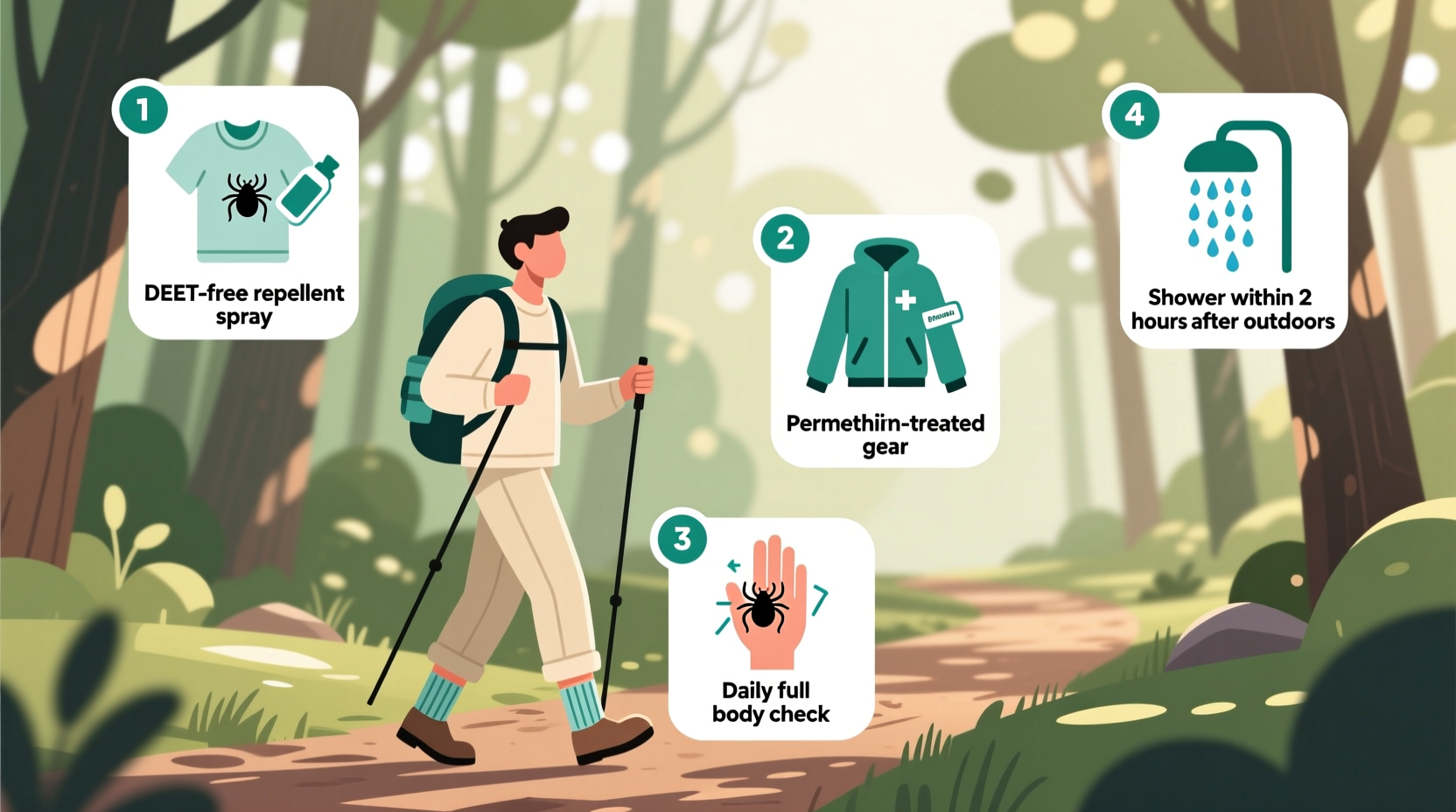
Clothing is your first line of defense. Ticks typically latch on from grass, brush, or wooded areas, climbing onto exposed skin or fabric before making their way upward. Wearing the right attire disrupts this process.
- Wear light-colored clothing: This makes it easier to spot ticks before they attach.
- Tuck pants into socks: This creates a physical barrier, preventing ticks from crawling up your legs.
- Opt for long sleeves and pants: Cover as much skin as possible, especially in high-risk areas like forests, trails, or tall grass.
- Use permethrin-treated clothing: Permethrin is an EPA-approved insecticide that binds tightly to fabric and kills ticks on contact. It remains effective through multiple washes.
Natural and Chemical Repellents Compared
Topical repellents play a key role in personal protection. While DEET has long been the gold standard, many people prefer alternatives due to concerns about skin sensitivity or environmental impact. Here's how common options stack up:
| Repellent | Effectiveness Against Ticks | Duration | Safety Notes |
|---|---|---|---|
| DEET (20–30%) | High | 5–8 hours | Safe for adults and children over 2 months; avoid eyes and mouth. |
| Picaridin (20%) | High | 6–8 hours | Odorless, non-greasy, and less irritating than DEET. |
| Oil of Lemon Eucalyptus (OLE) | Moderate | 4–6 hours | Natural option; not recommended for children under 3. |
| Permethrin (on clothing only) | Very High | Up to 6 weeks or 6 washes | Never apply directly to skin; lethal to ticks on contact. |
| Essential oil blends (e.g., cedar, rosemary) | Low to Moderate | 1–2 hours | Requires frequent reapplication; limited scientific backing. |
“Using a combination of permethrin-treated clothing and a skin-safe repellent like picaridin offers the best balance of safety and effectiveness.” — Dr. Lena Torres, Vector-Borne Disease Specialist, CDC
Step-by-Step Tick Prevention Routine
Preventing tick bites isn’t a one-time action—it’s a cycle of preparation, vigilance, and follow-up. Follow this practical timeline before, during, and after outdoor exposure:
- Before heading out (1 hour prior): Apply tick repellent to exposed skin. Spray or treat clothing with permethrin if not pre-treated.
- During activity: Stay on marked trails. Avoid brushing against tall grass, leaf litter, or shrubs where ticks wait for hosts.
- Upon returning indoors: Remove all clothing and place it in a dryer on high heat for 10 minutes to kill any ticks.
- Perform a full-body tick check: Use a mirror or partner to inspect hard-to-see areas—behind ears, underarms, groin, scalp, and behind knees.
- Shower within two hours: Showering can wash off unattached ticks and provides an ideal opportunity for self-inspection.
- Check gear and pets: Ticks can hitch a ride indoors on backpacks, boots, or pets. Inspect and clean these items thoroughly.
Real-Life Scenario: A Hiker’s Close Call
Mark, an avid weekend hiker in New England, always enjoyed trail runs through shaded woodlands. Last summer, he skipped his usual permethrin spray, thinking the weather was too dry for ticks. Two days after a six-mile loop, he noticed a small bump behind his knee. Upon closer inspection, it was an engorged black-legged tick—likely attached for over 24 hours.
Lucky for Mark, he caught it early enough to remove it cleanly and monitor for symptoms. He developed a mild fever and rash a week later and tested positive for early-stage Lyme disease. After antibiotics, he recovered fully—but the experience changed his habits. Now, he treats all his outdoor gear with permethrin, wears light-colored hiking pants, and performs a post-hike tick check without fail. “I used to think I was invincible,” he says. “Now I know prevention takes five minutes and could save me months of illness.”
Common Myths and Mistakes to Avoid
Misinformation can lead to false confidence. These misconceptions undermine even well-intentioned prevention efforts:
- Myth: Ticks fall from trees. Reality: Ticks don’t fly or jump. They “quest” from low vegetation, latching onto passing hosts at ground level.
- Myth: All repellents work the same. Reality: Many natural sprays offer short-lived protection. Reapplication every 1–2 hours may be needed.
- Myth: If I don’t feel a bite, I’m fine. Reality: Tick bites are usually painless. Regular checks are essential, regardless of sensation.
- Myth: Cold weather kills all ticks. Reality: Some species remain active when temperatures are above freezing, especially in sheltered areas.
Essential Tick Prevention Checklist
Keep this checklist handy for every outdoor adventure:
- ✅ Wear long pants and tuck them into socks
- ✅ Apply EPA-registered repellent (DEET, picaridin, or OLE)
- ✅ Treat clothing and gear with permethrin
- ✅ Stick to the center of trails; avoid overgrown areas
- ✅ Dry clothes on high heat immediately after returning
- ✅ Perform a full-body tick check
- ✅ Shower within two hours of coming indoors
- ✅ Check pets and gear for hitchhiking ticks
- ✅ Keep a tick removal tool (fine-tipped tweezers) in your first-aid kit
Frequently Asked Questions
How soon after a tick bite should I see a doctor?
If you’ve removed a tick and it was attached for more than 24 hours—or if you develop a bullseye rash, fever, fatigue, or joint pain within 30 days—consult a healthcare provider promptly. Early treatment greatly reduces complications.
Can I use regular bug spray for mosquitoes to repel ticks?
Only if the product specifically lists ticks on the label. Not all mosquito repellents are effective against ticks. Look for active ingredients like DEET, picaridin, or IR3535 with proven tick-repelling properties.
Is there a vaccine for Lyme disease?
As of now, there is no widely available human vaccine for Lyme disease in the U.S. A previous vaccine (LYMErix) was discontinued in 2002. However, new candidates are in clinical trials. Prevention remains the most reliable strategy.
Final Thoughts: Make Prevention Effortless
Effective tick protection doesn’t have to be complicated or chemical-heavy. The most successful strategies are those that become second nature—like wearing treated clothing, doing a quick shower check, or keeping a tick removal tool in your backpack. By integrating simple, science-backed habits into your outdoor routine, you reduce risk without sacrificing enjoyment.
The goal isn’t to fear nature, but to engage with it wisely. Whether you're gardening, hiking, or playing with your kids in the backyard, a few proactive steps can keep you and your family safe from tick-borne threats year-round.
💬 Have a tick prevention tip that works for you? Share your experience in the comments and help others stay protected naturally and effectively!








