
Cat spraying—distinct from regular urination—is a territorial behavior where cats mark their environment with strong-smelling urine. While indoor spraying is distressing, outdoor spraying around homes, gardens, and entryways can be equally frustrating. The pungent odor lingers, deters guests, and may signal ongoing conflicts between neighborhood cats. Fortunately, this behavior can be managed effectively without harming animals. By understanding the root causes and applying targeted, humane interventions, homeowners can reclaim their outdoor spaces.
Understanding Why Cats Spray Outside
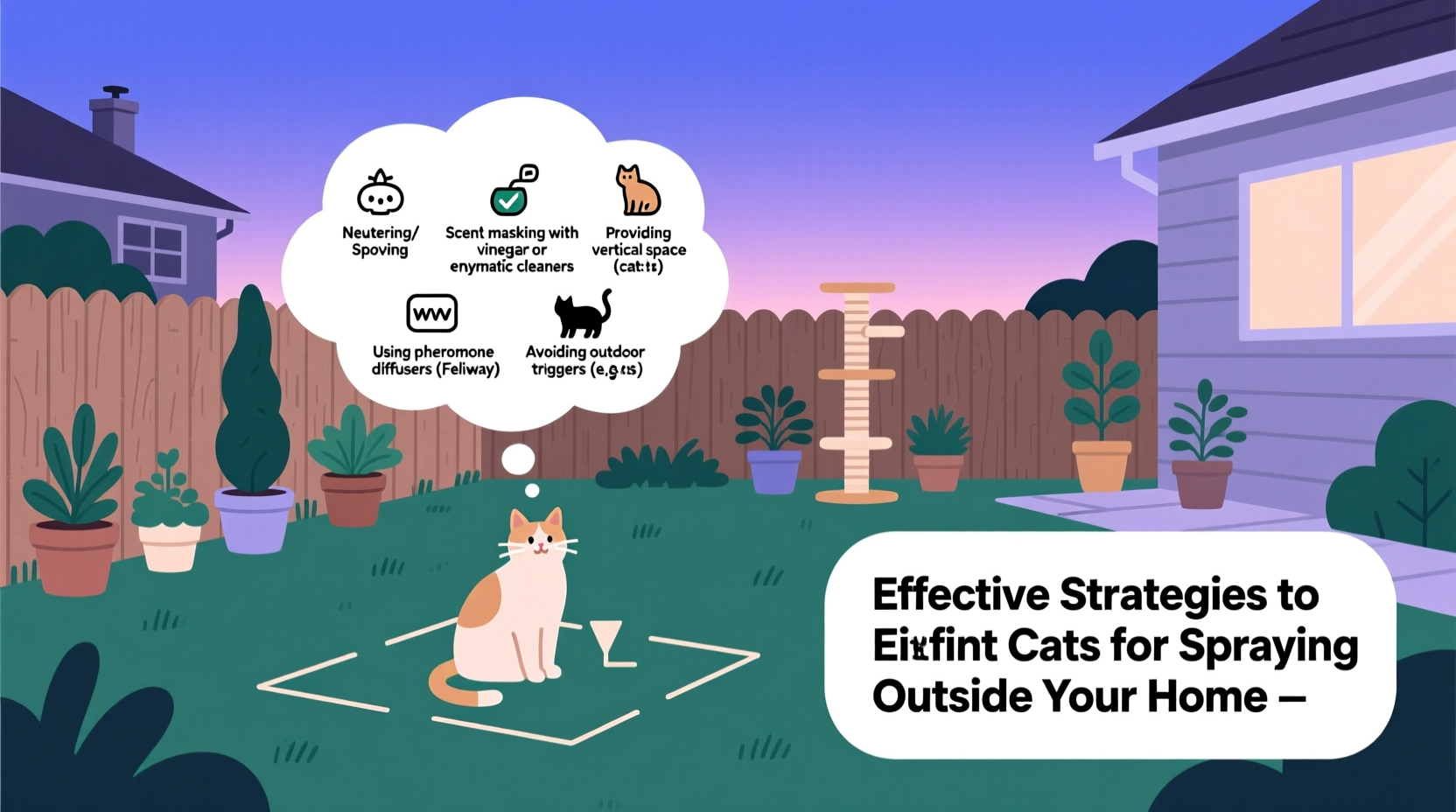
Cats spray to communicate. Unlike inappropriate elimination due to medical or litter box issues, spraying is primarily driven by social and environmental factors. Outdoor spraying typically occurs when cats feel threatened, stressed, or are asserting dominance over a perceived territory. Common triggers include:
- The presence of unneutered male cats in the area
- New pets or people moving nearby
- Changes in landscaping or outdoor furniture placement
- Perceived threats from other animals (stray cats, dogs, wildlife)
- Lack of secure pathways or safe zones for local cats
Stray and feral cats are frequent offenders, but even well-socialized outdoor-access pets may spray near property boundaries. The key to prevention lies not in punishment, but in altering the cat’s motivation to mark.
“Spraying is a form of communication, not defiance. Addressing the underlying cause—usually stress or competition—is essential.” — Dr. Lydia Tong, Feline Behavior Specialist, American College of Veterinary Behaviorists
Proven Deterrent Strategies to Stop Spraying
Effective prevention combines physical, olfactory, and environmental tactics. The most successful approaches make your property less appealing as a marking site while offering alternative routes or zones for cats.
1. Use Scent-Based Repellents
Cats rely heavily on smell and avoid certain scents. Natural repellents are safe for plants, pets, and children while discouraging cats from lingering.
Tip: Reapply citrus peels or essential oil sprays every 2–3 days, especially after rain.Effective scents include:
- Citrus (orange, lemon, grapefruit peels or diluted essential oils)
- Menthol (eucalyptus, peppermint—use sparingly to avoid respiratory irritation)
- Lavender (pleasant to humans, disliked by most cats)
- Commercial cat repellent sprays containing natural plant extracts
Mix 10 drops of citrus essential oil with water and a few drops of dish soap in a spray bottle. Apply to fences, garden edges, and doorframes. Avoid spraying directly on plants.
2. Modify the Environment
Cats prefer quiet, secluded spots for spraying. Disrupting these zones reduces appeal.
| Problem Area | Solution | Effectiveness |
|---|---|---|
| Fence lines | Install angled caps or motion-activated sprinklers | High |
| Garden beds | Use pointy mulch or chicken wire under soil | Medium |
| Door corners | Place plastic carpet runners (nubby side up) | High |
| Shrubs | Trim back dense foliage; add motion-activated lights | Medium |
3. Install Motion-Activated Devices
Devices that startle cats without causing harm are among the most effective long-term solutions. These work by disrupting the cat’s sense of safety.
- Motion-activated sprinklers: Detect movement and release a short burst of water. Brands like ScareCrow or Orbit are weather-resistant and cover up to 1,000 sq ft.
- Ultrasonic deterrents: Emit high-frequency sounds unpleasant to cats but inaudible to humans. Effective within a 20-foot radius.
- Solar-powered flashing lights: Mimic predator eyes at night, deterring nocturnal visitors.
Step-by-Step Guide to Eliminate Spraying Behavior
Follow this 6-week plan to systematically reduce and eliminate outdoor spraying:
- Week 1: Identify Hotspots – Walk your property daily to locate urine marks. Use a blacklight at dusk to detect dried residue.
- Week 2: Clean and Neutralize – Treat existing marks with enzymatic cleaners (e.g., Nature’s Miracle). Avoid ammonia-based products, which mimic urine and attract repeat marking.
- Week 3: Deploy Deterrents – Apply scent repellents and install motion-activated devices at primary hotspots.
- Week 4: Modify Access Points – Block access under decks, sheds, or porches with hardware cloth. Trim tree branches that allow roof access.
- Week 5: Engage the Community – Talk to neighbors about stray cats. Encourage TNR (Trap-Neuter-Return) programs, which significantly reduce spraying.
- Week 6: Monitor and Maintain – Continue deterrent use and reassess effectiveness. Rotate scents monthly to prevent habituation.
Real Example: A Suburban Home Transformed
In Portland, Oregon, homeowner Maria R. struggled with persistent spraying along her cedar fence and front steps. Despite cleaning weekly, the odor returned. After consulting a local animal control officer, she implemented a multi-pronged approach:
- Installed a ScareCrow sprinkler at the rear corner of her yard
- Placed citrus-scented cotton balls in mesh bags along the fence line
- Worked with neighbors to support a TNR initiative for three unneutered strays
Within four weeks, spraying incidents dropped by 80%. By week eight, no new marks appeared. “I didn’t want to hurt any cats,” Maria said. “But I also didn’t want to smell urine every time I opened my front door. This balanced solution worked for everyone.”
Checklist: Prevent Cat Spraying Around Your Home
Action Plan:
- ✅ Identify all spraying hotspots using a blacklight
- ✅ Clean existing stains with an enzymatic cleaner
- ✅ Apply natural scent deterrents (citrus, lavender, etc.)
- ✅ Install motion-activated sprinklers or ultrasonic devices
- ✅ Block access under structures with hardware cloth
- ✅ Encourage neutering of community cats via TNR programs
- ✅ Rotate deterrent types monthly to maintain effectiveness
Frequently Asked Questions
Why do neutered cats still spray outside?
While neutering reduces spraying by up to 90%, some cats continue due to stress, fear, or learned behavior. Environmental changes or conflict with other cats may trigger residual marking, even in altered animals.
Are there legal restrictions on deterring cats?
In most areas, non-harmful deterrents like motion-activated sprinklers or scent repellents are legal. However, trapping or harming cats—even strays—may violate animal cruelty laws. Always check local ordinances before taking action.
Can indoor cats cause outdoor spraying problems?
Yes. Indoor cats with outdoor views may feel threatened by passing strays, leading them to mark near windows or doors. Using opaque window film or closing blinds can reduce stress-induced spraying inside and discourage outdoor rivals from approaching.
Final Thoughts and Call to Action
Preventing cats from spraying outside your home requires patience, observation, and a compassionate approach. The goal isn’t to punish animals, but to create an environment where marking no longer serves a purpose. By combining scent deterrents, smart landscaping, technology, and community cooperation, you can protect your property while respecting animal behavior.
Start today: walk your perimeter, note problem areas, and choose one strategy to implement this week. Small, consistent actions yield lasting results. Share your experience in the comments—your solution might help a neighbor facing the same challenge.
💬 Have a proven method that stopped outdoor spraying? Share your story below and help others find humane, effective solutions!








