
For pet owners who spend long hours away from home, the promise of a device that lets them check in on their dog or cat—and even toss a treat remotely—sounds like modern magic. Pet cameras with treat dispensers have flooded the market over the past few years, marketed as tools for bonding, training, and peace of mind. But behind the sleek designs and smartphone apps lies a critical question: Are these devices genuinely helpful, or are they little more than tech-driven novelties?
The answer isn’t a simple yes or no. The usefulness of a pet camera with a treat dispenser depends heavily on your pet’s personality, your lifestyle, and how realistically you approach the technology. While some pets thrive under the occasional remote interaction, others may barely notice—or even be stressed by—the sudden voice from a box. Let’s look beyond the marketing and assess what these devices can—and cannot—do.
How Pet Cameras with Treat Dispensers Work
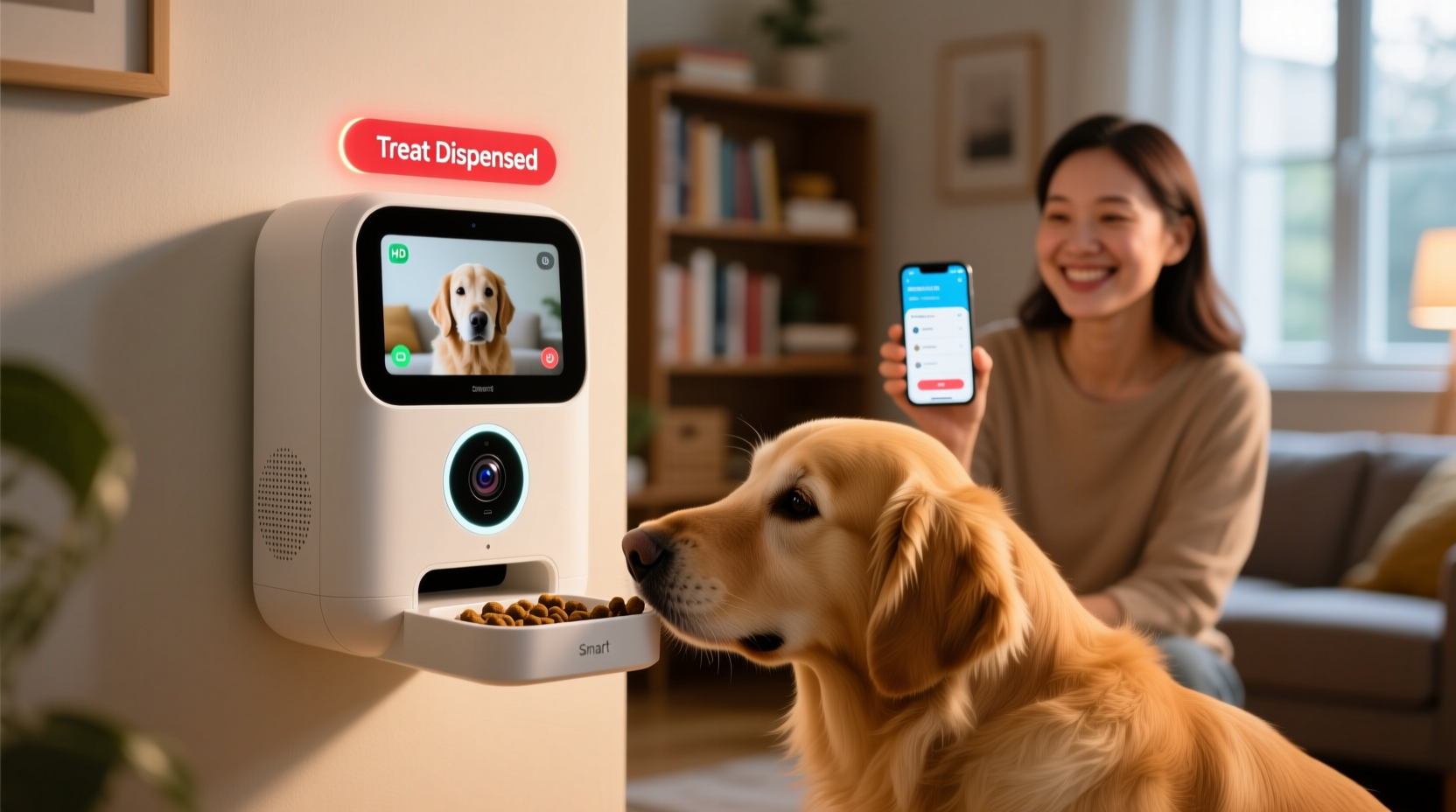
At their core, these devices combine three functions: live video streaming, two-way audio, and automated treat delivery. Most connect to your Wi-Fi network and sync with a mobile app, allowing you to:
- View a real-time feed of your pet from anywhere
- Speak to your pet through a built-in microphone and speaker
- Dispense treats with the tap of a button (or via schedule)
The mechanics vary slightly between models. Some use rotating trays that drop kibble when triggered; others employ auger systems better suited for soft treats. Video quality ranges from 720p to 1080p or even 2K, with night vision and motion detection features common across brands like Furbo, Petcube, and iPet.
While the concept seems straightforward, functionality often meets friction. Delays in treat release, misfires, or clogged mechanisms are not uncommon. And despite high-definition lenses, most units offer a fixed-angle view—limiting visibility unless they include pan-and-tilt capabilities, which tend to increase the price significantly.
Tip: Test your camera’s audio sensitivity before relying on it. Some pets respond only to loud, clear commands, while quieter tones may go unnoticed.Real Benefits: When These Devices Add Value
Despite skepticism, there are legitimate scenarios where a pet camera with treat dispensing delivers measurable benefits.
Behavioral Reinforcement and Training Aid
Dogs trained to perform simple commands like “sit” or “stay” can benefit from intermittent positive reinforcement—even when you’re not home. A well-timed treat dispensed after a correct behavior reinforces learning. For example, if your dog settles quietly on their bed after you leave, triggering a treat remotely rewards calm behavior.
This is particularly effective during separation anxiety training. Instead of returning immediately after departure (which can reinforce dependency), owners can reward calmness from a distance, helping reshape the emotional response to being alone.
Monitoring Health and Behavior Changes
A consistent video feed allows owners to detect subtle shifts in routine. Is your dog pacing excessively? Limping? Refusing food? These signs might go unnoticed without visual monitoring. Early detection of lethargy, vomiting, or unusual aggression can prompt faster vet visits and potentially prevent serious complications.
Cats, too, benefit from observation. A normally active cat hiding in corners or avoiding the litter box may signal illness. Remote viewing helps catch these changes early, especially for elderly or chronically ill pets.
Emotional Connection for Long-Distance Owners
For people working late, traveling, or living apart from their pets temporarily, being able to say hello—even if just once a day—can strengthen the human-animal bond. Some pets clearly recognize their owner’s voice and react excitedly to screen appearances, tail wags, or meows echoing through the speaker.
“Remote interaction won’t replace physical presence, but it can serve as an emotional bridge during unavoidable absences.” — Dr. Lena Reyes, Veterinary Behavioral Specialist
Limitations and Common Pitfalls
Despite their appeal, pet cameras with treat dispensers come with notable drawbacks that often undermine their practicality.
Treats Aren’t Always Motivating
Not all pets are food-motivated. Cats, in particular, may ignore treats entirely unless they’re highly palatable or delivered at mealtime. Even dogs can lose interest if treats are low-quality or inconsistently dispensed.
Moreover, automatic dispensing lacks context. A treat dropped mid-bark doesn’t teach quiet behavior—it may accidentally reward noise if the pet associates sound with food.
Technical Glitches Undermine Reliability
Connection drops, app crashes, delayed responses—these issues plague even premium models. One user reported waiting 15 seconds between pressing “dispense” and actual treat release, by which time the behavioral moment had passed. Others describe motors jamming after a few weeks due to humidity or crumb buildup.
False Sense of Security
Owners may assume that because they can see their pet, everything must be fine. But cameras don’t capture smells, temperature, or sounds outside their range. A pet choking silently, overheating, or suffering a seizure in a blind spot may go undetected until it’s too late.
Overuse Can Create Dependency
Frequent treat dispensing can lead to weight gain, especially in less active pets. More subtly, constant verbal check-ins may prevent pets from learning to self-soothe. Just like children, animals need opportunities to develop independence. If every whimper brings instant attention, they may become more anxious when truly alone.
Tip: Limit treat dispensing to 1–2 times per day unless used for structured training. Use verbal praise without treats to avoid reinforcing attention-seeking.Are They Worth the Investment? A Comparative Analysis
To determine value, consider cost versus utility. Most quality pet cameras with treat dispensers range from $120 to $250, with ongoing costs including replacement parts, premium cloud storage ($3–$10/month), and treats.
| Feature | Useful For | Limited Use For |
|---|---|---|
| Live Video Feed | Monitoring health, detecting emergencies | Pets that stay out of frame or hide |
| Two-Way Audio | Calm reassurance, recall training | Noisy environments, deaf or unresponsive pets |
| Treat Dispensing | Food-motivated pets, scheduled rewards | Picky eaters, non-food learners |
| Motion Alerts | Catching unusual activity | Over-sensitive triggers (e.g., shadows) |
| Scheduling Features | Portion control, routine building | Irregular treat needs |
Compare this to alternatives: a standard pet camera (without treat dispensing) costs $50–$100 and provides nearly all monitoring benefits. A timed feeder handles scheduled meals reliably. A dog walker with check-in photos offers real-world interaction. In many cases, combining lower-cost tools achieves similar outcomes without the complexity.
Mini Case Study: The Smith Family and Their Rescue Dog
The Smiths adopted Max, a three-year-old border collie mix prone to barking and chewing when left alone. Hoping to ease his separation anxiety, they purchased a top-tier pet camera with treat dispensing.
Initially, Max responded well. Seeing his owners on screen and receiving a treat when calm helped reduce destructive behavior. The family used the camera to deliver praise after Max settled on his mat. Over six weeks, his solo time improved significantly.
But problems emerged. The treat mechanism jammed twice due to moist chew treats. On vacation, spotty Wi-Fi prevented interaction altogether. Eventually, the Smiths realized Max responded best to predictable routines—not random treats. They disabled automatic dispensing and used the camera purely for monitoring. Today, they keep it on as a passive observer, intervening only when necessary.
Their takeaway? The device was helpful in transition—but not essential long-term.
Smart Buying Checklist: What to Look For
If you’re considering a pet camera with treat dispenser, use this checklist to make a practical choice:
- Assess your pet’s motivation: Is your pet driven by food, attention, or neither?
- Check compatibility: Does it work with dry kibble, soft treats, or both?
- Verify reliability: Read reviews focused on mechanical durability, not just video quality.
- Test latency: How fast is the treat release after command? Under 3 seconds is ideal.
- Evaluate field of view: Wide-angle or pan-tilt ensures better coverage.
- Review data privacy: Does the brand encrypt video feeds? Avoid devices with known security flaws.
- Consider alternatives: Could a regular camera + scheduled feeder meet your needs cheaper?
FAQ: Common Questions Answered
Can a pet camera with treat dispenser stop my dog from barking?
It might help in some cases, but only if the barking is attention-seeking and your dog is food-motivated. However, if barking stems from fear, boredom, or territorial instincts, a remote treat is unlikely to resolve the root cause. Behavior modification and environmental enrichment are more effective long-term solutions.
Are these devices safe for cats?
Generally, yes—but with caveats. Cats are less likely to respond to treats on command, and some may be startled by sudden noises or movements. Place the device where it won’t startle your cat, and avoid frequent dispensing. Monitor reactions closely during the first few uses.
Do vets recommend pet cameras with treat dispensers?
Most veterinarians remain neutral. They acknowledge the monitoring benefits but caution against over-reliance. As Dr. Reyes notes, “The best tool for pet well-being is still consistent routine, proper exercise, and direct care. Technology should support those, not substitute them.”
Conclusion: A Tool, Not a Solution
Pet cameras with treat dispensers occupy a gray zone between innovation and indulgence. For certain pets and owners—particularly those in training phases or managing mild separation issues—they can provide meaningful support. The ability to monitor, interact, and reward remotely adds a layer of connection that wasn’t possible a decade ago.
Yet they are not universal solutions. Technical flaws, inconsistent pet responses, and the risk of emotional dependency limit their effectiveness. At their worst, they become expensive paperweights collecting dust on a shelf. At their best, they’re transitional aids—helpful during specific challenges but eventually phased out as routines stabilize.
The key is intentionality. Buy one not because it’s trendy, but because it solves a specific problem in your pet’s life. Use it wisely, monitor its impact, and be ready to move on when it’s no longer needed. Technology should enhance pet care, not define it.
🚀 Ready to make an informed decision? Evaluate your pet’s needs honestly, compare features critically, and remember: the most powerful tool you have is still your presence, patience, and understanding. Share your experience below—have treat-dispensing cameras helped your pet, or were they more hype than help?








