
Selecting the right dog bowl goes far beyond aesthetics or convenience—it directly impacts your pet’s long-term health, eating habits, and overall well-being. With a wide variety of materials on the market, including stainless steel, ceramic, plastic, and silicone, making an informed decision is essential. The wrong choice can lead to bacterial buildup, allergic reactions, or even physical discomfort during meals. Understanding the pros, cons, and hidden risks of each material ensures your dog eats safely and comfortably every day.
Why Dog Bowl Material Matters More Than You Think
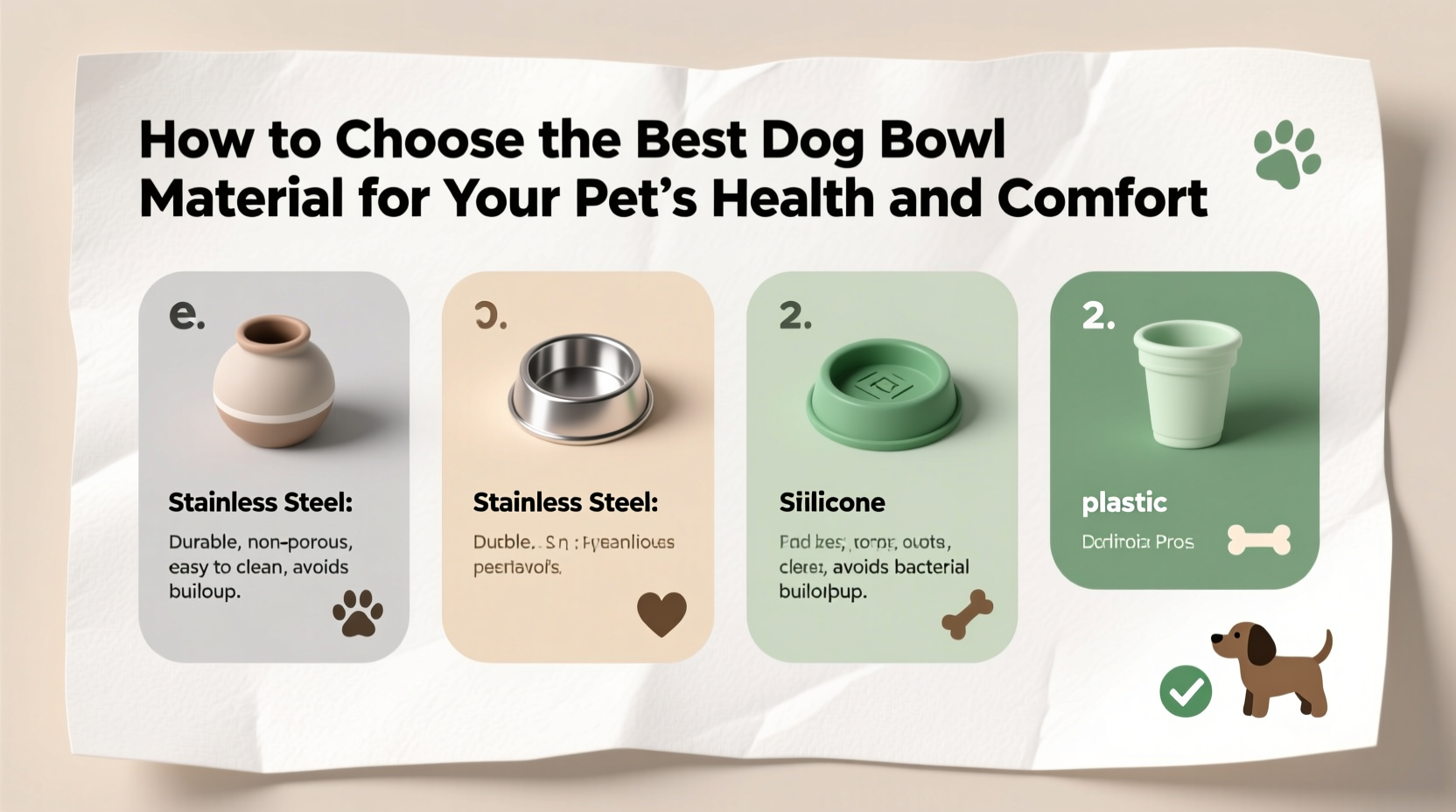
The surface your dog eats from isn’t just about durability or style—it plays a crucial role in hygiene, digestion, and skin health. Dogs spend years using the same bowl, often multiple times a day. Over time, scratches, odors, and microbial growth can develop depending on the material. Some bowls may leach harmful chemicals, while others contribute to conditions like “chin acne” or fungal infections due to porous surfaces.
Veterinarians and pet nutritionists emphasize that a clean, non-toxic feeding surface supports better oral health and reduces the risk of gastrointestinal issues. For dogs with allergies, sensitivities, or flat faces (like Bulldogs or Pugs), the right bowl can prevent irritation and improve mealtime ergonomics.
Tip: Replace scratched or discolored bowls immediately—bacteria can thrive in microscopic grooves.Comparing Common Dog Bowl Materials
Each material has distinct advantages and drawbacks. Here’s a detailed comparison to help you evaluate based on safety, ease of cleaning, durability, and suitability for different dog types.
| Material | Safety | Hygiene | Durability | Best For |
|---|---|---|---|---|
| Stainless Steel | High – non-reactive, no chemical leaching | Excellent – smooth, non-porous, dishwasher-safe | Very high – resistant to dents and chewing | All dogs, especially those with allergies or heavy chewers |
| Ceramic | Moderate – safe if lead-free and glazed properly | Good – non-porous when intact, but chips harbor bacteria | Moderate – can crack or break if dropped | Dogs who knock over bowls; stylish homes |
| Plastic | Low – can leach chemicals, prone to scratching | Poor – scratches trap bacteria and odors | Low – degrades quickly with use | Temporary or travel use only |
| Silicone | High – food-grade versions are safe | Good – flexible and easy to clean | Moderate – punctures possible with aggressive chewers | Puppies, travel, collapsible needs |
Key Factors to Consider When Choosing a Bowl
Beyond material, several factors influence whether a bowl supports your dog’s health and comfort:
- Size and Breed: Large breeds need deeper, wider bowls to avoid strain. Small dogs benefit from shallow dishes to prevent whisker fatigue.
- Eating Habits: Fast eaters may benefit from slow-feed bowls, which are safest in stainless steel or ceramic.
- Allergies or Skin Sensitivities: Plastic bowls are linked to contact dermatitis and chin acne in dogs. Switching to stainless steel often resolves these issues.
- Mobility and Age: Senior dogs or those with arthritis may need elevated feeders—ensure the base material is stable and non-slip.
- Home Environment: Households with young children or other pets should prioritize unbreakable, tip-resistant options.
“Many cases of chronic skin irritation around the mouth are actually caused by bacterial biofilm in scratched plastic bowls. Switching to stainless steel can be a simple, effective fix.” — Dr. Lena Patel, DVM, Veterinary Dermatology Specialist
Step-by-Step Guide to Selecting the Right Bowl
- Assess your dog’s breed and size. Measure their shoulder height to determine ideal bowl elevation.
- Check for sensitivities. If your dog has recurring chin bumps or bad breath, avoid plastic.
- Decide on placement. Will the bowl stay indoors, outdoors, or move between locations?
- Choose material based on priority: Hygiene? Go stainless steel. Portability? Try silicone. Aesthetics? Lead-free ceramic.
- Inspect construction quality. Look for reinforced bases, non-slip bottoms, and food-grade certification.
- Test and observe. Monitor your dog’s eating behavior and bowl condition over two weeks.
- Replace when needed. Even durable bowls degrade—replace at first sign of cracks, warping, or staining.
Real-Life Example: Resolving Chin Acne in a Bulldog
Max, a 3-year-old English Bulldog, had persistent red bumps on his chin despite regular cleaning and vet-prescribed ointments. His owner, Sarah, switched shampoos and diets with no improvement. After consulting a veterinary dermatologist, she learned Max’s plastic bowl was harboring bacteria in tiny scratches, irritating his sensitive skin. She replaced it with a stainless steel bowl with a non-slip base. Within three weeks, the bumps cleared up completely. Sarah now cleans the bowl daily and replaces it annually as a preventive measure.
Tip: Elevate bowls for large or deep-chested dogs to reduce strain on the neck and aid digestion.Essential Checklist Before Buying a Dog Bowl
- ✅ Is the material non-toxic and free from BPA, phthalates, and lead?
- ✅ Is the surface smooth and non-porous to prevent bacterial growth?
- ✅ Can it go in the dishwasher for thorough sanitization?
- ✅ Is the base weighted or rubberized to prevent sliding?
- ✅ Is the size appropriate for my dog’s jaw and eating speed?
- ✅ Does it resist tipping, especially for energetic eaters?
- ✅ Is it easy to dry completely after washing to prevent mold?
Frequently Asked Questions
Can I use a human metal bowl for my dog?
Yes, if it’s made of food-grade stainless steel and is appropriately sized. However, dog-specific bowls often have non-slip bases and ergonomic designs tailored to canine anatomy.
Are raised dog bowls better for all dogs?
Not necessarily. While elevated feeders can help large or giant breeds reduce neck strain, they may increase the risk of bloat in deep-chested dogs like Great Danes or Boxers. Consult your vet before using one.
How often should I replace my dog’s bowl?
Plastic bowls should be replaced every 3–6 months. Stainless steel and ceramic can last years if undamaged. Inspect monthly for wear, and replace immediately if cracked, chipped, or heavily scratched.
Final Recommendations for Long-Term Pet Health
The best dog bowl material balances safety, hygiene, and practicality. For most dogs, **stainless steel** stands out as the top choice—durable, non-reactive, and easy to sanitize. It’s especially recommended for dogs with allergies, skin issues, or strong chewing tendencies. High-quality **ceramic** bowls are a good alternative if you prioritize aesthetics, provided they’re certified lead-free and handled carefully. **Silicone** offers excellent portability for travel or puppies still learning to eat. **Plastic**, while cheap and lightweight, poses significant health risks over time and should be avoided for daily use.
Your dog’s bowl is more than a dish—it’s part of their daily health routine. By choosing wisely, you reduce exposure to toxins, prevent infections, and support comfortable, stress-free mealtimes.
💬 Have you switched bowl materials and noticed a change in your dog’s health or behavior? Share your experience in the comments to help fellow pet owners make safer choices.








