Cats are naturally fastidious animals, often spending hours grooming themselves to stay clean. However, even the most meticulous feline relies on their human caregivers to maintain a hygienic and cozy resting space. A cat’s nest—whether it’s a plush bed, a window perch, or a favorite blanket in a quiet corner—is more than just a sleeping spot. It’s a sanctuary where they rest, recharge, and feel safe. Over time, fur, dander, dirt, and bacteria can accumulate, leading to odors, allergens, and even skin issues. Keeping this space clean isn’t just about aesthetics; it directly impacts your cat’s comfort, hygiene, and overall well-being.
Choose the Right Nest Location and Design
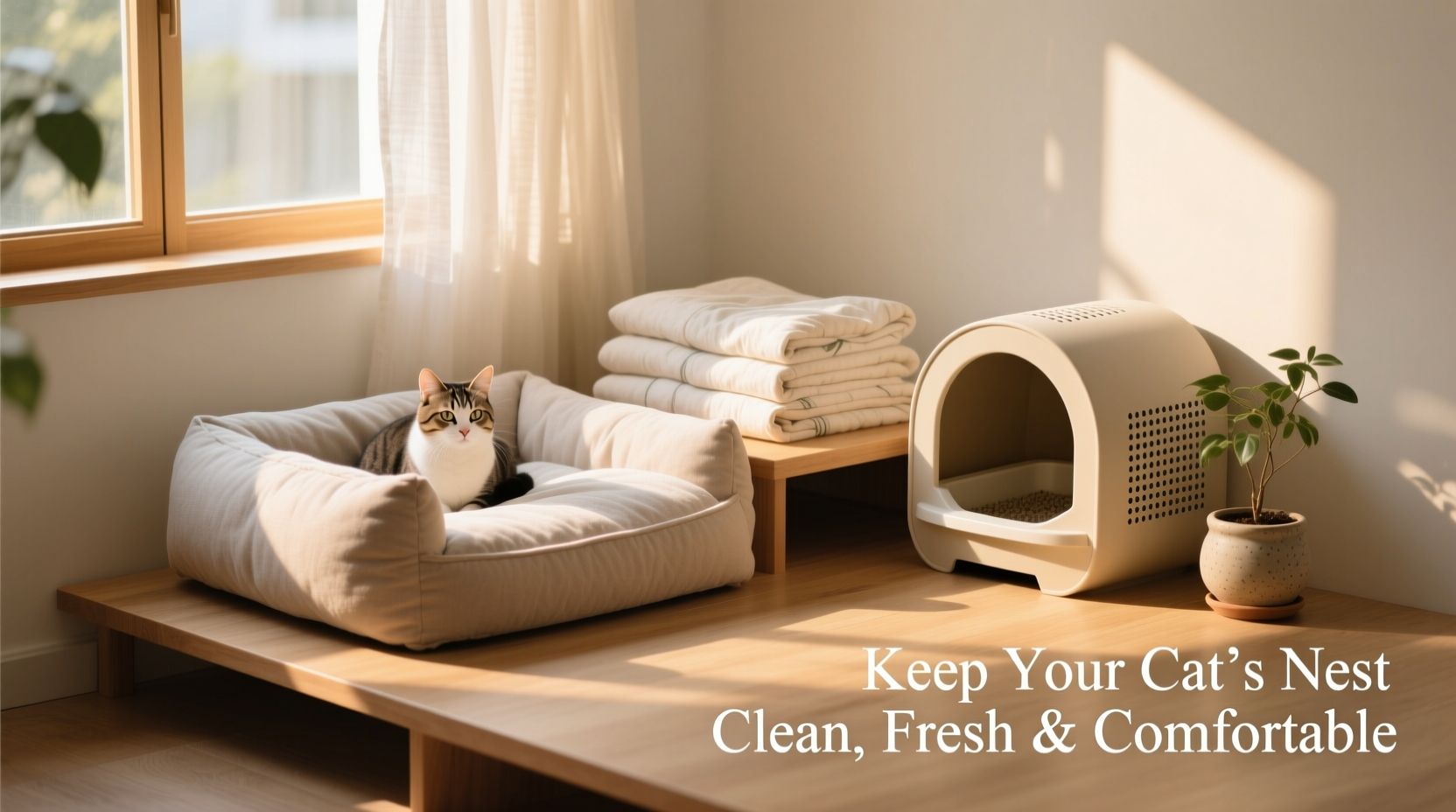
The foundation of a clean and comfortable cat nest begins with smart placement and thoughtful design. Cats prefer quiet, elevated areas with a clear view of their surroundings—this gives them a sense of security. Avoid placing nests near noisy appliances, high-traffic zones, or damp basements.
When selecting a cat bed or nesting area, prioritize materials that are easy to clean and resistant to odor retention. Removable, machine-washable covers are ideal. Avoid beds with excessive stuffing or deep crevices where hair and debris can collect. Open designs with firm yet soft padding support joint health, especially in older cats.
Tip: Place your cat’s nest in a warm, draft-free zone away from direct sunlight to prevent overheating and fading of fabric.Daily Maintenance Habits for Long-Term Freshness
Maintaining a clean cat nest doesn’t require deep cleaning every day, but consistent light care prevents buildup. Here’s what to do daily:
- Fluff and shake out bedding: Remove loose fur and flatten any clumps in the padding.
- Vacuum the surface: Use a handheld vacuum or upholstery attachment to lift fur and dust.
- Spot-clean spills or stains: If your cat has an accident, blot immediately with a clean cloth and use an enzyme-based cleaner.
- Check for wear and tear: Look for frayed edges or exposed stuffing that could pose a choking hazard.
These small actions add up. Regular attention reduces the frequency of full washes and extends the life of the nest.
Weekly Deep-Cleaning Routine
A structured weekly cleaning schedule ensures freshness without overwhelming your routine. Follow this step-by-step guide:
- Remove all removable covers and linings. Check care labels before washing.
- Wash on gentle cycle using unscented, hypoallergenic detergent. Avoid fabric softeners—they can irritate sensitive paws.
- Tumble dry on low heat or air-dry completely to prevent shrinkage and mildew.
- Wipe down the base or frame of the nest with a damp cloth and pet-safe disinfectant.
- Deodorize naturally by sprinkling baking soda before vacuuming, or place a sachet of dried lavender (cat-safe in moderation) nearby.
- Reassemble only when fully dry to prevent mold and musty smells.
“Cats are highly sensitive to scents. Strong perfumes or chemical residues in bedding can deter them from using their nest.” — Dr. Lena Torres, Feline Behavior Specialist
Do’s and Don’ts of Cat Nest Care
| Do’s | Don’ts |
|---|---|
| Use enzyme-based cleaners for organic stains | Use ammonia-based cleaners (smells like urine to cats) |
| Rotate between two nests to allow thorough drying | Leave wet bedding unattended |
| Opt for natural fibers like cotton or bamboo | Use synthetic, non-breathable materials |
| Inspect for fleas or mites monthly | Ignore signs of excessive scratching or avoidance |
| Introduce new bedding gradually | Suddenly replace familiar nests without transition |
Real-Life Example: Reviving Luna’s Favorite Corner
Luna, a 7-year-old domestic shorthair, had stopped using her favorite padded window bed. Her owner noticed she was sleeping under the couch instead. Upon inspection, the bed had compressed padding, a faint ammonia smell, and embedded fur despite occasional surface cleaning. The owner followed a revival plan: disassembled the bed, washed the cover twice (first wash removed surface grime, second eliminated odor), replaced the inner cushion with a memory foam insert, and added a breathable cotton liner. Within days, Luna returned to her sunny perch, curling up tightly as she once did. This case shows how neglected nests lose appeal—even if they look “okay” at a glance.
Tip: Rotate multiple nests weekly so each gets adequate rest and airing time—cats often appreciate having choices.Frequently Asked Questions
How often should I replace my cat’s nest?
With proper care, a high-quality cat bed lasts 1–2 years. Replace it if the padding no longer springs back, the fabric is frayed, or odors persist after washing. Older cats may benefit from more frequent updates for joint support.
Can I use baking soda to deodorize my cat’s bed?
Yes, but sparingly. Sprinkle a light layer on the surface or inside the cover before washing, then vacuum thoroughly. Never leave baking soda residue, as it can irritate paws or be ingested during grooming.
My cat refuses to use a clean bed. What should I do?
Cats rely on scent for security. Try placing a recently worn piece of clothing near the clean bed to transfer your scent, or rub a cheek-scented cloth (from your cat’s facial glands) on the fabric. Avoid forcing the issue—gradual re-introduction works best.
Seasonal Adjustments for Optimal Comfort
Your cat’s nesting needs change with the seasons. In winter, add extra fleece or thermal liners for warmth. In summer, switch to cooling gel pads or breathable mesh fabrics. Humidity increases the risk of mold, so ensure nests in basements or bathrooms are cleaned more frequently. During shedding seasons (spring and fall), increase brushing and vacuuming to reduce fur accumulation in bedding.
Consider having seasonal nests: a warmer, enclosed bed for winter and an open, minimalist pad for summer. This not only improves comfort but simplifies cleaning by allowing deeper maintenance when one nest is rotated out of use.
Tip: Freeze plush toys or small cushions for 30 minutes before placing them in the nest to provide instant cooling relief in hot weather.Final Checklist: Keep Your Cat’s Nest Clean and Inviting
- Place the nest in a quiet, secure location.
- Choose machine-washable, hypoallergenic materials.
- Shake and vacuum the nest daily.
- Wash bedding weekly with pet-safe detergent.
- Inspect for damage, pests, or odors monthly.
- Replace padding or entire nest every 12–18 months.
- Rotate between multiple nests to extend lifespan.
- Use natural deodorizers like baking soda or activated charcoal.
- Monitor your cat’s behavior for signs of discomfort or avoidance.
- Adjust bedding seasonally for temperature and comfort.
Conclusion: A Clean Nest Equals a Happy Cat
A cat’s nest is more than a piece of furniture—it’s a vital part of their emotional and physical environment. By integrating simple, consistent care habits, you create a space that supports relaxation, cleanliness, and long-term health. From choosing the right materials to establishing a realistic cleaning rhythm, every action contributes to your cat’s quality of life. Don’t wait until odors or stains appear. Start today with a quick vacuum and a plan for weekly upkeep. Your cat may not say thank you in words, but their peaceful naps and content purrs will speak volumes.
💬 What’s your go-to method for keeping your cat’s nest fresh? Share your tips and experiences in the comments below!








