Birds are intelligent, sensitive creatures that thrive in clean, safe environments. Unlike outdoor birds who can naturally avoid waste buildup, pet birds depend entirely on their owners to maintain hygiene. A neglected cage becomes a breeding ground for bacteria, fungi, and parasites—threatening respiratory health, feather condition, and overall vitality. Regular and thorough cleaning isn’t just about appearances; it’s a fundamental part of avian care. This guide provides a comprehensive, practical approach to maintaining a spotless habitat, with clear routines, expert insights, and real-world examples to help you protect your bird’s well-being.
Daily Maintenance: The Foundation of Avian Health
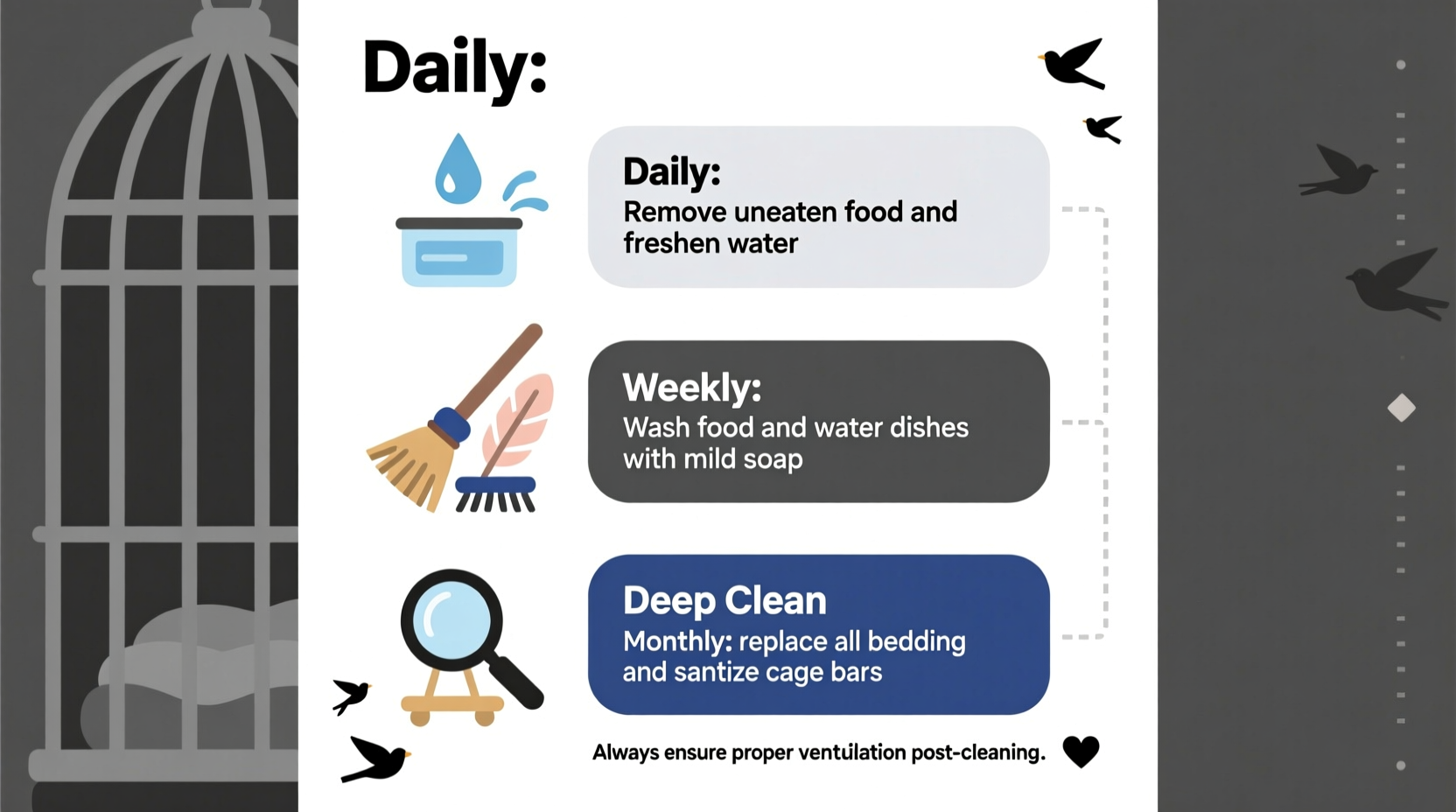
Even the most diligent weekly deep cleans won’t compensate for daily neglect. Food spoilage, water contamination, and droppings accumulation happen quickly and can lead to illness within days. Daily tasks are simple but non-negotiable for long-term bird health.
- Replace food and water dishes with fresh supplies every morning.
- Remove any uneaten perishable foods (fruits, vegetables, cooked grains) after 4–6 hours.
- Wipe down perches near feeding zones if visibly soiled.
- Check for feathers, molted skin, or debris caught in grates or corners.
- Inspect toys for damage or fraying that could pose choking hazards.
Consistency here prevents mold growth and discourages pests like fruit flies. It also allows you to monitor your bird’s eating habits daily, which is crucial for early detection of illness.
Weekly Deep Clean: Eliminating Hidden Hazards
A weekly deep clean targets areas often overlooked during daily upkeep. This routine removes built-up grime, disinfects surfaces, and resets the entire environment. Skipping this step risks chronic exposure to pathogens such as *E. coli*, *Salmonella*, and *Aspergillus* spores, all commonly found in unclean cages.
- Remove your bird safely to another room or play gym.
- Take out all accessories: perches, toys, food bowls, and tray liners.
- Vacuum or wipe down the exterior of the cage to remove dust and dander.
- Scrub the tray liner or bottom grate with warm, soapy water. For stubborn stains, use a paste of baking soda and water.
- Wash removable parts in a sink using mild dish soap—never harsh detergents.
- Rinse thoroughly to eliminate soap residue, which can irritate birds’ respiratory systems.
- Disinfect using a bird-safe solution (see table below).
- Allow all components to air-dry completely before reassembling.
Bird-Safe Disinfectants Compared
| Product | Dilution Ratio | Contact Time | Notes |
|---|---|---|---|
| Vinegar & Water (50/50) | 1:1 | 15 minutes | Natural, non-toxic; effective against mild bacteria and odor |
| F10SC Veterinary Disinfectant | 1:250 | 10 minutes | Hospital-grade, safe when rinsed; widely trusted by avian vets |
| Diluted Bleach | 1:32 (1 oz per quart) | 5 minutes | Must be rinsed thoroughly; ventilate well during use |
| Hydrogen Peroxide (3%) | Undiluted | 10 minutes | Breaks down into water and oxygen; good for spot cleaning |
“Birds have extremely sensitive respiratory tracts. Even trace amounts of ammonia from droppings can cause chronic sinus issues. Weekly disinfection is not optional—it’s preventive medicine.” — Dr. Laura Duncan, DVM, Avian SpecialistTip: Label cleaning supplies used only for bird care to prevent accidental misuse with toxic household cleaners.
Monthly Reset: Preventing Long-Term Buildup
Monthly cleaning goes beyond routine maintenance. It involves inspecting structural integrity, replacing worn items, and addressing hard-to-reach areas where bacteria hide. Over time, grease from seeds, saliva on toys, and mineral deposits from water bottles accumulate in ways daily wiping can't resolve.
Monthly Checklist
- Inspect cage bars and joints for rust, chipped paint, or warping.
- Soak plastic and metal toys in a vinegar-water solution for 30 minutes, then scrub gently.
- Replace wooden perches if cracked, splintered, or deeply stained.
- Clean seed guards and feeder openings with a small brush.
- Wipe down the ceiling and sides of the cage interior with a microfiber cloth.
- Check wheels on mobile stands for smooth movement and cleanliness.
- Rotate toys and perches to different positions to stimulate mental health and reduce wear patterns.
This level of attention extends the life of the cage and reduces disease vectors. Birds often chew on bars or hang upside down near the top of the cage—areas that must remain free of contaminants.
Real Example: How One Owner Prevented Illness Through Routine
Sarah, a parakeet owner in Portland, noticed her bird, Pip, was fluffing up more than usual and eating less. She hadn’t changed his diet, but she had skipped two weeks of deep cleaning due to travel. After consulting her vet, she learned Pip had a mild bacterial infection likely caused by prolonged exposure to damp bedding and old food remnants.
She implemented a strict schedule: fresh water and food daily, weekly scrub-downs with F10SC, and monthly perch rotation. Within ten days, Pip regained energy and resumed singing. Sarah now keeps a cleaning log on her fridge and sets phone reminders. “I realized cleaning wasn’t just chores,” she said. “It’s how I show Pip I love him.”
Seasonal and Emergency Cleaning Scenarios
While daily, weekly, and monthly routines form the backbone of hygiene, unexpected situations demand immediate action:
- After illness: Fully disinfect the cage and all accessories—even those not directly contaminated.
- Vomiting or diarrhea: Remove soiled materials immediately and sanitize affected zones.
- Summer humidity: Increase frequency of tray changes to prevent mold.
- Winter dryness: Monitor for increased dander and clean cage walls more often.
In addition, seasonal deep audits help. Every three months, consider:
- Replacing cage liners with fresh, absorbent paper (avoid newspapers with toxic ink).
- Deep-cleaning the area around the cage—floors, nearby furniture, and air filters.
- Reviewing ventilation: Is the cage in a draft-free but well-airflow location?
Do’s and Don’ts of Bird Cage Cleaning
| Do’s | Don’ts |
|---|---|
| Use gloves to protect your hands from bacteria. | Use scented cleaners or air fresheners near the cage. |
| Allow all parts to dry completely before reassembly. | Leave wet trays or damp linens in the cage. |
| Label cleaning tools exclusively for bird use. | Use kitchen sponges or shared scrubbers. |
| Disinfect at least once a week. | Assume visual cleanliness means sterility. |
| Wear a mask if you’re sensitive to dust or dander. | Overuse bleach without proper rinsing. |
FAQ: Common Questions About Bird Cage Hygiene
How do I know if my cleaning routine is effective?
You’ll notice fewer odors, less dust accumulation, and consistent bird behavior. A healthy bird is active, eats well, preens regularly, and has clear eyes and nostrils. If you’re frequently treating infections or noticing lethargy, reassess your sanitation practices.
Can I clean the cage while my bird is inside?
Limited spot cleaning is acceptable—such as changing water or removing fresh droppings—but full cleaning should never be done with the bird present. Fumes from disinfectants, even natural ones like vinegar, can irritate their lungs. Always relocate your bird to a safe, quiet space during deep cleaning.
Are cage liners better than newspaper?
Unprinted paper towels, craft paper, or commercial bird-safe liners are preferable. Traditional newspapers may contain volatile inks and recycled materials with unknown contaminants. Liners also make monitoring droppings easier—color, consistency, and volume are key health indicators.
Final Checklist: Your Complete Bird Cage Cleaning Protocol
Bird Cage Cleaning Checklist- ✅ Daily: Refresh food/water, remove spoiled items, wipe feeding zones.
- ✅ Weekly: Remove all accessories, scrub tray, disinfect with bird-safe solution, rinse, dry, reassemble.
- ✅ Monthly: Inspect structure, deep-clean toys, replace damaged perches, rotate enrichment items.
- ✅ As Needed: Respond immediately to illness, messes, or environmental changes.
- ✅ Every 3 Months: Audit surrounding area, replace liners, check ventilation, review cleaning logs.
This checklist ensures no aspect of hygiene is overlooked. Print it, laminate it, and keep it near your bird’s habitat for easy reference.
Conclusion: Cleanliness Is an Act of Love
Caring for a bird is a long-term commitment that extends far beyond feeding and playtime. Their fragile physiology makes them vulnerable to environmental hazards most mammals can tolerate. A pristine cage isn’t a luxury—it’s a necessity. By following a structured cleaning regimen, you’re not just maintaining a tidy home; you’re actively preventing disease, supporting mental stimulation, and honoring the trust your bird places in you.
Start today. Set calendar alerts, gather bird-safe supplies, and commit to consistency. Your feathered companion relies on you for survival. With this checklist in hand, you’re fully equipped to provide a safer, healthier, and happier life for your beloved bird.
💬 Have a tip or routine that works for your bird? Share your experience in the comments and help fellow bird owners create cleaner, safer homes for their pets!








