When a cat that once used the litter box reliably begins eliminating outside of it, owners often react with frustration or confusion. However, sudden litter box avoidance is rarely about spite—it’s a signal. Cats are fastidious creatures, and when they stop using their designated bathroom area, it’s usually due to medical issues, environmental stressors, or changes in routine. Understanding the root cause is essential for restoring harmony in your home and ensuring your cat's well-being.
This article explores the most common reasons behind litter box avoidance, highlights key behavioral cues to watch for, and provides practical, veterinarian-backed strategies to resolve the issue effectively and humanely.
Understanding the Root Causes: Medical vs. Behavioral Triggers
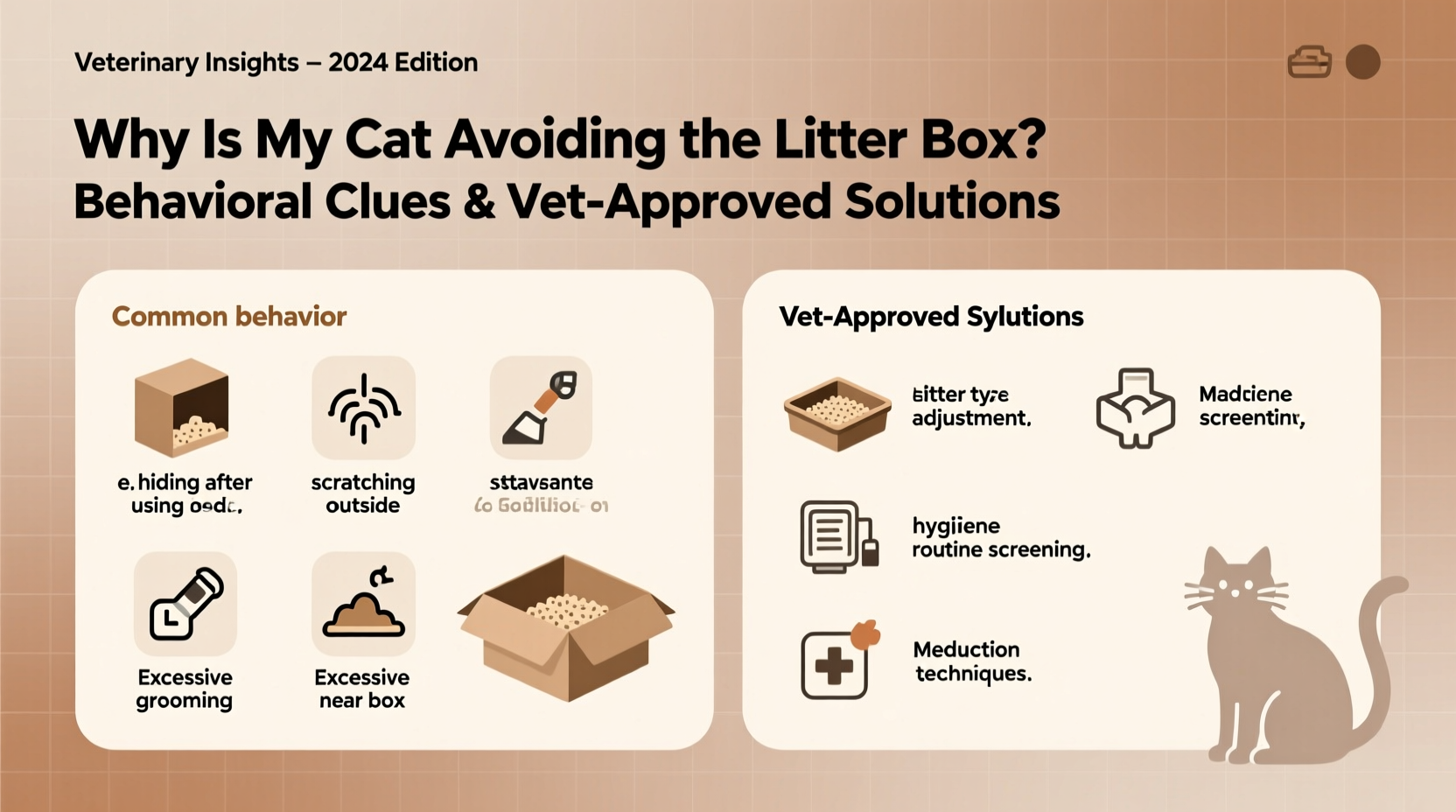
Litter box problems fall into two broad categories: medical and behavioral. Before attempting any training or environmental fixes, rule out health concerns. A cat in pain or discomfort may associate the litter box with negative experiences, leading to avoidance.
Common medical causes include:
- Urinary tract infections (UTIs)
- Feline interstitial cystitis (a stress-related bladder condition)
- Kidney disease
- Constipation or gastrointestinal pain
- Arthritis, especially in older cats, making it painful to climb into a high-sided box
- Diabetes or hyperthyroidism, which increase urination frequency
Dr. Sarah Wooten, DVM, CVJ, explains:
“Any abrupt change in elimination behavior should prompt a veterinary visit. We see too many cases where owners assume it’s behavioral, only to discover a painful UTI or early kidney disease.”
If your cat vocalizes while urinating, strains, produces small amounts of urine, or shows signs of lethargy or appetite loss, seek veterinary care immediately. Diagnostic tests like urinalysis, blood work, and imaging can identify underlying conditions.
Behavioral Clues That Signal Stress or Discomfort
Once medical issues are ruled out, focus shifts to behavioral and environmental factors. Cats are sensitive to change, and even subtle disruptions can trigger inappropriate elimination.
Watch for these behavioral clues:
- Sniffing but not using the box: Your cat approaches the litter box, sniffs, then walks away—possibly indicating aversion to smell, texture, or location.
- Digging on hard surfaces: If your cat scratches near baseboards or carpets after eliminating, they may be trying to bury waste, suggesting the litter doesn’t feel right.
- Eliminating in quiet, isolated spots: Beds, laundry baskets, or corners suggest anxiety or a desire for privacy.
- Marking vertical surfaces: Spraying on walls or furniture is typically territorial or stress-related, not the same as litter box avoidance but often co-occurs.
- Sudden reactivity to other pets: Aggression or hiding may indicate social stress influencing bathroom habits.
Environmental Factors That Influence Litter Box Use
Cats have strong preferences when it comes to their toileting environment. Even minor mismatches between your setup and your cat’s expectations can lead to refusal.
Key environmental considerations:
- Litter Box Quantity: The general rule is one box per cat, plus one extra. In a household with two cats, you should have three boxes.
- Location: Boxes should be placed in quiet, low-traffic areas, away from loud appliances or foot traffic. Avoid placing them next to food and water, as cats naturally separate eating and elimination zones.
- Cleanliness: Scoop daily. A dirty box is a major deterrent. Completely replace litter and wash the box monthly with mild soap and water—avoid harsh chemicals.
- Litter Type: Unscented, clumping clay litter is preferred by most cats. Sudden changes in brand or texture can cause rejection. Transition gradually if switching.
- Box Size and Style: Covered boxes may trap odors and make cats feel trapped. High sides can deter older or arthritic cats. Consider open, large trays with low entry points.
| Factor | Recommended Practice | Common Mistake |
|---|---|---|
| Number of Boxes | N+1 rule (e.g., 2 cats = 3 boxes) | Only one box for multiple cats |
| Cleaning Frequency | Scooped daily, fully changed monthly | Left uncleaned for days |
| Litter Depth | 2–3 inches | Too shallow or overfilled |
| Placement | Quiet, accessible, multiple floors | All boxes in basement or laundry room |
| Litter Scent | Unscented | Heavily perfumed varieties |
Step-by-Step Guide to Restoring Litter Box Use
Resolving litter box issues requires patience and a systematic approach. Follow this timeline to address both immediate symptoms and long-term causes.
- Day 1–2: Rule Out Medical Issues
Schedule a vet appointment. Bring a fresh urine sample if possible. Discuss any recent behavior changes. - Day 3: Audit Your Litter Setup
Count boxes, assess locations, check cleanliness. Replace old litter with unscented clumping type if needed. - Day 4–7: Optimize Environment
Add a new box in a quiet, easily accessible location. Ensure each box is at least 1.5 times the length of your cat. Remove covers if present. - Week 2: Reduce Stress Triggers
Identify potential stressors—new pets, construction, visitors, or changes in routine. Use pheromone diffusers (e.g., Feliway) to promote calm. - Week 3–4: Reinforce Positive Behavior
Gently guide your cat to the box after meals or naps. Reward with treats or praise if they investigate or use it. Never punish accidents. - Ongoing: Monitor and Maintain
Keep scooping daily. Rotate box locations slightly if one becomes unpopular. Watch for recurrence, especially during household changes.
Mini Case Study: Bella’s Bathroom Breakdown
Bella, a 5-year-old domestic shorthair, had always used her litter box without issue. Then, her owner noticed urine spots on the bathroom rug. Concerned, she brought Bella to the vet, who found no infection but noted mild dehydration.
Further investigation revealed that the family had recently adopted a second cat, Milo. Though they got along, Bella was being chased away from the single litter box in the basement. With no alternative, she began avoiding it altogether.
The solution? Three new boxes were added—one on each floor. The basement box was moved to a quieter corner. Feliway diffusers were installed, and both cats received enrichment toys to reduce competition. Within two weeks, Bella returned to consistent litter box use.
This case illustrates how social dynamics—even subtle ones—can disrupt elimination habits, and how structural changes yield faster results than punishment or scolding.
Vet-Approved Solutions and When to Seek Help
Most litter box issues are solvable with environmental adjustments and time. However, some cases require professional intervention.
Veterinarian-recommended interventions include:
- Medication: For anxiety-related cystitis, vets may prescribe anti-anxiety drugs like amitriptyline or gabapentin short-term.
- Pheromone Therapy: Feliway Classic mimics calming facial pheromones and reduces stress-induced marking.
- Behavioral Consultation: Board-certified veterinary behaviorists can design tailored plans for complex cases.
- Dietary Changes: Special urinary diets can prevent crystal formation and reduce irritation.
Dr. Liz Stelow, Chief of Clinical Animal Behavior Service at UC Davis, states:
“Cats don’t ‘misbehave’—they communicate through behavior. When we listen, we can solve the problem without blame.”
Checklist: How to Fix Litter Box Avoidance
Use this actionable checklist to address the issue comprehensively:
- ✅ Schedule a veterinary exam to rule out medical causes
- ✅ Provide one litter box per cat, plus one extra
- ✅ Place boxes in quiet, accessible locations on every floor
- ✅ Scoop all boxes at least once daily
- ✅ Use unscented, clumping litter and maintain 2–3 inch depth
- ✅ Avoid covered boxes unless your cat clearly prefers them
- ✅ Clean soiled areas with enzymatic cleaner (never ammonia-based)
- ✅ Minimize household stress with routine, safe spaces, and pheromones
- ✅ Never punish or rub a cat’s nose in waste—this increases fear and worsens the issue
- ✅ Monitor progress and consult a behaviorist if no improvement in 4 weeks
FAQ: Common Questions About Litter Box Problems
Why would a spayed female cat suddenly stop using the litter box?
Spaying eliminates heat cycles but doesn’t prevent medical or behavioral causes. UTIs, litter aversion, or stress from environmental changes are more likely culprits than hormonal fluctuations.
Can I train an older cat to use a new litter box location?
Yes, but gradually. Place the new box next to the old one, then slowly move it a few inches per day. Older cats appreciate consistency, so minimize disruption during the transition.
What if my cat only pees outside the box but still poops inside?
This often indicates pain during urination. The cat associates the box with discomfort and seeks softer or cooler surfaces for relief. A vet visit is urgent in this scenario.
Conclusion: Restore Trust, Not Just Habits
A cat avoiding the litter box isn’t being defiant—it’s asking for help. Whether the cause is physical pain, anxiety, or an unsuitable bathroom setup, your response shapes the relationship you have with your pet. Rushing to judgment or resorting to punishment only deepens insecurity.
By approaching the issue with empathy, observation, and science-backed solutions, you create an environment where your cat feels safe and understood. Start today: count your boxes, schedule that vet check, and take one step toward restoring trust and cleanliness in your home.
💬 Have a story about overcoming litter box challenges? Share your experience in the comments—your insight could help another cat owner find hope and solutions.