For cat owners, few household chores are as universally dreaded as scooping the litter box. The daily ritual of sifting through waste, dealing with odors, and managing tracking can feel endless. Enter the automatic litter box—a sleek, high-tech solution promising hands-free cleaning, odor control, and more free time. But behind the convenience lies a growing debate: Are these devices truly life-changing upgrades, or are they overpriced gadgets destined for early obsolescence and costly repairs?
As smart pet tech becomes more mainstream, brands like Litter-Robot, PetSafe ScoopFree, and CatGenie dominate the market with models ranging from $300 to over $700. While many users swear by their automatic litter boxes, others report breakdowns, compatibility issues, and recurring expenses that make them question the investment. This article dives deep into the reality of automatic litter boxes—examining their benefits, limitations, hidden costs, and whether they’re right for your home and feline.
The Promise of Automation: What These Devices Claim to Deliver
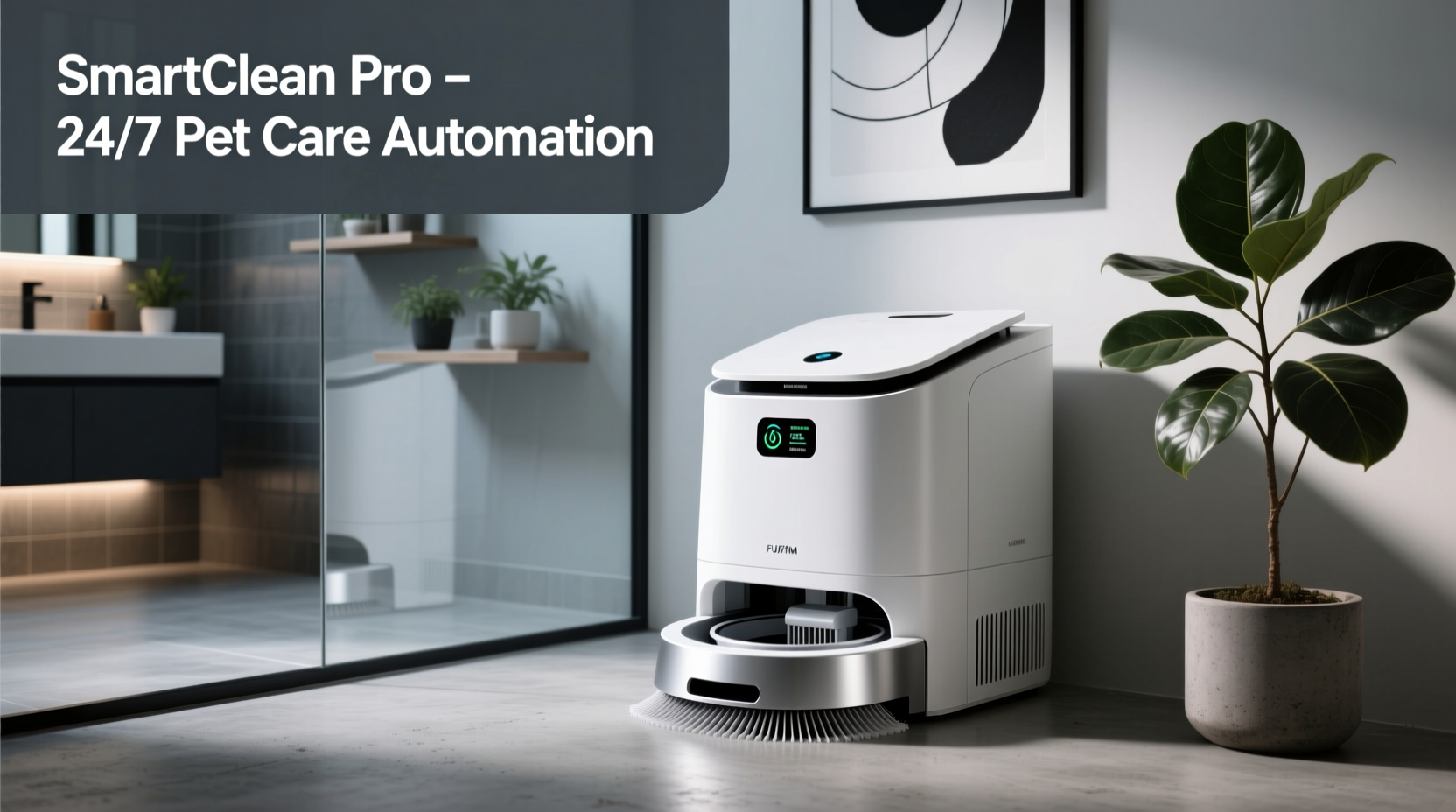
Automatic litter boxes operate on a simple premise: detect when a cat uses the box, separate waste from clean litter, and contain it in a sealed compartment—all without human intervention. Most models use motion sensors or weight detection to trigger a cleaning cycle within minutes of use. Waste is sifted out and deposited into a removable tray or bag, while the remaining litter is returned to the main chamber.
Manufacturers tout several key advantages:
- Reduced manual labor: No daily scooping required.
- Better odor control: Sealed waste compartments minimize smells.
- Less litter waste: Only clumps are removed, preserving unused litter.
- Convenience for multi-cat households: Some models handle multiple uses per day.
- Remote monitoring: High-end models offer app connectivity for usage alerts and maintenance reminders.
On paper, the value proposition is compelling—especially for busy professionals, people with mobility challenges, or those who simply dislike the chore. But how well do these systems perform in practice?
Tip: Always introduce your cat to a new automatic litter box gradually. Let them explore it before turning it on to reduce stress and resistance.The Reality Check: Common Complaints and Hidden Drawbacks
Despite their promise, automatic litter boxes come with notable downsides that many buyers overlook until after purchase. Real-world user feedback reveals patterns of frustration related to reliability, cat acceptance, and long-term costs.
Mechanical Failures and Repair Costs
These are complex machines with motors, sensors, and moving parts—all operating in a dusty, moist environment filled with organic waste. Over time, components wear down. Belts snap, sensors misfire, and rakes jam. When a $500 device stops working after 18 months, repair options are often limited. Manufacturers may no longer support older models, and third-party repair services are rare.
“Smart pet products walk a fine line between innovation and fragility. A litter box isn’t just a gadget—it’s mission-critical infrastructure in a cat household.” — Dr. Lena Patel, Veterinarian & Feline Behavior Consultant
Cat Acceptance Issues
Not all cats adapt to automatic litter boxes. The noise of the cleaning cycle, the rotating mechanism, or the unfamiliar shape can scare sensitive animals. Some cats refuse to use the box altogether, forcing owners back to traditional litter pans. Others develop avoidance behaviors, leading to inappropriate elimination elsewhere in the home.
Ongoing Supply Costs
Many automatic systems require proprietary litter or liners. For example, Litter-Robot recommends non-clumping litter, while ScoopFree uses crystal-based disposable trays. These consumables cost significantly more than standard clay or plant-based litters. Over two years, supply costs can exceed the initial device price.
Size and Space Constraints
Automatic litter boxes are large. They often require dedicated floor space away from walls for rotation or access. In small apartments or shared living areas, finding a suitable location can be challenging. Additionally, the noise during operation—though brief—can be disruptive in quiet homes.
Comparison: Top Models at a Glance
| Model | Price Range | Litter Type | Waste Disposal | App Connectivity | Common Issues |
|---|---|---|---|---|---|
| Litter-Robot 4 | $695 | Clay (non-clumping) | Clump drawer (manual emptying) | Yes | Noise sensitivity, rake jams |
| PetSafe ScoopFree Ultra | $180–$250 | Disposable crystal trays | Trays replaced every 20–30 days | No | High ongoing cost, cats reject texture |
| CatGenie Self-Washing | $400–$500 | Granules flushed to drain | Washes and flushes waste | Yes | Plumbing setup required, clogs |
| Omega Paw Roll’n | $40 | Any clumping litter | Manual roll for sifting | No | Not fully automatic, smaller capacity |
This comparison highlights a critical insight: true automation comes at a steep price, both upfront and over time. Simpler mechanical designs like the Omega Paw offer partial automation at a fraction of the cost but still require manual involvement.
Real-World Experience: A Case Study
Sarah Thompson, a software engineer in Austin, TX, purchased a Litter-Robot 3 Connect for her two cats, Milo and Luna. She worked long hours and wanted to minimize pet care tasks.
“At first, it was amazing,” she said. “I loved not having to scoop every morning. The app told me when the waste drawer was full, and my cats adapted quickly.”
But eight months in, the sensor began malfunctioning. It would cycle randomly or fail to trigger after use. Sarah contacted customer support, which advised resetting the unit. When that failed, she was quoted $120 for a replacement part. By month 14, the motor burned out completely.
“I ended up buying a second-hand unit from a Facebook group because the new model had changed and wasn’t compatible with my old base,” she said. “Now I keep the old one as a backup. It’s been more hassle than I expected.”
Sarah’s experience is not unique. Online forums like Reddit’s r/LitterRobot are filled with similar stories—owners praising the convenience but warning about longevity and support limitations.
Step-by-Step Guide: Is an Automatic Litter Box Right for You?
Before investing in a high-tech litter box, follow this decision-making process:
- Assess your cat’s temperament: Is your cat skittish or noise-sensitive? Observe their reaction to appliances like vacuums or blenders.
- Evaluate your space: Do you have room for a device that’s at least 24” in diameter and needs clearance on all sides?
- Calculate long-term costs: Factor in the price of proprietary litter, replacement parts, and potential repairs over 2–3 years.
- Check return policies: Buy from retailers with generous return windows (30+ days) in case your cat refuses the box.
- Start with a trial period: Use the first few weeks to monitor usage, noise reactions, and waste containment effectiveness.
- Have a backup plan: Keep a traditional litter box ready in case the automatic one fails or is rejected.
Expert Tips for Maximizing Success
If you decide to go the automated route, these strategies can improve adoption and longevity:
- Introduce slowly: Leave the unit powered off for a few days so your cat can investigate it safely.
- Use the right litter: Stick to manufacturer-recommended types to prevent clogs and ensure proper clumping.
- Clean regularly: Wipe down sensors and moving parts weekly to prevent dust and debris buildup.
- Monitor performance: Track how often cycles complete successfully and note any irregular behavior.
- Register your warranty: Many brands extend coverage if you register online within 30 days of purchase.
Frequently Asked Questions
Can I use regular clumping litter in any automatic litter box?
No. Each model has specific litter requirements. Using the wrong type can cause jams, poor waste separation, or damage. Always follow the manufacturer’s guidelines.
How often do I need to empty the waste drawer?
Depends on the number of cats and usage frequency. For a single cat, most users empty the drawer every 5–7 days. With multiple cats, it may need daily attention.
Are automatic litter boxes safe for kittens or senior cats?
Proceed with caution. Kittens may get startled by the noise or movement. Senior cats with arthritis might struggle with high entry points. Supervise initial use and consider accessibility features.
Final Verdict: Helper or Hassle?
The truth about automatic litter boxes lies somewhere between marketing hype and user frustration. For the right household, they can be transformative—eliminating a daily chore and improving hygiene. But they are not a universal solution.
They work best for:
- Single-cat homes with confident, adaptable felines.
- Owners willing to absorb ongoing supply costs.
- People who value convenience and have space for the unit.
They often fail when:
- Cats are resistant to change or noise-sensitive.
- Owners expect zero maintenance or don’t budget for replacements.
- The device is used in high-humidity environments or with incompatible litter.
Ultimately, an automatic litter box is less of a “set it and forget it” appliance and more of a high-maintenance tool that demands attention, patience, and financial commitment. It can be a high-tech helper—but only if you go in with realistic expectations.
💬 Have you tried an automatic litter box? Share your experience—what worked, what didn’t, and whether you’d buy again. Your insights could help another cat owner make a smarter choice.








