
For cat owners, managing litter box duties is a daily reality. Yet too many settle for basic trays that compromise on privacy, leak odors, or make cleaning a chore. The good news: you don’t need to spend hundreds to get a high-performing litter box. Affordable options exist that balance cost, functionality, and feline comfort. By focusing on smart design features—like enclosed spaces, ventilation systems, and removable parts—you can find a solution that keeps your home fresh, your cat content, and your routine efficient.
Why Privacy Matters in Litter Box Design
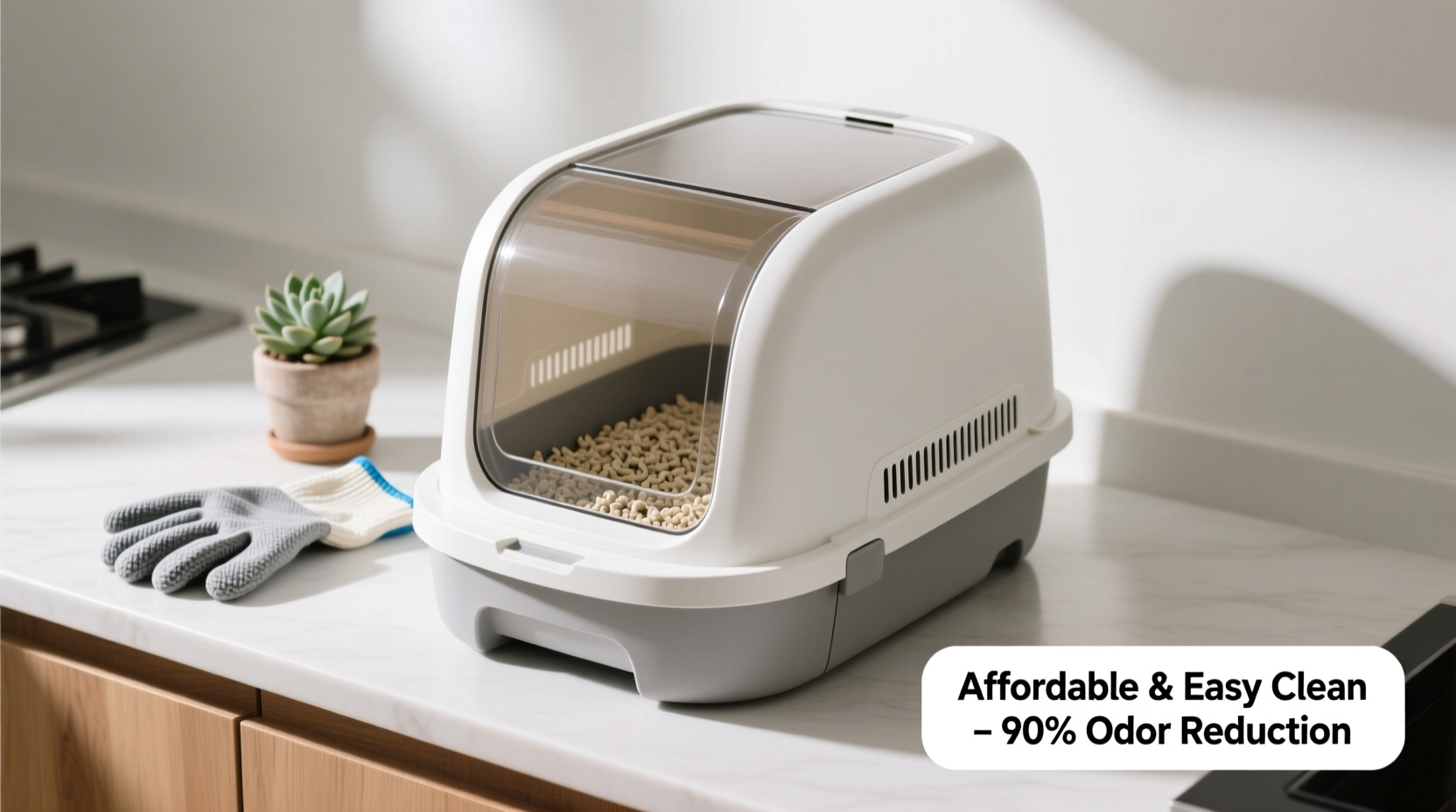
Cats are naturally private creatures when it comes to elimination. An exposed litter tray may cause stress, leading to avoidance or inappropriate elimination elsewhere in the house. Enclosed or hooded litter boxes provide a sense of security, mimicking the sheltered spots cats would choose in the wild.
A well-designed private space reduces visual distractions and noise, helping skittish or multi-cat household cats feel safer. However, not all covered boxes are created equal. Some trap odors inside, creating an unpleasant environment that deters use. The best affordable models incorporate strategic ventilation—often through top-mounted air vents or side airflow channels—that allows odor to escape while preserving visual seclusion.
Tip: Place the litter box in a quiet corner away from loud appliances. Even the most private box won’t help if the location feels unsafe.Odor Control: How Budget-Friendly Boxes Keep Smells at Bay
Odor management is often the top concern for pet owners. Poor ventilation, inadequate sealing, or low-quality materials can turn a small room into a stinky zone within days. Fortunately, several budget-conscious designs address this with practical engineering.
Many affordable litter boxes feature carbon filters that attach to the lid. These filters absorb ammonia and other volatile compounds before they disperse into the air. While replacement filters add minor ongoing costs, they significantly extend freshness between full cleanings. Other models use dual-door entry systems that reduce odor plumes during exit.
Material choice also plays a role. High-density polyethylene (HDPE) resists odor absorption better than porous plastics. Look for seamless interiors where urine can't seep into cracks—a common source of lingering smells.
“Odor isn’t just about the box—it’s about airflow, maintenance frequency, and litter type. A $50 box with good airflow and regular scooping beats a $150 self-cleaning model left unattended.” — Dr. Lena Torres, Feline Behavior Consultant
Easy Cleaning: Features That Save Time and Effort
No one enjoys scrubbing a dirty litter box, but some designs make it dramatically easier. When evaluating affordability, consider long-term time savings as part of value. Key features to look for include:
- Removable lids and trays: Allows for quick dumping and thorough rinsing without awkward maneuvering.
- Smooth, non-porous surfaces: Prevents waste from sticking and simplifies wiping.
- Large openings for scooping: Enables efficient waste removal without spilling litter over the edges.
- Washable liners or base trays: Some models have detachable bottom trays that can be hosed down or placed in a bathtub.
Boxes with high walls prevent splash-out during vigorous digging, reducing mess around the base. For households with multiple cats, models with wide footprints allow more space per cat, decreasing territorial marking and making cleanup less frequent.
Step-by-Step Guide to Maintaining an Odor-Free, Clean Litter Box
- Scoop daily: Remove solid waste and clumps every 24 hours to prevent bacterial buildup.
- Check filter status weekly: Replace carbon filters according to manufacturer guidelines (usually every 2–4 weeks).
- Full clean monthly: Empty all litter, wash with mild soap and water, rinse thoroughly, and dry completely before refilling.
- Inspect seals and joints: Ensure no cracks or stuck debris are harboring bacteria.
- Vacuum surrounding area: Litter granules scatter; regular vacuuming prevents tracking and maintains hygiene.
Top Affordable Models Compared
The following litter boxes deliver strong performance across privacy, odor control, and ease of cleaning—all under $60. Each has been evaluated based on durability, user feedback, and veterinarian recommendations.
| Model | Price Range | Privacy Level | Odor Control | Cleaning Ease |
|---|---|---|---|---|
| IRIS Top-Entry Litter Box | $25–$35 | High (fully enclosed) | Moderate (top ventilation) | Easy (removable top) |
| SureLitter Hooded Box with Filter | $40–$55 | High | High (carbon filter + rear vent) | Very Easy (sliding bottom tray) |
| PetFusion Bio-Box Plus | $50–$60 | Medium-High (semi-enclosed) | High (activated charcoal liner) | Easy (smooth wipe-down interior) |
| Simple Solution High-Sided Tray | $20–$30 | Low (open-top) | Low | Easy (wide opening) |
| Ventilated Hooded Box by CatLife | $35–$45 | High | Moderate-High (side airflow + optional filter) | Easy (snap-on lid) |
Note: While open trays are cheapest, they score poorly on privacy and odor containment. They may suit single-cat homes with excellent ventilation but are generally less effective overall.
Real-Life Example: Solving Litter Issues in a Small Apartment
Jamie, a resident of a 600-square-foot downtown studio, struggled with her two cats avoiding the open litter tray near the kitchen. Despite daily scooping, neighbors commented on odors in the hallway. After researching compact solutions, she switched to the SureLitter Hooded Box with Filter, placing it in a closet with the door slightly ajar for airflow.
Within days, both cats used the box consistently. The carbon filter reduced noticeable smell, and the sliding tray made full changes manageable in her tiny bathroom sink. “I was skeptical something under $60 could work so well,” Jamie said. “But now I barely notice it’s there—except when my cats walk in and out like it’s their personal spa.”
Checklist: Choosing the Right Affordable Litter Box
Use this checklist before purchasing to ensure you’re getting the best value:
- ✅ Does it have a cover or partial enclosure for privacy?
- ✅ Is there built-in ventilation or space for a carbon filter?
- ✅ Can the lid or tray be removed easily for cleaning?
- ✅ Is the interior smooth and non-porous?
- ✅ Are entry points large enough for your cat’s size?
- ✅ Does it fit comfortably in your available space?
- ✅ Is replacement filter availability clear and affordable?
Frequently Asked Questions
Can I make a cheap litter box more odor-resistant?
Yes. Add a DIY carbon filter using activated charcoal in a breathable pouch near the vent. Also, use clumping, odor-control litter and change it regularly. Placing the box in a ventilated area—or near an air purifier—also helps.
Are top-entry boxes safe for older or arthritic cats?
Not always. High entry points can deter senior cats or those with mobility issues. If considering a top-entry model, ensure your cat can jump comfortably. Alternatively, choose a front-entry hooded box with low thresholds.
How often should I replace an affordable litter box?
With proper care, most plastic models last 2–3 years. Replace if you notice cracks, persistent odors despite cleaning, or warping that affects lid fit. These degrade hygiene and performance.
Final Thoughts: Smart Choices Without Sacrificing Standards
Affordability doesn’t mean compromising on your cat’s comfort or your home’s cleanliness. The right litter box balances thoughtful design with practical maintenance. Whether you live in a small apartment, manage multiple cats, or simply want a cleaner routine, investing in a well-constructed, budget-friendly box pays off in daily convenience and long-term harmony.
💬 Have a favorite affordable litter box? Share your experience below and help fellow cat owners find smarter, simpler solutions!








