
Hydration is essential for a dog’s health—supporting digestion, circulation, temperature regulation, and joint function. Yet many pet owners still rely on basic water bowls without considering how their design might be undermining their dog’s well-being. With the rise of automatic dog waterers, questions arise: Are traditional bowls really that bad? Do smart dispensers offer meaningful benefits? And could switching improve your dog’s daily health?
The answer isn’t black and white. While simple bowls have served dogs for generations, they come with hidden drawbacks. Automatic waterers promise convenience and consistency but aren’t always the perfect solution. Understanding the strengths and weaknesses of each can help you make an informed decision tailored to your pet’s needs.
Why Hydration Matters More Than You Think
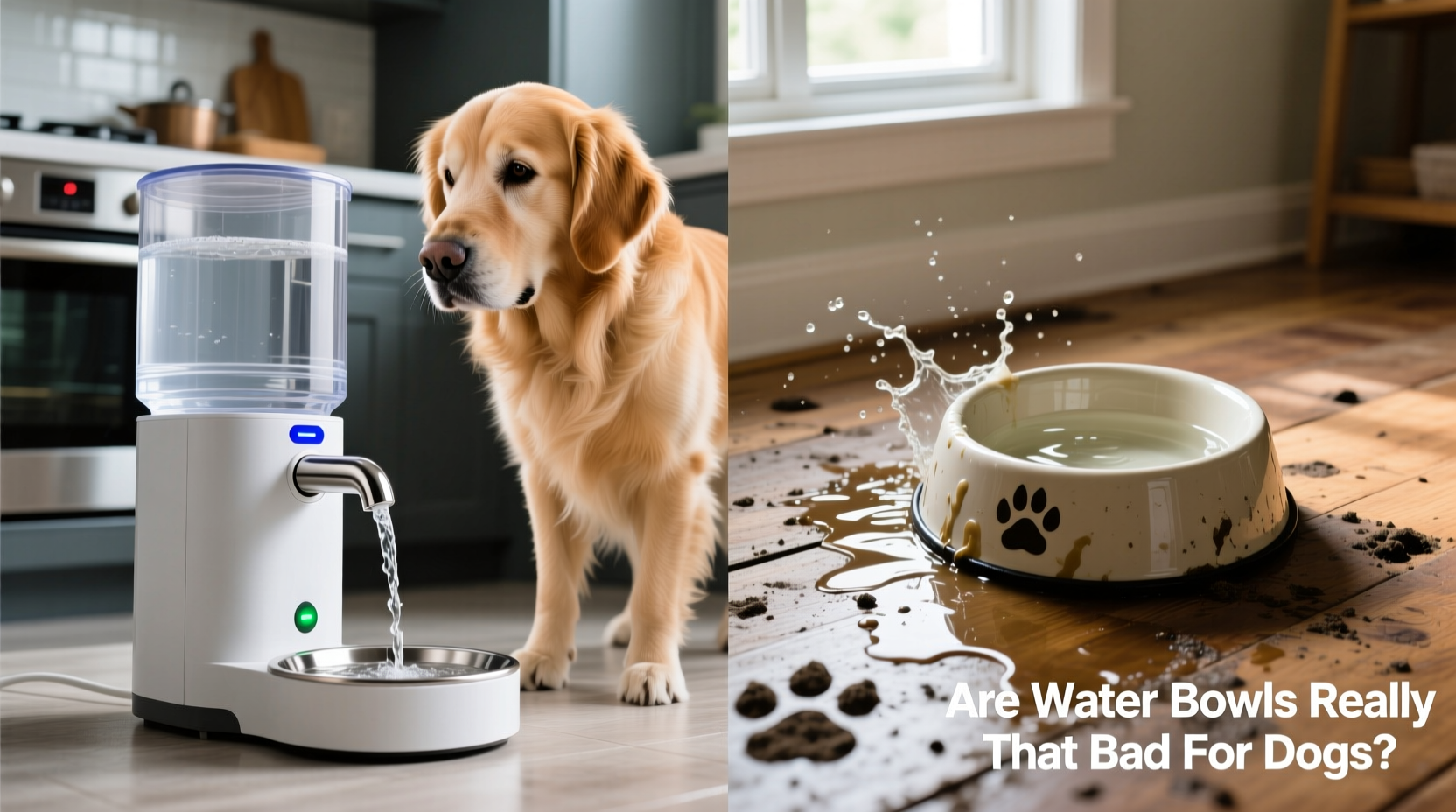
Dogs need constant access to fresh water. The average adult dog requires about 0.5 to 1 ounce of water per pound of body weight daily. Active dogs, nursing mothers, or those in hot climates may need even more. Dehydration can lead to lethargy, dry gums, sunken eyes, and in severe cases, organ failure.
But it’s not just about volume—it’s about accessibility and water quality. A dog that avoids drinking due to stale, dirty, or contaminated water is at risk even if a bowl is technically “available.” This is where the design of the water source becomes critical.
“Consistent hydration starts with reliable access. If the water isn’t clean or easy to reach, dogs will drink less—sometimes without showing obvious signs of distress.” — Dr. Lena Patel, Veterinary Nutritionist
Problems with Traditional Water Bowls
While bowls are inexpensive and widely available, they come with several practical issues:
- Stagnation: Water sits exposed to air, collecting dust, hair, and bacteria within hours.
- Contamination: Dogs often drop food, dirt, or saliva into the bowl, especially if it’s near their food dish.
- Spillage: Knocked-over bowls create messes and leave pets without water until refilled.
- Inconsistent levels: As water is consumed, the remaining amount becomes less accessible, especially for larger dogs or those with neck strain.
- Algae and biofilm: In warm or sunny areas, bowls can develop green slime or bacterial films overnight.
How Automatic Dog Waterers Work—and Who Benefits Most
Automatic waterers, also known as pet fountains or self-refilling dispensers, use gravity, pumps, or reservoir systems to maintain a steady supply of fresh water. Some models include filters to remove impurities and aerate the water, making it more appealing to pets.
These systems shine in specific scenarios:
- Multipet households: Constant demand means bowls empty quickly; automatic units keep up.
- Active or large breeds: Dogs like Labs, Shepherds, or working breeds consume more water and benefit from uninterrupted access.
- Owners with busy schedules: If you travel or work long hours, an automatic system ensures your dog isn’t left thirsty.
- Picky drinkers: Some dogs prefer flowing water. Fountains mimic natural streams, encouraging increased intake.
However, not all automatic waterers are created equal. Lower-end models may have weak pumps, noisy operation, or hard-to-clean parts that become bacterial breeding grounds if neglected.
Comparing Key Features: Bowl vs. Automatic Waterer
| Feature | Traditional Water Bowl | Automatic Waterer |
|---|---|---|
| Cost | $3–$15 | $25–$100+ |
| Maintenance Frequency | Daily wash | Weekly cleaning + filter changes |
| Water Freshness | Lowers over time (stagnant) | Higher (filtered, circulating) |
| Spill Risk | High (if knocked) | Low (sealed reservoirs) |
| Suitability for Multiple Pets | Poor (requires frequent refills) | Excellent (large capacity) |
| Encourages Drinking | Basic | High (flowing water appeals to instinct) |
| Energy Use | None | Low (USB or plug-in pump) |
Real-World Example: How One Owner Solved Chronic Dehydration
Sarah Thompson, a dog owner in Austin, TX, noticed her 4-year-old Border Collie, Max, was frequently lethargic and had dark urine. Her vet suspected mild dehydration despite Max having a water bowl filled twice daily.
After tracking his behavior, Sarah realized Max rarely drank from the bowl after mid-morning. The water became warm and dusty by afternoon. She switched to a filtered automatic fountain with a 2-liter capacity. Within three days, Max was drinking more consistently. His energy improved, and follow-up urine tests showed normal hydration levels.
“I didn’t realize how much the water quality mattered,” Sarah said. “He actually stands by the fountain now, waiting for it to bubble.”
When a Bowl Might Still Be the Better Choice
Despite the advantages of automatic systems, traditional bowls remain appropriate in certain situations:
- Puppies learning to drink: Simpler to use than complex fountains.
- Dogs with dental pain or jaw sensitivity: Flowing water or strong currents may discomfort them.
- Travel or outdoor use: Lightweight bowls are portable and don’t require power.
- Budget constraints: Not every owner can afford a $70 waterer.
The key is diligence. If you stick with a bowl, commit to refilling it multiple times a day and scrubbing it thoroughly every 24 hours.
Step-by-Step Guide to Choosing the Right System
- Assess your dog’s habits: Does your dog drink frequently or only occasionally? Do they knock things over?
- Evaluate your lifestyle: Are you home often, or do you need something low-maintenance for long absences?
- Check space and setup: Do you have an outlet nearby for electric models? Is there room for a larger unit?
- Research materials: Stainless steel or ceramic bowls resist bacteria better than plastic. For waterers, look for BPA-free, dishwasher-safe components.
- Test and observe: Try a rental or budget model first. Watch how your dog interacts with it.
- Commit to maintenance: Whether bowl or fountain, clean regularly and replace filters as recommended.
Frequently Asked Questions
Can automatic waterers cause urinary tract infections?
No—well-maintained waterers reduce the risk of infection by providing cleaner water. However, neglected units with mold or biofilm can introduce harmful bacteria. Clean your device weekly and change filters monthly.
Do dogs really prefer running water?
Many do. Evolutionarily, moving water signals freshness and safety in the wild. Even domesticated dogs often show a preference for fountains over still bowls, especially if they’ve used one before.
Is tap water safe in automatic dispensers?
Yes, but using a carbon filter in the waterer can remove chlorine, heavy metals, and odors, improving taste and encouraging more drinking.
Action Plan: Improving Your Dog’s Hydration Today
- Replace old plastic bowls with stainless steel or ceramic.
- If using a bowl, refill and wash it at least twice daily.
- Consider trialing a quiet, easy-clean automatic fountain for 30 days.
- Place multiple water stations in large homes.
- Monitor your dog’s drinking patterns and urine color as hydration indicators.
Final Thoughts
Traditional water bowls aren’t inherently “bad” for dogs—but they do require consistent oversight to remain effective. Left unattended, they become stagnant, dirty, and unappealing, which can silently compromise your pet’s hydration. Automatic waterers offer a modern solution with clear benefits: fresher water, reduced refills, and often increased consumption.
The best choice depends on your dog’s temperament, your routine, and your willingness to maintain the system. For many, a hybrid approach works well—using an automatic fountain indoors and a sturdy bowl for outdoor or travel use.
Ultimately, the goal isn’t to eliminate bowls altogether, but to ensure your dog has reliable, clean, and appealing access to water at all times. That’s the true measure of success—not the container, but the consistency of care behind it.
💬 Have you switched from a bowl to an automatic waterer? Share your experience, tips, or concerns in the comments below—your insight could help another dog owner make a life-changing decision.








