
Keeping up with weekly anime releases can be thrilling—new episodes, evolving storylines, character arcs unfolding in real time. But when the season brings 20+ shows vying for attention, excitement can quickly spiral into stress. Viewers often start strong, only to drop series halfway or abandon their schedule entirely by week six. The issue isn’t passion; it’s sustainability. Without intentional planning, even the most dedicated fans risk mental fatigue, guilt, and disengagement. The key lies not in watching more, but in watching wisely. A well-structured anime schedule respects your time, energy, and enjoyment, ensuring you finish seasons fulfilled—not frazzled.
Assess Your Viewing Capacity Honestly
The first step in building a sustainable anime routine is evaluating how much you can realistically consume each week. Many viewers overestimate their availability, lured by trailers and hype. They commit to eight shows, only to realize after two weeks that catching up takes ten hours—and life doesn’t pause for subtitles.
Start by calculating your available leisure time. Consider work, family obligations, sleep, and other hobbies. Then ask: How many hours per week can I dedicate to anime? Be specific. If you have 6–8 hours, aim to use only 4–5 of them. This buffer prevents backlog accumulation and allows flexibility for unexpected delays.
Also, factor in your viewing style. Do you rewatch emotional scenes? Take notes on lore? Discuss episodes online? These enriching habits take time. Acknowledge them in your planning instead of treating them as “delays.”
Tip: Track your actual screen time for one week. You’ll likely discover gaps between perceived and real availability.Prioritize Based on Interest and Investment
Not all anime deserve equal attention. Some are must-watches—deeply tied to ongoing favorites or highly anticipated sequels. Others are casual picks, enjoyable but replaceable. Distinguishing between them helps allocate time effectively.
Create a tiered list:
- Tier 1 (Must-Watch): Shows you’re emotionally invested in or following from a beloved franchise.
- Tier 2 (Interested): Genres or studios you like, but no strong attachment yet.
- Tier 3 (Casual/Experimental): Curiosity-driven picks you can drop without regret.
This system allows you to focus energy where it matters. Watch Tier 1 shows weekly, catch up on Tier 2 every few episodes, and sample Tier 3 selectively. It’s not about abandoning variety—it’s about preventing overload.
“Viewers who curate rather than collect tend to stay engaged longer. Passion thrives under limits.” — Dr. Akira Tanaka, Media Psychologist & Author of *Digital Attention Management*
Build a Realistic Weekly Schedule
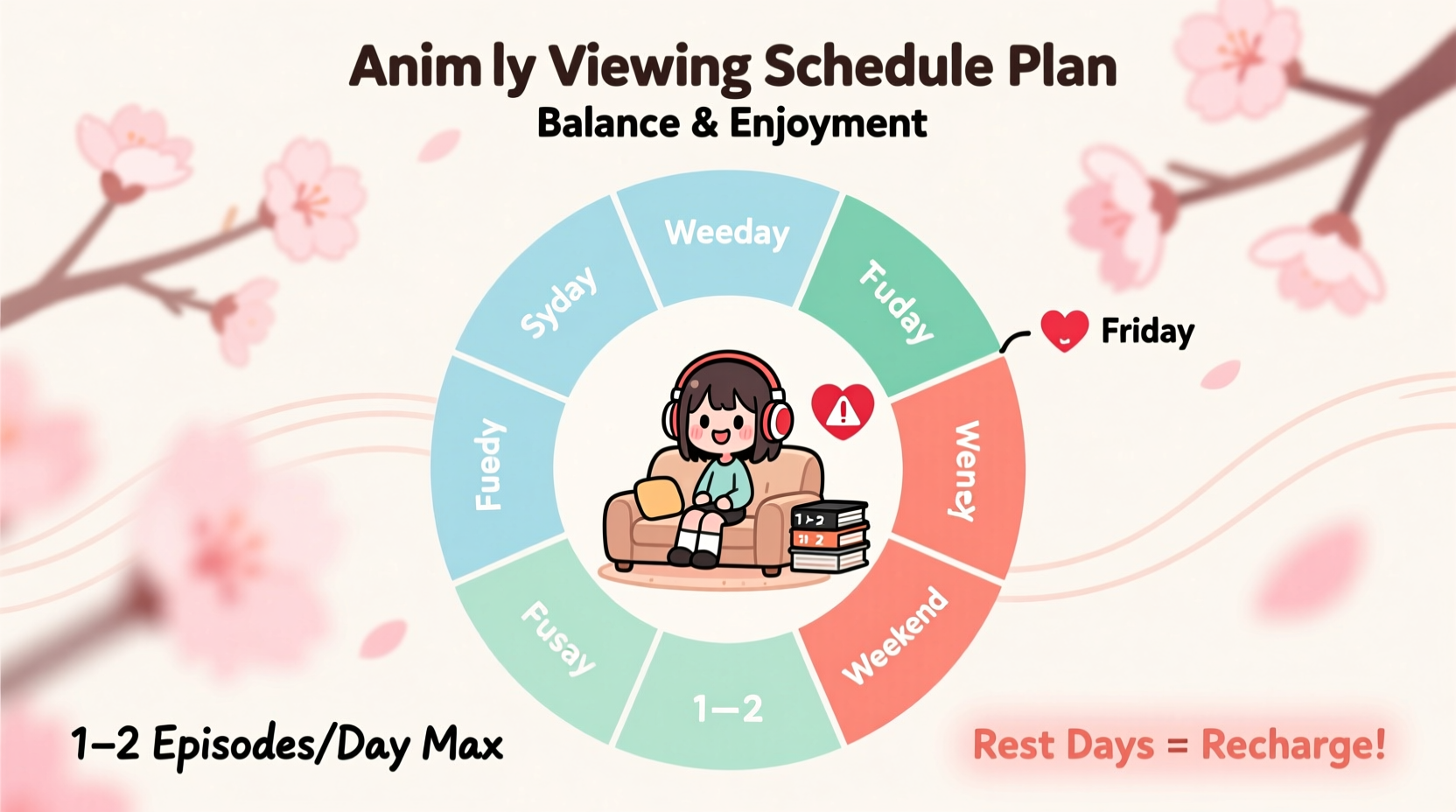
A good anime schedule aligns with your natural rhythms. Are you sharp in the evenings? Catch episodes after dinner. A morning person? Dedicate post-breakfast time before work. Sync viewing with high-energy windows to maximize retention and enjoyment.
Here’s a practical timeline for organizing your week:
- Sunday Evening: Review new releases and select which episodes to watch this week.
- Monday–Thursday: Watch 1–2 episodes during downtime (e.g., after work, during lunch).
- Friday: Catch up on any missed episodes or rewatch pivotal scenes.
- Saturday: Optional double episode for favorite shows or group viewing with friends.
- Sunday Morning: Reflect: Did the schedule work? Adjust next week accordingly.
Use calendar reminders or habit-tracking apps to reinforce consistency. Treat anime time like any appointment—protected and purposeful.
| Time Available Per Week | Recommended Max Shows | Suggested Episode Load |
|---|---|---|
| 3–5 hours | 2–3 shows | 3–4 episodes |
| 6–8 hours | 4–5 shows | 5–6 episodes |
| 9+ hours | 5–7 shows | 7–8 episodes |
Note: Even with 9+ hours, cap episode count at 8. More than that increases cognitive load and reduces retention. Binge-watching multiple new episodes in one sitting may feel productive, but it dulls emotional impact and accelerates fatigue.
Avoid Common Burnout Triggers
Burnout rarely comes from watching anime itself—it stems from pressure, guilt, and poor boundaries. Recognize these warning signs early:
- Skipping episodes while feeling anxious about falling behind.
- Dreading opening your streaming app.
- Watching while multitasking (e.g., scrolling phone, working).
- Feeling obligated to finish a show you no longer enjoy.
To prevent these, adopt protective habits:
Tip: Drop a show without guilt if it fails to engage you after three episodes. Your time is valuable.Also, avoid stacking too many serialized dramas. Long-form storytelling demands mental investment. Mix in episodic or comedic anime to provide emotional relief. For example, balance an intense thriller like *Chainsaw Man* with a lighthearted slice-of-life such as *Yuru Camp△*. This contrast keeps viewing enjoyable, not exhausting.
Case Study: Managing a Heavy Season
Maria, a university student and longtime anime fan, faced overwhelm during the Spring 2023 season. Twenty-two new shows launched, including sequels to her favorites. Excited, she marked 10 for tracking. By week four, she’d fallen behind on seven, felt guilty, and considered quitting altogether.
She reassessed using the tier system. She narrowed her list to:
- Tier 1: *Jujutsu Kaisen S4*, *Oshi no Ko* (both deeply connected to prior seasons)
- Tier 2: *Frieren: Beyond Journey’s End*, *Kaguya-sama: Love Is War – Final Season*
- Tier 3: *Undead Unluck* (sampled every other episode)
She scheduled 30-minute slots Tuesday and Thursday nights, plus a relaxed hour on Saturday. She used Sundays to review and adjust. Within two weeks, she caught up, regained enjoyment, and finished five shows that season—three more than the previous year.
Her breakthrough wasn’t watching more; it was watching with intention.
Essential Checklist for a Sustainable Anime Routine
Before finalizing your weekly plan, run through this checklist:
- ✅ Calculated realistic weekly viewing time (not idealized)
- ✅ Ranked shows by personal interest (Tier 1–3)
- ✅ Scheduled specific days/times for viewing
- ✅ Limited total episodes to under 8 per week
- ✅ Balanced heavy genres with lighter ones
- ✅ Set a reminder to review and adjust weekly
- ✅ Accepted that dropping shows is part of healthy consumption
This isn’t a rigid formula—it’s a framework. Adapt it monthly based on your energy, schedule changes, or seasonal volume.
Frequently Asked Questions
How many anime should I watch at once?
Most viewers sustainably manage 3–5 shows per season. Start with 2–3 if you're busy or new to weekly tracking. Quality engagement beats quantity.
What if I miss a week? Should I binge to catch up?
Avoid bingeing to recover. Instead, resume at the current episode. If you’re far behind, consider switching to weekend catch-up mode temporarily—but don’t force it. Missing one week doesn’t ruin the experience.
Is it okay to watch multiple episodes of the same show in one sitting?
Yes, if it’s a show you’re deeply invested in and you’ve allocated time for it. However, avoid doing this with multiple new shows in one session. Spacing out different series improves comprehension and emotional connection.
Conclusion: Watch Smarter, Not Harder
Anime is meant to inspire, entertain, and move us—not become a source of stress. A thoughtful viewing schedule transforms passive consumption into meaningful engagement. By setting boundaries, prioritizing joy, and respecting your limits, you preserve both your enthusiasm and your well-being. The goal isn’t to watch every show released. It’s to fully experience the ones that matter to you.
💬 Ready to build your balanced anime routine? Start tonight: pick your top two shows, set a consistent time, and protect that space. Share your schedule or tips in the comments—let’s support each other in watching smarter.