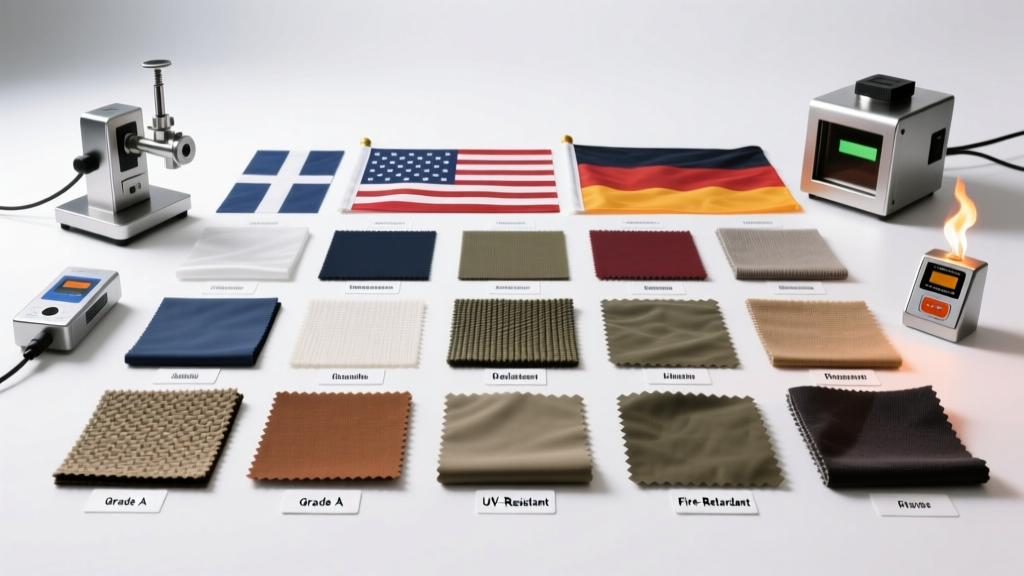
Different Types of Allies' Flags
An allies' flag symbolizes unity, cooperation, and shared values between nations, organizations, or cultural groups. These flags are prominently displayed during diplomatic events, international summits, military alliances, and global collaborations. They serve not only as visual identifiers but also as powerful emblems of solidarity, peace, and mutual respect. Understanding the various types of allies' flags helps appreciate the depth of international relations and symbolic representation in global affairs.
National Flags
The most widely recognized type of allies' flag, representing individual countries in joint diplomatic or multilateral settings.
Significance
- Represents national identity and sovereignty
- Used in bilateral and multilateral events
- Serves as a symbol of diplomatic presence
- Displayed in order of protocol during international gatherings
Considerations
- Must adhere to strict display protocols
- Order and placement reflect diplomatic hierarchy
- Variations exist between civil, state, and war versions
Common Use: International summits, embassies, joint military exercises, EU conferences
International Organizational Flags
Flags of global institutions that unite member nations under common goals and principles.
Key Examples
- United Nations: Olive wreath around a world map symbolizing global peace
- NATO: Compass rose on blue background representing unity and direction
- European Union: Circle of 12 gold stars on blue field denoting solidarity
- Frequently flown at headquarters, peacekeeping missions, and international forums
Limitations
- May be politically sensitive in certain regions
- Not all member states display them uniformly
- Symbolism may require explanation for public understanding
Best For: Multinational operations, peacekeeping missions, global governance bodies
Coat of Arms & State Flags
Official governmental banners featuring heraldic symbols, crests, or emblems used by state authorities.
Features
- Include national coats of arms, royal insignias, or official seals
- Used by government institutions, heads of state, and official delegations
- Often more formal than civil national flags
- Example: The UK’s Union Jack as both national and state flag
Restrictions
- Limited to official use; not for general public display
- Designs are legally protected and strictly regulated
- May differ significantly from civilian versions
Used By: Government buildings, diplomatic envoys, presidential motorcades, royal events
Cultural & Historical Flags
Symbols rooted in shared heritage, colonial history, or cultural unity among allied nations.
Examples & Significance
- Commonwealth Flag: Features the Commonwealth symbol with member nations' emblems
- Historical Alliance Banners: Such as flags from WWII Allied forces
- Represent enduring cultural ties beyond political boundaries
- Displayed during heritage events, sporting competitions, and commemorations
Challenges
- May evoke complex historical narratives
- Not always officially recognized as national symbols
- Can be misinterpreted without proper context
Ideal For: Cultural exchanges, historical commemorations, international sports events
| Type | Symbolism | Primary Use | Key Example | Display Context |
|---|---|---|---|---|
| National Flags | Sovereignty, national pride | Diplomacy, state events | Stars and Stripes (USA), Tricolour (Italy) | UN General Assembly, bilateral meetings |
| International Org. Flags | Unity, peace, cooperation | Multilateral missions | UN Blue Flag, NATO Standard | Peacekeeping zones, international HQs |
| Coat of Arms Flags | State authority, governance | Official government functions | Union Jack (UK), Bundesdienstflagge (Germany) | Embassies, presidential palaces |
| Cultural/Historical Flags | Shared heritage, legacy | Cultural diplomacy | Commonwealth Games Flag, WWII Allied Banner | Sporting events, anniversaries |
Expert Insight: When displaying allies' flags together, proper flag etiquette is essential—ensure equal size, correct order of precedence, and avoid physical contact between flags. The central flag (often the host nation or organization) is typically elevated or placed in the center for ceremonial balance.
Design Principles of Allied Forces Flags
The design of allied forces flags is a deliberate and symbolic process that reflects unity, shared values, and international cooperation. These flags are more than mere banners—they serve as powerful visual representations of diplomatic relationships, military collaboration, and collective identity. From international organizations like the United Nations to multinational coalitions, the design elements are carefully chosen to convey peace, strength, and mutual respect.
Symbolism and Meaning
Every element in an allied flag carries profound symbolism. Colors, shapes, emblems, and even spacing are intentionally selected to represent ideals such as peace, unity, resilience, and justice. For example, the United Nations flag features a sky-blue background symbolizing peace and global harmony, with a world map encircled by two olive branches—ancient symbols of peace and reconciliation. This minimalist yet powerful design emphasizes neutrality and the organization’s mission to foster international cooperation.
Similarly, coalition flags used during joint military operations often incorporate elements from member nations’ flags to signify solidarity. The absence of national dominance in these designs reinforces equality among allies and underscores their shared objectives.
Proportions and Formats
Standardized Dimensions
While allied flags vary in size depending on usage—ranging from handheld versions to large ceremonial displays—they typically adhere to standardized proportions for consistency and visual balance. The most common ratio is 2:3, widely adopted for its aesthetic appeal and ease of display.
Notable Exceptions
Some allied flags deviate from standard ratios for historical or symbolic reasons. The United Nations flag, for instance, uses a unique 2:1 ratio, distinguishing it from national flags and reinforcing its global, non-national character. In contrast, the U.S. national flag has a more complex ratio of 10:19, reflecting its historical evolution. These variations influence how flags are displayed in parades, ceremonies, and digital platforms.
Color Scheme and National Representation
Allied flags often employ a diverse palette—commonly including red, blue, green, yellow, black, and white—drawing inspiration from the national flags of contributing countries. Each color holds symbolic meaning across cultures:
- Red: Represents courage, sacrifice, and valor—prominent in many Western and Eastern flags.
- Blue: Symbolizes vigilance, justice, and perseverance; also associated with peace and stability.
- Green: Often denotes growth, prosperity, and hope; significant in flags of nations with strong agricultural or environmental identities.
- White: Universally recognized as a sign of purity, innocence, and peace—frequently used in truces and diplomatic contexts.
- Black and Yellow: Less common but used for contrast and visibility; black can represent determination or remembrance.
In coalition flags, these colors are harmonized to avoid favoring any single nation, promoting a sense of inclusivity and equal partnership.
Materials and Construction
Durability and Functionality
Given their frequent outdoor use in parades, military installations, and international events, allied flags must withstand harsh environmental conditions. They are typically constructed from high-performance synthetic fabrics such as nylon or polyester, which offer excellent resistance to wind, rain, UV radiation, and tearing.
Manufacturing Techniques
Emblems and insignias are applied using various methods based on quality and intended use:
- Digital Printing: Ideal for intricate designs and rapid production.
- Sewing/Embroidery: Used for premium flags, offering texture and longevity.
- Heat Transfer: Common for temporary or indoor displays.
High-quality stitching and reinforced hems ensure the flag maintains integrity during prolonged exposure.
Modern and Digital Design Evolution
The advent of digital design tools has revolutionized the creation and dissemination of allied flags. Software such as Adobe Illustrator, CorelDRAW, and specialized vexillology programs enable designers to achieve pixel-perfect precision in layout, color matching, and scaling.
This digital shift has several advantages:
- Global Collaboration: Design teams from multiple countries can collaborate in real time.
- Version Control: Ensures consistency across physical and digital formats.
- Adaptability: Allows seamless adaptation for digital media, websites, social platforms, and augmented reality applications.
- Accessibility: Digital files can be instantly shared with manufacturers worldwide, reducing lead times and ensuring uniformity.
Moreover, digital mockups allow stakeholders to preview flags in different environments—such as on poles, uniforms, or vehicles—before finalizing the design.
| Design Element | Significance | Examples in Allied Flags |
|---|---|---|
| Color Palette | Represents shared values and national diversity | UN blue; red/white from U.S./France; green from African members |
| Proportion Ratio | Affects visual balance and recognition | 2:3 (standard), 2:1 (UN), 10:19 (U.S.) |
| Symbols & Emblems | Convey unity, peace, and collective mission | Olive branches (UN), interlocking rings (coalition badges) |
| Material Type | Ensures durability and portability | Nylon, polyester, all-weather blends |
| Production Method | Determines quality and lifespan | Embroidery (high-end), digital print (mass production) |
Note: While allied flags aim to represent unity, their design must avoid political bias or cultural insensitivity. International consultation, historical research, and adherence to vexillological best practices are essential. A poorly designed flag can undermine diplomatic efforts, while a well-crafted one strengthens global partnerships and fosters mutual respect.
Scenarios of Allies' Flags: Symbols of Unity and Cooperation
Flags of allied nations serve as powerful visual symbols of partnership, solidarity, and shared values across a wide range of global contexts. From diplomacy to cultural exchange, these emblems play a crucial role in reinforcing international relationships and promoting collective identity. Below are key scenarios where allies' flags are prominently displayed, each reflecting unique aspects of cooperation and mutual respect.
Diplomatic Events
Diplomatic gatherings are among the most formal and significant settings where allies' flags are prominently featured. During state visits, bilateral summits, and multilateral negotiations, national flags are arranged in accordance with protocol to symbolize equality and mutual respect between participating nations.
- Flags are often displayed on podiums during speeches, representing the presence and commitment of each nation
- At international conferences, the arrangement of flags follows strict diplomatic order, typically based on alphabetical or rotational precedence
- Embassies and consulates frequently fly both their national flag and that of the host country as a gesture of friendship and diplomatic engagement
Symbolic meaning: The joint display of flags signifies political alignment, shared goals, and peaceful dialogue.
International Organizations Headquarters
The headquarters of global institutions such as the United Nations, NATO, the European Union, and the African Union serve as central hubs for multinational cooperation—places where allies' flags fly side by side in a powerful display of unity.
- The UN Headquarters in New York displays all member state flags in English alphabetical order, emphasizing inclusivity and equal representation
- NATO’s headquarters in Brussels features the flags of all member nations, underscoring collective defense and transatlantic solidarity
- Regional offices often fly a combination of local, national, and organizational flags to reflect layered governance and cooperation
Key insight: These flag displays reinforce the idea that diverse nations can work together toward common objectives like peace, security, and development.
Sporting Events
International sports competitions provide a vibrant and emotionally charged platform for allies' flags to be celebrated. These events blend national pride with global camaraderie, turning stadiums into mosaics of color and unity.
- At the Olympic Games, athletes march under their national flags during the opening ceremony, symbolizing peaceful competition among nations
- Victory podiums feature the flags of winning countries, accompanied by national anthems, honoring achievement while promoting international respect
- The Olympic flag itself—featuring five interlocking rings—represents the unity of the five inhabited continents and the spirit of global participation
- Events like the FIFA World Cup and the Commonwealth Games also highlight alliances through fan displays, joint supporter groups, and friendly rivalries
Cultural impact: Sporting events humanize international relations, allowing allies to celebrate shared passions beyond politics.
Peace and Protest Movements
In movements advocating for peace, human rights, climate action, and social justice, allies' flags are often used to demonstrate transnational solidarity and collective moral responsibility.
- The white dove with an olive branch is a globally recognized peace symbol, frequently incorporated into protest banners and flags
- During anti-war demonstrations, activists may display flags of multiple nations to emphasize that peace is a universal aspiration
- Environmental campaigns like Earth Day or climate summits often feature a "flag wall" representing participating countries united for planetary protection
- Human rights marches may combine national flags with symbolic flags (e.g., rainbow flag for LGBTQ+ rights) to show intersectional allyship
Power of symbolism: Flags in protests transform individual voices into a unified, visible demand for change.
Educational and Cultural Representations
Schools, museums, cultural festivals, and public exhibitions use allies' flags to educate the public about global interdependence, diplomacy, and cultural diversity.
- Classrooms often display world flags to teach geography, history, and international relations, helping students visualize global connections
- Cultural festivals—such as international days or heritage weeks—feature flags alongside traditional music, food, and attire to celebrate multiculturalism
- Museums dedicated to peace or diplomacy use flag installations to narrate stories of alliances, treaties, and humanitarian efforts
- Exchange programs and sister city initiatives often include flag exchanges as ceremonial gestures of friendship
Educational value: Exposure to allies' flags fosters global citizenship and cross-cultural understanding from an early age.
Military and Humanitarian Operations
While not explicitly mentioned in the original content, this context significantly enhances the understanding of allies' flag usage in high-stakes cooperation.
- Joint military exercises feature allied flags on bases, vehicles, and uniforms to signify coordinated defense efforts
- Peacekeeping missions under UN or NATO command display coalition flags to represent multinational forces working together
- Humanitarian aid operations often involve teams from multiple countries, with flags used to identify contributing nations during relief efforts
- Disaster response units from allied countries may set up camps with combined flag displays as a sign of international support
Operational significance: In crisis situations, the presence of allied flags reassures affected populations of coordinated, global assistance.
Did You Know? The order in which flags are displayed follows strict international protocols. For example, when two flags are flown together, they should be of equal size and height, with the host nation’s flag on the observer’s left (the position of honor). Misplacement can unintentionally send diplomatic signals, making proper flag etiquette essential in all allied settings.
| Scenario | Primary Purpose | Common Locations | Symbolic Message |
|---|---|---|---|
| Diplomatic Events | Formal recognition and negotiation | Summits, embassies, state visits | Respect, partnership, political unity |
| International HQs | Institutional representation | UN, NATO, EU offices | Global cooperation and inclusivity |
| Sporting Events | National pride and friendly competition | Olympics, World Cup, arenas | Unity through sport and shared values |
| Peace & Protest Movements | Advocacy and solidarity | Streets, rallies, public squares | Collective action for justice and peace |
| Educational & Cultural | Awareness and appreciation | Schools, museums, festivals | Cultural exchange and global citizenship |
Why Allies' Flags Matter
- Visual Diplomacy: Flags serve as non-verbal tools of diplomacy, communicating respect and alliance without words
- Identity and Belonging: They help individuals identify with broader international communities beyond national borders
- Historical Continuity: Flag displays at key events link current cooperation to historical treaties and partnerships
- Emotional Connection: Seeing familiar flags abroad fosters a sense of safety, recognition, and connection
- Conflict Prevention: Public displays of alliance can act as deterrents to aggression and promote stability
How to Choose Allies' Flags: A Comprehensive Buyer’s Guide
Selecting the right allies' flags is more than just a symbolic gesture—it reflects respect, unity, and pride in international partnerships or organizational affiliations. Whether you're purchasing flags for a diplomatic event, military ceremony, international summit, or educational display, choosing high-quality, accurate, and durable flags is essential. This guide outlines the key factors to consider when selecting allies' flags to ensure you make a smart, lasting, and meaningful investment.
Important Note: Always verify the official design and proportions of any nation's flag before purchase. Even minor inaccuracies in color, emblem placement, or ratio can be considered disrespectful or misleading in formal or diplomatic settings.
Key Factors in Choosing High-Quality Allies' Flags
- Premium, Durable Materials
Material quality directly impacts a flag’s longevity and performance, especially when exposed to outdoor elements. For allies' flags that will be flown regularly or in challenging weather conditions, opt for high-grade nylon or polyester fabrics.
- Nylon: Lightweight, wind-resistant, and quick-drying—ideal for outdoor flagpoles. It flies gracefully even in light breezes and resists UV fading when treated with protective coatings.
- Polyester: Heavier and more durable than nylon, making it excellent for high-wind areas or long-term outdoor use. It holds up better against prolonged sun exposure and abrasion.
- Fade Resistance: Ensure the fabric is UV-protected or solution-dyed to prevent color degradation. High-quality dyes bond with fibers at a molecular level, preserving vibrancy for years.
- Clear, Vivid, and Accurate Design
Ally flags represent sovereign nations or key partners, so design clarity and accuracy are non-negotiable. The flag must be instantly recognizable and professionally rendered.
- Colors should be bold and sharply contrasted to ensure visibility from a distance.
- Emblems, stars, coats of arms, or other national symbols must be precisely proportioned and centered.
- Double-sided printing or sewing ensures the design is legible from both sides—critical for flags on poles or in parades.
- Avoid pixelated or blurry logos; high-resolution graphics are essential for professional presentation.
- Appropriate Size and Proportion
Selecting the correct size depends on the intended use and viewing distance. Incorrect sizing can diminish visibility or create an unbalanced appearance.
- Outdoor Use: Larger flags (e.g., 3x5 ft or 4x6 ft) are ideal for flagpoles at embassies, military bases, or public events where visibility is key.
- Indoor Display: Smaller sizes (e.g., 2x3 ft or desk-sized 4x6 in) work well for offices, classrooms, or conference tables.
- Parades & Ceremonies: Hand-held flags (12x18 in) should be lightweight with sturdy poles for easy carrying.
- Always maintain the official flag ratio (e.g., 2:3, 3:5) to preserve authenticity and visual harmony.
- Superior Print and Construction Quality
The manufacturing technique significantly affects both appearance and durability. A well-made flag combines advanced printing with reinforced stitching.
- Double-Stitched Hems: All edges should be double- or even quadruple-stitched with heavy-duty thread to resist fraying and wind stress.
- Bleed-Through Printing: The "bleed" method ensures the design appears correctly on both sides of the flag, avoiding mirrored or faded reverse images.
- Embroidered Details: For premium flags, embroidered emblems (especially on military or national flags) add texture, depth, and longevity. Though more expensive, they offer superior quality and are often used in formal or ceremonial contexts.
- Reinforced Fly End: The edge that flutters in the wind should have extra reinforcement or a canvas header to prevent premature tearing.
- Warranty, Return Policy, and Customer Support
Purchasing allies' flags is an investment, and reputable suppliers stand behind their products with strong warranties and flexible return policies.
- Look for companies offering at least a 6-month to 1-year warranty against fading, stitching failure, or material defects.
- A clear return policy allows you to exchange or return a flag if it arrives damaged, incorrect, or fails to meet expectations.
- Responsive customer service can assist with design verification, customization, or replacement needs—especially important when accuracy is critical.
- Some premium flag manufacturers offer repair services or replacement programs to extend product life.
| Selection Criteria | Recommended Features | Common Issues to Avoid | Best Use Cases |
|---|---|---|---|
| Material | UV-resistant nylon or polyester | Thin fabric, poor dye retention | Outdoor display, flagpoles |
| Design Accuracy | Official proportions, correct colors | Misaligned emblems, wrong ratios | Diplomatic, military events |
| Size | Matched to viewing distance and setting | Too small to see, too large for space | Indoor, outdoor, parades |
| Construction | Double-stitched hems, reinforced edges | Single stitching, frayed edges | All applications |
| Supplier Support | Warranty, returns, customer service | No warranty, poor communication | All purchases |
Pro Tip: When ordering multiple allied flags for a display (e.g., G7, NATO, or UN members), ensure all flags are from the same manufacturer and batch to maintain consistent color tones, fabric texture, and size alignment—this creates a polished, professional appearance.
Additional Recommendations
- Check if the flag includes a pole sleeve and gold fringe for formal indoor mounting.
- Consider custom options for multi-flag sets with uniform mounting hardware.
- Store flags in a dry, ventilated space when not in use; avoid prolonged folding to prevent crease damage.
- For ceremonial use, look for flags with embroidered stars or seals for added prestige.
- Always follow proper flag etiquette—never let a flag touch the ground, and retire worn flags respectfully.
Choosing the right allies' flags goes beyond aesthetics—it’s about honoring partnerships with dignity and precision. By focusing on material quality, design accuracy, proper sizing, and reliable supplier support, you ensure your flags remain vibrant, respectful, and durable for years to come. Whether for government, military, or educational use, a well-chosen flag is a powerful symbol of unity and shared values.
Frequently Asked Questions About Allies' Flags and Their Role in International Relations
Q1: What Are Allies' Flags, and How Do They Contribute to International Relations?Allies' flags are symbolic banners that represent formal or informal partnerships between nations, military coalitions, international organizations, or cultural alliances. These flags serve as visible representations of unity, mutual support, and shared goals among countries or groups.
In the realm of international relations, allies' flags play a crucial role during:
- Diplomatic Events: Such as state visits, treaty signings, and international summits, where allied nations display their flags to signify cooperation.
- International Organizations: Flags of alliances like NATO, the United Nations, or the European Union are prominently displayed to reinforce collective identity and purpose.
- Cultural Exchanges: During festivals, educational programs, or art exhibitions, allied flags foster goodwill and highlight cross-cultural collaboration.
- Military Operations: In joint missions or peacekeeping efforts, allied flags symbolize coordinated action and interoperability among forces.
By serving as enduring emblems of partnership, these flags help build trust, strengthen diplomatic ties, and promote a sense of global solidarity.
Q2: Are Allies' Flags Limited to National Emblems, and What Design Elements Are Common?No, allies' flags extend far beyond individual national flags. While national emblems are often incorporated, many allied flags are uniquely designed to reflect shared values, history, or objectives. These include:
- International Organization Flags: For example, the NATO flag features a compass rose on a blue background, symbolizing direction and unity among member states.
- Coalition or Military Alliance Banners: Used in joint operations, often combining colors or symbols from multiple nations.
- Historical Alliance Flags: Such as those used during World War II by the Allied Powers, which combined elements from the U.S., UK, Soviet Union, and others.
- Cultural or Regional Cooperation Flags: Like the ASEAN flag or the African Union emblem, representing regional integration.
Design aspects such as color schemes, geometric patterns, and symbolic imagery (e.g., doves, olive branches, stars) are carefully chosen to convey peace, cooperation, and collective strength. Proportions and materials vary based on usage—indoor displays may use silk or polyester, while outdoor versions require weather-resistant nylon.
Q3: Are There Specific Occasions When Allies' Flags Hold Greater Significance?While allies' flags can be used in a wide range of contexts, they carry heightened importance during key events that emphasize unity and collaboration:
- International Summits: G7, G20, or UN Climate Conferences, where allied nations gather to address global challenges.
- Sporting Events: The Olympics or FIFA World Cup, where teams from allied countries may display solidarity, especially during opening ceremonies or moments of political significance.
- Peacekeeping Missions: United Nations or NATO deployments, where coalition flags represent multinational efforts to maintain stability.
- Commemorative Days: Events like D-Day anniversaries or Victory in Europe Day, where historical alliances are honored with flag displays.
- Protests and Solidarity Movements: Citizens and governments may fly allied flags to show support for human rights, democracy, or crisis response (e.g., Ukraine solidarity).
During these moments, allies' flags transcend mere decoration—they become powerful visual statements of shared purpose and international unity.
Q4: How Should One Choose the Right Allies' Flag for Display or Use?Selecting an appropriate allies' flag involves more than just aesthetics—it requires attention to quality, symbolism, and practicality. Here’s a guide to making an informed choice:
- Material Durability: For outdoor use, opt for fade-resistant, UV-protected nylon or polyester that can withstand wind and rain. Indoor displays may use lighter fabrics like silk or satin.
- Print Quality: Ensure vibrant, accurate colors and sharp details, especially for complex emblems or small text. High-definition digital printing is ideal.
- Size and Proportion: Choose a size appropriate for the setting—large flags for public events, smaller ones for offices or classrooms. Maintain correct aspect ratios to preserve authenticity.
- Authenticity: Purchase from reputable vendors who adhere to official flag specifications. Misrepresented designs can lead to diplomatic misunderstandings.
- Warranty and Return Policy: Look for suppliers offering replacements for damaged goods or color fading, especially for long-term use.
- Ethical Sourcing: Consider flags made under fair labor practices and environmentally responsible conditions.
Whether for educational, ceremonial, or promotional purposes, a well-chosen allies' flag enhances credibility and honors the spirit of international cooperation.
Q5: Do Allies' Flags Have Historical Significance?Yes, allies' flags carry deep historical weight and are often tied to pivotal moments in global diplomacy and conflict resolution. They serve as living records of international collaboration throughout history:
- World War II Allied Powers: The flags of the U.S., UK, Soviet Union, and others were flown together during the defeat of Axis forces, symbolizing a united front against tyranny.
- NATO Formation (1949): The adoption of the NATO flag represented a new era of transatlantic defense cooperation during the Cold War.
- European Integration: The evolution from the European Coal and Steel Community to the EU flag reflects decades of peacebuilding and economic unity.
- Peace Treaties: Flags were present at historic signings like the Camp David Accords or the Good Friday Agreement, marking reconciliation and new alliances.
- Space Collaboration: The International Space Station displays partner agency flags (NASA, ESA, Roscosmos, etc.), symbolizing peaceful scientific cooperation.
These flags are not just decorative—they are historical artifacts that commemorate milestones in diplomacy, conflict resolution, and global progress. Displaying them today honors past efforts and inspires continued international partnership.