
For many, the holiday season wouldn’t feel complete without the scent of pine, the soft glow of lights on a decorated tree, and the tradition of gathering around it with family. But as environmental awareness grows, so does interest in sustainable alternatives to the classic cut Christmas tree. One increasingly popular option is the living Christmas tree — a potted evergreen that can be planted in your yard after the holidays. While the idea sounds ideal, the reality involves careful planning, climate considerations, and long-term commitment. So, is a living Christmas tree you plant afterward truly worth the effort?
The Appeal of Living Christmas Trees
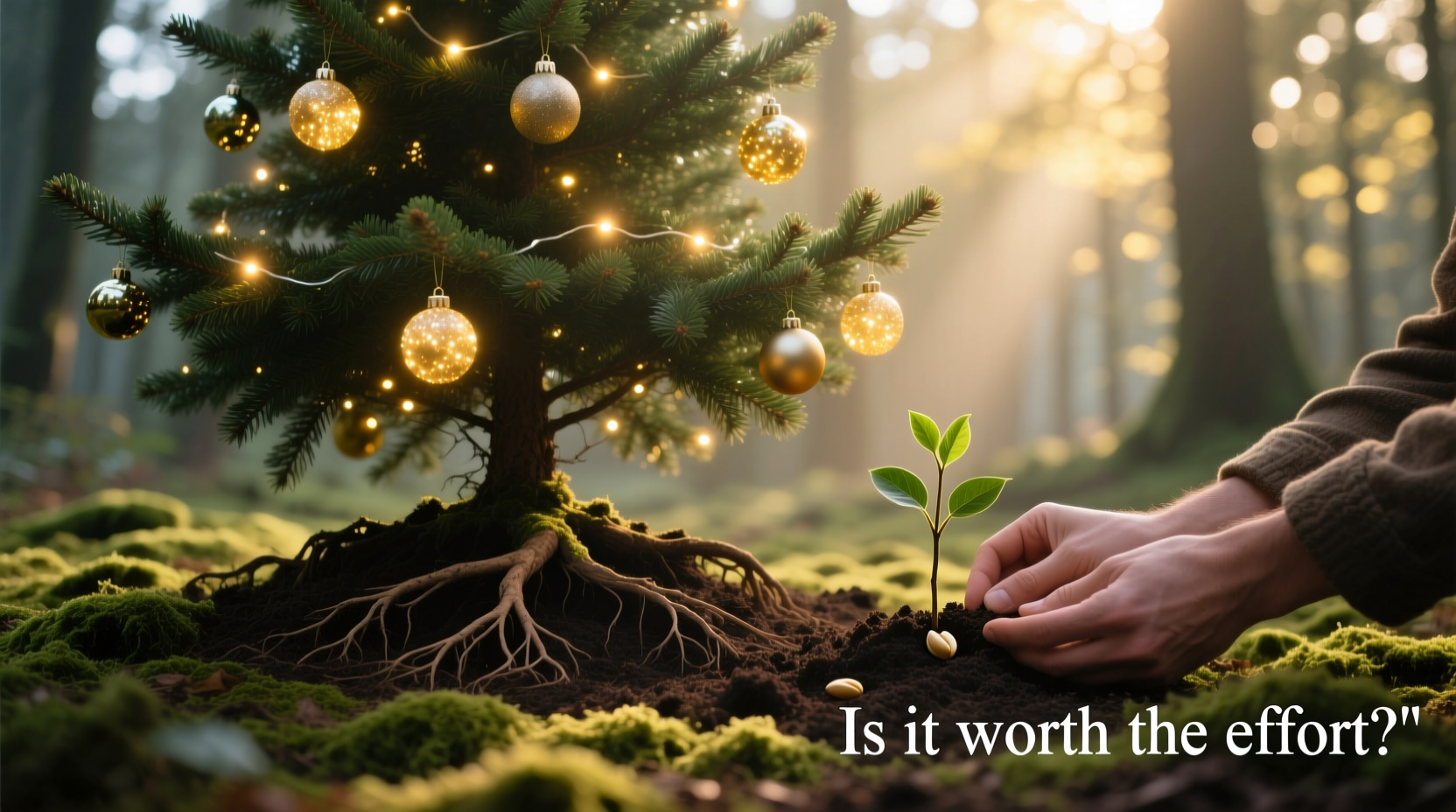
A living Christmas tree offers more than just festive cheer; it represents a meaningful extension of holiday traditions into lasting environmental stewardship. Unlike cut trees, which are harvested and eventually discarded, a living tree continues to grow, absorb carbon dioxide, and provide habitat for wildlife once planted outdoors.
Many people appreciate the symbolism: bringing nature indoors during winter, then returning it to the earth as a gesture of renewal. Nurseries and garden centers now commonly offer container-grown firs, spruces, and pines — often labeled as “replantable” or “living” Christmas trees — making them accessible to homeowners seeking eco-friendly options.
However, not all potted trees survive the transition from indoor warmth to outdoor soil. The key lies in understanding the biological stress these trees endure and preparing accordingly.
Tip: Choose a tree species native to your region to increase survival chances after planting.Challenges of Indoor Exposure
Evergreen trees evolved to withstand cold winters, but they are not adapted to prolonged exposure to heated indoor environments. Most living Christmas trees suffer physiological shock when brought inside, even for a short time. Warm rooms dry out needles, disrupt dormancy cycles, and weaken root systems.
Experts agree that no evergreen should remain indoors for more than 7–10 days. Beyond this window, the risk of irreversible damage increases significantly. During dormancy, trees rely on cool temperatures to maintain metabolic balance. When placed near radiators or fireplaces, their internal clocks become confused, prompting premature growth that cannot survive sudden re-exposure to freezing conditions.
“Bringing an evergreen indoors is like forcing it to wake up from hibernation in the middle of winter — it’s stressful and often fatal.” — Dr. Linda Foster, Urban Forestry Specialist, University of Vermont Extension
Additionally, low indoor humidity causes needle browning and drop, similar to cut trees. Even with regular watering, the potted root ball dries quickly in warm air, further stressing the tree.
Step-by-Step Guide to Successfully Planting a Living Christmas Tree
If you're committed to giving a living tree its best chance, follow this timeline and process carefully:
- Choose the Right Species (Early November): Select cold-hardy, regionally appropriate trees such as Colorado blue spruce, white pine, or Fraser fir (depending on your zone). Avoid non-native or tropical varieties sold as novelties.
- Prepare the Planting Site (Late Fall): Dig a hole twice as wide as the root ball before the ground freezes. Store the excavated soil in a garage or shed to keep it workable.
- Acclimate Before Bringing Indoors (December 1–10): Keep the tree in an unheated garage or sheltered porch for a few days to gradually adjust to warmer temperatures.
- Limited Indoor Display (Max 7 Days): Place the tree away from heat sources. Water daily to keep the soil moist but not soggy.
- Post-Holiday Acclimation (January): Return the tree to a cold frame, unheated garage, or shaded outdoor area for 7���10 days before planting.
- Plant at Thaw (Late January–February): If the ground isn’t frozen, plant immediately. Otherwise, heel-in the pot in mulch and wait for a thaw.
- Aftercare (Spring Onward): Water weekly during the first growing season. Apply mulch and protect from wind and deer if needed.
Cost Comparison: Living vs. Cut Trees
Living trees typically cost more upfront than cut ones. Below is a breakdown of average expenses across the U.S.:
| Tree Type | Average Purchase Price | Additional Costs | Survival Rate (Est.) |
|---|---|---|---|
| Cut Christmas Tree | $50–$80 | Stand, disposal fee | N/A (discarded) |
| Living Potted Tree (6–7 ft) | $120–$200 | Potting soil, planting labor, post-plant watering system | 30%–60% (with proper care) |
| Balled & Burlapped (B&B) Tree | $150–$300+ | Heavy lifting equipment, professional planting recommended | 50%–70% |
While the initial investment is higher, the long-term value of a mature landscape tree can outweigh the cost — provided it survives. A healthy 20-year-old spruce adds shade, privacy, and aesthetic value to a property, potentially increasing curb appeal.
Tip: Rent a living Christmas tree from local nurseries that handle transport, planting, and maintenance for a fee — a lower-risk alternative.Real-World Example: The Johnson Family Experiment
In suburban Wisconsin, the Johnsons decided to try a living white pine for the first time in 2020. They purchased a 7-foot tree in a 15-gallon container from a nearby arboretum, paid $180, and prepared a planting site in October. The tree spent six days indoors near a north-facing window, watered every morning.
After Christmas, they moved it to an insulated shed for two weeks before planting during a mid-January thaw. They installed a drip irrigation line and surrounded the base with wood chips. By summer, the tree showed new growth and survived three harsh winters since.
“It wasn’t easy,” says Mark Johnson. “We almost gave up when half the needles turned brown in March. But our arborist said to be patient. Now it’s the centerpiece of our backyard.”
Their success was due to preparation, regional suitability, and consistent aftercare — factors many overlook when opting for a living tree on impulse.
Checklist: Is a Living Christmas Tree Right for You?
- ✅ Do you live in a climate where evergreens grow well year-round?
- ✅ Do you have suitable outdoor space with adequate sunlight and drainage?
- ✅ Can you limit indoor display to one week or less?
- ✅ Are you willing to prepare the planting hole in advance?
- ✅ Can you commit to watering and monitoring the tree for at least two growing seasons?
- ✅ Have you selected a hardy, native species recommended for your USDA zone?
- ✅ Are you prepared for the possibility that the tree may not survive despite your efforts?
If you answered “no” to any of the first six questions, a cut tree — especially one sourced from a sustainable farm — may be a more responsible choice. Alternatively, consider renting a living tree through a local program that ensures professional handling and replanting.
Frequently Asked Questions
Can I keep a living Christmas tree in a pot permanently?
Yes, but only with ongoing care. Dwarf or slow-growing varieties like dwarf Alberta spruce can thrive in containers for years if repotted every 3–5 years, protected from extreme cold, and watered consistently. However, most standard-sized evergreens will eventually outgrow pots and require transplanting.
What happens if I leave the tree indoors too long?
Extended indoor exposure breaks dormancy, causing buds to swell and roots to activate. When returned to freezing temperatures, the tree can’t re-enter dormancy and often dies from dehydration or frost damage. Symptoms include browning needles, brittle branches, and lack of spring growth.
Are there eco-friendlier alternatives to both cut and living trees?
Absolutely. Consider a potted herb arrangement shaped like a tree, a reusable artificial tree made from recycled materials, or supporting a community tree-lighting event instead of having one at home. Some families also opt for a “tree-less” holiday with creative centerpieces or donate to reforestation programs in lieu of a physical tree.
Expert Insight: Balancing Idealism and Practicality
While the concept of a living Christmas tree aligns with ecological values, professionals urge realistic expectations.
“People see the living tree as a win-win — festive now, green later. But nature doesn’t operate on sentiment. These trees need precise conditions to survive the transition. It’s not enough to ‘mean well’ — you need knowledge and follow-through.” — Sarah Nguyen, Certified Arborist and Director of Green City Initiative
She emphasizes that poorly managed attempts can lead to wasted resources and dead trees — outcomes worse than using a responsibly harvested cut tree. “Sustainable forestry supports jobs, manages ecosystems, and recycles nutrients. A failed living tree leaves behind only guilt and a hole in the yard.”
Conclusion: Weighing Effort Against Impact
A living Christmas tree you plant afterward can be a rewarding, environmentally conscious choice — but only under the right conditions. Success demands research, preparation, and dedication far beyond typical holiday decorating. For those with suitable yards, favorable climates, and willingness to follow strict timelines, the payoff is a lifelong tree that grows alongside your memories.
Yet for many households, especially in urban areas or regions with harsh winters, the practical challenges outweigh the benefits. In such cases, choosing a locally grown cut tree from a sustainable farm, recycling it into mulch, or supporting reforestation efforts may offer a more impactful path to eco-friendly celebrations.
The true measure of sustainability isn’t just intent — it’s outcome. Whether you choose a living tree or another alternative, what matters most is making an informed decision that respects both nature and reality.
🚀 Ready to make a difference? Share your own experience with living Christmas trees in the comments below — successes, lessons learned, or tips for others considering the switch. Your story could help someone avoid common pitfalls and grow something beautiful.