
For millions around the world, anime is more than entertainment—it’s a cultural force that shapes identity, values, and personal expression. As its global influence grows, so does its presence on skin. Anime tattoos have surged in popularity, transforming beloved characters, symbols, and scenes into permanent ink. But beneath the vibrant lines and nostalgic imagery lies a deeper question: are these tattoos enduring tributes to formative experiences, or fleeting impulses driven by temporary obsession?
The answer isn’t simple. What begins as admiration for a character like Spike Spiegel from *Cowboy Bebop* or a pivotal moment in *Neon Genesis Evangelion* can evolve into a lifelong emblem of resilience, loss, or self-discovery. Yet, just as often, fans find themselves years later questioning a tattoo of a high school crush from *Your Name* or an early-season *Naruto* logo. The permanence of ink forces a confrontation between passion and perspective—one that deserves careful examination.
The Emotional Weight Behind Anime Tattoos
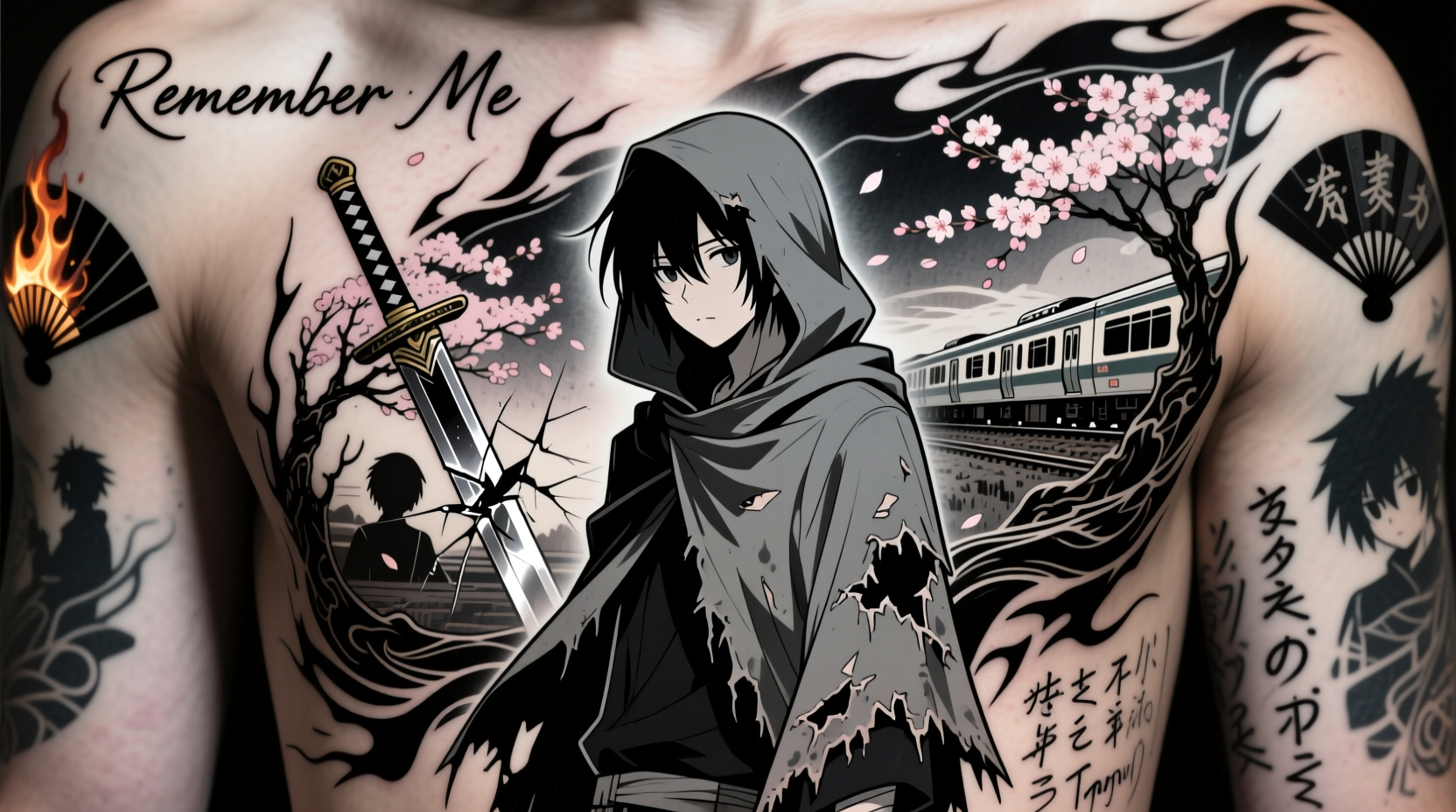
Anime often deals with profound themes: existential dread, the search for purpose, grief, redemption, and human connection. Series like *Fullmetal Alchemist: Brotherhood*, *Clannad*, and *Steins;Gate* resonate not because of their animation quality alone, but because they mirror real emotional struggles. When viewers see themselves in Edward Elric’s relentless pursuit of atonement or Okabe Rintarou’s descent into isolation and recovery, the bond transcends fandom.
This emotional resonance is what elevates certain anime tattoos beyond aesthetic choices. A tattoo of Alphonse Elric’s armor might symbolize protection after surviving abuse. The NERV logo could represent a person’s battle with mental health, echoing Shinji Ikari’s internal conflict. These designs become visual mantras—reminders of survival, growth, or transformation.
“Tattoos rooted in narrative carry more staying power than those based purely on likeness. When someone chooses a scene over a face, it usually means the story changed them.” — Lila Tran, tattoo historian and curator of the Modern Mythology Ink ArchiveTip: If you're considering an anime tattoo, ask yourself: “Does this character or scene reflect who I am—or who I once needed to be?”
Cultural Significance and Identity Expression
In Japan, traditional tattooing has long been associated with rebellion, spirituality, and craftsmanship. While modern anime tattoos diverge stylistically from irezumi, they inherit a similar function: marking identity through symbolic storytelling. For diasporic communities and non-Japanese fans, anime tattoos can also serve as bridges to a culture they deeply admire—even if indirectly.
For some, getting a tattoo of Studio Ghibli’s Totoro isn’t just about childhood nostalgia; it’s reclaiming innocence lost during trauma. Others ink the *Attack on Titan* wings of freedom to signify liberation from oppressive environments. These acts are not whimsical—they’re declarations of autonomy, memory, and meaning.
However, cultural sensitivity remains crucial. Using sacred Japanese motifs (like koi fish, cherry blossoms, or kanji) without understanding their context risks appropriation. A poorly translated kanji tattoo—infamously common—can turn a tribute into a linguistic error with unintended meanings.
Do’s and Don’ts of Culturally Conscious Anime Tattoos
| Do | Don't |
|---|---|
| Research the symbolism behind elements like dragons, waves, or specific colors | Use Japanese text without consulting a native speaker or linguist |
| Honor the original creator by crediting the anime and artist when sharing your tattoo | Tattoo religious symbols (e.g., Buddhist mantras) as decoration |
| Choose designs that align with your personal journey, not just current trends | Copy another fan’s tattoo design without modification or permission |
| Work with artists experienced in anime or Japanese-style illustration | Assume all anime aesthetics are interchangeable across cultures |
When Fandom Fades: The Risk of Regret
Not every anime tattoo stands the test of time. Trends shift. Personal tastes evolve. A character once idolized may later seem shallow or problematic in light of new perspectives. This is especially true for tattoos inspired by early exposure to anime—such as *Dragon Ball Z* or *Bleach*—which many discover during adolescence, a period marked by intense but transient passions.
A 2022 survey conducted by the International Society of Tattoo Artists found that 37% of people with character-based tattoos from media franchises reported mild to strong regret within ten years. Common reasons included:
- Outgrowing the fandom
- Changes in personal values
- Professional stigma in conservative workplaces
- Poor placement or execution
Unlike clothing or posters, tattoos cannot be easily discarded. Removal is costly, painful, and often leaves scarring. This makes foresight essential.
Mini Case Study: From Devotion to Detachment
Javier M., now 34, got his first tattoo at 19—a full-back piece of Naruto Uzumaki breaking free from chains, symbolizing his escape from a controlling home environment. At the time, the series was his lifeline. He spent hours studying Japanese, attending conventions, and writing fan fiction.
By 28, Javier had moved into corporate finance. His views on perseverance matured, and he began to see Naruto’s simplistic heroism as naive. The tattoo, once empowering, started to feel like a relic of immaturity. “I don’t hate it,” he says, “but I wouldn’t get it again. It’s like looking at an old diary entry—you remember the pain, but you’ve grown past it.”
He opted for a cover-up two years later, transforming the image into a stylized phoenix rising through abstract flames—keeping the theme of rebirth, but shedding the specific iconography.
Tip: Consider starting with a smaller, less visible anime tattoo before committing to a large-scale piece.Designing for Longevity: A Step-by-Step Guide
To ensure your anime tattoo remains meaningful for decades, follow this structured approach before booking an appointment.
- Reflect on Your Connection: Ask why this character, quote, or scene matters. Is it tied to a life event? Does it embody a value you still hold?
- Wait at Least Six Months: If the idea persists beyond initial excitement, it’s more likely to endure. Avoid impulsive decisions after binge-watching a series.
- Consult a Specialist Artist: Find someone skilled in anime styles or illustrative realism. Review their portfolio for consistency in line work and shading.
- Customize, Don’t Copy: Instead of replicating a screencap, collaborate on a unique interpretation—perhaps blending the character with personal symbols.
- Test Placement and Size: Use temporary tattoos or drawings to visualize how it looks on your body. Larger pieces age differently due to skin elasticity.
- Plan for Aging and Changes: Understand that tattoos stretch, blur, and fade. Black ink holds best; neon colors degrade faster.
This process transforms impulse into intention. It shifts the focus from “I love this show” to “This show helped shape me.”
Expert Insight: The Psychology of Media-Inspired Tattoos
Dr. Naomi Reyes, a cultural psychologist specializing in identity formation, explains: “Media figures often serve as archetypes during developmental years. A tattoo of Sailor Moon might represent empowerment for a young woman navigating independence. The key is whether the symbol continues to reflect her inner world years later.”
“People don’t tattoo characters—they tattoo what those characters represent at a pivotal moment. The danger is assuming that moment defines them forever.” — Dr. Naomi Reyes, PhD, Cultural Psychology Lab, University of Toronto
She advises clients to pair character tattoos with abstract elements—such as geometric patterns, nature motifs, or quotes in their own handwriting—to ground the design in broader personal narrative rather than singular fandom.
Frequently Asked Questions
Can an anime tattoo be professional?
Yes, depending on placement and workplace culture. Small, discreet tattoos on wrists, shoulders, or behind the ear are often concealable. In creative industries—animation, gaming, design—anime tattoo may even signal shared expertise. However, in law, finance, or healthcare, visibility may require caution.
What if I regret my anime tattoo?
Regret is common but manageable. Options include laser removal (typically 6–12 sessions, $200–$500 each), surgical excision, or artistic cover-ups. Many tattoo artists specialize in reworking old ink into new designs. Some incorporate the original image into a larger composition—for example, turning Goku into a mythological warrior within a celestial scene.
Are there anime tattoos that tend to age better?
Yes. Tattoos featuring universal themes—light vs. darkness, journey, transformation—age better than those relying on specific character likenesses or dated art styles. Minimalist interpretations, such as a single iconic item (e.g., L’s spoon, Light’s Death Note) or symbolic color palettes, also maintain relevance longer.
Checklist: Before You Get Inked
- ✅ I’ve loved this anime for more than two years
- ✅ The character/scene connects to a personal experience or belief
- ✅ I’ve discussed the design with a professional tattoo artist
- ✅ The placement allows for future changes (e.g., cover-up potential)
- ✅ I’ve considered how it might look in 10+ years
- ✅ I’m not getting it to impress others or chase a trend
- ✅ I understand aftercare requirements and healing timeline (typically 2–4 weeks)
Conclusion: Symbols That Outlast the Screen
Anime tattoos sit at the intersection of art, memory, and identity. They can be powerful affirmations of growth or poignant markers of where we’ve been. But they demand honesty—with ourselves about why we want them, and with the medium we admire.
The most meaningful tattoos aren’t those that replicate a frame from a favorite episode, but those that translate its emotional truth into something uniquely personal. Whether it’s a quiet silhouette of Chihiro walking toward the spirit world or a bold recreation of the *Death Note* title glowing on skin, the lasting value lies not in the ink, but in the intention behind it.
💬 Have an anime tattoo that still resonates with you? Or one you’ve reinterpreted over time? Share your story in the comments—your experience could guide someone standing at the same crossroads.








