High-heat searing is a cornerstone of flavorful cooking—whether you're locking in juices on a steak, caramelizing vegetables, or building a rich fond for deglazing. But when temperatures climb above 400°F (204°C), many conventional nonstick pans release harmful fumes or degrade, posing risks to both health and performance. Choosing cookware that can withstand intense heat without leaching toxins is essential for safety, durability, and culinary success. This guide explores the safest, most effective non-toxic options designed specifically for high-heat searing, backed by material science, expert insights, and real-world testing.
Why Non-Toxic Matters at High Heat
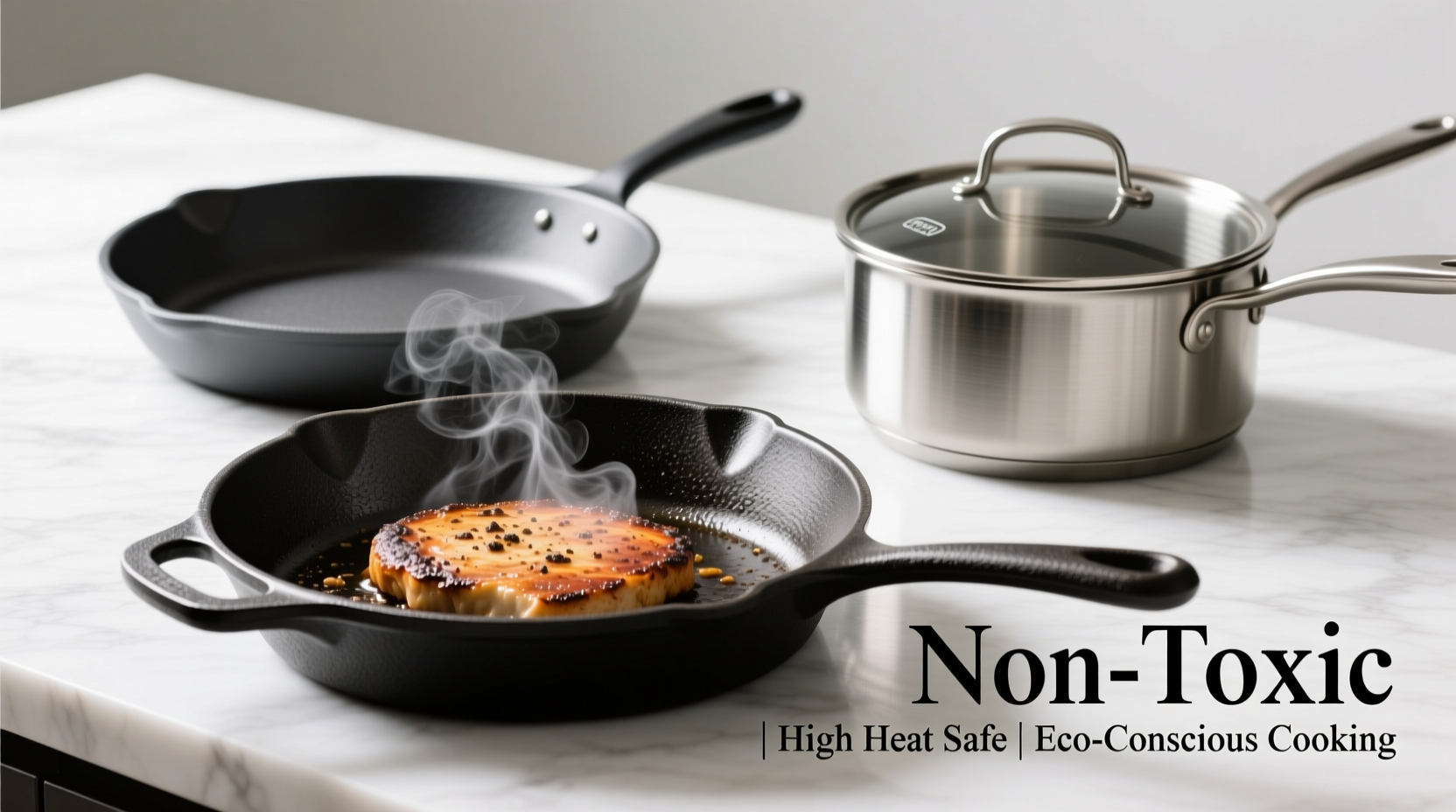
When cookware is exposed to high temperatures, especially above 500°F (260°C), certain materials begin to break down. Traditional nonstick coatings like PTFE (commonly known as Teflon) can emit toxic fumes when overheated, which may cause flu-like symptoms in humans and are lethal to birds. Additionally, some ceramic coatings contain nanoparticles or undisclosed binders that may degrade under thermal stress.
The concern isn't just about immediate fumes—it's also about long-term exposure. Repeated use of cookware that releases metals or chemicals into food can contribute to bioaccumulation of substances like aluminum, cadmium, or perfluorinated compounds (PFCs), which have been linked to hormonal disruption and other health issues.
“Cookware should enhance your meal, not contaminate it. At high temperatures, inert materials like carbon steel, cast iron, and pure ceramics are far safer than synthetic-coated alternatives.” — Dr. Lena Torres, Environmental Health Scientist, Harvard T.H. Chan School of Public Health
Non-toxic cookware for searing must meet three criteria: thermal stability (no off-gassing), chemical inertness (won’t react with acidic or alkaline foods), and mechanical durability (resists warping or flaking).
Top Non-Toxic Materials for High-Heat Searing
Not all materials perform equally under extreme heat. Below is a breakdown of the most reliable non-toxic options, ranked by safety, heat tolerance, and practicality.
1. Carbon Steel
Carbon steel is forged from iron and a small amount of carbon, making it lightweight compared to cast iron but nearly as durable. When properly seasoned, it develops a natural nonstick surface ideal for searing meats, fish, and vegetables. It can safely handle temperatures up to 900°F (482°C), well beyond the smoke point of most oils.
Unlike coated pans, carbon steel doesn’t rely on synthetic layers. Its surface improves with use, forming a polymerized layer of oil that protects against rust and enhances performance. Over time, this seasoning becomes increasingly slick and resistant to sticking.
Tip: Avoid using soap on seasoned carbon steel—rinse with hot water and scrub gently with a brush. Dry immediately and apply a thin coat of oil after each use.2. Cast Iron
A classic choice for high-heat cooking, cast iron retains heat exceptionally well and distributes it evenly. Modern pre-seasoned models eliminate the labor-intensive initial preparation once required. Like carbon steel, it’s completely free of synthetic coatings and can endure temperatures exceeding 700°F (371°C)—perfect for stovetop-to-oven transitions.
One caveat: uncoated cast iron can leach small amounts of iron into food, which may be beneficial for those with deficiencies but problematic for individuals with hemochromatosis. However, the amount transferred is minimal and generally considered safe by the FDA.
3. Pure Ceramic (Glazed Stoneware)
True ceramic cookware—made from kiln-fired clay and glazed with non-metallic, lead-free finishes—is inherently inert and non-reactive. High-fired ceramics can tolerate heat up to 850°F (454°C) and do not emit fumes. Look for brands certified by third parties like Proposition 65 (California) or NSF International to ensure no heavy metals or toxins are present.
Note: This refers to solid ceramic pots and skillets—not ceramic-coated metal pans, which often have aluminum cores and thin glazes that degrade over time.
4. Stainless Steel (with Caution)
Stainless steel is highly durable and non-reactive, composed primarily of chromium, nickel, and iron. It resists corrosion and can handle temperatures up to 800°F (427°C). However, its main drawback is poor heat distribution unless paired with an encapsulated aluminum or copper core.
While stainless steel itself is safe, avoid scratching the surface with metal utensils, as this can expose underlying layers. Also, some lower-grade alloys may leach nickel into acidic foods over time. Opt for 18/10 or 18/8 grades from reputable manufacturers.
5. Enameled Cast Iron
This combines the heat retention of cast iron with a glass-like porcelain enamel coating that prevents iron leaching and eliminates the need for seasoning. Brands like Le Creuset and Staub offer enameled Dutch ovens and skillets capable of withstanding 500°F+ searing.
The enamel is chemically stable and does not off-gas. However, chipping can occur if dropped or subjected to rapid temperature changes, so care is needed during cleaning and storage.
Comparison Table: Best Non-Toxic Cookware for Searing
| Material | Max Safe Temp | Toxicity Risk | Nonstick Performance | Maintenance Level |
|---|---|---|---|---|
| Carbon Steel | 900°F (482°C) | None (when seasoned) | High (with use) | Moderate |
| Cast Iron | 700°F+ (371°C+) | Minimal iron leaching | High (seasoned) | Moderate |
| Pure Ceramic | 850°F (454°C) | None (if certified) | Medium | Low |
| Stainless Steel | 800°F (427°C) | Low (nickel sensitivity) | Low (without oil) | Low |
| Enameled Cast Iron | 500–550°F (260–288°C) | None (unless chipped) | Medium | Low-Moderate |
Real-World Example: A Chef’s Switch to Non-Toxic Searing
Jessica Lin, a former line cook at a Michelin-recommended bistro in Portland, made the switch to carbon steel after experiencing headaches during long shifts. She suspected her old nonstick sauté pans were the culprit.
\"We were searing scallops and duck breasts daily at full blast,\" she recalls. \"After switching to Matfer Bourgeat carbon steel pans, not only did my kitchen feel safer, but the food tasted better—crisper crusts, more consistent browning. I realized how much control I’d been missing with flimsy nonstick.\"
Within months, her entire station transitioned to carbon steel and stainless steel. “It’s heavier, yes,” she says, “but once you learn how to manage the heat, there’s no going back.” Her experience underscores a growing trend: professional kitchens prioritizing both performance and safety through non-toxic materials.
Step-by-Step Guide to Seasoning Carbon Steel or Cast Iron
Proper seasoning ensures a naturally nonstick, rust-resistant surface. Follow these steps to prepare your pan for high-heat searing:
- Wash and dry thoroughly: Remove any factory coating with warm water and mild detergent. Dry completely with a towel, then place on a burner over low heat to evaporate residual moisture.
- Apply thin oil layer: Use a high-smoke-point oil (e.g., grapeseed, sunflower, or flaxseed). Wipe a paper towel dipped in oil across the entire surface—inside, outside, and handle.
- Heat upside-down: Place the pan upside-down in an oven preheated to 450°F (232°C) for one hour. Put a tray beneath to catch drips.
- Cool and repeat: Turn off the oven and let the pan cool inside. Repeat 2–3 times for a robust base layer.
- Maintain with use: After each cook, clean with hot water, dry, and re-oil lightly. Avoid soaking or dishwashers.
Over time, the seasoning will darken and become slicker. If food starts sticking or rust appears, re-season following the same process.
What to Avoid: Common Pitfalls in Non-Toxic Cookware Choices
- Ceramic-coated aluminum pans: While marketed as “non-toxic,” many have soft ceramic layers over aluminum bases. These coatings wear down quickly under high heat, exposing reactive metal.
- Anodized aluminum: Hard-anodized surfaces are durable, but if scratched, they can expose aluminum, which may react with acidic ingredients like tomatoes or wine.
- Nonstick with PFOA/PFAS: Even if labeled “PFOA-free,” some coatings still contain related fluorinated chemicals linked to long-term environmental and health concerns.
- Unverified imported brands: Some budget-friendly options lack independent safety certifications. Stick to brands with transparent sourcing and lab testing.
Buying Checklist: How to Choose Safe, High-Heat Cookware
Before purchasing, verify the following:
- ✅ Material is 100% carbon steel, cast iron, pure ceramic, or surgical-grade stainless steel.
- ✅ No synthetic nonstick coatings (PTFE, PFAS, or proprietary “green” polymers).
- ✅ Third-party certification (e.g., FDA-compliant, Prop 65 compliant, LFGB, or NSF).
- ✅ Oven-safe to at least 500°F (260°C) for versatility.
- ✅ Ergonomic handle design with stay-cool properties (especially important for carbon steel).
- ✅ Manufacturer provides clear care instructions and warranty.
Frequently Asked Questions
Can I use olive oil to season my carbon steel pan?
Not recommended. Extra virgin olive oil has a low smoke point and can leave a sticky residue. Use refined oils like grapeseed, avocado, or sunflower oil instead—they polymerize more effectively at high heat.
Is stainless steel truly non-toxic at high heat?
Yes, stainless steel is thermally stable and does not emit fumes. However, prolonged cooking of acidic foods (like tomato sauce) in scratched or low-quality pans may increase nickel leaching. For sensitive individuals, enameled or carbon steel alternatives may be preferable.
How do I know if my ceramic cookware is safe?
Look for explicit statements that it’s free of lead, cadmium, and PFAS. Reputable brands like Xtrema (100% ceramic) or GreenPan (using Thermolon, a silicon-based ceramic) publish test results. Avoid products without verifiable safety data.
Final Recommendations
For serious searing, **carbon steel** stands out as the optimal balance of performance, safety, and longevity. It heats quickly, browns beautifully, and becomes more effective with use. **Cast iron** remains a close second, especially for deep searing or oven finishes. **Pure ceramic** and **enameled cast iron** suit those prioritizing zero-maintenance surfaces, though they’re less responsive to heat adjustments.
Investing in non-toxic, high-heat cookware isn’t just about health—it elevates your cooking. You gain better control, deeper flavors, and peace of mind knowing your tools support both culinary excellence and long-term wellness.
🚀 Ready to upgrade your kitchen? Start with one high-quality carbon steel skillet—use it daily, season it consistently, and experience the difference real, non-toxic searing can make. Share your journey or ask questions in the comments below.