Walk into any high-end home goods store or scroll through luxury bedding websites, and you’ll find pillowcases selling for $100, $200, even $300 apiece. Brands like Frette, Parachute, Brooklinen, and Boll & Branch dominate the conversation, promising hotel-quality sleep, skin benefits, and long-term durability. But with a standard cotton pillowcase costing less than $15, it’s fair to ask: Are designer pillowcases truly worth the investment? Or is this just clever marketing capitalizing on wellness trends and aspirational lifestyles?
The truth lies somewhere in between. While some premium pillowcases deliver real value, others rely heavily on branding and perception. Understanding exactly what you’re paying for—beyond the label—is key to making an informed decision that aligns with your comfort, budget, and values.
What Makes a Pillowcase \"Designer\"? Defining the Category
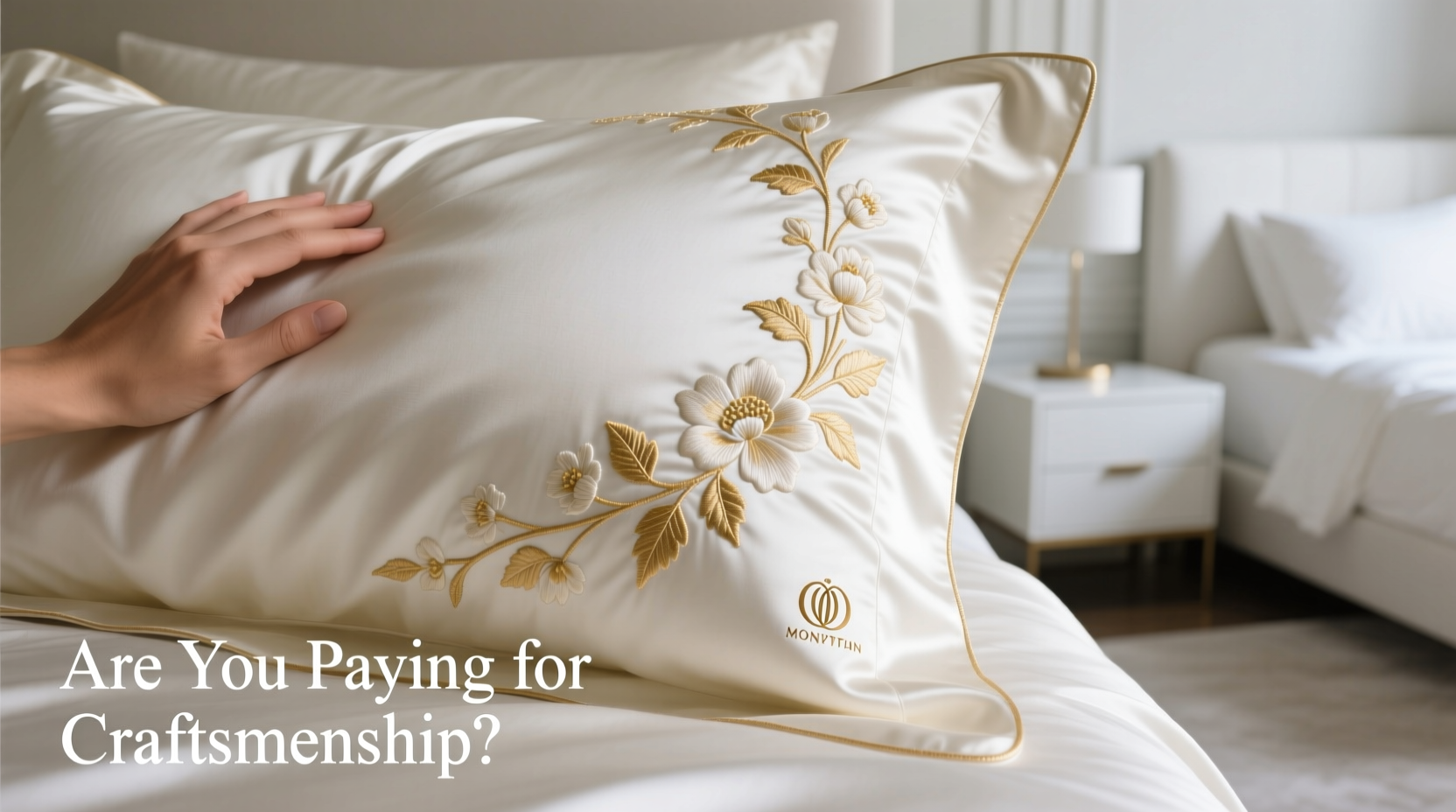
The term “designer” in bedding typically refers to brands that position themselves as premium through a combination of materials, craftsmanship, aesthetics, and exclusivity. These brands often emphasize:
- Luxurious fabrics like Egyptian or Pima cotton, silk, or linen
- High thread counts (often 400–800+)
- Ethically sourced or organic materials
- Meticulous stitching and finishing details
- Premium packaging and branding
However, not all designer labels adhere to strict quality standards. Some leverage their name recognition to justify steep markups without offering commensurate improvements in performance or longevity.
“Just because a brand says ‘luxury’ doesn’t mean the product performs like one. You have to look past the packaging and examine fiber quality, weave type, and transparency.” — Lena Torres, Textile Consultant and Sustainable Home Goods Advocate
Breaking Down the Cost: What You’re Actually Paying For
To assess whether a designer pillowcase is worth its price, it helps to dissect the components of cost. Here's a realistic breakdown of where your money goes:
| Cost Factor | Description | Typical % of Final Price |
|---|---|---|
| Raw Materials | High-grade cotton, silk, or linen; organic certifications add cost | 20–30% |
| Manufacturing & Labor | Fair wages, ethical factories, small-batch production | 15–25% |
| Branding & Marketing | Advertising, influencer campaigns, retail partnerships | 25–40% |
| Retail Markup | Store overhead, e-commerce fulfillment, distribution | 20–30% |
| Packaging & Design | Gift-ready boxes, custom tags, aesthetic presentation | 5–10% |
As the table shows, only about half of the final price may go toward actual product quality. The rest supports brand image, advertising, and retail margins. This isn't inherently bad—strong branding can reflect consistency and trust—but it does mean you're paying for more than fabric alone.
Material Matters: Silk, Sateen, Linen, and Beyond
The fabric is the most critical factor in both comfort and cost. Let’s compare the most common materials used in designer pillowcases:
- Silk (especially mulberry silk): Known for being gentle on hair and skin, reducing friction and moisture loss. Genuine silk starts around $80–$120 per pillowcase and requires delicate care. Beware of “silk-like” blends that offer none of the benefits.
- Pima or Egyptian Cotton Sateen: Offers a soft, lustrous finish with good breathability. High-quality versions use long-staple fibers that resist pilling. Thread count matters less than fiber origin and weave tightness.
- Linen: Naturally temperature-regulating and durable, but wrinkly and initially stiff. Premium linen cases range from $60–$150 due to limited supply and labor-intensive processing.
- Organic Cotton: Grown without synthetic pesticides, appealing to eco-conscious buyers. Certifications like GOTS ensure authenticity but increase production costs.
Do Benefits Like Skin and Hair Health Hold Up?
One major selling point of luxury pillowcases—especially silk—is their purported benefit for skin and hair. Claims include reduced facial wrinkles, fewer split ends, and less frizz. Is there science behind this?
Silk’s smooth surface creates less friction than cotton, which can help minimize tugging on delicate facial skin and reduce bedhead. A 2017 study published in *Skin Research and Technology* found that participants sleeping on silk pillowcases reported softer hair and smoother skin compared to cotton. However, the sample size was small, and results were self-reported.
Similarly, satin-finish cotton sateen offers a silky feel at a lower price, though it lacks the natural hypoallergenic and temperature-regulating properties of real silk.
For people with curly or fragile hair, or sensitive skin conditions like rosacea, switching to a smoother fabric may provide noticeable benefits. But for the average sleeper, the difference might be subtle—more comfort than transformation.
Real-World Example: One Year With a $180 Silk Pillowcase
Jamie, a 34-year-old graphic designer from Portland, invested in a mulberry silk pillowcase after struggling with dry, frizzy hair and waking up with deep creases on her face. She purchased a well-reviewed brand at $180 for a single case.
After six months of consistent use—hand-washing every week and storing it flat—she noticed her hair felt smoother in the mornings and required less heat styling. Her dermatologist also noted a reduction in irritation along her jawline, possibly due to less nighttime friction.
However, by month ten, the pillowcase began to lose its sheen, and a small snag appeared near the seam. Jamie concluded that while the experience was positive, the long-term value didn’t quite match the price. “I’d buy it again if it were $100,” she said. “At $180, it feels more like a seasonal treat than a staple.”
How to Choose Wisely: A Buyer’s Checklist
Before splurging on a designer pillowcase, run through this checklist to ensure you’re getting genuine value:
- ✅ Verify the material: Look for “100% mulberry silk,” “long-staple Pima cotton,” or “pure European flax linen.”
- ✅ Check third-party certifications: Oeko-Tex, GOTS, or OEKO-TEX Standard 100 indicate safety and sustainability.
- ✅ Read independent reviews: Focus on long-term durability, not just first impressions.
- ✅ Compare care requirements: Silk needs hand-washing; high-thread-count cotton may shrink if not pre-washed.
- ✅ Assess your priorities: Are you buying for health benefits, comfort, aesthetics, or status?
- ✅ Consider alternatives: Many mid-range brands offer similar quality at 40–60% lower prices.
FAQ: Common Questions About Designer Pillowcases
Do high thread counts always mean better quality?
No. Thread counts above 500 offer diminishing returns, and some brands inflate numbers using multi-ply yarns. A 400-thread-count sheet made from long-staple cotton is often superior to an 800-thread-count version made with shorter, weaker fibers.
Can I get the same benefits from a cheaper pillowcase?
In many cases, yes. A well-made sateen cotton or TENCEL™ pillowcase can mimic the smoothness of silk at a fraction of the price. For hair and skin, the surface texture matters more than the brand name.
How long should a designer pillowcase last?
A high-quality silk case should last 1–2 years with proper care. Cotton and linen versions can last 3–5 years or longer if washed gently and rotated regularly.
Final Thoughts: Value vs. Vanity
Designer pillowcases aren’t universally overpriced—but they aren’t automatically superior either. The highest value comes not from the logo stitched into the corner, but from thoughtful design, honest sourcing, and materials that serve your specific needs.
If you prioritize skin and hair health, invest in genuine mulberry silk—with realistic expectations. If you want everyday luxury, consider high-end cotton or TENCEL™ options that balance softness, breathability, and durability. And if you're drawn to the prestige, ask yourself whether the emotional payoff justifies the cost.
Ultimately, the best pillowcase is one that enhances your sleep, fits your lifestyle, and feels worth it when you use it night after night.
🚀 Ready to upgrade your sleep setup? Audit your current bedding, define your priorities, and choose quality over hype. Share your favorite finds—or regrets—in the comments below.








