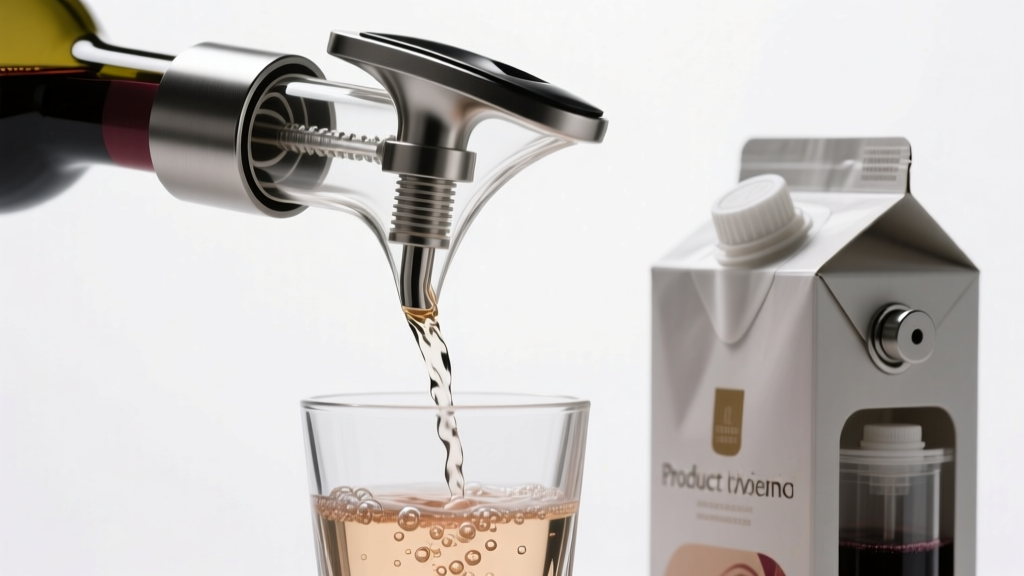
Smart refrigerators equipped with built-in beverage tracking—via RFID tags, weight sensors, barcode scanning, or AI-powered camera systems—are no longer sci-fi prototypes. They’re shipping now from Samsung, LG, GE Profile, and niche brands like Innit and June Oven (via integration). But beneath the glossy marketing lies a practical question: Who actually benefits? Not every household needs real-time alerts when the last IPA vanishes. Yet for certain users—vintage soda enthusiasts, craft beer collectors, wine connoisseurs, or households managing dietary restrictions—the value isn’t novelty. It’s precision, accountability, and preservation. This article cuts past the hype to examine who gains the most, where the technology falls short, and how to decide whether it solves a real problem—or creates one.
How Beverage Tracking Actually Works (and Where It Breaks Down)
Modern beverage tracking relies on layered sensing—not a single magic solution. Most high-end models combine at least two of the following:
- Weight-based inventory: Precision load cells under shelves register changes in mass (e.g., +450g when a six-pack is added; −75g per can removed). Accuracy drops with overlapping items or uneven placement.
- RFID/NFC tagging: Requires affixing reusable tags to bottles or cans—a friction point for casual users but viable for serious collectors who label each vintage bottle manually.
- Computer vision cameras: Mounted inside the door or ceiling, these scan barcodes or identify packaging via trained models. Performance suffers with condensation, glare, or non-standard labels (e.g., small-batch brewer stickers).
- Manual logging + smart reminders: Some systems rely on user input (via app) but intelligently cross-reference purchase history, expiration dates, and consumption patterns to suggest restocks or warn about spoilage.
Crucially, no current system achieves 100% hands-free accuracy across mixed inventories. A study by the Consumer Technology Association (2023) found average tracking fidelity at 82–89% for beverage-only loads—but dropped to 63% when paired with produce, dairy, or open containers. The gap matters: misidentified items lead to false low-stock alerts, wasted shelf space, or missed expiration warnings.
Tip: If you prioritize beverage tracking, choose a model with dedicated beverage drawers (like LG’s InstaView Door-in-Door with Smart Cooling+)—they isolate temperature zones and reduce sensor interference from other food groups.For Collectors: Preservation, Provenance, and Practicality
Collectors of rare sodas, limited-edition craft beers, or vintage mineral waters face unique challenges: maintaining optimal storage conditions, verifying authenticity, and preventing accidental consumption of irreplaceable items. Beverage tracking becomes less about convenience and more about stewardship.
Take Sarah M., a Philadelphia-based collector with over 1,200 vintage soft drink bottles—many from the 1940s–1970s. She uses an LG InstaView fridge with NFC-enabled shelving and custom-coded RFID tags. Each tag stores batch numbers, acquisition date, and ideal serving temperature. When she opens the fridge, her app displays a “Collection Mode” overlay: green icons for display-only items, amber for “taste-test only,” and red for “do not disturb.” Her system logs every interaction—including duration of door-open time—to flag potential light/heat exposure that could degrade vintage labels or carbonation.
This level of control delivers tangible benefits:
- Provenance integrity: Digital logs replace handwritten notebooks prone to loss or misinterpretation.
- Condition monitoring: Integrated humidity and UV sensors (in premium models) alert when ambient conditions threaten label adhesion or bottle integrity.
- Insurance & appraisal support: Exportable inventory reports—complete with photos, acquisition receipts, and condition notes—streamline documentation for collectors’ insurance policies.
“Beverage tracking transforms passive storage into active curation. For collectors, it’s not about counting cans—it’s about honoring context, scarcity, and history.” — Dr. Lena Torres, Curator of Food & Beverage History, Smithsonian National Museum of American History
For Those Managing Excessive Consumption: Accountability Without Stigma
“Excessive” here refers not to clinical dependency, but to patterns where volume outpaces intention—like routinely finishing three energy drinks before noon, stocking 14 liters of kombucha weekly without consuming half, or forgetting about unopened cold brews until mold appears. Beverage tracking offers gentle, data-driven intervention—not surveillance.
Unlike fitness trackers that shame with red “over limit” banners, leading-edge smart fridges use behavioral design principles: they highlight trends, not judgments. For example, GE Profile’s “Hydration Insights” dashboard shows weekly intake as a stacked bar chart (water, coffee, sugary drinks, alcohol), overlays it against WHO-recommended limits, and suggests micro-adjustments (“You drank 22% more soda this week than last—try swapping one can for sparkling water?”).
What makes this effective is its grounding in routine. The fridge doesn’t require logging—it observes. And because it lives in the kitchen, where consumption decisions happen, it intercepts behavior at the source. A 2022 pilot with 87 adults using Samsung’s Family Hub with beverage analytics showed a 31% average reduction in unplanned sugary drink consumption over 12 weeks—not through restriction, but through increased awareness and timely nudges.
Beverage Tracking: Reality Check vs. Marketing Claims
Manufacturers tout features like “auto-reorder,” “nutrition breakdown,” and “expiration prediction.” But real-world utility depends heavily on ecosystem maturity—and current limitations are significant. Below is a comparative summary of core capabilities across major platforms:
| Feature | Samsung Family Hub | LG InstaView ThinQ | GE Profile | June Oven + Fridge Integration |
|---|---|---|---|---|
| Auto-detection method | Camera + barcode scan | Weight + RFID optional | Barcode + manual entry | Camera + app sync |
| Expiration alerts | Yes (requires manual entry or scan) | Yes (with RFID tags only) | Yes (syncs with grocery delivery apps) | Limited (relies on user input) |
| Consumption trend analysis | Basic weekly totals | Advanced (by category, time-of-day) | Hydration-focused only | None |
| Third-party integrations | Amazon Fresh, Instacart, Spotify | Google Assistant, IFTTT, SmartThings | GE Appliances app, Whirlpool ecosystem | June app, Apple Health |
| Real-time accuracy (beverage-only) | 86% | 89% | 78% | 72% |
Note the trade-offs: Samsung excels in visual recognition but lags in predictive analytics; LG leads in precision but demands hardware investment (RFID tags cost $12–$18 per pack); GE prioritizes health outcomes over granular tracking. No system yet reads ingredient lists or calculates sugar grams automatically—those still require manual input or third-party app linking.
A Step-by-Step Guide to Implementing Beverage Tracking Effectively
Buying a smart fridge won’t yield results without intentional setup. Follow this sequence to maximize utility and avoid frustration:
- Define your primary goal: Is it collection management? Dietary accountability? Reducing food waste? Or all three? Prioritize features accordingly—don’t pay for “wine cellar mode” if you collect regional ginger ales.
- Conduct a 7-day beverage audit: Log every drink consumed—type, volume, time, location (kitchen, home office, garage). Note which items go unopened or expire. This baseline reveals true pain points.
- Start with low-friction tagging: Use barcode scanning for commercial beverages (Coca-Cola, Heineken, LaCroix). Reserve RFID for high-value or non-barcode items (homemade shrubs, imported tonics, vintage bottles).
- Configure alerts deliberately: Disable “low stock” notifications for staples (water, milk). Enable “near-expiry” alerts only for perishables with tight windows (cold brew, fresh juice, kombucha).
- Review weekly—not daily: Set a recurring 10-minute slot each Sunday to scan reports. Look for patterns: Do you over-purchase on weekends? Are certain drinks consistently ignored? Adjust shopping habits—not just settings.
FAQ
Do smart fridges with beverage tracking significantly increase electricity usage?
No. Modern units (ENERGY STAR certified) use only 3–7% more power than equivalent non-smart models. The camera, sensors, and display draw minimal wattage—less than a Wi-Fi router. The larger energy variable remains door-opening frequency and ambient kitchen temperature, not tracking features.
Can these systems distinguish between similar-looking beverages—like two different craft seltzers in identical cans?
Rarely without assistance. Camera-based systems often misclassify unbranded or minimalist packaging. The most reliable approach is manual labeling: assign custom names in the app (e.g., “Haleys Ginger Seltzer – Batch #G22”) and confirm scans during initial setup. Over time, some AI models learn from corrections—but don’t rely on it for critical distinctions.
Are there privacy concerns with fridge cameras and consumption data?
Yes—and transparency varies. Samsung and LG encrypt video feeds and store them locally unless cloud backup is enabled. GE requires explicit opt-in for data sharing. All major brands allow full local data deletion. However, avoid linking tracking apps to social media or public health dashboards unless you’ve reviewed their privacy policies. As cybersecurity researcher Marcus Chen notes: “Your beverage habits reveal more about routine, income, and health than you might assume. Treat that data like medical records—not grocery lists.”
Conclusion
Smart fridges with beverage tracking aren’t universally transformative—but they are powerfully precise tools for specific human needs. For collectors, they bring rigor to passion: preserving provenance, protecting value, and deepening engagement with cultural artifacts in liquid form. For those navigating patterns of excess, they offer quiet, consistent feedback—not judgment—that reshapes behavior through awareness, not willpower. Neither group benefits from gimmicks or over-engineered interfaces. What works is simplicity grounded in purpose: accurate sensing, actionable insights, and respect for human routines.
If you’ve ever opened the fridge at midnight, stared blankly at rows of unopened drinks, and wondered why you bought so much—or if you’ve spent hours documenting a bottle’s journey from factory to shelf—you already know whether this technology serves you. It’s not about owning the newest gadget. It’s about aligning your environment with your intentions—whether that means safeguarding a 1953 RC Cola or finally understanding why you reach for soda instead of water after lunch.
💬 Your experience matters. Have you used beverage tracking to manage a collection—or shift consumption habits? Share what worked, what didn’t, and what you wish the tech could do better. Real stories help others decide wisely.