
When winter winds howl and the craving for warmth turns visceral, few dishes deliver comfort like a bowl of creamy potato soup. Among home cooks and food bloggers alike, Ree Drummond’s version—featured on her popular blog The Pioneer Woman—has become a benchmark for what this classic should be: rich without being cloying, hearty without sacrificing elegance, and deeply flavorful thanks to layers of butter, onions, broth, and a generous hand with the cream. This recipe isn’t just about sustenance; it’s about ritual, memory, and the quiet joy of stirring a pot as aromas fill the kitchen. For those seeking a reliable, restaurant-quality soup that’s achievable on a weeknight, Drummond’s method offers both precision and flexibility, making it one of the most trusted recipes in modern American home cooking.
Definition & Overview
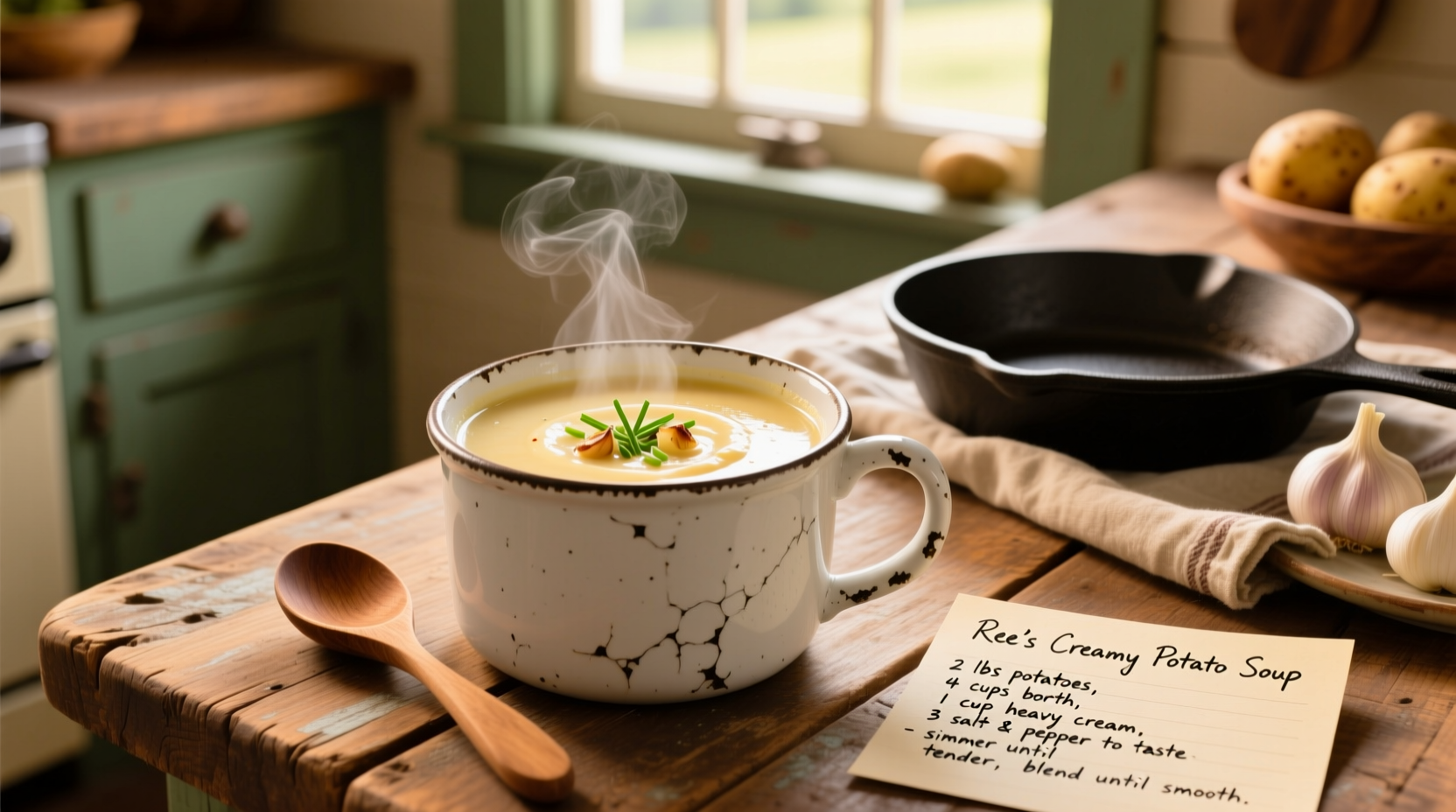
Creamy potato soup is a thick, smooth (or semi-smooth), dairy-enriched soup built around starchy potatoes as the primary ingredient. It belongs to the broader category of puréed soups but often retains some texture through partially mashed or chunky potatoes. The dish traces its roots to Northern European peasant cuisine, where root vegetables were boiled with available fats and preserved meats to create filling meals during long winters. Over time, it evolved in North America into a richer, cream-forward preparation, especially in regions with strong dairy traditions.
Ree Drummond’s rendition stays true to this evolution. Her version uses russet potatoes for their high starch content, which helps naturally thicken the soup. She builds flavor in stages: first sautéing onions and garlic in butter, then simmering the potatoes in chicken broth before finishing with heavy cream and sharp cheddar. Crispy bacon and green onions are added at the end for contrast in both texture and taste. Unlike overly processed versions found in cans, Drummond’s soup relies on whole ingredients and careful layering—a hallmark of her “rustic but refined” cooking philosophy.
Key Characteristics
| Characteristic | Description |
|---|---|
| Flavor Profile | Rich, savory, slightly sweet from onions, with umami depth from bacon and cheese. |
| Aroma | Buttery and warm, with toasted dairy, roasted garlic, and smoky bacon notes. |
| Texture | Creamy with soft potato chunks; can be blended partially or fully depending on preference. |
| Color | Pale ivory to light golden, deepened slightly by sautéed onions and bacon bits. |
| Heat Level | Mild; no inherent spice, though black pepper adds subtle warmth. |
| Culinary Function | Main-course soup, holiday side, or starter for formal dinners. |
| Shelf Life | 3–4 days refrigerated; freezes well for up to 3 months (without garnishes). |
Practical Usage: How to Make Ree Drummond’s Creamy Potato Soup
The strength of Drummond’s recipe lies not only in its ingredients but in its technique. Each step serves a purpose—developing flavor, controlling texture, and ensuring balance. Below is a detailed breakdown of the process, adapted from her original method with additional culinary insights for improved results.
- Sauté Aromatics: Melt ½ cup (1 stick) unsalted butter in a large Dutch oven over medium heat. Add 1 large diced yellow onion and cook until translucent and lightly golden—about 8 minutes. Stir in 3 minced garlic cloves during the last minute to avoid burning.
- Add Potatoes and Broth: Stir in 2.5 pounds peeled and cubed russet potatoes (1-inch pieces). Pour in 4 cups low-sodium chicken broth. Bring to a boil, then reduce to a simmer. Cook uncovered for 15–20 minutes, or until potatoes are fork-tender.
- Incorporate Dairy: Reduce heat to low. Stir in 2 cups half-and-half and 1 cup heavy cream. Do not boil after this point—high heat can cause the dairy to curdle. Warm gently for 5–7 minutes.
- Season and Thicken: In a small bowl, mix ¼ cup all-purpose flour with ½ cup cold milk to make a slurry. Slowly whisk into the soup to thicken. Alternatively, use an immersion blender to purée a portion of the soup directly in the pot—this enhances creaminess while maintaining body.
- Add Cheese and Bacon: Stir in 2 cups shredded sharp cheddar cheese until melted. Fold in 1 cup cooked, crumbled bacon (reserve extra for garnish). Season with salt, freshly ground black pepper, and a pinch of cayenne if desired.
- Garnish and Serve: Ladle into bowls. Top with additional bacon, sliced green onions, sour cream, and a sprinkle of paprika for color.
Pro Tip: For a smoother soup without losing rustic charm, blend only one-third of the pot using an immersion blender. This creates a velvety base while leaving satisfying chunks of potato intact—ideal for texture contrast.
Why This Method Works
The order of operations matters. Starting with butter and onions builds a flavor foundation. Boiling the potatoes in broth infuses them with savoriness before dairy is introduced. Adding dairy at low temperature prevents separation, while the flour slurry or partial blending gives control over consistency. Finally, finishing with cheese and bacon off the heat preserves their integrity—melting the cheese smoothly and keeping the bacon crisp.
Variants & Types
While Drummond’s recipe is definitive, several variations exist—both within her own repertoire and across regional interpretations. Understanding these helps adapt the soup to dietary needs, seasonal preferences, or creative experimentation.
- Loaded Baked Potato Style: Inspired by the iconic side dish, this version includes sour cream stirred in, plus extra cheddar, bacon, and chives. Often served with a dollop of ranch dressing swirl.
- Vegetarian Adaptation: Omit bacon and substitute vegetable broth. Use smoked paprika or liquid smoke (a few drops) to mimic the smokiness. Sharp white cheddar or Gruyère adds depth without meat.
- Dairy-Free Version: Replace butter with olive oil or vegan butter, and use full-fat coconut milk instead of cream. Cashew cream (blended soaked cashews) also works well for richness.
- Roasted Garlic Upgrade: Roast a whole head of garlic beforehand and mash the soft cloves into the soup. This adds sweetness and complexity, reducing reliance on cheese for flavor.
- Herbed Variation: Add fresh thyme (1 tsp) or rosemary (½ tsp, finely chopped) during the sauté stage. These woody herbs complement potatoes beautifully and elevate the aroma.
- Seafood Twist: Some chefs add flaked smoked salmon or poached shrimp at the end for a luxurious take. Pair with dill and lemon zest for brightness.
| Variant Type | Best For | Adjustments Needed |
|---|---|---|
| Loaded Baked Potato | Fans of indulgent toppings | Double bacon, add sour cream garnish |
| Vegetarian | Meat-free diets | Smoked paprika + veggie broth |
| Dairy-Free | Lactose intolerance/vegan | Coconut milk, nutritional yeast |
| Roasted Garlic | Complex flavor seekers | Roast garlic ahead, blend in |
| Lightened-Up | Lower-calorie needs | Use milk instead of cream, skip bacon |
Comparison with Similar Ingredients/Dishes
Creamy potato soup is often confused with other potato-based preparations. While similar in core ingredient, key differences lie in texture, composition, and culinary role.
| Dish | Difference from Ree Drummond’s Soup | When to Choose It |
|---|---|---|
| Vichyssoise | French chilled soup made from leeks, potatoes, and cream. Served cold. | Summer appetizer; elegant dinner party starter |
| Chowder | Thicker, often contains corn, clams, or tomatoes. May include crackers. | Seafood pairing; coastal cuisine contexts |
| Mashed Potatoes (as soup) | Over-mashed version lacks structure; too dense unless diluted. | Leftover transformation only |
| Canned Potato Soup | Uses stabilizers, MSG, artificial flavors; lower potato content. | Emergency use only; inferior taste/texture |
| Colcannon (Irish) | Potato and cabbage/kale mash; served as a side, not souped. | St. Patrick’s Day; vegetarian mains |
“The secret to great potato soup isn’t just the cream—it’s patience. Let the onions sweat slowly, don’t rush the simmer, and never boil once dairy hits the pot.” — Professional chef and soup instructor Maria Thompson
Practical Tips & FAQs
Can I make this soup ahead of time?
Yes. Prepare the soup base (through step 4) up to two days in advance. Store covered in the refrigerator. Reheat gently on the stove, then stir in cheese and bacon just before serving to maintain freshness and texture.
How do I prevent curdling when adding dairy?
Ensure the soup is warm but not boiling when introducing cream or half-and-half. Temper the dairy by ladling a small amount of hot broth into it first, then slowly incorporate back into the pot. Avoid rapid temperature changes.
What kind of potatoes should I use?
Russets are ideal due to their high starch and fluffy texture when cooked. Yukon Golds can be substituted for a waxier, more buttery result—but they may yield a denser soup. Avoid red or new potatoes, which hold their shape too well and don’t break down enough for creaminess.
Is there a gluten-free option?
Absolutely. Skip the flour slurry and instead blend 1–2 cups of the cooked soup using an immersion blender, then return to the pot. The released starch will thicken the mixture naturally. Alternatively, use cornstarch (mix 2 tbsp with cold water) as a slurry substitute.
Can I freeze creamy potato soup?
Yes, but with caveats. Soups with high dairy content can separate upon thawing. To minimize this, freeze before adding cream and cheese. When reheating, add fresh dairy and re-blend slightly. Texture may be slightly grainier, but flavor remains excellent.
How can I boost nutrition without sacrificing flavor?
Incorporate pureed cauliflower (steamed and blended) alongside the potatoes—up to 1:1 ratio. It adds fiber and vitamins with minimal flavor impact. Spinach or kale can be wilted in at the end for color and nutrients.
Storage Guide: Cool completely before storing. Refrigerate in airtight containers for up to 4 days. Reheat slowly over medium-low heat, stirring frequently to prevent scorching.
Substitutions at a Glance
- Butter → Olive oil or vegan butter
- Chicken broth → Vegetable or beef broth
- Heavy cream → Coconut milk or evaporated milk
- Cheddar → Gouda, Monterey Jack, or fontina
- Bacon → Pancetta, prosciutto, or smoked turkey
- Flour → Cornstarch, arrowroot, or potato starch
Summary & Key Takeaways
Ree Drummond’s creamy potato soup stands out not because it reinvents the wheel, but because it perfects a timeless formula. Rooted in simple ingredients and thoughtful technique, it exemplifies how home cooking can achieve professional results with attention to detail. The soup balances richness and comfort, offering versatility across dietary preferences and occasions—from family weeknight dinners to Thanksgiving buffets.
Key elements that define success include using starchy russet potatoes, building flavor gradually through sautéed aromatics, avoiding boiling after dairy addition, and finishing with bold garnishes. Variations allow adaptation for vegetarians, dairy-free eaters, or those seeking lighter options, while comparisons clarify its place among similar dishes.
Whether you follow Drummond’s recipe exactly or tailor it to your pantry and palate, the outcome is consistently rewarding: a steaming bowl of soul-warming goodness that tastes like care, tradition, and the quiet satisfaction of mastering a classic.
Final Thought: Serve this soup with crusty bread or a simple green salad for a complete meal. Encourage guests to customize their bowls with extra toppings—it turns dinner into an interactive experience.