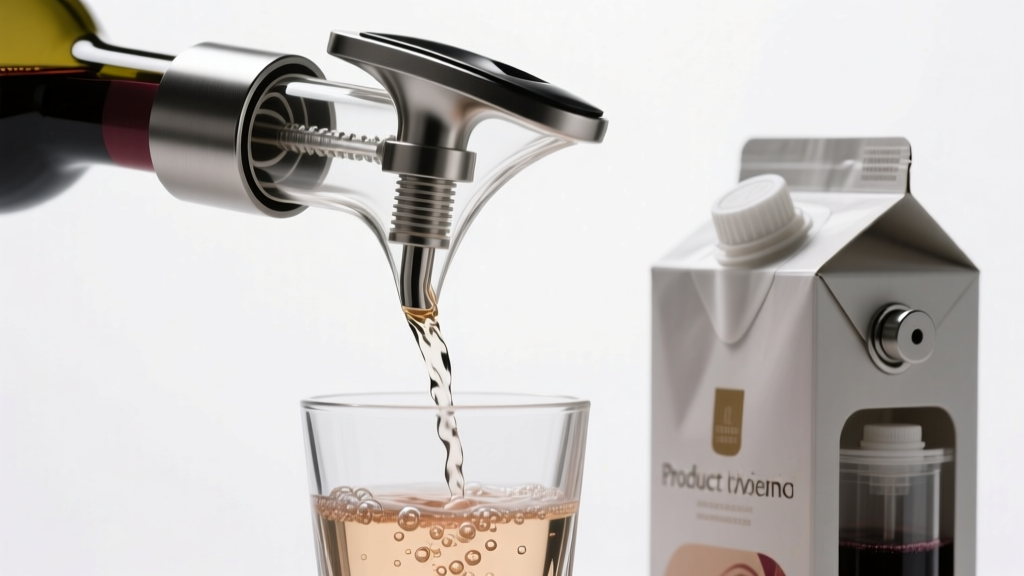
Types, Designs, and Materials of Bottle Sample Collection
Bottle samples play a crucial role in product development, marketing, and quality assurance across multiple industries. These samples allow manufacturers, brands, and consumers to evaluate the design, functionality, material integrity, and user experience before mass production. From cosmetics to beverages, the right sample bottle can influence packaging decisions, sustainability goals, and customer satisfaction.
Cosmetic Packaging Bottle Samples
Ideal for skincare, beauty, and personal care brands looking to showcase new formulations.
Advantages
- Enables customers to test products risk-free
- Effective marketing tool for product launches
- Available in diverse materials (glass, PET, HDPE)
- Variety of dispensing options: droppers, pumps, sprays
Considerations
- Smaller sizes may not reflect full product experience
- Requires careful labeling for clarity
- Potential for leakage if seals are inadequate
Best for: Skincare trials, product sampling campaigns, influencer marketing
Water Bottle Samples
Used to evaluate ergonomics, durability, and aesthetic appeal before large-scale production.
Advantages
- Tests structural integrity under pressure and impact
- Assesses grip comfort and portability
- Allows evaluation of cap seal and leak resistance
- Helps finalize branding and labeling placement
Limitations
- Material thickness may vary from final production
- May not reflect long-term UV or chemical resistance
- Higher cost for custom prototypes
Best for: Beverage brands, fitness products, eco-conscious startups
Spray Bottle Samples
Essential for testing spray mechanisms in cleaning, agricultural, and personal care products.
Advantages
- Enables testing of spray pattern, mist consistency, and trigger force
- Helps determine optimal bottle capacity for usage
- Useful for evaluating chemical compatibility with materials
- Supports ergonomic design improvements
Challenges
- Mist performance may differ between sample and mass-produced units
- Requires proper priming and testing protocols
- Some mechanisms may clog with thick formulations
Best for: Disinfectants, perfumes, plant care, facial mists
Plastic Bottle Samples
Widely used across industries due to versatility, cost-efficiency, and recyclability.
Advantages
- Lightweight and shatter-resistant
- Available in various resins (PET, HDPE, PP)
- Supports custom shapes, colors, and finishes
- Ideal for testing recyclability and biodegradability
Drawbacks
- Potential for chemical leaching with certain contents
- Less premium appearance than glass
- Environmental concerns if not properly recycled
Best for: Beverages, shampoos, detergents, pharmaceuticals
Glass Jar with Plastic Lid
Combines the elegance of glass with the practicality of plastic closures.
Advantages
- Premium look and excellent product visibility
- Superior barrier against moisture and oxygen
- Reusable and recyclable components
- Plastic lid reduces breakage risk and improves user convenience
Limitations
- Heavier than all-plastic alternatives
- Higher shipping costs and fragility concerns
- Lid material may not match jar sustainability goals
Best for: Skincare creams, candles, gourmet foods, artisan products
| Bottle Type | Primary Material | Key Use Cases | Durability | Sustainability |
|---|---|---|---|---|
| Cosmetic Packaging | Glass, PET, HDPE | Skincare, serums, lotions | Medium | High (with recyclable materials) |
| Water Bottles | PET, Tritan, PP | Beverages, sports hydration | High | Medium (depends on recycling) |
| Spray Bottles | HDPE, PET with PP trigger | Cleaning, personal care, agriculture | Medium-High | Medium |
| Plastic Bottles | PET, HDPE, PP | Drinks, household, personal care | Medium | Variable (improving with bioplastics) |
| Glass Jar with Plastic Lid | Glass body, PP/PE lid | Cosmetics, food, candles | Medium (fragile glass) | High (if components are separated) |
Expert Tip: When ordering bottle samples from platforms like Alibaba, request material certifications (e.g., FDA compliance, recyclability codes) and conduct real-world usage tests to ensure performance matches expectations before scaling production.
Bottle Sample Collection: Innovative Designs Across Industries
Bottle sample collection is a crucial stage in product development, enabling brands to evaluate form, function, and market appeal before mass production. From luxury cosmetics to sustainable packaging, the design of a bottle influences user experience, brand perception, and environmental impact. Below is an in-depth exploration of key bottle design categories, their features, applications, and industry-specific considerations.
Cosmetic Bottle Designs: Elegance Meets Functionality
Aesthetic Appeal
Cosmetic bottles are designed to reflect brand identity and target market preferences. High-end products often use premium materials like thick glass, frosted finishes, or metallic accents to convey luxury and sophistication. Clear bottles highlight product color and purity, while opaque or tinted containers protect light-sensitive formulations such as serums and essential oils.
User-Centric Features
Functionality is equally important. Common closure mechanisms include precision droppers for controlled dispensing, airless pumps to prevent contamination and extend shelf life, and twist or flip-top caps for convenience. Ergonomic shapes ensure comfortable handling, especially for daily-use items like moisturizers and perfumes.
These design elements not only enhance the unboxing experience but also contribute to perceived product value, making them essential in competitive beauty markets.
Tamper-Evident Bottles: Ensuring Safety in Food & Pharmaceuticals
Security Features
In regulated industries like food and pharmaceuticals, tamper-evident packaging is non-negotiable. These bottles incorporate visible safety indicators such as breakable bands on caps, induction seals under lids, or shrink-wrapped necks that rupture upon first opening. Any unauthorized access becomes immediately apparent to consumers.
Regulatory Compliance
Such designs meet strict FDA and global safety standards, helping manufacturers build consumer trust. They are widely used for prescription medications, over-the-counter supplements, edible oils, and beverages. In addition to safety, these features can deter counterfeiters and support traceability through batch coding and holographic labels.
Water Bottle Designs: Ergonomics and Reusability
Ergonomic Shape & Grip
Sample water bottles are tested extensively for comfort and usability. Designers focus on contoured shapes, textured surfaces, and balanced weight distribution to ensure a secure grip, even when wet. The goal is to minimize hand fatigue and maximize portability for active lifestyles.
Style and Sustainability
Modern reusable water bottles come in vibrant colors, matte finishes, and customizable patterns that appeal to eco-conscious consumers. Many are made from BPA-free plastics, stainless steel, or Tritan™ copolyester—offering durability without compromising aesthetics. These samples help brands showcase both functionality and brand personality.
Sustainable Packaging: Eco-Friendly Bottle Innovations
Biodegradable Materials
With growing environmental awareness, sustainable bottle designs are gaining traction. Innovations include containers made from hemp-based bioplastics, sugarcane-derived polyethylene, and mushroom-based packaging. These materials decompose more quickly than traditional plastics and reduce reliance on fossil fuels.
Refill & Recycle Systems
Many brands now design bottles with refillability in mind—featuring standardized neck sizes, durable construction, and modular components. Others promote closed-loop recycling by using 100% post-consumer recycled (PCR) plastic. This trend is especially strong in personal care, household cleaners, and beverage industries aiming to reduce single-use waste.
Functional Spray Bottle Designs: Precision and Performance
Adjustable Nozzles & Spray Patterns
Spray bottle samples are engineered for versatility across sectors—from fine mists in hair care to wide sprays in gardening. Modern designs offer adjustable nozzles that switch between stream, mist, and spray modes, allowing users to customize application. This flexibility makes them ideal for multi-purpose products.
Ergonomic Triggers & Durability
Recent advancements focus on improving trigger mechanisms for smoother pumping action, reduced hand strain, and consistent output. High-quality seals prevent leakage, while robust materials ensure longevity. As sample prototypes, these designs help companies test performance, user feedback, and visual branding before launch.
| Design Type | Primary Industry Use | Key Features | Sustainability Level |
|---|---|---|---|
| Cosmetic Bottles | Beauty & Skincare | Drop dispensers, airless pumps, glass/aluminum materials | Medium (improving with refill systems) |
| Tamper-Evident Bottles | Pharma & Food | Sealed caps, breakable bands, child-resistant closures | Low-Medium (often single-use) |
| Reusable Water Bottles | Beverage & Lifestyle | Ergonomic grip, leak-proof lids, insulation | High (long lifecycle, recyclable materials) |
| Sustainable Bottles | Personal Care, Cleaning, Beverage | Hemp plastic, PCR content, refillable design | Very High |
| Spray Bottles | Gardening, Haircare, Household | Adjustable nozzles, ergonomic triggers, fine mist control | Medium (depends on material and reuse) |
Best Practices in Bottle Sample Evaluation
Important: Always validate bottle designs against regulatory standards, especially for food, pharmaceutical, and child-safe products. Choosing the right material and closure system early in the sampling phase can prevent costly redesigns later. Sustainable choices not only benefit the environment but also resonate strongly with modern consumers, enhancing brand loyalty and market competitiveness.
How to Choose Bottle Sample Collections
Selecting the right bottle sample collection is a crucial step in product development, branding, and market positioning. Whether you're launching a new beverage, cosmetic, pharmaceutical, or food product, the packaging plays a significant role in consumer perception and usability. A well-chosen bottle sample not only reflects your brand identity but also ensures functionality, sustainability, and market readiness.
Material Quality & Durability
High-quality materials are the foundation of any effective bottle sample. Whether you're considering glass or plastic (such as PET, HDPE, or PP), the material should be strong enough to protect the contents and withstand handling during testing and transportation.
- Glass offers premium aesthetics and chemical resistance, ideal for luxury perfumes or spirits
- Plastic variants like PET are lightweight, shatter-resistant, and cost-effective for beverages and personal care items
- Thick-walled designs prevent deformation and enhance perceived value
Key consideration: Always test samples for durability under real-world conditions such as temperature changes, pressure, and drop impact.
Capacity & Size Proportionality
Bottle size should align precisely with your product type and target market. Oversized containers may lead to waste, while undersized ones can compromise usability and customer satisfaction.
- Travel-sized bottles (15–100ml) suit samples, cosmetics, or toiletries
- Standard consumer sizes (250–750ml) work for beverages, sauces, and household products
- Bulk formats (1L+) are ideal for family packs or commercial use
Pro tip: Match the bottle volume to your product’s viscosity and usage pattern to prevent leakage or dispensing issues.
Design Appeal & Prototyping
A compelling design captures attention and communicates brand values before a single word is read. Bottle samples should reflect your vision and allow stakeholders to visualize the final product.
- Sleek, minimalist shapes convey modernity and elegance
- Unique contours or ergonomic grips improve shelf presence and user experience
- Request 3D-printed or injection-molded prototypes to evaluate form, weight, and balance
Critical factor: Use prototypes to conduct focus group testing and gather early feedback on visual appeal and perceived quality.
Functionality & User Experience
Even the most beautiful bottle fails if it's difficult to use. Functionality includes ease of opening, pouring, closing, and storing—especially important for repeat-use products.
- Test dispensing mechanisms: pumps, sprayers, flip-tops, or droppers for precision
- Ensure caps seal tightly to prevent leaks and contamination
- Evaluate one-handed operation and accessibility for all users, including those with limited dexterity
Smart choice: Prioritize bottles that offer both aesthetic appeal and intuitive functionality to reduce customer frustration.
Customization & Brand Differentiation
In a crowded marketplace, customization helps your product stand out. Bottle samples should allow for branding elements that reflect your unique identity.
- Options include custom colors, frosted finishes, embossing, or debossing
- Label placement and shape compatibility affect branding flexibility
- Consider shrink sleeves, silk screening, or digital printing for high-impact visuals
Technical note: Work with suppliers who offer low-volume customization to test branding before mass production.
Sustainability & Eco-Friendly Materials
Consumers increasingly favor environmentally responsible brands. Choosing eco-conscious bottle samples enhances your brand image and supports global sustainability goals.
- Recycled PET (rPET) reduces plastic waste and carbon footprint
- Biodegradable or plant-based plastics are emerging options for green branding
- Lightweighting designs reduce material use and shipping emissions
Time-saving tip: Look for suppliers with certifications like ISO 14001 or recyclability logos to ensure compliance and credibility.
Professional Recommendation: When selecting bottle samples, adopt a holistic approach—balance aesthetics, functionality, and sustainability. Start with a shortlist of 3–5 options and conduct side-by-side comparisons using real product fills. This allows you to assess clarity, color interaction, leakage, and overall performance. For startups or small brands, prioritize suppliers offering free or low-cost sample kits to minimize risk during the evaluation phase.
| Product Type | Recommended Material | Suggested Capacity | Key Features |
|---|---|---|---|
| Premium Perfume | Thick glass with atomizer | 30–100ml | Embossed logo, luxury finish, tamper-proof cap |
| Organic Skincare | rPET or glass with pump | 50–200ml | Recyclable, airless design, UV protection |
| Energy Drink | Lightweight PET | 250–500ml | Ergonomic grip, resealable cap, vibrant label space |
| Household Cleaner | HDPE with trigger sprayer | 750ml–1L | Chemical-resistant, child-safe cap, measurement markings |
Additional Considerations
- Regulatory Compliance: Ensure samples meet industry standards (e.g., FDA for food contact, EU cosmetics regulations)
- Shelf Stability: Test how the bottle interacts with your product over time—no discoloration, leaching, or degradation
- Shipping & Storage: Consider stackability, weight, and fragility when choosing sample types for distribution
- Cost Efficiency: Evaluate total cost per unit, including tooling, customization, and minimum order quantities
- Supplier Reliability: Choose vendors with fast turnaround times, consistent quality, and responsive customer service
Scenarios of Bottle Sample Collection: A Strategic Guide for Product Success
Bottle samples play a pivotal role in the development, marketing, and commercialization of consumer goods across industries such as cosmetics, beverages, pharmaceuticals, and personal care. These physical representations of a product allow stakeholders to evaluate design, functionality, user experience, and market appeal before full-scale production. Below is a comprehensive overview of the key scenarios in which bottle samples are collected and utilized, with real-world applications and strategic insights.
Pro Insight: High-quality bottle samples not only reflect product integrity but also serve as powerful tools for brand storytelling, influencing both consumer perception and business-to-business decisions.
Key Scenarios for Bottle Sample Collection
-
Product Development and Design Validation
During the early stages of product creation, companies rely on bottle samples to refine their final design. These prototypes enable teams to assess critical factors such as ergonomics, size, weight, material durability, and compatibility with the product formula. For example, in the cosmetic industry, brands test how a serum interacts with different dropper mechanisms or how a lotion dispenses from a pump. This phase often involves multiple iterations to ensure optimal performance, shelf appeal, and user satisfaction before mass production begins.
-
Marketing and Consumer Engagement
Bottle samples are instrumental in marketing campaigns designed to drive trial and build brand trust. By distributing miniaturized versions of products—such as travel-sized shampoos, perfume vials, or beverage cans—companies allow potential customers to experience the product firsthand. This experiential marketing strategy significantly increases conversion rates, as consumers are more likely to purchase a product they’ve already tested. Subscription boxes, in-store sampling booths, and online trial kits are common channels for deploying these samples effectively.
-
Event Giveaways and Brand Visibility
At trade shows, beauty expos, food festivals, and product launches, bottle samples serve as memorable takeaways that enhance brand visibility. Thoughtfully designed sample bottles—featuring eye-catching labels, unique shapes, or sustainable materials—leave a lasting impression on attendees. For instance, a skincare brand might hand out sample-sized glass jars with branded caps at a wellness event, encouraging immediate product testing and social media sharing. These interactions foster engagement and amplify word-of-mouth promotion.
-
Feedback Collection and Product Iteration
Prior to a full market launch, startups and established brands alike use bottle samples to gather feedback from focus groups, beta testers, or key stakeholders. In the beverage industry, for example, companies distribute samples of new drink flavors in prototype bottles to evaluate not only taste but also packaging aesthetics, label readability, and ease of opening. This iterative process helps identify flaws, refine branding elements, and align the product with customer expectations, reducing the risk of post-launch failures.
-
Trade Collaborations and Distribution Decisions
Retailers, distributors, and wholesalers often require physical bottle samples before committing to shelf space or bulk orders. These samples allow them to assess product quality, packaging durability, and brand positioning within a competitive landscape. A well-designed sample—complete with accurate labeling, secure sealing, and premium feel—can make a compelling case for inclusion in retail chains or e-commerce platforms. Strong presentation at this stage can lead to favorable negotiations, faster approvals, and expanded distribution networks.
| Scenario | Primary Objective | Industries Commonly Using Samples | Best Practices |
|---|---|---|---|
| Product Development | Design validation and functional testing | Cosmetics, Pharmaceuticals, Beverages | Use real product formula, test drop resistance, evaluate dispensing mechanism |
| Marketing & Promotions | Drive consumer trial and brand awareness | Beauty, Personal Care, Food & Beverage | Ensure hygienic packaging, include QR codes for feedback, align with brand identity |
| Event Giveaways | Maximize engagement and brand recall | Luxury Goods, Skincare, Craft Beverages | Create collectible designs, use eco-friendly materials, include call-to-action |
| Feedback & Iteration | Gather insights for improvement | Startups, FMCG, Health & Wellness | Target diverse user groups, document responses, iterate quickly |
| Trade Collaborations | Secure distribution and retail partnerships | All Consumer Goods | Present professionally, include spec sheets, highlight USP |
Expert Tip: Always use the actual product formulation in your bottle samples—even during early stages. Substitutes like water or colored liquids may misrepresent viscosity, scent, or interaction with packaging, leading to inaccurate feedback and costly redesigns later.
Additional Strategic Considerations
- Invest in high-fidelity prototypes that mirror the final product in material, finish, and labeling
- Track sample distribution and collect data on user feedback to inform decision-making
- Consider sustainability—eco-conscious packaging resonates strongly with modern consumers
- Ensure compliance with regulatory standards (e.g., child-resistant caps, proper labeling)
- Use samples as part of a larger brand experience, integrating them with digital campaigns or loyalty programs
Bottle sample collection is far more than a preliminary step—it is a strategic lever that influences product success across the entire lifecycle. From concept validation to market expansion, well-executed sampling strategies reduce risks, accelerate adoption, and strengthen brand equity. Whether launching a startup or scaling an established brand, treating bottle samples as mission-critical assets can yield significant competitive advantages.
Frequently Asked Questions About Bottle Samples
Q1: What are the most common uses for bottle samples?Bottle samples serve multiple strategic purposes across product development, marketing, and customer engagement. They are widely used in the following ways:
- Product Testing: Companies distribute samples to internal teams or focus groups to evaluate fragrance, taste, texture, or usability before finalizing a product formula.
- Trade Show Promotions: At industry events and exhibitions, bottle samples act as tangible takeaways that generate brand awareness and attract potential distributors or retailers.
- Customer Sampling Campaigns: Brands provide samples to consumers to allow firsthand experience with the product, reducing hesitation and increasing conversion rates for full-sized purchases.
- Retail Marketing: In-store sampling stations for beverages, skincare, or perfumes help customers make informed buying decisions and build trust in the brand.
- Influencer and PR Kits: Customized sample bottles are often included in promotional packages sent to influencers, media, and bloggers to encourage reviews and social media exposure.
By offering a low-risk way to experience a product, bottle samples play a crucial role in driving consumer adoption and building brand loyalty.
Q2: Are there eco-friendly options available for bottle samples?Yes, eco-conscious alternatives are increasingly available and widely adopted by forward-thinking brands aiming to reduce environmental impact. Sustainable options include:
- Recyclable Materials: Many manufacturers now produce bottle samples using PET, HDPE, or glass—materials that are widely accepted in recycling programs.
- Biodegradable Plastics: Some companies use plant-based bioplastics (e.g., PLA derived from cornstarch) that decompose more easily than traditional plastics.
- Refillable Mini Bottles: Reusable sample containers encourage customers to refill them, promoting circular economy practices.
- Minimalist Packaging: Eco-friendly designs often eliminate excess plastic, use paper-based labels, and incorporate soy-based inks.
With growing consumer demand for sustainability, brands that adopt green packaging not only reduce waste but also enhance their corporate image and appeal to environmentally conscious markets.
Q3: How do plastic and glass bottle samples differ?The choice between plastic and glass bottle samples depends on product type, brand positioning, functionality, and cost. Here’s a detailed comparison:
| Feature | Plastic Bottle Samples | Glass Bottle Samples |
|---|---|---|
| Weight & Portability | Lightweight and durable, ideal for travel-sized kits, giveaways, and mass distribution. | Heavier and more fragile, requiring careful handling and packaging. |
| Cost Efficiency | Generally more affordable to produce and ship due to lower material and freight costs. | Higher production and shipping costs due to weight and breakage risk. |
| Aesthetic Appeal | Modern and functional; suitable for casual or mass-market products. | Premium and elegant; enhances perceived value, especially for luxury perfumes, cosmetics, and spirits. |
| Product Preservation | May allow slight permeability over time; best for short-term use. | Superior barrier properties; protects contents from oxidation and UV exposure, ideal for sensitive formulations. |
| Eco-Friendliness | Depends on material—some plastics are recyclable, others contribute to microplastic pollution. | Highly recyclable and inert; considered more sustainable when reused or properly recycled. |
Ultimately, the decision should align with your brand identity, product requirements, and distribution strategy.
Q4: Can bottle samples be customized?Absolutely. Customization is one of the biggest advantages of using bottle samples in marketing and product development. Brands can tailor samples to reflect their identity and appeal to specific audiences through:
- Color Options: Bottles can be produced in brand-specific colors or translucent finishes to match packaging aesthetics.
- Labeling & Branding: Full-color labels, embossing, or screen printing allow logos, slogans, and product information to be clearly displayed.
- Texture & Shape: Unique bottle shapes, matte/gloss finishes, or textured surfaces enhance tactile appeal and differentiation.
- Closure Design: Pump, spray, dropper, or screw caps can be selected based on product type and user experience goals.
- Limited Editions: Seasonal or promotional designs create urgency and exclusivity, encouraging trial and social sharing.
Custom bottle samples not only reinforce brand recognition but also serve as memorable marketing tools that stand out in competitive markets such as beauty, food & beverage, and personal care.
Q5: Why is it important to choose functional designs for bottle samples?Functional design is critical because it directly impacts user experience, product effectiveness, and brand perception. A well-designed sample bottle should:
- Ensure Ease of Use: Features like easy-to-open caps, accurate dispensing mechanisms, and leak-proof seals make the product convenient and frustration-free.
- Reflect Real-World Performance: The sample should mimic the full-sized product’s functionality so users can accurately assess its value.
- Enhance Safety: Proper sealing and material compatibility prevent contamination, leakage, or chemical reactions—especially important for cosmetics and consumables.
- Support Brand Image: A sleek, intuitive design conveys professionalism and attention to detail, increasing consumer trust.
- Drive Conversion: Positive user experiences with samples significantly increase the likelihood of purchasing the full product.
Investing in functional, user-centric sample designs not only improves customer satisfaction but also strengthens marketing ROI by turning trial users into loyal customers.