If you’ve ever unloaded your dishwasher only to find cloudy, spotty glasses that look dirtier than when they went in, you’re not alone. This common frustration affects households across regions with hard water. The culprit? Mineral deposits left behind as water evaporates. While many blame detergent or rinse aids, the root cause often lies in untreated water supply. Fortunately, installing a water softener can dramatically improve results—especially for delicate glassware. This article breaks down the science behind spotting, explains how water softeners work, and provides practical solutions to restore clarity to your glass collection.
The Science Behind Dishwasher Spots on Glassware
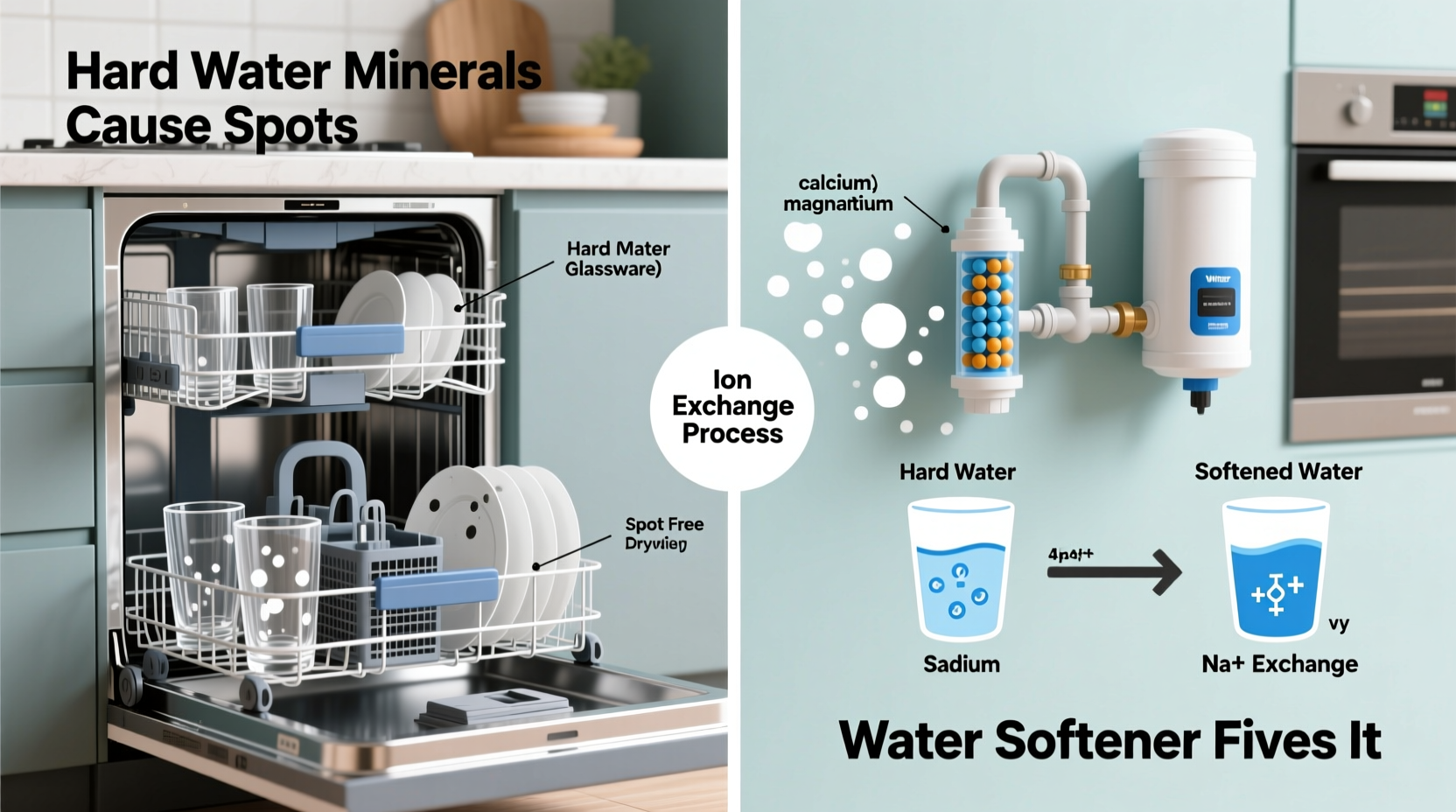
Spots on glassware aren’t always food residue or soap scum—they’re typically mineral deposits from hard water. Hard water contains high levels of dissolved calcium and magnesium ions. When this water is heated during the wash cycle and then evaporates during drying, those minerals crystallize on the surface of glass, leaving behind a hazy film or visible specks.
This effect is more pronounced on smooth, transparent surfaces like wine glasses and drinking tumblers. Unlike ceramic or stainless steel, glass doesn't absorb moisture, so any remaining minerals are clearly visible after drying. In some cases, prolonged exposure to hard water can even etch the glass surface over time, creating a permanent cloudiness that no amount of rewashing can fix.
The issue worsens in areas with very hard water (typically above 7 grains per gallon). According to the U.S. Geological Survey, over 85% of American homes have hard water to some degree, making this a widespread household challenge.
Tip: If spots wipe away easily with a damp cloth, they're likely temporary mineral deposits. If they persist, your glass may be experiencing irreversible etching.How Water Softeners Eliminate Spotting at the Source
A water softener addresses the core problem by removing calcium and magnesium ions through a process called ion exchange. Inside the softener tank, resin beads carry a negative charge and are coated with sodium (or potassium) ions. As hard water flows through, the positively charged calcium and magnesium ions bind to the beads, displacing the sodium ions into the water. The result is softened water—free of the minerals that cause scale buildup and spotting.
Once installed, a whole-house water softener ensures every drop of water used in your home—including in the dishwasher—is treated. This leads to several benefits beyond just spot-free glassware:
- Reduced limescale in appliances (dishwashers, coffee makers, kettles)
- Improved soap efficiency (less detergent needed)
- Smoother-feeling skin and softer laundry
- Extended lifespan of plumbing and water heaters
But don’t expect instant perfection. It takes time for residual hardness to flush out of pipes and appliances. Most users report noticeable improvements within one to two weeks of installation, with optimal glass clarity achieved after about 30 days.
“Softened water doesn’t just prevent spots—it fundamentally changes how detergents perform. You’ll use less product and get better cleaning across all loads.” — Dr. Alan Reeves, Water Treatment Engineer, National Appliance Efficiency Lab
Step-by-Step Guide to Fixing Dishwasher Spots with a Water Softener
Installing a water softener isn’t a plug-and-play solution. To maximize its effectiveness for your dishwasher, follow these steps:
- Test Your Water Hardness: Use a home test kit or contact your municipal water report to determine grains per gallon (gpg). Anything above 3 gpg is considered moderately hard; above 7 is very hard and likely causing spotting.
- Select the Right-Sized Softener: Choose a system based on household size and daily water usage. A typical family of four needs a 40,000-grain capacity unit. Oversizing slightly allows for peak demand.
- Install the System: Hire a licensed plumber or follow manufacturer instructions if DIY-installing. Connect the softener to your main water line before it branches to fixtures.
- Set Regeneration Schedule: Program the softener to regenerate (clean the resin bed) during off-peak hours, usually late at night. Frequency depends on water usage and hardness level.
- Flush the System: Run multiple hot water cycles (showers, faucets, dishwasher empty) to clear existing hard water from pipes.
- Adjust Dishwasher Settings: Lower detergent dosage (soft water requires less), disable extra rinse options, and ensure the rinse aid dispenser is full.
- Monitor Results Over 30 Days: Track changes in glass clarity, soap suds, and appliance performance. Fine-tune settings as needed.
After installation, continue using a rinse aid in your dishwasher. Even with soft water, rinse aids help water sheet off surfaces evenly, preventing droplet formation where evaporation could still leave traces.
Common Mistakes That Undermine Spot-Free Results
Even with a water softener, improper practices can sabotage your efforts. Avoid these frequent errors:
| Mistake | Why It Matters | Better Approach |
|---|---|---|
| Using too much detergent | Excess suds trap minerals and reduce rinsing efficiency | Use half the recommended dose with soft water |
| Skipping rinse aid | Water beads instead of sheeting, increasing spotting risk | Always refill rinse aid compartment monthly |
| Overloading the top rack | Glasses block spray arms, reducing coverage | Space items evenly; angle glasses downward |
| Ignoring filter maintenance | Clogged filters circulate dirty water | Clean filter weekly with warm vinegar |
| Running cold water fills | Insufficient heat reduces cleaning power | Pre-run kitchen tap until hot before starting cycle |
Mini Case Study: The Johnson Family’s Spot-Free Transformation
The Johnsons, a family of five in suburban Denver, struggled with persistent spotting despite using premium detergents and running extra rinse cycles. Their wine glasses looked permanently foggy, and guests often assumed they were unwashed. After testing their water at 12 gpg—well into the “very hard” range—they invested in a 48,000-grain salt-based water softener.
Within three weeks, the change was evident. Glasses emerged sparkling without rewashing. They reduced detergent use by 60%, noticed softer towels, and saw reduced scale in showerheads. After six months, they tested their dishwasher water and found near-zero hardness. The most telling sign? Their granddaughter asked, “Did you buy new glasses?”
The initial cost of $1,200 felt steep, but factoring in savings from extended appliance life, lower soap consumption, and eliminated bottled water purchases, they estimate payback within 3.5 years.
Dos and Don’ts for Maintaining Spot-Free Glassware
To maintain results long-term, adopt these best practices:
| Do | Don’t |
|---|---|
| Use distilled white vinegar monthly to clean dishwasher interior | Use citric acid cleaners if you have copper plumbing |
| Scrape food thoroughly before loading | Rinse dishes under hard water before loading (reintroduces minerals) |
| Load glasses at an angle to promote drainage | Stack glasses inside each other—they trap water and soil |
| Replace rinse aid every 4–6 weeks | Use regular table salt in the softener (it clogs valves) |
| Check brine tank monthly for salt bridging | Ignore error lights or low-salt warnings |
Frequently Asked Questions
Will a water softener damage my dishwasher?
No. Modern dishwashers are designed to work with softened water. In fact, soft water reduces wear on pumps and heating elements by preventing scale accumulation. Older models built before the 1990s may require inspection, but current units benefit significantly from softened supply.
Can I fix spotting without a water softener?
You can reduce—but not eliminate—spotting without softening. Effective alternatives include using rinse aids aggressively, switching to liquid or gel detergents (they perform better in hard water), hand-drying glasses immediately after the cycle, or installing a point-of-use filter for the dishwasher line. However, none match the comprehensive protection of whole-house softening.
Is softened water safe to drink?
Yes, but it contains added sodium. For every grain of hardness removed, approximately 8 milligrams of sodium are added per quart. A person on a strict low-sodium diet may want to install a reverse osmosis drinking faucet for cooking and drinking water while keeping softened water for appliances and bathing.
Checklist: Achieving Spot-Free Glassware with a Water Softener
- ✅ Test your water hardness level
- ✅ Select a water softener sized for your household
- ✅ Install the system on the main water line
- ✅ Set regeneration schedule based on usage
- ✅ Flush plumbing with hot water runs
- ✅ Adjust dishwasher settings (reduce detergent, enable eco-dry)
- ✅ Refill rinse aid regularly
- ✅ Clean dishwasher filter weekly
- ✅ Monitor glass clarity over 30 days
- ✅ Maintain softener with proper salt and servicing
Final Thoughts: Clarity Starts at the Source
Spots on glassware are more than a cosmetic annoyance—they signal underlying water quality issues affecting your entire home. While quick fixes like vinegar wipes or rewashing offer temporary relief, only a water softener addresses the root cause. By removing hardness at the source, you protect not just your glassware, but your appliances, plumbing, and daily comfort.
The investment pays dividends in cleaner dishes, lower utility bills, and longer-lasting equipment. Pair your softener with smart dishwasher habits, and you’ll enjoy consistently brilliant results—no more handing guests a “clean” glass that looks questionable. True cleanliness isn’t just about removing dirt; it’s about ensuring what’s left behind enhances, rather than detracts from, the experience.
💬 Have questions about your water setup or success stories with softeners? Share your experience below and help others achieve spot-free clarity!