
There’s a quiet magic in a bowl of chicken soup that tastes like it was made by someone who cared—simmered slowly, seasoned thoughtfully, built on real ingredients without shortcuts. That is the essence of homemade-style chicken soup as served at Whole Foods Market: not merely a product, but an echo of tradition, crafted to mimic the care of a family kitchen. While many commercial soups rely on powdered bases, artificial flavors, or excessive sodium, Whole Foods’ version stands apart by prioritizing whole, recognizable ingredients. For home cooks aiming to replicate or even surpass that standard, understanding what makes this soup work—and how to recreate its soul—is essential. This guide dissects the philosophy, construction, and technique behind truly satisfying homemade-style chicken soup, offering a blueprint that honors both flavor and nourishment.
Definition & Overview
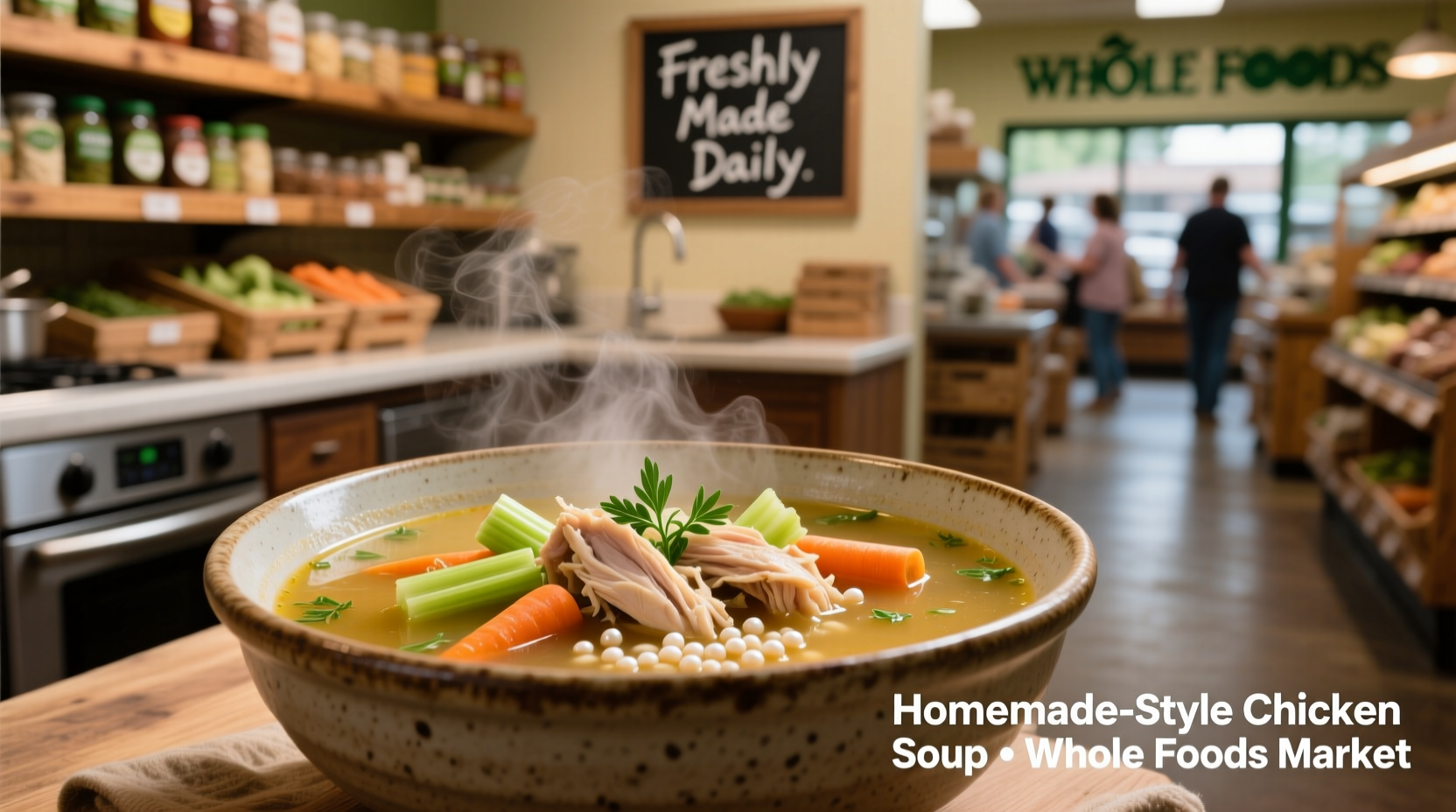
Homemade-style chicken soup, particularly in the context of Whole Foods Market, refers to a ready-to-eat or heat-and-serve soup formulated to resemble what a skilled home cook might prepare from scratch. It typically features tender chunks of cooked chicken, carrots, celery, onions, egg noodles, and herbs, all suspended in a clear, golden broth. Unlike canned or frozen alternatives laden with preservatives, this version uses minimal processed ingredients, avoids artificial additives, and emphasizes ingredient transparency—a hallmark of Whole Foods’ quality standards.
The term “homemade-style” signals more than marketing; it implies a culinary approach rooted in slow extraction of flavor, layered seasoning, and structural integrity of components. True to its name, the soup aims to deliver comfort through simplicity, clarity of taste, and nutritional balance. While convenience plays a role in its retail appeal, the underlying goal is authenticity: a soup that satisfies both palate and well-being, evoking memories of childhood remedies and Sunday dinners.
This style of soup belongs to the broader category of clear broths or white soups, distinguished from cream-based or pureed varieties. Its roots trace back to Ashkenazi Jewish penicillin—chicken soup as both food and folk remedy—as well as European peasant traditions where simmering bones and scraps yielded nourishing meals. Modern interpretations maintain these principles while adapting to contemporary expectations of cleanliness, sustainability, and dietary awareness (gluten-free, organic, non-GMO options are often available).
Key Characteristics
| Characteristic | Description |
|---|---|
| Flavor Profile | Balanced savory base (umami), mild sweetness from vegetables, subtle herbal notes (typically parsley, thyme), clean finish without metallic or chemical aftertaste. |
| Aroma | Warm, inviting scent of simmered chicken, onion, and celery; faintly herbal with no overpowering spice. |
| Color & Appearance | Light amber to golden broth; visible pieces of white and dark meat chicken, uniformly diced carrots and celery, soft-cooked noodles. No cloudiness unless enriched with egg or fat emulsion. |
| Texture | Broth is light-bodied but flavorful; vegetables retain slight firmness; chicken is tender but not shredded into mush; noodles are al dente if freshly added, slightly softer if pre-cooked. |
| Sodium Level | Moderate—significantly lower than conventional canned soups. Typically ranges from 400–600 mg per cup depending on batch and recipe variation. |
| Culinary Function | Comfort food, immune support, light meal, base for additions (e.g., rice, dumplings), digestive ease. |
| Shelf Life | Refrigerated: 5–7 days unopened; once opened, consume within 3–4 days. Freezing possible but may alter noodle texture. |
Practical Usage in Cooking
To understand how to use or recreate homemade-style chicken soup effectively, one must consider both direct consumption and culinary adaptation. At its core, the soup functions as a complete, ready-to-serve dish. However, its value extends beyond convenience—it serves as a foundation for customization, improvisation, and integration into larger meal plans.
Direct Serving & Enhancement
When reheating store-bought Whole Foods chicken soup, do so gently over medium-low heat to preserve texture. Avoid boiling vigorously, which can break down noodles and make chicken dry. Once warmed, enhance the bowl with fresh elements:
- Add a squeeze of lemon juice to brighten flavors and increase bioavailability of nutrients.
- Stir in freshly chopped parsley or dill for aromatic lift.
- Float a spoonful of pesto or swirl in a bit of extra-virgin olive oil for richness.
- Top with grated Parmesan or a sprinkle of red pepper flakes for depth and warmth.
Using as a Culinary Base
The broth component of this soup is robust enough to serve as a starting point for other dishes. Strain out solids and reduce the liquid slightly to concentrate flavor, then use it as a substitute for water or stock in recipes such as risotto, grain pilafs, or braised greens. Alternatively, remove the chicken and vegetables and reserve them separately, using the clarified broth as a poaching liquid for dumplings or delicate proteins.
Home Recreation: A Step-by-Step Blueprint
While purchasing Whole Foods’ version offers convenience, making your own ensures full control over ingredients and quality. Follow this professional-grade method to achieve—or exceed—the standard:
- Build the Broth Base: Use a combination of roasted chicken carcasses (from a rotisserie bird) and raw backs or necks for maximum gelatin and depth. Simmer with onion (quartered, skin-on for color), celery stalks, carrots, a few garlic cloves, fresh thyme sprigs, a bay leaf, and peppercorns for 3–4 hours. Skim foam early; do not stir.
- Strain and Clarify: Strain through a fine-mesh sieve lined with cheesecloth. Chill overnight to solidify fat, then skim cleanly. Reheat before proceeding.
- Prepare Components Separately: Cook diced carrots and celery in a bit of butter until just tender. Poach boneless chicken breasts or thighs in the broth until internal temperature reaches 165°F (74°C), then slice thinly. Cook egg noodles separately in salted water to prevent starch bleed.
- Assemble Fresh: Combine warm broth, vegetables, chicken, and noodles just before serving. Season carefully with sea salt only at the end—taste first, as reduction concentrates saltiness.
- Finish Thoughtfully: Stir in minced fresh parsley and a touch of lemon zest. Serve immediately.
Pro Tip: For a richer mouthfeel without heaviness, whisk one beaten egg yolk with two tablespoons of hot broth, then slowly temper it back into the soup off the heat. This creates a velvety, restaurant-quality texture known as \"enough body to coat a spoon\" without cream.
Variants & Types
Whole Foods offers several variations of chicken soup to accommodate dietary preferences and regional tastes. Understanding these helps consumers choose wisely or inspire homemade adaptations.
- Classic Chicken Noodle: The flagship version, featuring wide egg noodles, mixed chicken meat, mirepoix vegetables, and a clear broth seasoned with parsley and pepper.
- Gluten-Free Chicken Rice Soup: Substitutes noodles with white rice or quinoa, catering to gluten-sensitive diners. Broth remains similar, though rice can absorb more liquid over time.
- Chicken & Matzo Ball Soup: Seasonal or holiday offering, especially around Passover. Includes soft, fluffy matzo balls made from egg, oil, and matzo meal, floating in traditional chicken broth.
- Organic Slow-Simmered Chicken Soup: Emphasizes certified organic ingredients and longer cooking times. Often has deeper color and more pronounced gelatin structure when chilled.
- Low-Sodium Versions: Formulated for health-conscious buyers, relying on herbs and aromatics rather than salt for flavor development.
Each variant maintains the core identity of homemade-style soup—whole ingredients, visible components, absence of artificial agents—but adjusts form to function. For example, rice-based versions hold up better during extended refrigeration, while matzo ball soup leans into cultural specificity and ceremonial eating.
Comparison with Similar Ingredients
Many soups resemble homemade-style chicken soup but differ significantly in composition, intent, and outcome. Recognizing these distinctions prevents misidentification and supports informed choices.
| Feature | Homemade-Style (Whole Foods) | Canned Chicken Soup (Generic) | Condensed Chicken Soup | Restaurant Bone Broth Bowls |
|---|---|---|---|---|
| Ingredients | Chicken, vegetables, noodles, herbs, salt, no preservatives | Chicken stock, modified starches, yeast extract, MSG, citric acid | Highly concentrated; requires dilution with water/milk | Often single-origin bones, house-roasted, custom spices |
| Sodium (per cup) | 450–600 mg | 800–1100 mg | Up to 900 mg before dilution | Varies widely; chef-controlled |
| Texture | Natural gelatin presence, slight viscosity when cooled | Thin or artificially thickened with gums | Starchy, gluey when reconstituted | Rich, silky, often collagen-dense |
| Shelf Stability | Refrigerated, short shelf life | Room temperature, months-long stability | Shelf-stable until opened | Fresh, same-day or next-day consumption |
| Typical Use Case | Ready-to-eat nourishment, quick lunch | Pantry staple, base for casseroles | Cooking ingredient, not standalone | Dining experience, wellness-focused |
\"The difference between true homemade-style soup and most commercial versions isn't just in the label—it's in the time. Eight hours of gentle simmering extracts compounds you can't fake with flavor packets.\" — Chef Elena Ruiz, Culinary Instructor, Natural Gourmet Institute
Practical Tips & FAQs
How can I extend the shelf life of homemade-style chicken soup?
Freeze in portion-sized containers, leaving headspace for expansion. Use within 3 months for best quality. Note: noodles may become softer upon thawing; consider freezing broth and noodles separately.
Is Whole Foods chicken soup gluten-free?
Not all varieties are. The classic chicken noodle contains wheat-based egg noodles. Look for labeled “gluten-free” versions, which substitute rice or certified GF grains.
Can I make this soup dairy-free?
Yes. The standard recipe does not contain dairy. Confirm labels if buying pre-made, as some seasonal versions may include butter or cream-based enhancements.
What’s the best way to reheat without overcooking?
Warm over medium-low heat, stirring occasionally, until steaming (about 165°F). Do not boil. If adding fresh noodles or vegetables, cook them separately and combine at the end.
How do I boost the protein content?
Add extra shredded chicken, white beans, or lentils. One cup of chickpeas adds approximately 15 grams of plant-based protein per serving.
Why does my homemade broth sometimes turn cloudy?
Cloudiness results from rapid boiling, which agitates particles into suspension. To keep broth clear: start cold, simmer gently, avoid stirring, and strain carefully. Blanching bones beforehand also helps.
Can I use this soup as a base for other dishes?
Absolutely. Use strained broth as a cooking liquid for couscous, polenta, or steamed vegetables. The solid components can be repurposed into pot pies, enchiladas, or fried rice.
Storage Checklist:
☐ Cool soup within 2 hours of cooking
☐ Store in airtight glass or BPA-free plastic containers
☐ Label with date
☐ Keep refrigerated below 40°F (4°C)
☐ Reheat only once to minimize texture degradation
Summary & Key Takeaways
Homemade-style chicken soup from Whole Foods represents a benchmark for accessible, high-integrity convenience food. It bridges the gap between industrial production and artisan preparation by adhering to principles of ingredient purity, balanced seasoning, and culinary honesty. While commercially prepared, it mirrors the techniques of slow-simmered broths, thoughtful layering, and visible whole foods that define genuine home cooking.
For those seeking to replicate or elevate this standard at home, the path is clear: prioritize quality bones and meat, build flavor gradually, cook components separately for optimal texture, and season with restraint. The result is more than sustenance—it becomes ritual, remedy, and reminder of how deeply food can nurture.
Whether consumed as-is or adapted into new forms, this soup exemplifies how modern food systems can honor tradition. By understanding its construction, variations, and limitations, home cooks gain not just a recipe, but a framework for better everyday eating.
Try making your own batch this week using a rotisserie chicken and saved bones. Taste the difference that time, care, and whole ingredients make—one spoonful at a time.