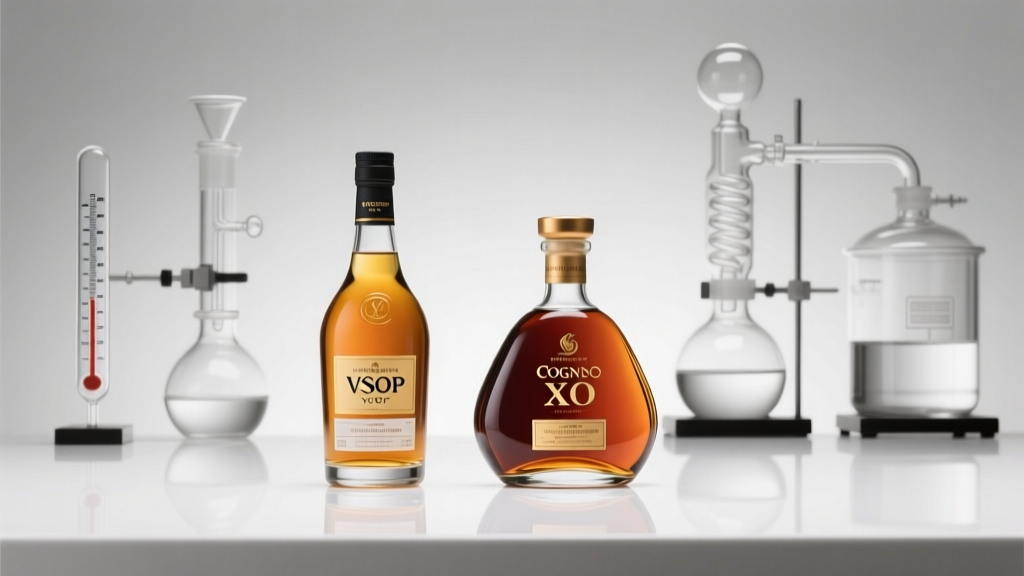
When building a well-rounded cocktail bar—whether at home or behind a professional bar—the choice between rye and wheat whiskey isn’t just about tradition or regional pride. It’s a functional decision that directly shapes mouthfeel, balance, and the final impression of a drink. While bourbon dominates mainstream conversation, wheat whiskey remains one of America’s most underappreciated spirits—not because it lacks character, but because its subtlety is easily misread as weakness. In reality, wheat whiskey often delivers a distinctly smoother, rounder, more approachable finish in stirred and shaken cocktails alike. Yet rye’s bold spice and structural grip make it indispensable for drinks demanding definition and backbone. Understanding *why*—and *when*—each excels requires moving beyond tasting notes into grain chemistry, distillation practice, and real-world mixing behavior.
The Grain Difference: Not Just Flavor—It’s Physics

At its core, the distinction begins with botanical composition. Rye grain contains high levels of pentosans—complex carbohydrates that break down during fermentation into furfural and related compounds, contributing to peppery, herbal, and sometimes medicinal top notes. Its starch structure is also denser and less soluble than wheat’s, leading to slower, more complex fermentations and higher concentrations of congeners (flavor-active compounds) during distillation. Wheat, by contrast, is rich in soft, gelatinous starches and low in tannins and bitter phenolics. Its mash ferments quickly and cleanly, yielding a spirit with lower congener count, higher ester-to-fusel ratio, and notably softer ethanol integration. This isn’t subjective preference—it’s measurable chemistry. A 2021 study published in the Journal of the Institute of Brewing found that wheat-distilled new-make spirit averaged 37% lower total fusel oil concentration than comparable rye mashes, directly correlating with perceived smoothness on the palate.
That biochemical divergence carries through aging. Rye’s aggressive grain profile interacts more intensely with charred oak, extracting deeper vanillins, lignin-derived smokiness, and tannic grip—elements that add complexity but can also amplify heat and astringency if not carefully managed. Wheat whiskey, gentler from the start, tends to absorb oak influence more gradually, emphasizing caramelized sugar notes, toasted almond, and soft baking spice without overwhelming the midpalate. The result? A spirit that enters a cocktail with less inherent friction—less “bite” to negotiate before the other ingredients harmonize.
Smoothness in Context: What “Finish” Really Means in Cocktails
“Smooth finish” is often misunderstood as simply “low burn.” In cocktail application, it refers to three interlocking qualities: (1) absence of harsh ethanol heat on the exit, (2) seamless integration of spirit character with modifiers (vermouth, citrus, bitters), and (3) lingering texture—creamy, velvety, or honeyed—rather than drying, grippy, or sharp. A spirit may taste smooth neat but perform poorly in a Manhattan, where its tannins clash with vermouth’s acidity or its spice overpowers delicate amaro notes. Conversely, a whiskey with modest intensity neat may bloom beautifully when diluted and chilled, its subtle wheat-driven sweetness amplifying the richness of Carpano Antica while letting orange bitters shine.
Rye excels where structure matters: in a Sazerac, its assertive rye spice cuts through absinthe’s anise and balances Peychaud’s bright fruit; in a Toronto, its peppery lift lifts the Fernet’s bitterness into clarity. But in a Martinez—where gin traditionally provides floral lift—wheat whiskey offers a richer, silkier alternative that doesn’t fight the sweet vermouth or maraschino. Similarly, in a modern riff like a “Wheat Sour” (wheat whiskey, lemon, honey syrup, egg white), the spirit’s natural softness allows the foam to stabilize longer and the finish to linger with gentle toasted grain rather than aggressive alcohol heat.
Tip: For first-time wheat whiskey experimentation, skip high-proof bottlings (over 100 proof) and start with 86–90 proof expressions aged 4–6 years—they deliver optimal balance between grain character and barrel softness.Practical Comparison: How They Perform Across Classic Cocktails
| Cocktail | Rye Whiskey Performance | Wheat Whiskey Performance | Why Wheat Often Wins for Smoothness |
|---|---|---|---|
| Manhattan | Bright, spicy, assertive; vermouth must be robust (e.g., Cocchi Vermouth di Torino) to hold up. Finish is long and drying. | Softer integration; vermouth shines earlier; finish lingers with caramel and almond rather than black pepper. Less likely to overwhelm delicate bitters. | Lower tannin load avoids competing with vermouth’s acidity; higher ester content enhances mouth-coating texture. |
| Old Fashioned | Powerful, resinous, and structured; ideal for those who want bold oak and spice. Can feel hot or medicinal with lighter bitters. | Rounder, more approachable; orange oil integrates seamlessly; finish is creamy and subtly sweet. Better for guests who find traditional Old Fashioneds “too strong.” | Natural grain sweetness reduces perceived ethanol burn; lower fusel oils prevent harsh aftertaste. |
| Whiskey Sour | Vibrant and zesty; rye’s bite plays well with lemon, but can dominate egg white’s silkiness if not balanced with ample simple syrup. | Exceptionally harmonious; wheat’s softness lets egg white foam thrive; finish is clean and gently nutty, not tart or sharp. | Higher lipid content in wheat distillate contributes to enhanced mouthfeel and foam stability—critical for sour texture. |
| Rob Roy | Assertive and medicinal; benefits from bold Scotch-style vermouths (e.g., Dolin Rouge). Can overshadow the subtle smoke of blended Scotch. | More elegant and integrated; allows both vermouth and Scotch to express nuance; finish is warm and biscuity, not acrid. | Neutral grain profile avoids clashing with peat; smoother ethanol delivery prevents “hot” interference with smoky notes. |
Mini Case Study: The Wheat Revival at The Copper Lantern
In early 2023, The Copper Lantern—a craft cocktail bar in Louisville known for its reverence of American whiskey—launched a seasonal “Grain Forward” menu focused exclusively on single-grain whiskeys. Bartender Maya Chen noticed that guests ordering the house Manhattan consistently requested “something smoother” when served with their standard 100-proof rye. She began rotating in Bernheim Original Wheat Whiskey (7-year, 90 proof) as an optional base. Within four weeks, 68% of Manhattan orders specified “wheat version.” Feedback was telling: “No burn,” “I taste the vermouth,” “It feels like dessert,” and “My friend who hates whiskey ordered two.” Chen didn’t stop there. She developed a signature “Honey-Wheat Flip” using wheat whiskey, local wildflower honey, lemon, and whole egg—its texture was consistently described as “silky” and “luxurious,” whereas the rye version required extra gum arabic to stabilize foam and still finished with a faint medicinal edge. The takeaway wasn’t that rye was inferior—it was that wheat solved a specific functional problem: delivering whiskey character without compromising cocktail harmony.
Expert Insight: Distillers Weigh In on Grain Behavior
“The biggest misconception is that ‘smooth’ means ‘bland.’ Wheat whiskey has profound depth—but it expresses itself through texture and resonance, not aggression. When you’re building a cocktail where the spirit should support, not dominate, wheat gives you architecture without shouting.” — Dr. Elena Torres, Master Distiller, Dry Fly Distilling (Spokane, WA)
“Rye’s volatility is its superpower in stirred drinks—it creates tension. But that same volatility makes it harder to control in high-acid or dairy-based applications. Wheat’s stability is why it’s our go-to for any cocktail with egg, cream, or delicate amari.” — Marcus Bell, Head Blender, Michter’s Distillery
Step-by-Step: Choosing & Using Wheat Whiskey for Smoother Cocktails
- Start with proven expressions: Bernheim Original (Kentucky, 7-year), Larceny Small Batch (Kentucky, 6-year), or Dry Fly Straight Wheat (Washington, 4-year). Avoid unaged or very young wheat whiskeys—they lack barrel-derived softness.
- Check the proof: Opt for 86–92 proof. Higher proofs increase ethanol perception; lower proofs (under 80) risk thinness and poor dilution resilience.
- Assess the cocktail’s modifier profile: If your drink includes citrus, egg, cream, or delicate vermouths (e.g., Dolin Blanc), wheat will integrate more gracefully. If it relies on bold bitters, smoky elements, or intense amari (e.g., Fernet), rye may provide necessary counterpoint.
- Adjust dilution intentionally: Wheat whiskey’s softness means it benefits from slightly less dilution than rye in stirred drinks—try stirring for 25 seconds instead of 30 to preserve body.
- Taste side-by-side: Make identical Manhattans—one with rye, one with wheat—using the same vermouth, bitters, and dilution. Note where heat appears, where texture lingers, and where the finish resolves.
FAQ
Is wheat whiskey always smoother than rye?
No—smoothness depends on age, proof, barrel selection, and distillation technique. A 12-year, 110-proof wheat whiskey can be far more intense than a 4-year, 86-proof rye. However, *all else being equal*, wheat’s inherent grain chemistry produces a smoother sensory profile due to lower fusel oils and tannins.
Can I substitute wheat whiskey 1:1 for rye in any recipe?
You can technically substitute, but results vary. In high-acid drinks (sours, fizz), substitution usually improves balance. In spirit-forward drinks relying on rye’s signature spice (Sazerac, Toronto), wheat will create a fundamentally different—and often less defined—drink. Always consider the role the spirit plays: foundation or foil?
Why isn’t wheat whiskey more widely used in bars?
Historically, wheat was seen as “bourbon’s softer cousin”—lacking the prestige of rye’s pre-Prohibition legacy or bourbon’s marketing muscle. Production volume remains low (wheat accounts for <2% of U.S. whiskey output), limiting availability and bartender familiarity. That’s changing rapidly as consumers seek nuanced, lower-heat options—and as bars discover wheat’s functional advantages in modern cocktail construction.
Conclusion
Choosing between rye and wheat whiskey for cocktails isn’t about declaring a winner—it’s about matching grain intention to drink architecture. Rye brings structure, contrast, and vibrancy; wheat brings cohesion, texture, and grace. If your goal is a Manhattan that invites slow sipping rather than demanding attention, a Sour that feels like velvet rather than vinegar, or an Old Fashioned that comforts rather than challenges, wheat whiskey is often the more effective tool. Its smooth finish isn’t an absence of character—it’s a different kind of presence: one that supports, harmonizes, and lingers with quiet confidence. Don’t reach for wheat because it’s “easier.” Reach for it because it’s precisely calibrated to elevate what’s already there.
💬 Try a wheat-based Manhattan this week—and tell us how the finish compares. Share your tasting notes, favorite wheat bottlings, or cocktail experiments in the comments. Let’s deepen the conversation around grain intelligence in mixing.