Kawaii fashion—rooted in Japanese youth culture—has steadily carved a niche within Western streetwear, transforming the way personal expression is visualized through clothing. While traditional streetwear often emphasizes minimalism, urban grit, and functional design, kawaii fashion disrupts this aesthetic with its exuberant colors, childlike motifs, and emotional storytelling. This contrast isn’t just stylistic—it represents a deeper cultural shift toward individuality, joy, and rebellion against conventional norms. As global fashion becomes increasingly hybrid, understanding what sets kawaii apart in the Western context reveals more than trend dynamics; it uncovers evolving values around identity, inclusivity, and emotional authenticity.
The Cultural DNA of Kawaii Fashion
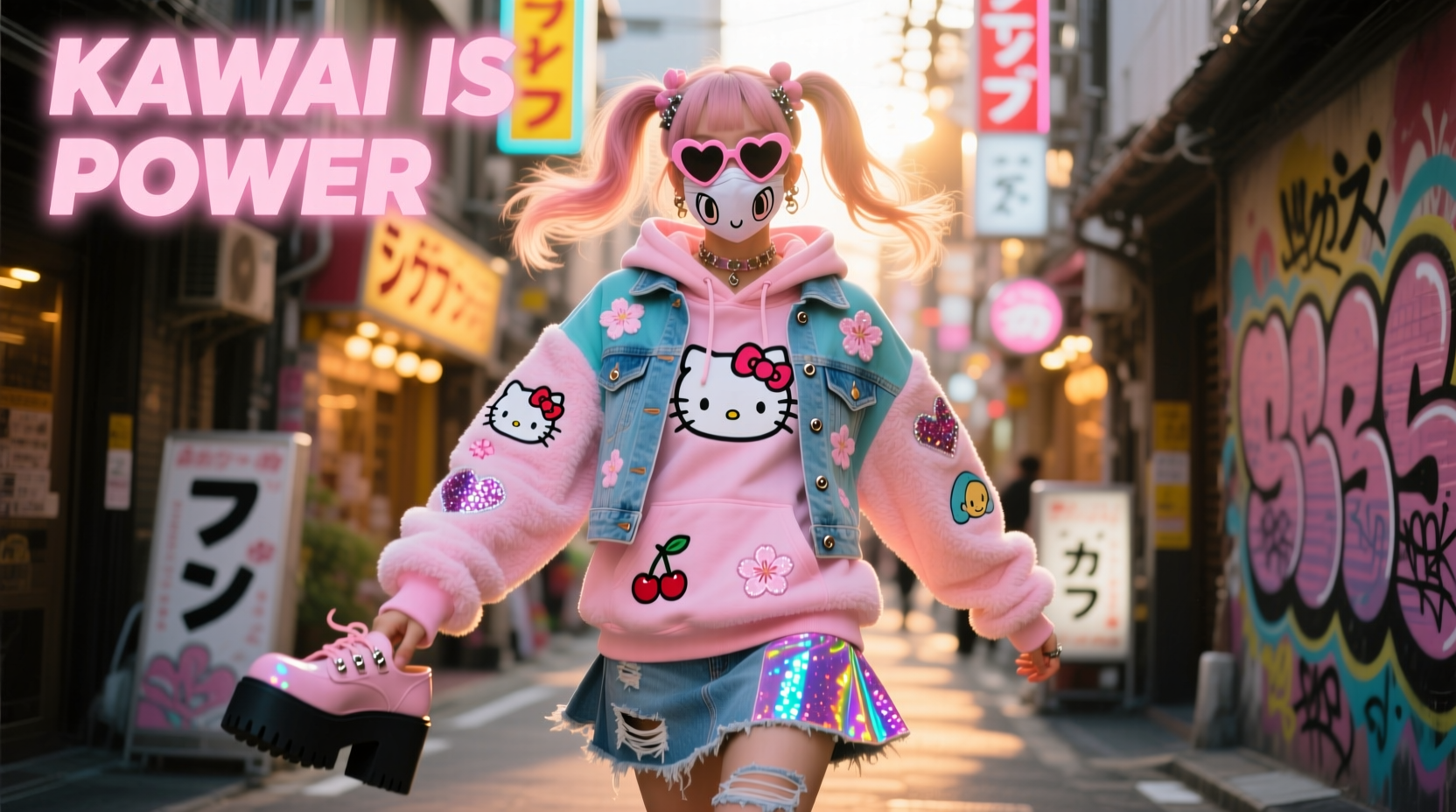
The term “kawaii” translates to “cute” in Japanese, but its cultural significance extends far beyond surface-level aesthetics. Emerging in the 1970s among teenage girls who began writing in rounded, decorative script, kawaii evolved into a full-fledged subculture that challenged Japan’s rigid social expectations. What started as a quiet act of self-expression soon blossomed into distinct fashion movements like Lolita, Decora, Fairy Kei, and Pastel Goth—each celebrating innocence, fantasy, and deliberate artifice.
In Japan, kawaii functions as both escapism and empowerment. Wearing oversized bows, plush accessories, or pastel-colored skirts allows individuals to reclaim control over their image in a society that often prioritizes conformity. When transplanted into Western streetwear—a space historically dominated by masculinity, utilitarian silhouettes, and brand-centric messaging—kawaii introduces a radical softness. It doesn’t merely add cuteness; it redefines strength as vulnerability, confidence as playfulness.
“Kawaii isn’t childish—it’s a form of resistance. In Tokyo, wearing ten layers of ruffles on a subway commute is an act of courage. In Brooklyn, it becomes a statement of visibility.” — Dr. Aiko Tanaka, Cultural Anthropologist & Author of *Cuteness as Protest*
Aesthetic Contrast: How Kawaii Challenges Streetwear Norms
Western streetwear has long been shaped by hip-hop, skateboarding, and military-inspired utility. Key elements include oversized hoodies, neutral color palettes, graphic tees, and high-top sneakers. The ethos leans toward understated cool, often using limited-edition drops and brand prestige to signal belonging.
Kawaii fashion flips this script. Instead of muted tones, it embraces neon pinks, baby blues, and glittery finishes. Where streetwear favors anonymity, kawaii demands attention. Accessories are not afterthoughts—they’re central: character plushies clipped to bags, light-up headbands, mismatched socks with cartoon prints. Garments often feature exaggerated proportions: puffed sleeves, tiered skirts, platform shoes with heart-shaped soles.
This divergence creates tension—and synergy. Designers like Jeremy Scott (Moschino) have tapped into this blend, launching collections featuring McDonald’s-themed dresses and toy-inspired outerwear. Similarly, collaborations between Sanrio and streetwear labels such as Uniqlo or BAPE demonstrate how kawaii iconography—Hello Kitty, My Melody, Kuromi—can be seamlessly integrated into urban wardrobes without losing its essence.
Tip: To authentically incorporate kawaii elements, focus on intentional layering—not just adding one cute piece, but building a narrative through accessories, color, and texture.Cultural Hybridization: Case Study of Harajuku Influence in LA
In Los Angeles, a growing community of young creatives has fused Harajuku street style with West Coast casual wear. One notable example is Mina Park, a 23-year-old designer and content creator based in Silver Lake. After studying abroad in Tokyo during college, she began blending vintage American denim jackets with Decora-style arm warmers, jelly sandals, and sticker-covered backpacks.
Her Instagram gained traction when she posted a photo series titled “Pink Punk Commute,” showing her riding the Metro in a hot-pink wig, striped tights, and a cropped jacket embroidered with anime characters. Within weeks, local boutiques reached out to carry her custom pieces. Today, her label “Sugar Riot” sells out within minutes of launch, combining DIY ethos with kawaii symbolism.
Mina’s success illustrates a broader trend: kawaii fashion in the West thrives not through imitation, but reinterpretation. She doesn’t replicate Japanese styles exactly—instead, she adapts them to reflect her bicultural identity. Her designs often mix Korean pop references with Californian surf motifs, creating a new vernacular that resonates with Gen Z audiences seeking authenticity over appropriation.
Key Elements That Define Kawaii’s Impact on Streetwear
Several core components distinguish kawaii fashion and enable its crossover appeal:
- Emotional Authenticity: Unlike traditional streetwear, which often masks emotion behind bravado, kawaii openly celebrates feelings—joy, nostalgia, whimsy. This emotional transparency aligns with younger generations’ preference for brands and styles that feel personally meaningful.
- DIY Aesthetic: Many kawaii enthusiasts customize their clothes with patches, embroidery, and hand-drawn designs. This handmade quality contrasts sharply with mass-produced logos, offering a counterpoint to consumerist streetwear culture.
- Gender Fluidity: Kawaii fashion frequently blurs gender lines. Men wear pastel skirts, women rock oversized graphic hoodies paired with lace socks—norms dissolve in favor of creative freedom.
- Character-Centric Identity: Just as sneakerheads collect Jordans, kawaii fans build wardrobes around beloved characters—from Gudetama to Jibanyan. These icons become avatars for self-expression.
- Sustainability Through Reuse: Due to the emphasis on customization, many kawaii wearers repurpose thrifted items, turning secondhand finds into vibrant statements. This aligns with eco-conscious values gaining ground in Western fashion.
| Feature | Traditional Streetwear | Kawaii-Influenced Streetwear |
|---|---|---|
| Color Palette | Black, gray, camo, white | Pastels, neons, rainbow gradients |
| Footwear | Sneakers, boots, skate shoes | Jelly sandals, platform Mary Janes, light-up sneakers |
| Accessories | Hats, chains, sunglasses | Plush keychains, hair clips, LED wands |
| Brand Focus | Logos, exclusivity, hype | Characters, handmade tags, personal meaning |
| Expression Style | Confidence, coolness, rebellion | Playfulness, vulnerability, imagination |
How to Incorporate Kawaii Into Your Wardrobe: A Step-by-Step Guide
Adopting kawaii elements doesn’t require a complete wardrobe overhaul. Here’s a practical timeline for integrating kawaii aesthetics into everyday Western streetwear looks:
- Week 1: Start with Accessories
Introduce small touches: a Hello Kitty phone case, colorful hair clips, or a pin with a smiling cloud. Observe how these items affect your mood and others’ reactions. - Week 2: Add One Statement Piece
Pair your usual jeans and hoodie with a single standout item—perhaps a pastel cardigan or a backpack covered in enamel pins. Keep the rest neutral to balance the look. - Week 3: Experiment with Color Blocking
Wear two complementary kawaii colors together (e.g., mint green and lavender). Try matching socks to your bag or shoes to your jacket for cohesive flair. - Week 4: Customize an Item
Take a plain denim jacket or tote bag and personalize it with fabric markers, patches, or iron-ons. Choose symbols that reflect your personality—stars, animals, food, or fictional characters. - Month 2+: Build a Theme
Create themed outfits based on moods or seasons. For example, “Candy Rain” (pink umbrella, striped tights, gummy bear earrings) or “Sleepy Cloud Day” (soft grays, fluffy textures, crescent moon pendant).
Common Misconceptions and Do’s & Don’ts
As kawaii gains popularity, misunderstandings arise—especially around cultural sensitivity and perceived immaturity. Below is a checklist to navigate these nuances responsibly.
✅ Do’s
- Research origins: Understand that kawaii stems from specific Japanese subcultures, not just “being cute.”
- Support independent creators: Buy from small designers who credit inspiration fairly.
- Express yourself genuinely: Wear kawaii because it brings you joy, not just because it’s trending.
- Respect boundaries: Avoid sacred symbols (e.g., religious imagery) or school uniforms unless part of a respectful homage.
❌ Don’ts
- Don’t fetishize: Avoid reducing Japanese culture to stereotypes or treating kawaii as “exotic.”
- Don’t over-accessorize immediately: Too many clashing elements can appear costumey rather than curated.
- Don’t ignore fit: Even playful fashion benefits from well-proportioned garments. Balance volume with structure.
- Don’t dismiss critics: If someone raises concerns about cultural appropriation, listen and reflect.
Frequently Asked Questions
Is kawaii fashion only for women or girls?
No. While early kawaii trends were female-dominated, today’s scene includes men, non-binary individuals, and all ages. Male idols in Japan regularly wear frilly outfits, and Western artists like Billie Eilish and Tyler, the Creator have embraced soft, colorful aesthetics without gender constraints.
Isn’t wearing kawaii fashion childish?
Cuteness does not equate to immaturity. In many cultures, embracing playfulness is seen as emotionally intelligent. Adults who wear kawaii often do so to combat stress, express inner joy, or challenge societal expectations about professionalism and appearance.
Can I wear kawaii to work or formal settings?
Yes—with adaptation. Opt for subtle nods: a floral scarf, pastel tie, or jewelry with animal motifs. In creative industries, full kawaii styling may even be encouraged. The key is aligning expression with environment while maintaining professionalism.
Conclusion: Embracing Joy as a Form of Rebellion
Kawaii fashion stands out in Western streetwear not because it’s louder or brighter—though it often is—but because it dares to prioritize happiness in a world that equates seriousness with maturity. Its presence challenges outdated hierarchies of taste, proving that vulnerability, color, and whimsy can coexist with strength and style.
As fashion continues to evolve, the integration of kawaii elements signals a broader cultural shift—one where self-expression trumps conformity, and emotional honesty becomes the ultimate luxury. Whether through a single glittery hairpin or a full Decora ensemble, choosing kawaii is an act of courage, creativity, and connection.
🚀 Ready to explore your own kawaii style? Start small, stay authentic, and let your wardrobe tell the joyful story only you can share.