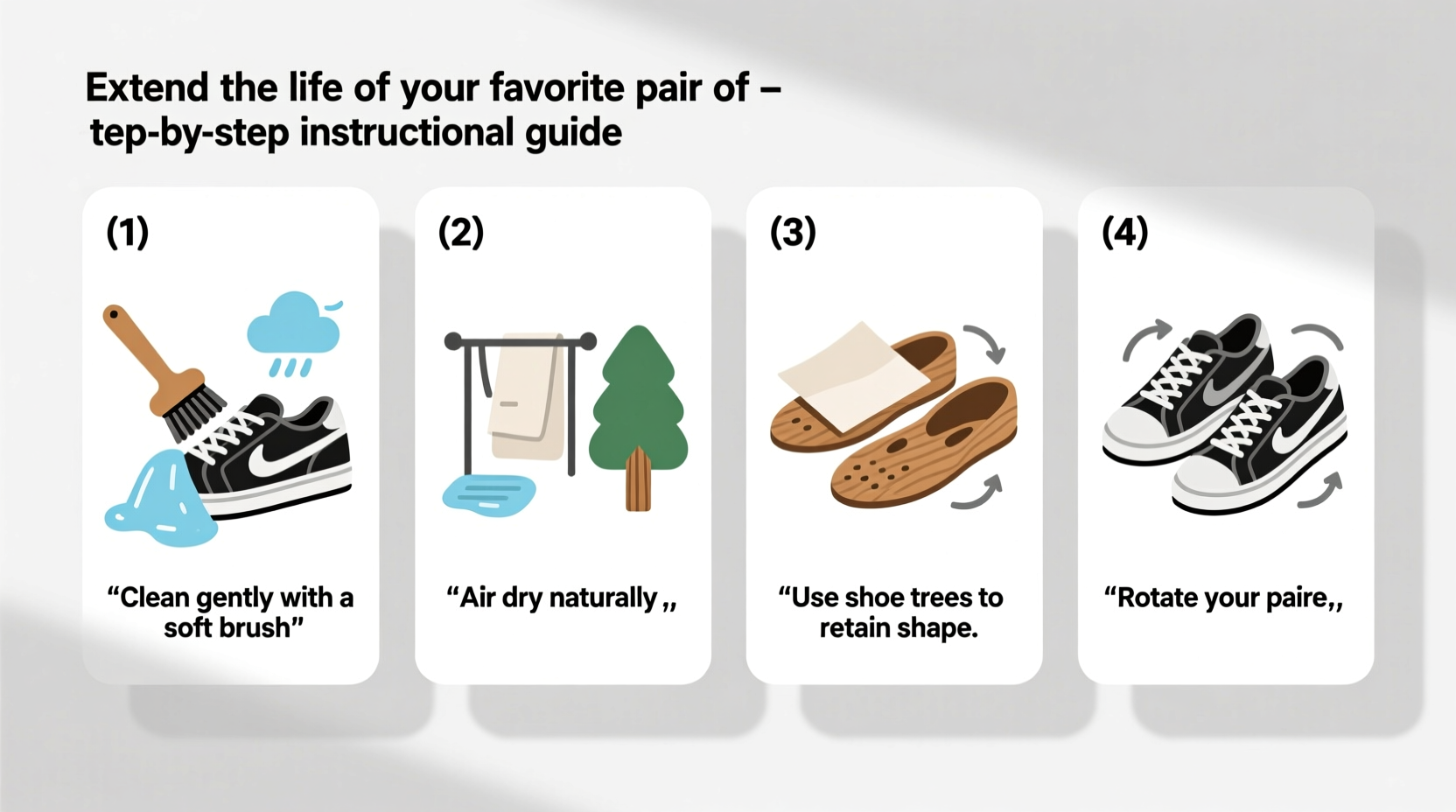
There’s a unique bond between a person and their favorite pair of sneakers. Whether they’re performance runners, vintage collectibles, or everyday staples, well-loved sneakers carry memories—and miles. But like any high-use item, wear and tear are inevitable. The good news: with intentional care, you can significantly prolong their lifespan, maintain structural integrity, and keep them looking fresh long after purchase.
Extending the life of your sneakers isn’t just about aesthetics; it’s about preserving function, support, and value. A properly maintained pair can last two to three times longer than one neglected, saving money and reducing waste. From material-specific cleaning to smart rotation habits, here’s how to protect your investment and make every step count.
Understand Your Sneaker Materials
Sneakers are made from a variety of materials—each requiring distinct care. Knowing what your shoes are made of is the first step in effective maintenance.
- Leather: Durable and water-resistant when treated, but prone to drying and cracking if not conditioned.
- Suede/Nubuck: Soft and stylish, but highly susceptible to stains and moisture damage.
- Mesh/Textile: Lightweight and breathable, yet easily soiled and harder to clean without distortion.
- Knit (e.g., Flyknit, Primeknit): Flexible and form-fitting, but vulnerable to pilling and abrasion.
- Rubber Soles: Resilient, but can degrade due to UV exposure and chemical contact.
Cleaning methods that work for leather may ruin suede. Using a stiff brush on knit uppers can cause fraying. Always check manufacturer labels or product details before applying any treatment.
Tip: When in doubt, test any cleaner on a small, hidden area of the shoe first.Establish a Regular Cleaning Routine
Dirt, sweat, and environmental grime accumulate with each wear. Left unchecked, these residues break down adhesives, discolor fabrics, and weaken fibers. A consistent cleaning schedule prevents long-term damage.
For daily-wear sneakers, wipe down after heavy use. Perform a thorough cleaning every 2–3 weeks, depending on frequency and conditions.
Step-by-Step Guide: How to Clean Sneakers Safely
- Remove laces and insoles. Wash laces by hand with mild detergent; air-dry away from direct heat.
- Dry brush loose debris. Use a soft-bristled brush (like an old toothbrush) to remove surface dirt from seams and treads.
- Spot-clean stains. For leather or synthetic uppers, use a microfiber cloth dampened with a mix of water and mild soap. Suede requires a specialized eraser or brush.
- Wash mesh/knit sections gently. Apply a sneaker-specific foam cleaner and scrub lightly in circular motions.
- Rinse carefully. Never submerge entire shoes—especially those with glued components. Damp cloths only.
- Air-dry naturally. Stuff shoes with paper towels to maintain shape and absorb moisture. Keep away from radiators or sunlight.
Avoid washing machines and dryers at all costs. The agitation can delaminate midsoles, warp uppers, and crack glue bonds. Even “machine-safe” sneakers risk damage under high spin cycles.
Table: Care Guidelines by Material
| Material | Cleaning Method | Do’s | Don’ts |
|---|---|---|---|
| Leather | Damp cloth + leather cleaner | Condition monthly; wipe after wear | Use alcohol-based cleaners; expose to rain without protection |
| Suede/Nubuck | Suede brush + eraser | Use protective sprays; clean immediately after stains | Wet thoroughly; use regular soap |
| Mesh/Knit | Foam cleaner + soft brush | Hand-scrub gently; air-dry flat | Machine wash; use bleach |
| Rubber Soles | Scrub with toothbrush + soapy water | Clean grooves regularly; store in shade | Expose to solvents; leave in hot cars |
Rotate Your Footwear to Reduce Wear
Wearing the same pair of sneakers every day accelerates degradation. Midsoles compress, foams oxidize, and fabrics fatigue faster when not given time to recover.
Rotating between two or more pairs allows each to rest, air out, and regain structural resilience. This is especially crucial for performance sneakers with advanced cushioning systems like Nike Air, Adidas Boost, or Puma Nitro.
“Foam midsoles need 24–48 hours to rebound after compression. Continuous use leads to permanent sagging.” — Dr. Lena Torres, Footwear Biomechanics Researcher, University of Oregon
Think of rotation like muscle recovery. Just as athletes don’t train the same muscle group daily, your sneakers benefit from rest days. If you rely heavily on one pair, consider owning a second similar model to alternate weekly.
Tip: Own at least two pairs of everyday sneakers to enable a 48-hour rest period between wears.Store Them Properly Off-Season or Between Uses
How you store sneakers when not wearing them affects longevity as much as usage. Poor storage leads to yellowing soles, warped shapes, mold growth, and material breakdown.
Ideally, store sneakers in a cool, dry, dark place with stable temperature and low humidity. Avoid attics, garages, or damp basements. Direct sunlight fades colors and degrades adhesives through UV exposure.
Use breathable cotton shoe bags or original boxes (with ventilation holes) to shield from dust while allowing airflow. Never store in plastic bins unless they’re perforated—trapped moisture breeds mildew.
For long-term storage (e.g., seasonal or collector’s items), include silica gel packets to absorb ambient moisture. Reapply protective sprays every few months to maintain repellency.
Checklist: Ideal Sneaker Storage Conditions
- ✅ Temperature-controlled environment (65–75°F / 18–24°C)
- ✅ Low humidity (below 50%)
- ✅ Away from direct sunlight or artificial UV sources
- ✅ On shelves or racks, not piled under weight
- ✅ With shoe trees or crumpled paper to hold shape
- ✅ In breathable containers, never sealed plastic
Protect Before You Wear: Preventative Measures
Prevention is more effective than restoration. Applying protective treatments before visible damage occurs builds a resilient barrier against common threats.
For leather and synthetic uppers, use a water and stain repellent spray. These create an invisible shield that causes liquids to bead rather than soak in. Reapply every 4–6 weeks with regular wear.
Suede and nubuck require specific fluoropolymer-based protectants designed not to darken the finish. Test on a small area first.
Mesh and knit models benefit from nano-coating sprays that repel oil and water without compromising breathability. Brands like Collonil, Crep Protect, and Jason Markk offer reliable options.
Also consider sole guards—thin adhesive strips applied to high-wear areas of the outsole. Popular among sneaker collectors, they prevent premature scuffing on rubber heels and toes.
“Applying a protector within the first week of ownership can reduce visible wear by up to 60% over six months.” — Marcus Reed, Founder, SoleSavers Restoration Lab
Repair, Don’t Replace: When and How to Fix Damage
Minor damage doesn’t mean retirement. Many issues are repairable, often at a fraction of replacement cost.
Common fixable problems include:
- Loose stitching
- Detached midsoles
- Yellowed soles
- Odor buildup
- Stained laces or insoles
Reattaching a peeling midsole with Barge Cement—a solvent-based adhesive used by manufacturers—can restore structural integrity. Yellowed soles can be whitened using a hydrogen peroxide and oxygen-based cleaner mixture (the “sun soak” method), though results vary by rubber compound.
For complex repairs like upper tears or sole replacements, consult a professional cobbler or specialty sneaker restoration service. Some brands, including Nike and Adidas, offer limited repair programs in select regions.
Mini Case Study: Reviving a 3-Year-Old Running Shoe
Jamal, a recreational runner, wore his daily trainers nearly every day for two years. By month 30, the left heel counter was collapsing, the midsole had compressed unevenly, and the mesh upper showed fraying near the toe box. Instead of replacing them, he took the shoes to a local sneaker spa.
The technician cleaned and deodorized the interior, replaced the worn insoles with orthopedic-grade inserts, re-glued the midsole separation, and applied a reinforcing strip along the toe cap. Total cost: $45. Jamal regained six additional months of comfortable use—extending the shoe’s life by 50% beyond its expected lifespan.
FAQ: Common Questions About Sneaker Longevity
How often should I replace my sneakers?
Most athletic sneakers last 300–500 miles or 6–12 months of regular use. Casual wear styles can last 1–3 years with proper care. Watch for loss of cushioning, uneven sole wear, or creasing in the midfoot as signs it’s time to retire them.
Can I wash sneakers in the dishwasher or washing machine?
No. The high heat and agitation will damage glues, distort uppers, and crack midsoles. Hand cleaning with targeted products is always safer and more effective.
Why do white soles turn yellow?
Yellowing is caused by oxidation, UV exposure, and contact with acidic surfaces (like certain pavements). Storing shoes in darkness and using sole protectors can slow the process. Some yellowing can be reversed with careful bleaching alternatives, but prevention is best.
Conclusion: Make Every Mile Count
Your favorite sneakers deserve more than occasional attention—they demand consistent stewardship. From understanding materials to rotating usage, applying protectants, and storing with intention, every action adds days, weeks, or even years to their functional life.
Beyond saving money, extending sneaker lifespan supports sustainable consumption. Each repaired or preserved pair is one less item in a landfill. And emotionally, there’s value in keeping a trusted companion by your side, mile after mile.
Start today: inspect your go-to pair, clean it thoroughly, and plan a rotation schedule. Small habits compound into lasting results. Your feet—and your future self—will thank you.
💬 What’s your longest-lasting sneaker story? Share your tips, tricks, or restoration wins in the comments—let’s build a community of smarter sneaker care.