
Winter biking presents unique challenges—icy roads, biting winds, and most notably, freezing hands. No matter how well-insulated your jacket or how windproof your pants, if your fingers go numb after ten minutes on the trail, motivation quickly fades. Enter heated gloves: battery-powered hand warmers built into cycling-specific gear. But are they genuinely useful tools for cold-weather riders, or just overpriced novelties?
The answer isn’t straightforward. For some cyclists, heated gloves are game-changers that extend riding seasons and improve safety. For others, they’re unnecessary gadgets that add complexity without solving core insulation issues. To determine whether they're worth the investment, we need to examine performance, practicality, cost, and real-world use cases.
How Heated Gloves Work: The Technology Behind Warmth
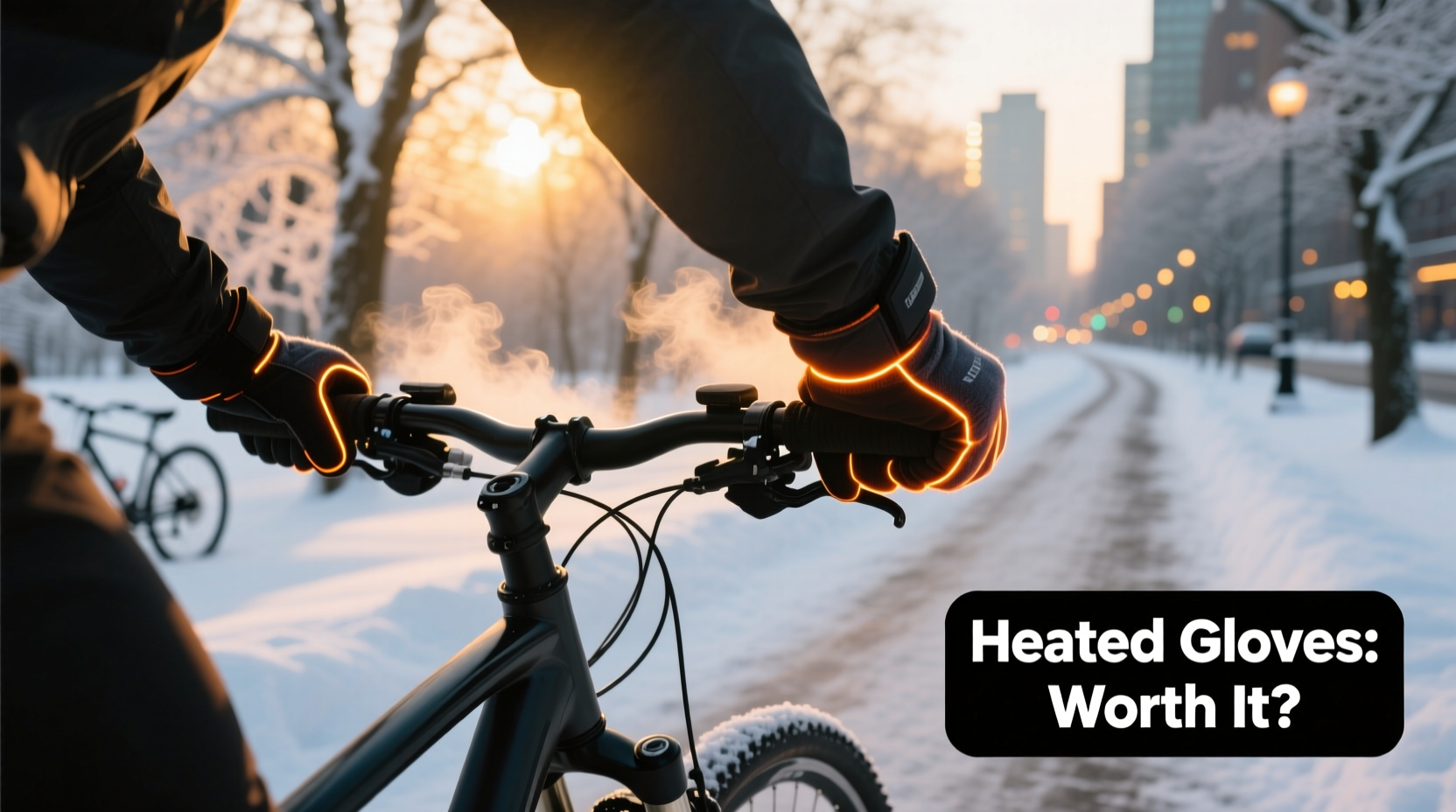
Modern heated gloves integrate thin carbon fiber or metal alloy heating elements into key areas of the hand—typically across the back of the hand, knuckles, and sometimes along the palm or fingertips. These elements connect to a small, rechargeable lithium-ion battery, usually stored in a pocket on the cuff or wrist. Most models offer multiple heat settings (low, medium, high), allowing users to adjust warmth based on conditions.
Power management is critical. On low heat, many gloves last 4–6 hours; on high, as little as 2–3. Some brands include smart features like auto-shutoff, USB-C charging, or companion apps that monitor battery life. Materials vary—from wind-resistant softshell exteriors to water-repellent membranes and fleece linings—making them suitable not just for warmth, but also for dexterity and weather protection.
“Thermal regulation in extremities directly impacts endurance and control during winter activity. Keeping hands above 59°F (15°C) significantly reduces fatigue and improves reaction time.” — Dr. Lena Peterson, Sports Biomechanics Researcher at Nordic Institute of Cold Climate Studies
Real Benefits: Why Cyclists Choose Heated Gloves
The primary advantage of heated gloves is sustained thermal comfort in sub-freezing temperatures. Unlike passive insulation, which can only retain body heat, active heating generates warmth even when ambient temperatures drop below zero. This distinction becomes crucial during long commutes, early morning rides, or static periods like waiting at traffic lights.
Additional benefits include:
- Improved grip and dexterity: Cold hands stiffen tendons and reduce fine motor control. Maintaining warmth helps preserve finger mobility, essential for braking and shifting.
- Enhanced safety: Numb fingers compromise brake modulation. Riders report sharper response times and better handling with heated gloves.
- Extended riding season: Many cyclists abandon bikes once temperatures fall below 30°F (-1°C). With heated gloves, some continue riding comfortably in single-digit temperatures.
- Consistent warmth regardless of speed: At higher speeds, wind chill increases dramatically. Passive gloves may struggle, but heated models compensate by ramping up output.
Heated vs. Traditional Insulated Gloves: A Practical Comparison
To assess value, it's important to compare heated gloves directly with high-end non-heated alternatives. Below is a breakdown of performance factors across both types.
| Feature | Heated Gloves | High-End Insulated Gloves |
|---|---|---|
| Warmth in Extreme Cold (<20°F / -7°C) | Excellent (active heating) | Good to Fair (depends on layering) |
| Battery Dependency | Yes – requires charging | No |
| Lifespan | 2–4 years (battery degrades) | 3–6 years (if properly maintained) |
| Dexterity | Varies – some bulkier due to wiring | Generally superior in thinner models |
| Maintenance | Spot clean only; remove battery | Hand washable; air dry |
| Price Range | $80–$200+ | $40–$120 |
| Wind & Water Resistance | Typically high (designed for outdoor sports) | Depends on model |
While traditional gloves rely solely on trapped air and material thickness, heated versions provide dynamic warmth. However, this comes at the cost of reliability—if the battery fails mid-ride, there’s no backup heat source unless the base insulation is strong enough on its own.
When Heated Gloves Make Sense: Real-World Scenarios
Not every winter cyclist needs heated gloves. Their value depends heavily on climate, riding frequency, and personal physiology. Consider the following example:
Mini Case Study: Urban Commuter in Minneapolis
Jamal, a 34-year-old software developer in Minneapolis, bikes 7 miles to work year-round. His commute takes about 35 minutes each way, mostly on plowed bike lanes. In January, average lows hover around 5°F (-15°C), with frequent wind chills below -10°F.
For years, he used layered glove systems: silk liner gloves under thick neoprene mittens. Despite this, his fingers would go numb within 15 minutes, especially during stop-and-go traffic. Last winter, he invested $140 in a pair of heated cycling gloves with three heat settings and a removable 3,000mAh battery.
Results were immediate. Even in 10°F weather with 15 mph winds, his hands stayed warm throughout the ride using medium heat. Battery lasted the full round trip with 20% remaining. Over six months, he missed only two bike days due to weather. “It’s not magic,” he says, “but it removed the biggest barrier to consistent winter commuting.”
This scenario illustrates where heated gloves shine: predictable routes, moderate distances, and extreme cold. For recreational weekend riders in milder climates, the return on investment may be lower.
Key Considerations Before Buying
Before spending over $100 on heated gloves, consider these practical factors:
- Riding Conditions: Do you regularly ride below 25°F (-4°C)? If so, active heating offers tangible benefits.
- Battery Life vs. Ride Duration: Match expected runtime to your longest typical ride. Don’t assume “up to 6 hours” means full heat for that duration.
- Charging Access: Can you reliably charge the gloves between rides? Forgetfulness renders them useless.
- Backup Plan: Always carry liner gloves. Electronics fail; redundancy prevents frozen fingers.
- Dexterity Needs: Test gloves with your bike controls. Some models make braking awkward due to bulk.
- Repairability: Check warranty terms. Most brands offer 1–2 years; after that, repairs are often not feasible.
Common Misconceptions About Heated Gloves
Several myths persist about heated gloves that distort their perceived value:
- Myth: They replace proper layering. Reality: Best results come from wearing moisture-wicking liners underneath. Heated gloves enhance insulation—they don’t eliminate the need for smart layering.
- Myth: They’re too bulky for real cycling use. Modern designs have slim profiles. Top brands prioritize ergonomics and handlebar compatibility.
- Myth: All heated gloves are the same. Quality varies widely. Cheap models often have poor heat distribution, short battery life, or fragile seams.
- Myth: They’re unsafe. Reputable brands use low-voltage systems (< 5V) and thermal fuses to prevent burns or fire risk.
Step-by-Step Guide: Maximizing Performance From Your Heated Gloves
To get the most out of your investment, follow this routine:
- Charge Fully Before First Use: Ensure batteries reach 100%. Initial calibration affects future accuracy.
- Wear Moisture-Wicking Liners: Silk or merino wool liners keep sweat away and boost insulation.
- Preheat Indoors: Turn gloves on 5–10 minutes before heading out to establish baseline warmth.
- Start on Low/Medium: Avoid max heat unless necessary. Adjust upward only if needed.
- Monitor Battery During Long Rides: If available, use app alerts or LED indicators to track remaining power.
- Recharge Immediately After Use: Lithium batteries degrade faster when left depleted.
- Store in Dry Place: Keep away from humidity. Remove batteries if storing long-term.
Frequently Asked Questions
Can I wash heated gloves?
Most models are not machine-washable. Spot clean with a damp cloth and mild soap. Always remove the battery first. Never submerge the glove or expose connectors to water.
Do heated gloves work in rain or snow?
Many are water-resistant but not fully waterproof. Look for IPX4 or higher ratings if riding in wet conditions. Avoid prolonged exposure to heavy precipitation.
Are heated gloves safe for people with circulation issues?
Yes, but consult a physician first. Individuals with Raynaud’s syndrome or diabetes often benefit from consistent hand warmth. However, avoid high heat settings if sensation is reduced.
Final Verdict: Worth It or Gimmick?
Heated gloves are not a luxury gimmick—for serious winter cyclists, they are a functional tool. They solve a specific problem: maintaining hand function and comfort in extreme cold where passive insulation falls short. While they come with trade-offs—cost, battery dependence, limited lifespan—their ability to transform an otherwise unbearable ride into a manageable one is undeniable.
They aren’t for everyone. Casual riders in temperate zones won’t see enough benefit to justify the price. But for commuters in northern climates, trail riders facing early sunsets, or anyone whose winter biking ambitions are limited by cold hands, heated gloves can be the difference between giving up and staying active.
The key is choosing wisely. Invest in reputable brands known for durability and realistic battery claims. Pair them with proper layering and maintenance habits. Treat them not as magic, but as part of a broader cold-weather strategy.
“The right gear doesn’t just make winter biking possible—it makes it enjoyable. And enjoyment is what keeps people riding all year.” — Sarah Tran, Founder of Winter Cycling Alliance
Conclusion: Take Control of Your Winter Ride
Cold weather shouldn’t dictate your cycling calendar. Whether you're braving icy city streets or cruising snowy forest paths, your hands deserve more than numbness and discomfort. Heated gloves, when used thoughtfully, offer a reliable solution grounded in real utility—not marketing hype.
If you’ve been hesitating because they seem flashy or expensive, reconsider. Evaluate your actual riding conditions, test user reviews, and weigh the long-term value of consistent, comfortable rides. For many, the decision to try heated gloves marks the beginning of a truly year-round cycling lifestyle.
🚀 Ready to conquer winter rides with warm hands? Research top-rated heated gloves today, start with a trusted brand, and experience the difference active warmth can make.








