
Beyond their decorative appeal, brooches serve as personal statements—symbols of identity, heritage, or profession. But when worn daily, a brooch must endure constant movement, friction, and environmental exposure. A poorly constructed pin can bend, tarnish, or detach at the worst moment. Choosing one designed for durability ensures both longevity and confidence in your style. The key lies not just in aesthetics but in material quality, clasp reliability, structural design, and proper maintenance.
1. Prioritize High-Quality Materials
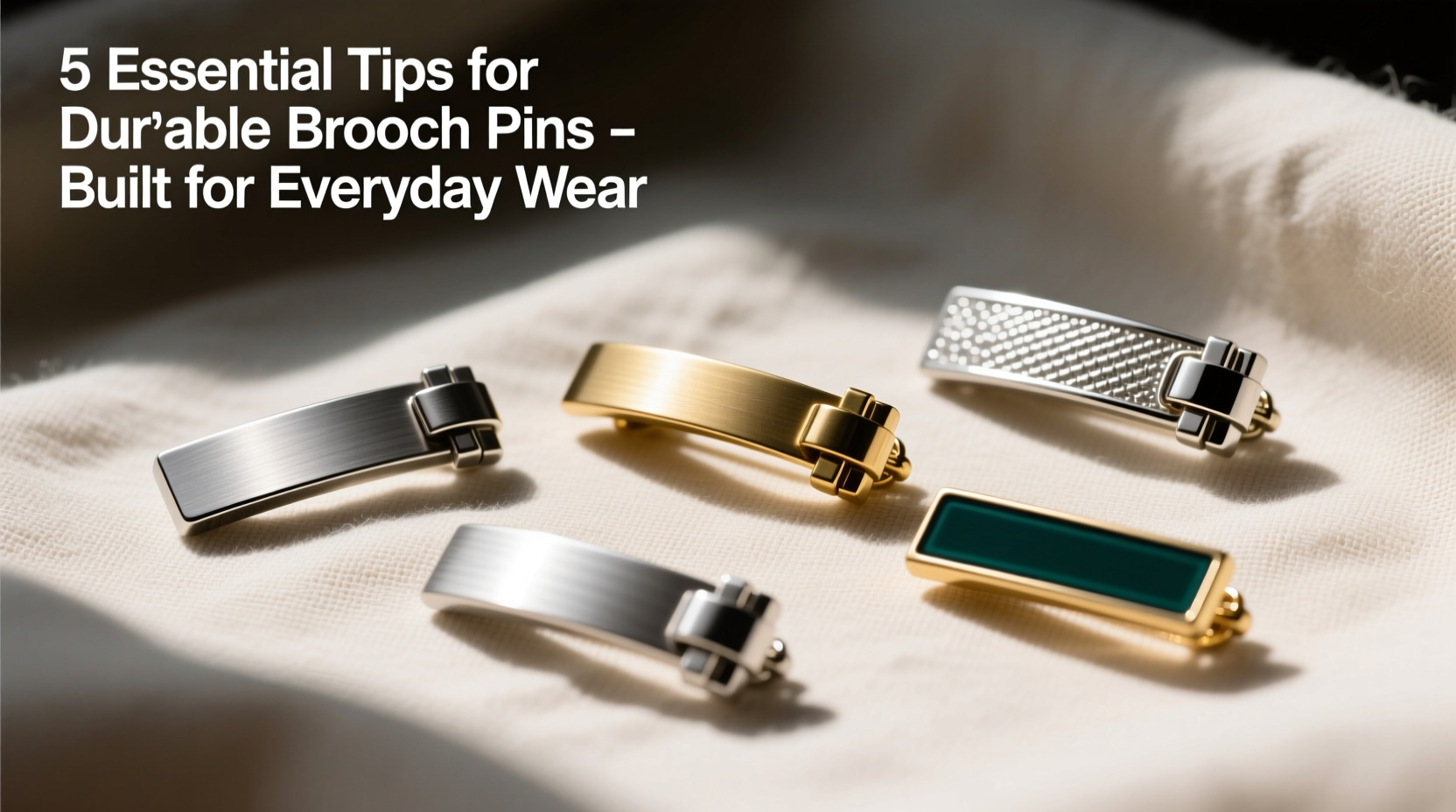
The foundation of any durable brooch is its base material. While appearance matters, long-term resilience depends on what the piece is made of. Common materials vary widely in strength, corrosion resistance, and weight—factors that directly impact daily usability.
Tip: Avoid base metals like nickel-plated alloys if you have sensitive skin or plan to wear the brooch frequently—they tarnish quickly and may cause irritation.Solid metals such as sterling silver, gold-filled, or stainless steel offer superior durability. Sterling silver (92.5% pure silver alloyed with copper) resists wear well but requires occasional polishing to prevent oxidation. Gold-filled pieces, which have a thick layer of real gold bonded to a brass core, maintain luster far longer than gold-plated alternatives and resist flaking under regular use.
Stainless steel stands out for its exceptional toughness. It resists scratches, moisture, and corrosion—ideal for those with active lifestyles or who live in humid climates. Titanium is another lightweight, hypoallergenic option increasingly used in high-end functional jewelry.
| Material | Durability | Tarnish Resistance | Best For |
|---|---|---|---|
| Sterling Silver | High | Moderate | Classic elegance, moderate wear |
| Gold-Filled | Very High | High | Daily wear, sensitive skin |
| Stainless Steel | Exceptional | Very High | Active lifestyles, outdoor use |
| Brass (lacquered) | Low-Moderate | Low | Occasional wear only |
2. Evaluate the Clasp Mechanism
No matter how beautiful a brooch, it’s useless if the clasp fails. Daily wear subjects the fastening system to repeated stress, making this component critical. There are several types of clasps, each with pros and cons.
- Butterfly clutch (standard pin): Common but prone to loosening over time; best paired with a safety chain.
- Torpedo clasp: Offers a tighter grip than butterfly clasps and resists accidental opening.
- Screw-down clasp: Provides maximum security but takes longer to fasten—ideal for valuable or heavy pieces.
- Hinged lock (toggle) clasp: Found in higher-end designs, these self-locking mechanisms prevent slippage even under strain.
Look for clasps made from the same metal as the brooch body. Inferior plastic or thin metal clasps degrade faster and increase the risk of loss. When testing a brooch, press the pin closed repeatedly—does it spring back firmly? Does the catch engage smoothly without wobbling?
“Over 70% of broken brooches I repair fail at the clasp, not the design. Invest in locking mechanisms for daily wear.” — Daniel Reeves, Master Jewelry Artisan
3. Choose Functional Design Over Fragility
A striking silhouette means little if delicate elements snap off after a week of use. Brooches with extended prongs, thin wires, or protruding gem settings are vulnerable to snagging on fabric or impact damage. For everyday practicality, opt for low-profile designs with balanced weight distribution.
Consider where you’ll wear the brooch. Lapels, scarves, and handbags all present different risks. A sharp, angular brooch might look bold on a blazer but could catch on seatbelts or sleeves. Rounded edges and smooth finishes reduce friction and enhance comfort.
Enamel work adds color and artistry but varies in durability. Cloisonné and champlevé techniques embed enamel within metal cells, protecting it from chipping. Soft enamel, especially on budget pieces, sits in recessed areas but can crack under pressure. Always inspect for gaps or roughness along enamel borders—a sign of poor craftsmanship.
Tip: Test fit by attaching the brooch to a similar fabric you wear often. Check for pull, drag, or instability before committing.4. Real-World Example: The Nurse’s Commemorative Pin
Sarah, a pediatric nurse in Chicago, needed a durable pin to represent her certification. She chose an ornate sterling silver badge with dangling chains and intricate filigree. Within three weeks, the chain links broke, and the pin backing warped from repeated laundering of her scrubs.
She replaced it with a flat, 1-inch circular brooch made of gold-filled metal and a screw-down clasp. The new design featured a minimalist emblem with embedded enamel protected by a raised metal rim. Now in its second year of daily use—including weekly machine washing of uniforms—the brooch remains intact and polished.
This case illustrates that function doesn’t require sacrificing meaning. By prioritizing construction over ornamentation, Sarah gained both durability and pride in her professional symbol.
5. Care and Maintenance Routine
Even the sturdiest brooch requires basic upkeep. Sweat, oils, lotions, and atmospheric pollutants accelerate tarnishing and mechanical wear. Establishing a simple routine preserves appearance and extends service life.
- Wipe after wear: Use a soft microfiber cloth to remove surface residue immediately after removing the brooch.
- Deep clean monthly: For metal brooches, use a solution of warm water and mild dish soap. Gently scrub with a soft toothbrush, rinse, and dry thoroughly.
- Polish selectively: Only polish when necessary using a jeweler’s cloth rated for the specific metal. Over-polishing wears down thin layers, especially on plated or filled items.
- Store properly: Keep in individual pouches or compartmentalized boxes to prevent scratching. Avoid stacking or tossing into drawers.
- Inspect clasps quarterly: Check for looseness, corrosion, or spring fatigue. Replace weak clasps proactively.
Checklist: Selecting a Durable Everyday Brooch
- ✅ Made from solid metal (sterling silver, gold-filled, stainless steel)
- ✅ Features a secure clasp (torpedo, screw-down, or hinged lock)
- ✅ Low-profile design with no fragile extensions
- ✅ Enamel or stone settings protected by metal borders
- ✅ Weight is balanced and comfortable for extended wear
- ✅ Comes with a manufacturer warranty or craftsmanship guarantee
Frequently Asked Questions
Can I wear my brooch in the rain or while washing hands?
Yes, if it's made from stainless steel, titanium, or solid gold. Sterling silver and gold-filled pieces should be dried promptly after exposure to moisture to prevent tarnish buildup. Avoid submerging brooches with glued elements or porous stones.
How do I know if a brooch is truly gold-filled versus plated?
Gold-filled items are legally required to contain at least 5% real gold by weight, bonded through heat and pressure. Look for markings like “1/20 14K GF” or “GF.” Plated items may say “GP,” “HGE,” or have no stamp. Gold-filled feels heavier and lasts 5–10 times longer than plating.
Is it safe to machine-wash clothing with a brooch attached?
No. Even durable clasps can loosen under agitation, and detergents may corrode metal or weaken adhesives. Always remove brooches before laundering.
Final Thoughts
A brooch built for everyday wear blends artistry with engineering. It withstands motion, resists wear, and maintains its presence without constant repair. By focusing on material integrity, clasp security, and thoughtful design, you invest in more than decoration—you gain a reliable companion for your personal expression.
Don’t settle for beauty that fades after a few uses. Demand craftsmanship that matches your commitment to style and function. Whether marking a milestone, honoring a tradition, or simply elevating your daily look, choose a brooch that won’t let you down.
💬 Have a favorite durable brooch or care tip? Share your experience in the comments and help others find lasting, meaningful accessories.








