Fitness trackers have become essential companions in modern life—monitoring heart rate, counting steps, tracking sleep, and even delivering notifications. But beyond their technical functions, these wearable devices are also fashion statements. Most come with standard silicone or rubber bands in neutral colors, which can feel generic after a while. Personalizing your fitness tracker band is an easy, affordable way to reflect your personality, style, and daily mood—whether you're heading to the gym, office, or a weekend brunch.
Unlike permanent modifications, customizing your band doesn’t void warranties or compromise functionality. With a growing market of interchangeable straps and DIY techniques, personalization has never been more accessible. From minimalist elegance to bold artistic expression, there’s a way to tailor your tracker to suit every aesthetic and occasion.
Why Personalization Matters Beyond Aesthetics
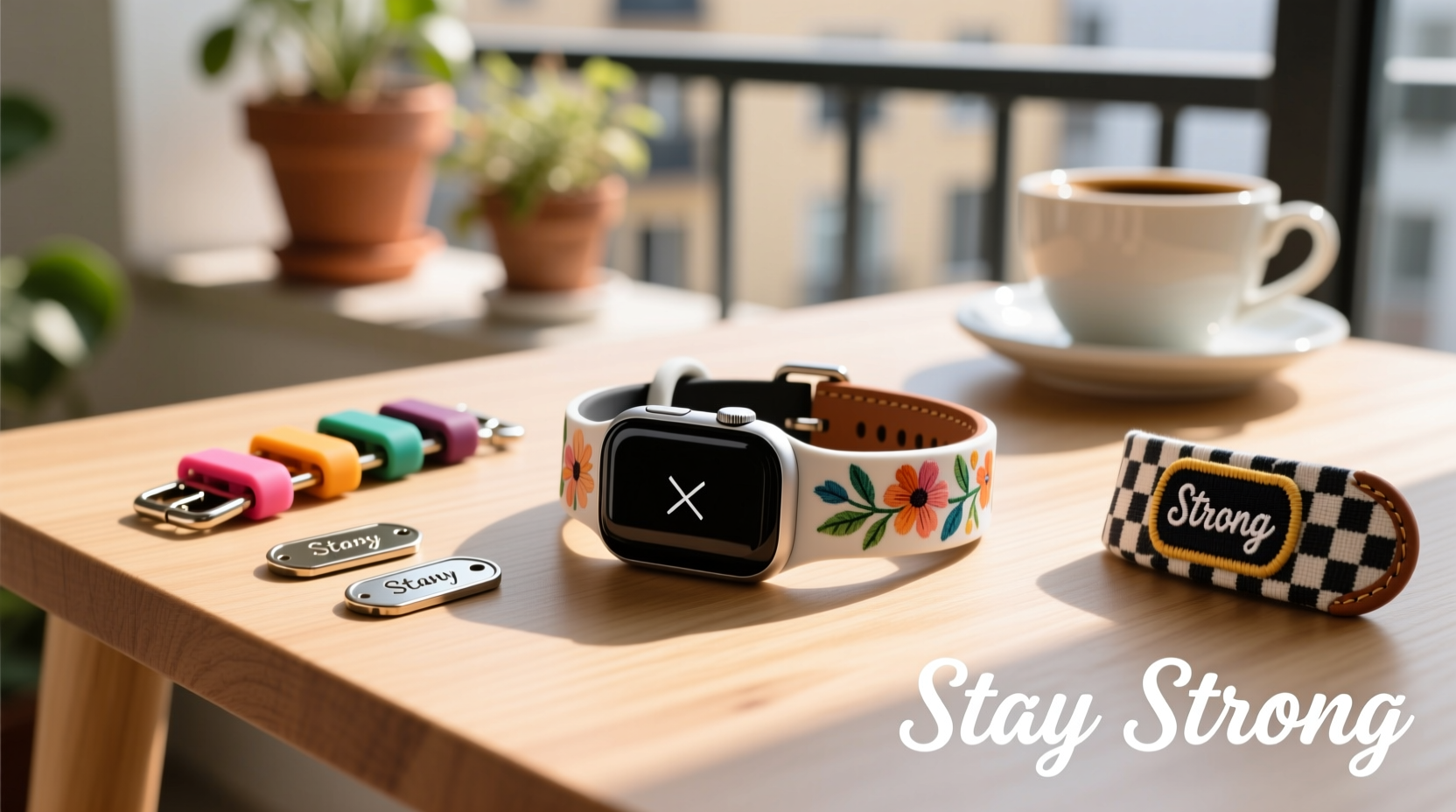
At first glance, changing your fitness tracker band might seem like a purely cosmetic upgrade. However, the benefits extend well beyond appearance. A personalized band increases emotional attachment to the device, making it more likely that you’ll wear it consistently. Studies in behavioral psychology suggest that people are more inclined to use tools they feel connected to on a personal level.
Additionally, switching bands based on activity enhances both comfort and performance. A breathable nylon strap suits intense workouts, while a sleek metal link band elevates your look for professional settings. This adaptability ensures your tracker remains functional across contexts without sacrificing style.
“Wearables are no longer just about data—they’re extensions of identity. When users personalize their devices, they engage more deeply with their health goals.” — Dr. Lena Torres, Human-Technology Interaction Researcher at Stanford University
Choosing the Right Band Material for Your Lifestyle
The foundation of a great personalized look starts with selecting the right material. Each type offers unique advantages in terms of durability, comfort, and visual appeal. Consider your daily routine when choosing:
| Material | Best For | Pros | Cons |
|---|---|---|---|
| Silicone | Athletes, daily wearers | Water-resistant, sweat-proof, affordable | Limited breathability, may cause irritation over time |
| Nylon/Fabric | Active lifestyles, outdoor activities | Breathable, lightweight, quick-drying | Can absorb odors if not cleaned regularly |
| Leather | Office wear, evening events | Elegant, ages beautifully, comfortable | Not water-resistant, requires maintenance |
| Stainless Steel/Metal Link | Formal occasions, business settings | Durable, premium look, adjustable fit | Heavier, less flexible, higher price point |
| Titanium | All-day wear, sensitive skin | Hypoallergenic, lightweight, corrosion-resistant | Premium cost, fewer design options |
Step-by-Step Guide to Swapping and Customizing Your Band
Changing your fitness tracker band is typically simple, but the exact method depends on your model (e.g., Fitbit, Apple Watch, Garmin, Samsung Galaxy Watch). Follow this universal guide to ensure a smooth transition:
- Identify your tracker model and compatibility. Check the manufacturer’s website or packaging for supported band sizes and attachment types (spring pins, quick-release, magnetic).
- Power down your device (optional but recommended). Prevent accidental touches or resets during handling.
- Locate the release mechanism. On most devices, small buttons or levers sit near the connection points. Press them gently using a paperclip or tool provided in band kits.
- Detach the old band. Slide it out once the pin retracts. Do not force it—excessive pressure can damage internal mechanisms.
- Attach the new band. Align the end of the band with the slot and push until you hear a click. Ensure it's fully seated and secure.
- Test the fit and movement. Gently tug the band to confirm it won’t detach accidentally. Wear it for a few minutes to assess comfort.
For DIY customization, consider painting silicone bands with fabric-safe acrylics, adding enamel pins to fabric loops, or weaving paracord into intricate patterns. Always allow paint to cure completely and avoid covering sensors or charging ports.
Real Example: Transforming a Basic Tracker into a Statement Piece
Jamie, a graphic designer from Portland, found her silver fitness tracker too plain for her vibrant wardrobe. She purchased a black woven nylon band with quick-release pins compatible with her Apple Watch. Using non-toxic fabric paints, she hand-painted abstract geometric shapes in neon pink, teal, and orange along the edges. After sealing the design with a waterproof fabric protector, the band became her signature accessory. Colleagues began asking where they could buy it—unaware it was a homemade creation. Jamie now rotates three custom bands she made for different seasons, proving that personalization doesn’t require expensive gear—just creativity.
Creative Ways to Express Yourself Through Band Design
Personalization isn’t limited to color swaps. Think of your tracker band as a canvas for self-expression. Here are several approaches to elevate its style:
- Color Coordination: Match your band to your workout gear, seasonal palettes, or even your nail polish. Monochromatic schemes create sophistication; contrasting colors add energy.
- Themed Bands: Celebrate holidays with festive designs—red and green for Christmas, pastels for Easter, or spooky prints for Halloween.
- Charity & Cause Support: Many brands sell bands with proceeds supporting mental health, cancer research, or environmental causes. Wearing one signals values while staying stylish.
- Engraved Metal Bands: Opt for stainless steel or titanium bands laser-engraved with initials, meaningful dates, or motivational words like “Breathe” or “Persist.”
- Swapable Top Covers: Some third-party accessories allow magnetic faceplates or overlays that change the display frame’s appearance without altering software.
Checklist: How to Maintain Your Personalized Bands
To keep your customized bands looking fresh and lasting longer, follow this maintenance checklist:
- ✅ Clean fabric and silicone bands weekly with mild soap and water.
- ✅ Air-dry thoroughly before reattaching to prevent moisture buildup.
- ✅ Condition leather bands monthly with a cream designed for smooth finishes.
- ✅ Store extra bands in a dry, cool place away from direct sunlight.
- ✅ Inspect metal bands periodically for loose links or worn clasps.
- ✅ Avoid submerging painted or decorated bands unless sealed properly.
- ✅ Rotate bands regularly to reduce wear on any single strap.
Common Mistakes to Avoid When Personalizing
While customization opens up exciting possibilities, certain missteps can compromise comfort, safety, or device longevity:
- Using incompatible bands: Not all third-party straps fit securely. Poor alignment can lead to accidental drops or sensor interference.
- Blocking sensors: Thick paint, embellishments, or layered materials over the back of the tracker can disrupt heart rate monitoring.
- Ignoring hygiene: Sweat-soaked bands left unwashed breed bacteria and may cause skin irritation or rashes.
- Over-accessorizing: Attaching large charms or pendants can snag on clothing or equipment, risking damage.
- Skipping waterproofing: Decorative elements added at home should be sealed to withstand moisture, especially for active users.
“Functionality should never be sacrificed for fashion. The best personalized bands enhance both usability and aesthetics.” — Marcus Reed, Product Designer at WearTech Labs
FAQ
Can I wear any brand’s band on my fitness tracker?
No—compatibility varies by model. While many brands adhere to standard lug widths (e.g., 20mm, 22mm), attachment mechanisms differ. Always verify compatibility before purchasing. For example, Apple Watch bands are not interchangeable with Fitbit Sense models.
How do I clean a painted or decorated band?
Spot-clean gently with a damp cloth and mild detergent. Avoid soaking or scrubbing aggressively. If the decoration is sealed with a waterproof spray, rinsing under water may be safe—but test on a small area first.
Are DIY customizations safe for long-term use?
Yes, if done carefully. Use flexible adhesives and breathable materials. Avoid rigid decorations that restrict movement or press against the skin. Regularly inspect for peeling or sharp edges.
Conclusion: Make It Yours, Wear It Proud
Your fitness tracker is more than a gadget—it’s a reflection of your journey toward better health and mindful living. By personalizing its band, you transform a utilitarian object into a meaningful part of your daily identity. Whether you choose a pre-designed luxury strap or craft a one-of-a-kind piece yourself, the key is intentionality. Let your band mirror your mood, support your values, and complement your lifestyle.
Start small: pick one alternate band that excites you. Try it for a week. Notice how it feels different—not just on your wrist, but in your motivation. Then expand your collection. Mix textures, embrace colors, celebrate milestones with special editions. In doing so, you’re not just accessorizing—you’re building a deeper relationship with your wellness journey.
💬 What’s your favorite way to personalize your tech? Share your ideas, photos, or tips in the comments—let’s inspire each other to wear our stories with pride!








