One of the most common concerns among snake owners is when their pet refuses to eat. Unlike mammals, snakes don’t need daily meals, so occasional fasting is normal. However, prolonged refusal can signal underlying health, environmental, or behavioral problems. Understanding the root causes—and knowing when to intervene—is essential for maintaining your reptile’s long-term well-being. This guide explores the most frequent reasons snakes stop eating, offers actionable solutions, and helps you distinguish between natural behavior and cause for concern.
Understanding Normal Fasting vs. Problematic Refusal
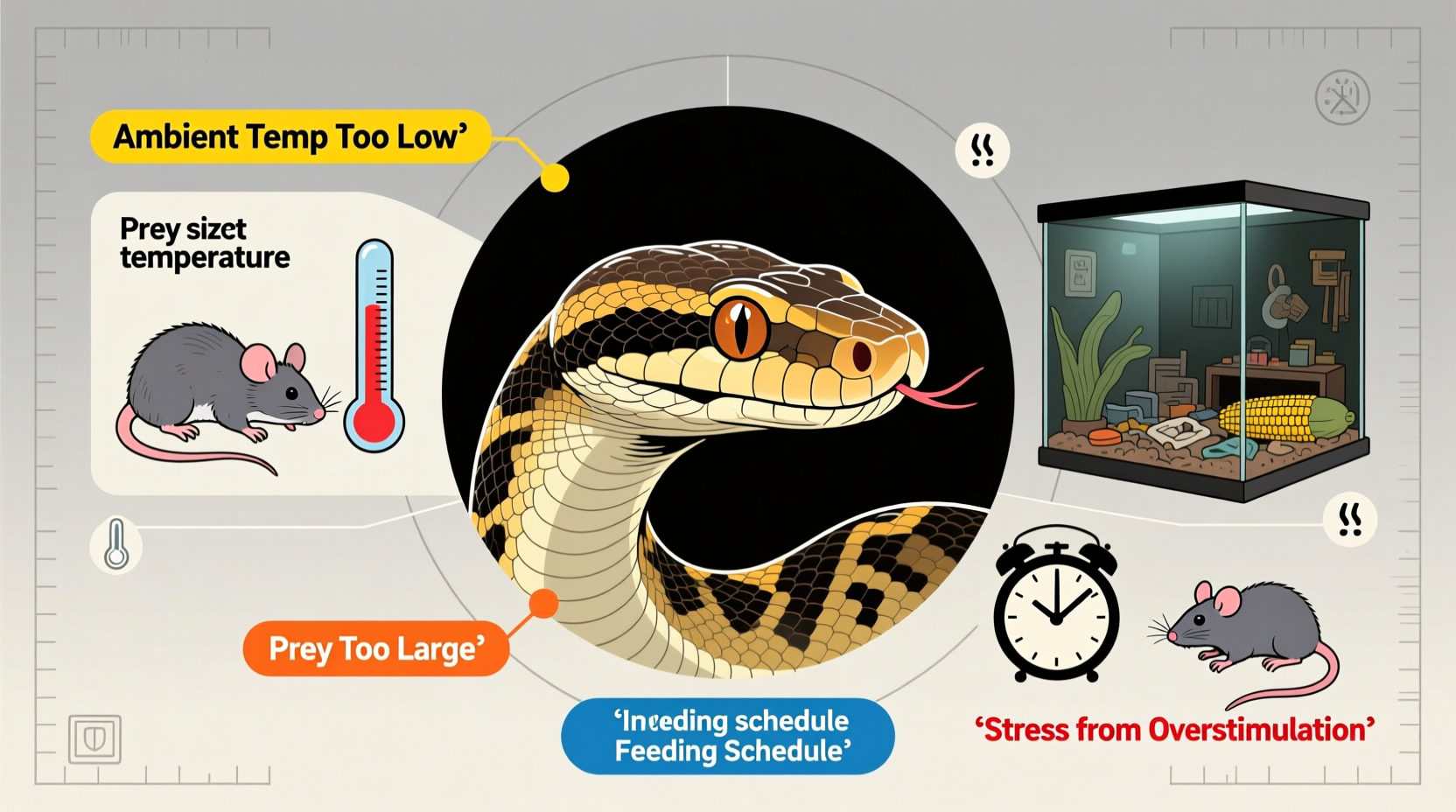
Snakes are opportunistic feeders with metabolisms adapted to feast-or-famine environments. Many species naturally fast during certain times of the year, especially as they approach breeding season or brumation (a reptile version of hibernation). For example, ball pythons often go weeks or even months without eating during cooler months, a behavior known as seasonal fasting.
However, not all food refusal is harmless. If your snake shows signs of weight loss, lethargy, regurgitation, or consistently rejects food outside expected patterns, intervention may be necessary. The key is to observe not just appetite, but overall condition—skin quality, activity level, and shedding frequency.
Tip: Weigh your snake monthly using a digital scale to track subtle changes that might indicate declining health before visible weight loss occurs.Common Causes of Feeding Refusal and Their Solutions
Multiple factors influence a snake’s willingness to eat. These range from husbandry conditions to stress and illness. Below are the most prevalent causes and how to address them.
1. Improper Temperature or Humidity
Snakes rely on external heat sources to regulate digestion. If ambient temperatures fall below the ideal range, metabolism slows dramatically, reducing appetite. Similarly, incorrect humidity can lead to dehydration or difficulty shedding, both of which discourage feeding.
For most common pet snakes:
- Ball Pythons: Basking zone at 88–92°F (31–33°C), cool side around 78°F (25°C), humidity 50–60% rising to 70% during shed.
- Corn Snakes: Warm side 85°F (29°C), cool side 75°F (24°C), humidity 40–50%.
- Kingsnakes: Similar to corn snakes, with slightly lower humidity needs.
Use high-quality thermometers and hygrometers at both ends of the enclosure to verify gradients. Adjust heating elements or misting routines accordingly.
2. Stress from Environmental Changes
Snakes are highly sensitive to changes in their surroundings. Relocation, new tank mates, excessive handling, loud noises, or even rearranging decor can trigger stress-induced anorexia.
Newly acquired snakes are especially prone to this. It’s not uncommon for a ball python to refuse food for several weeks after being brought home. Give your snake time to acclimate—typically 5 to 7 days—before attempting to feed.
“Many feeding issues stem not from hunger, but from fear. A secure hide and minimal disturbance are often more important than prey variety.” — Dr. Laura Spano, Exotic Veterinarian
3. Inappropriate Prey Type or Size
Offering prey that’s too large, too small, or unfamiliar can deter feeding. While frozen-thawed rodents are standard, some snakes prefer live prey or have strong scent preferences. Others may reject rats if they’ve only eaten mice, or vice versa.
Ensure prey is no wider than the widest part of your snake’s body. Juveniles typically eat every 5–7 days; adults every 10–14 days. Overfeeding can also lead to future refusal due to discomfort or learned satiety cues.
4. Brumation or Breeding Behavior
Cooler temperatures and shorter daylight hours can trigger brumation in species like corn snakes and kingsnakes. During this period, appetite diminishes naturally. Similarly, males may stop eating during breeding season due to heightened activity and hormonal shifts.
If your snake remains active, hydrated, and maintains weight, short-term fasting during these periods is usually safe. Monitor closely and resume regular feeding once conditions normalize.
5. Illness or Parasites
Persistent refusal to eat, especially when paired with wheezing, mucus, weight loss, or abnormal feces, may indicate respiratory infection, stomatitis (mouth rot), or internal parasites.
A fecal exam by a qualified reptile veterinarian can detect parasites such as roundworms or coccidia. Respiratory infections often require antibiotics and improved husbandry. Never attempt self-diagnosis or treatment with over-the-counter remedies.
Step-by-Step Guide to Reviving a Snake’s Appetite
If your snake has stopped eating and you’ve ruled out recent acquisition or seasonal fasting, follow this systematic approach:
- Verify Enclosure Conditions: Check temperature gradient, humidity, and hiding spots. Correct any deviations immediately.
- Reduce Handling: Limit interaction for at least two weeks to minimize stress.
- Assess Prey Options: Try different prey types (e.g., switch from mouse to rat pup, or use gerbils or chicks for picky eaters).
- Adjust Feeding Technique: Offer food at night for nocturnal species, use tongs to simulate movement, or “tease” the snake gently with warm prey.
- Try Scent Transfer: Rub the prey with a lizard or bird (if appropriate) to mimic natural prey scents.
- Fast Strategically: Allow a 10–14 day break between attempts to prevent food aversion.
- Consult a Vet: If no progress after 6–8 weeks (or sooner if weight loss occurs), seek professional evaluation.
Tips and Best Practices for Consistent Feeding
Tip: Feed in a separate, quiet container to reduce association between cage opening and stress—especially useful for nervous species. Tip: Warm prey to at least 98°F (37°C) before offering—it mimics body heat and increases detection via infrared sensing pits in pythons and boas.Feeding Checklist: Before You Offer a Meal
- Temperature gradient confirmed with reliable gauges
- Hides available on both warm and cool sides
- No recent handling or disturbances
- Prey fully thawed and warmed
- Correct size relative to snake’s girth
- Water bowl clean and full
- Enclosure free of drafts or loud noises
Do’s and Don’ts When Dealing with a Picky Eater
| Do’s | Don’ts |
|---|---|
| Wait 5–7 days between feeding attempts | Force-feed without veterinary guidance |
| Try different prey types or scents | Leave live prey unattended (risk of injury) |
| Maintain consistent lighting and temperature | Overhandle during feeding strikes |
| Weigh your snake monthly | Offer food during shedding cycle |
| Keep a feeding log (dates, prey type, response) | Assume fasting is always normal without monitoring |
Real Example: Rescuing a Ball Python’s Appetite
Mark adopted a young ball python from a breeder and noticed it refused its first three meals. The snake was kept in a glass terrarium with a heat mat under half the cage, but Mark hadn’t verified temperatures with a thermometer. After reading about thermal gradients, he installed a digital probe and discovered the warm side was only reaching 80°F (27°C).
He upgraded to a ceramic heat emitter with a thermostat and added a humid hide. He reduced handling and switched from adult mice to fuzzy mice, warming them thoroughly before feeding. On the fourth attempt, using tongs to wiggle the prey near the snake’s hide, the python struck and ate successfully. Over the next few months, Mark maintained stable conditions and gradually transitioned to larger prey. The snake began eating regularly every 10–12 days.
This case illustrates how multiple subtle issues—suboptimal heat, improper prey size, and overhandling—can combine to suppress appetite. Addressing each factor systematically led to a successful outcome.
Frequently Asked Questions
How long can a healthy snake go without eating?
Adult snakes can safely fast for several weeks to a few months depending on age, species, and body condition. Juveniles should not go longer than 1–2 weeks without food. Any fasting beyond 6–8 weeks warrants closer monitoring or veterinary consultation, especially if weight loss occurs.
Should I try live prey if my snake won’t eat frozen-thawed?
Live prey can stimulate feeding response, but carries risks—rodents can injure or even kill a snake if left unsupervised. Use live prey only as a last resort and never leave it unattended. Most snakes can be transitioned back to frozen-thawed prey with proper warming and movement simulation.
Can dehydration cause my snake to stop eating?
Yes. Dehydration impairs digestion and overall health. Signs include sunken eyes, dry skin, and retained eye caps. Ensure fresh water is always available and consider soaking your snake in shallow lukewarm water for 10–15 minutes weekly if hydration is a concern.
Conclusion: Patience, Observation, and Proactive Care
A snake refusing to eat is rarely a crisis—but it is a signal. Whether driven by environment, stress, or health, feeding issues demand thoughtful attention rather than panic. By methodically evaluating husbandry, adjusting feeding techniques, and tracking your snake’s condition, most cases resolve with time and care.
Remember, consistency is more powerful than quick fixes. Stable temperatures, proper hides, and minimal disturbance create the foundation for reliable feeding. When in doubt, consult a reptile-savvy veterinarian. Your diligence today ensures a healthier, more confident eater tomorrow.
💬 Have experience with a stubborn feeder? Share your story or tips in the comments—your insight could help another snake owner avoid unnecessary worry.








