A yellow tint in the skin can be alarming and often signals an underlying health issue. This discoloration, commonly known as jaundice, occurs when bilirubin—a yellow pigment formed during the breakdown of red blood cells—builds up in the bloodstream. While mild cases may resolve on their own, persistent or worsening yellowing requires medical evaluation. Understanding the causes, recognizing symptoms early, and knowing available treatments are essential for timely intervention and recovery.
What Is Jaundice and How Does It Develop?
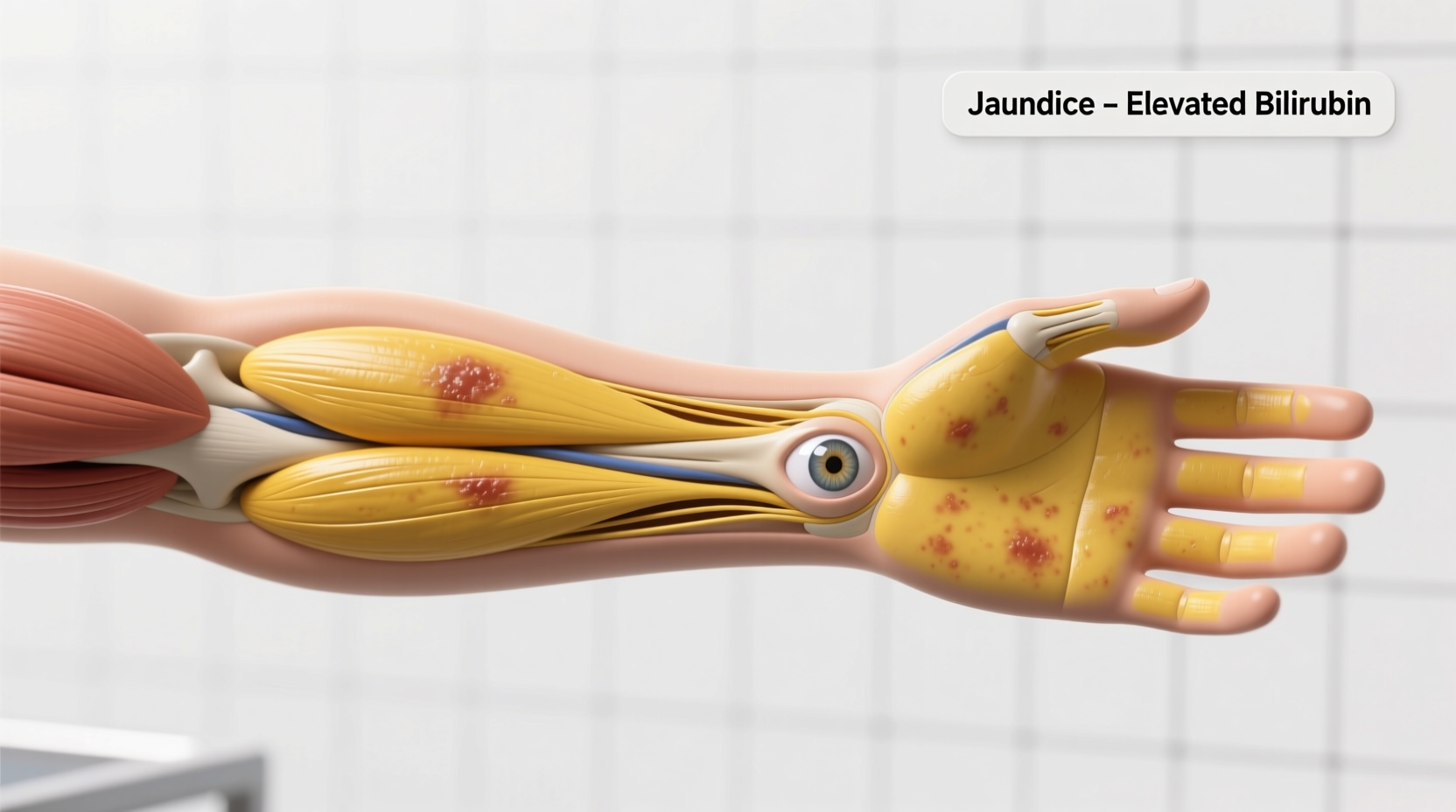
Jaundice, medically termed hyperbilirubinemia, results from elevated levels of bilirubin in the blood. Normally, the liver processes bilirubin by converting it into a water-soluble form that can be excreted through bile and urine. When this process is disrupted—due to liver dysfunction, excessive red blood cell destruction, or blocked bile ducts—bilirubin accumulates, leading to visible yellowing of the skin and whites of the eyes (sclera).
The condition can affect people of all ages but presents differently across age groups. In newborns, jaundice is relatively common and often benign, resolving within days. In adults, however, it typically indicates a more serious health concern requiring diagnosis and treatment.
Tip: If you notice yellowing of the skin or eyes, especially accompanied by fatigue, dark urine, or abdominal pain, seek medical advice promptly.Common Causes of Yellow Skin and Jaundice
Jaundice arises from disruptions in one of three phases of bilirubin metabolism: pre-hepatic (before liver processing), hepatic (liver-related), or post-hepatic (after liver processing). Identifying the root cause is crucial for effective treatment.
Pre-Hepatic Causes
These involve conditions that increase the breakdown of red blood cells, overwhelming the liver’s ability to process bilirubin.
- Hemolytic anemia
- Sickle cell disease
- Thalassemia
- Malaria
- Autoimmune disorders attacking red blood cells
Hepatic (Liver-Related) Causes
When the liver itself is damaged or impaired, it cannot properly process bilirubin.
- Hepatitis (viral: A, B, C; alcoholic; autoimmune)
- Cirrhosis
- Drug-induced liver injury (e.g., acetaminophen overdose)
- Fatty liver disease (non-alcoholic or alcoholic)
- Inherited disorders like Gilbert’s syndrome
Post-Hepatic (Obstructive) Causes
Blockages in the bile duct prevent bilirubin from being excreted.
- Gallstones
- Pancreatic cancer
- Bile duct tumors or strictures
- Cholangitis (bile duct infection)
“Jaundice isn’t a disease—it’s a sign. The real challenge is identifying what’s behind it.” — Dr. Lena Patel, Gastroenterologist and Hepatology Specialist
Diagnosing the Cause: What to Expect
Diagnosis begins with a thorough medical history and physical exam, followed by targeted testing. Doctors assess risk factors such as alcohol use, medication history, travel, family history, and symptom onset.
Key diagnostic tools include:
| Test Type | Purpose | What It Measures |
|---|---|---|
| Blood Tests | Evaluate liver function and bilirubin levels | Total and direct bilirubin, ALT, AST, ALP, albumin, INR |
| Complete Blood Count (CBC) | Check for hemolysis or anemia | Red blood cell count, hemoglobin, reticulocyte count |
| Imaging | Detect structural issues in liver or bile ducts | Ultrasound, CT scan, MRI, MRCP |
| Viral Panels | Identify hepatitis infections | Antibodies for hepatitis A, B, C |
| Liver Biopsy (if needed) | Analyze liver tissue for damage or disease | Inflammation, fibrosis, fat accumulation |
Based on these findings, a healthcare provider can determine whether jaundice stems from hemolysis, liver disease, or obstruction—and tailor treatment accordingly.
Treatment Options Based on Underlying Cause
There is no universal cure for jaundice; treatment depends entirely on the diagnosed cause. Addressing the root issue resolves the yellowing over time.
For Hemolytic Conditions
If excessive red blood cell destruction is the culprit, managing the underlying disorder is key.
- Blood transfusions for severe anemia
- Immunosuppressive therapy for autoimmune hemolysis
- Treating infections like malaria
For Liver Disease
Therapy focuses on reducing inflammation, halting progression, and supporting liver function.
- Antiviral medications for hepatitis B or C
- Alcohol cessation and nutritional support for alcoholic liver disease
- Corticosteroids for autoimmune hepatitis
- Lifestyle changes (weight loss, diabetes control) for fatty liver
For Bile Duct Obstructions
Relieving the blockage is critical to restoring bile flow.
- Endoscopic retrograde cholangiopancreatography (ERCP) to remove gallstones
- Surgery to remove tumors or repair strictures
- Stent placement to keep ducts open
Real-World Example: Recognizing Symptoms Early
Mark, a 52-year-old construction worker, noticed his skin gradually turning yellow over two weeks. He initially dismissed it as fatigue from long shifts. But when he began experiencing itching, dark urine, and upper abdominal discomfort, he visited his doctor. Blood tests revealed elevated bilirubin and liver enzymes. An ultrasound showed gallstones blocking his common bile duct. Through an ERCP procedure, the stones were removed, and his jaundice resolved within ten days. Mark’s case highlights how timely medical attention can prevent complications like cholangitis or pancreatitis.
Step-by-Step: What to Do If You Notice Yellow Skin
- Monitor symptoms: Note when yellowing started, whether it’s spreading, and if other signs like fatigue, nausea, or pain are present.
- Check urine and stool: Dark urine and pale stools suggest obstructive jaundice.
- Avoid self-medicating: Do not take additional supplements or painkillers without consulting a doctor.
- Schedule a medical appointment: See a primary care physician or gastroenterologist promptly.
- Follow diagnostic recommendations: Complete blood work, imaging, or specialist referrals as advised.
- Begin treatment plan: Adhere to prescribed therapies and lifestyle adjustments.
Frequently Asked Questions
Can dehydration cause yellow skin?
Dehydration alone does not cause true jaundice, but it may make existing yellowing more noticeable due to reduced blood volume and concentrated urine. Persistent skin discoloration requires evaluation beyond hydration status.
Is jaundice always serious in adults?
Yes. Unlike in newborns, where jaundice is often physiological, jaundice in adults is never considered normal and always indicates an underlying pathology that needs investigation.
Can certain foods turn your skin yellow?
Yes—eating large amounts of beta-carotene-rich foods like carrots, sweet potatoes, or squash can cause carotenemia, a harmless condition that yellows the skin (especially palms and soles) but leaves the eyes white. This differs from jaundice, which affects the sclera.
Conclusion: Take Action for Better Health
Yellow skin is not something to overlook. While it may stem from a temporary or treatable condition, it can also signal significant liver or biliary disease. Early detection dramatically improves outcomes, whether the cause is gallstones, hepatitis, or another disorder. Pay attention to your body, understand the warning signs, and don’t delay seeking professional care. Your liver works silently every day—protect it before symptoms escalate.
💬 Have you or someone you know experienced jaundice? Share your story or questions below to help others recognize symptoms and seek timely care.








