
Creating a vibrant, natural-looking aquascape doesn’t require expensive equipment or rare plant species. One of the most effective ways to achieve an immersive underwater landscape is by using carpeting plants—low-growing varieties that spread across the substrate, mimicking grassy meadows beneath the water’s surface. While many assume these plants are high-maintenance or costly, several budget-friendly options deliver stunning results with minimal effort. These affordable aquarium carpet plants not only enhance visual depth but also improve water quality and provide shelter for small fish and invertebrates.
Balancing Aesthetics and Affordability
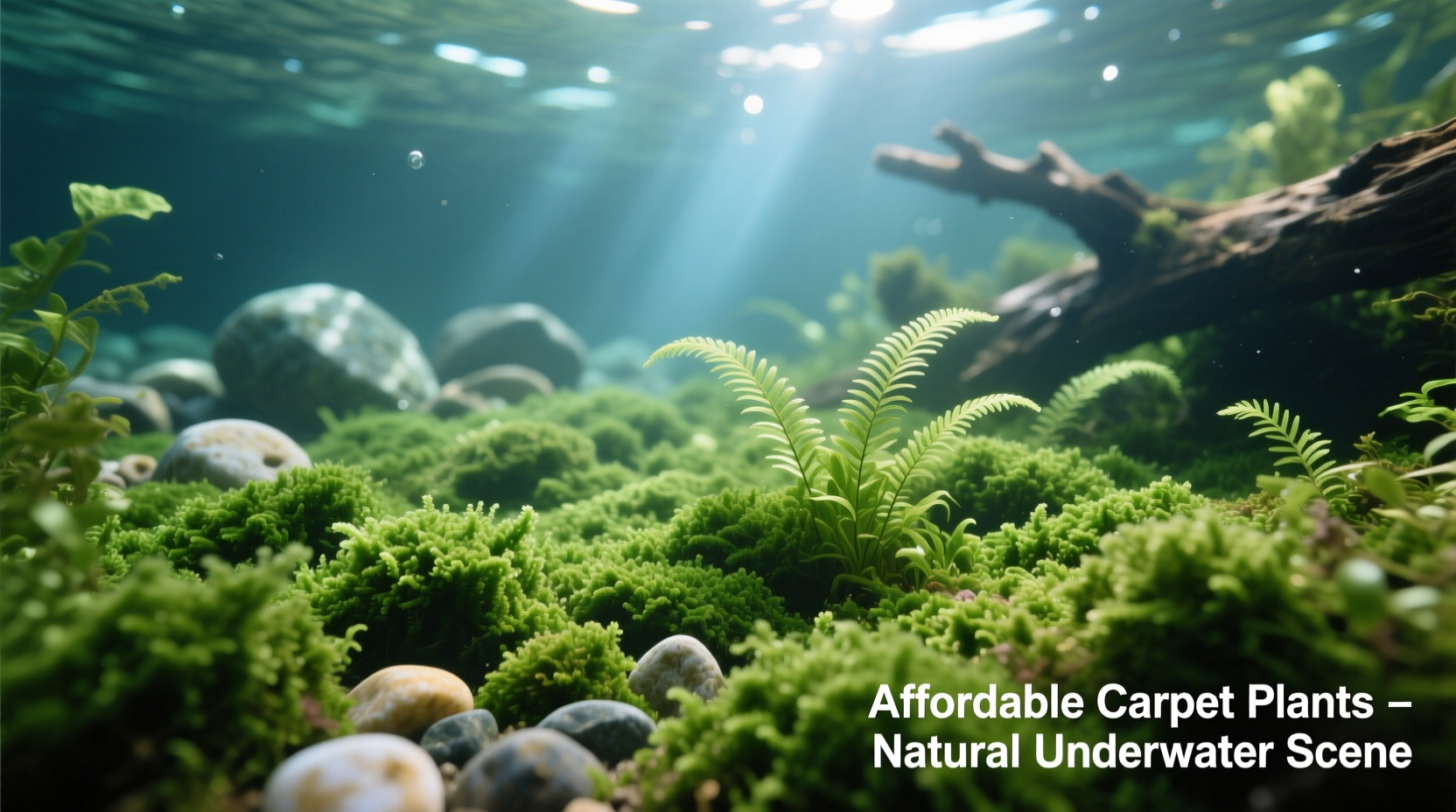
A well-designed planted tank can rival any terrestrial garden in beauty, yet many hobbyists hesitate due to perceived costs. The truth is, some of the most effective carpeting plants are widely available, propagate easily, and thrive under basic lighting and nutrient conditions. By choosing hardy, low-tech species, you can establish a lush underwater lawn without investing in CO₂ injection systems or premium substrates.
The key lies in selecting plants that grow densely, resist algae competition, and adapt to a range of water parameters. These characteristics ensure long-term success even for beginners. Additionally, most affordable carpet plants can be trimmed and replanted, allowing you to expand coverage over time at no extra cost.
Tip: When purchasing carpet plants, buy one healthy clump and propagate it yourself—this saves money and ensures genetic consistency across your tank.Top 5 Affordable Aquarium Carpet Plants
The following plants combine accessibility, resilience, and aesthetic appeal. All are commonly stocked at local fish stores and online retailers, often priced between $3–$8 per bunch or pot.
- Dwarf Hairgrass (Eleocharis parvula) – Forms a dense, grass-like carpet with fine green blades. Spreads via runners and thrives in moderate light. Ideal for creating a “lawn” effect.
- Cuba Pros (Hemianthus callitrichoides ‘Cuba’) – Known for its tiny round leaves and rapid growth, this plant creates a bright green moss-like carpet. Requires slightly more light than others but remains budget-friendly.
- Dwarf Baby Tears (Hemianthus micranthemoides) – Features small, bright green leaves on delicate stems. Grows quickly and adapts well to various conditions, though it benefits from regular trimming.
- Marsilea hirsuta (Dwarf Water Clover) – Produces four-leaf clover-shaped foliage that spreads into a soft carpet. Tolerant of low light and does not require CO₂.
- Pogostemon helferi (Dragon’s Tongue) – Unique wavy leaves give texture and dimension. Grows horizontally and fills gaps beautifully. Very undemanding once established.
Comparison Table: Growth & Care Requirements
| Plant Name | Light Needs | CO₂ Required? | Growth Speed | Difficulty Level |
|---|---|---|---|---|
| Dwarf Hairgrass | Moderate | No | Medium | Easy |
| Cuba Pros | Moderate-High | Recommended | Fast | Medium |
| Dwarf Baby Tears | Moderate | Helpful | Fast | Medium |
| Marsilea hirsuta | Low-Moderate | No | Slow-Medium | Easy |
| Pogostemon helferi | Low-Moderate | No | Medium | Easy |
Step-by-Step Guide to Planting and Maintaining Carpet Plants
Establishing a successful carpet involves more than simply placing plants on the substrate. Follow this timeline to encourage healthy spreading and prevent die-off.
- Prepare the Substrate (Day 1): Use a fine-grained substrate like aquasoil or sand-based mix. Avoid coarse gravel, which hinders root development.
- Divide and Plant (Day 1): Separate the plant into small portions (6–8 stems each). Use tweezers to plant them 1–2 inches apart in staggered rows.
- Initial Lighting (Days 1–7): Start with 6–8 hours of light daily to prevent algae while roots establish. Gradually increase to 9–10 hours after two weeks.
- Encourage Runner Growth (Weeks 2–6): Once new shoots appear, maintain consistent nutrients. Liquid fertilizers with iron and potassium support color and density.
- Trimming and Spreading (Week 6+): Trim taller growth to promote lateral spread. Replant cuttings in sparse areas to accelerate full coverage.
Real Example: Building a Budget-Friendly 20-Gallon Planted Tank
Jamie, a beginner aquascaper from Portland, wanted to transform her used 20-gallon tank into a naturalistic habitat for her neon tetras and cherry shrimp. With a strict $100 budget, she prioritized affordability and ease of care. She purchased a single 2-inch pot of Dwarf Hairgrass and three small bunches of Marsilea hirsuta for under $20. Using leftover aquasoil from a previous project and a standard LED hood, she planted the tank over a weekend.
Within six weeks, both species began spreading steadily. She trimmed the hairgrass at eight weeks, replanting clippings along the front plane. By week 12, the entire foreground was covered in a lush green carpet. Algae remained minimal thanks to a crew of nerite snails and weekly 25% water changes. Jamie’s total spending stayed under $90, proving that stunning results don’t require premium inputs.
“Affordable carpet plants are the unsung heroes of aquascaping. They offer dramatic visual impact at a fraction of the cost—and they’re forgiving enough for newcomers.” — Dr. Lena Torres, Aquatic Botanist & Editor, *Journal of Practical Aquatics*
Essential Checklist for Success
- Choose at least one low-light tolerant species (e.g., Marsilea or Pogostemon)
- Use planting tweezers for precision placement
- Space initial clusters evenly to allow room for runner development
- Start with reduced photoperiod to avoid algae outbreaks
- Perform weekly water tests (especially nitrate and phosphate levels)
- Add algae eaters like otocinclus or Amano shrimp early
- Trim and replant every 4–6 weeks to encourage denser growth
Frequently Asked Questions
Can I grow carpet plants without CO₂ injection?
Yes, several affordable carpet plants—including Dwarf Hairgrass, Marsilea hirsuta, and Pogostemon helferi—thrive without pressurized CO₂. They grow more slowly but remain healthy with good lighting and nutrient supplementation through liquid fertilizers.
How long does it take for carpet plants to fully cover the substrate?
Timeline varies by species and conditions. Fast growers like Cuba Pros may fill a small tank in 8–10 weeks under optimal conditions. Slower species like Marsilea hirsuta can take 3–5 months. Patience and consistent maintenance are key.
Why is my carpet plant dying in the center?
This is often due to insufficient light penetration or poor circulation in dense patches. Regular trimming prevents overcrowding and allows inner stems to receive adequate light and nutrients.
Final Thoughts and Next Steps
Transforming your aquarium into a living underwater landscape is within reach, regardless of budget. Affordable carpet plants offer a practical, sustainable way to elevate your aquascape while supporting a healthier aquatic ecosystem. From oxygenation to providing refuge for fry and shrimp, their benefits extend far beyond aesthetics.
The real power of these plants lies in their ability to grow and regenerate. One small investment today can yield a fully carpeted tank tomorrow—with no additional purchases needed. Whether you're designing a serene nano tank or a sprawling centerpiece display, start simple, stay consistent, and let nature do the rest.
🚀 Ready to try your first carpet plant? Pick one from the list, plant it this weekend, and share your progress with fellow hobbyists—you might inspire someone else to begin their own green journey.








