
Cats are creatures of habit, and their bathroom routines are no exception. When a previously well-trained feline begins urinating or defecating outside the litter box, it's more than just a behavioral nuisance—it’s a signal. Whether it's a sudden change in location preference or complete avoidance of the box, this behavior demands attention. While frustration is natural, punishment only worsens the issue. Instead, understanding the root cause—be it medical, environmental, or psychological—is essential for restoring harmony in your home and ensuring your cat’s well-being.
Understanding Litter Box Avoidance: Common Causes
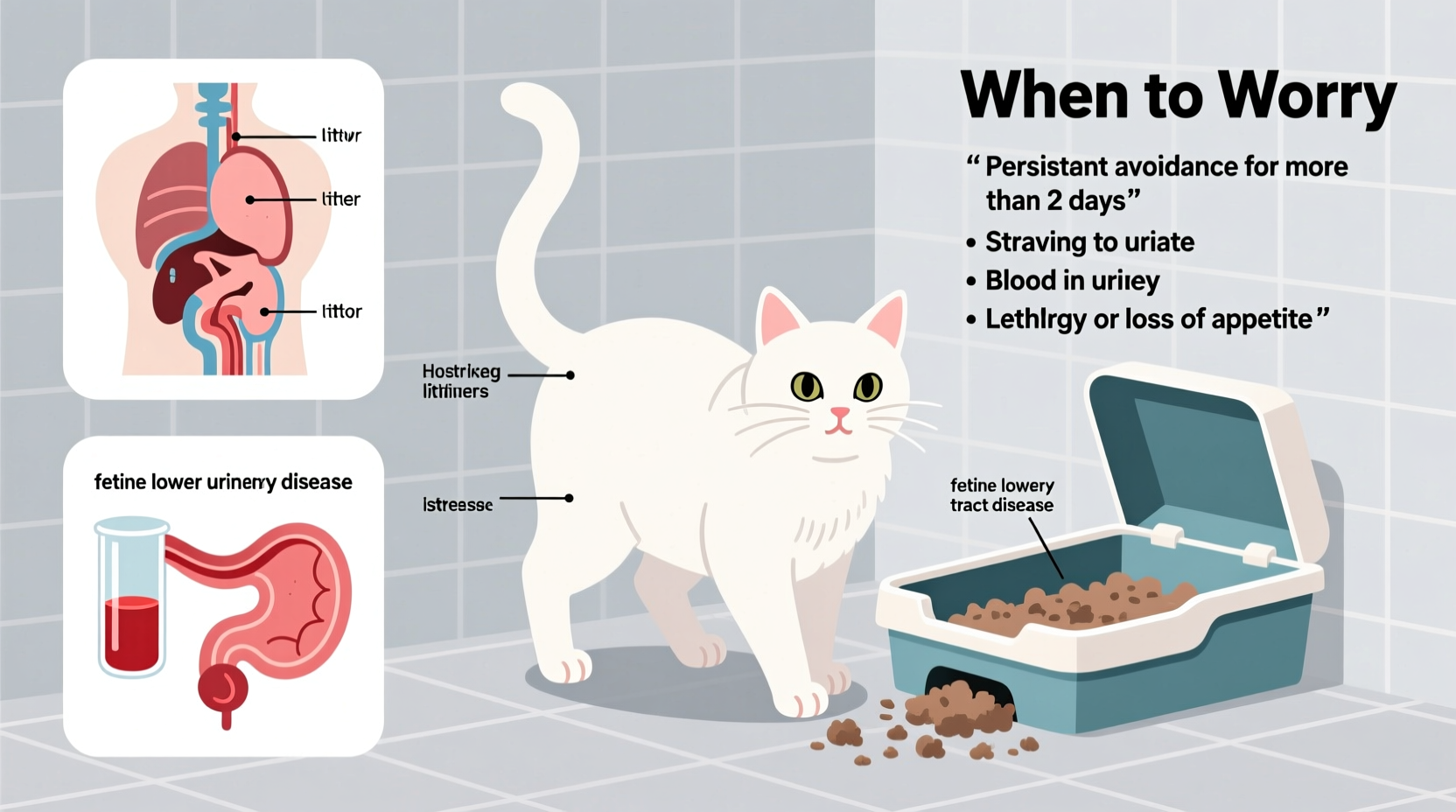
Litter box avoidance rarely stems from spite or laziness. Cats are fastidious animals by nature, and when they abandon their usual routine, something has disrupted their sense of safety, comfort, or physical ability. The causes generally fall into three categories: medical issues, litter or box-related problems, and stress or environmental changes.
Medical Conditions are among the most urgent reasons for sudden litter box refusal. Conditions such as urinary tract infections (UTIs), bladder stones, kidney disease, arthritis, or gastrointestinal discomfort can make using the litter box painful or difficult. A cat may associate the box with pain and begin avoiding it altogether.
Litter and Box Factors play a surprisingly large role. Cats have strong preferences regarding texture, scent, and placement. A recent switch in litter brand, type, or fragrance can trigger rejection. Similarly, if the box is too small, poorly cleaned, or located in a high-traffic or noisy area, your cat may seek quieter alternatives.
Stress and Environmental Shifts also contribute significantly. Moving homes, introducing new pets, loud appliances, or even rearranging furniture can unsettle a sensitive cat. In multi-cat households, competition for resources—including litter boxes—can lead to territorial marking or avoidance behaviors.
Tip: Always rule out medical issues first. Sudden litter box avoidance warrants a vet visit before assuming it’s behavioral.When to Be Concerned: Red Flags That Require Immediate Attention
Not all litter box incidents are equal in urgency. Some signs indicate a medical emergency that requires immediate veterinary intervention.
- Straining to urinate with little or no output – This could signal a life-threatening urinary blockage, especially in male cats.
- Blood in urine or stool – Indicates infection, inflammation, or injury.
- Frequent trips to the box with no results – Often a sign of cystitis or partial obstruction.
- Vocalizing during elimination – Suggests pain.
- Excessive licking of the genital area – May point to irritation or infection.
- Sudden lethargy or loss of appetite – Can accompany systemic illness.
“Any abrupt change in litter box habits should prompt a veterinary evaluation. What seems like a behavioral problem could be a cry for medical help.” — Dr. Lena Patel, DVM, Feline Health Specialist
Delaying care in cases of urinary blockage can be fatal within 48–72 hours. Even non-emergency conditions like chronic kidney disease or diabetes benefit greatly from early diagnosis.
Step-by-Step Guide to Resolving Litter Box Issues
Resolving litter box avoidance requires a methodical approach. Follow these steps to identify and address the underlying cause.
- Visit the Veterinarian: Schedule a full exam, including urinalysis and blood work, to rule out infections, diabetes, hyperthyroidism, or arthritis.
- Assess Litter Box Logistics: Evaluate the number, size, location, and cleanliness of boxes. The general rule is one box per cat, plus one extra.
- Experiment with Litter Type: Try unscented, clumping clay or paper-based litters. Avoid liners or hoods if your cat shows aversion.
- Deep-Clean Accident Sites: Use enzymatic cleaners to eliminate odors that attract repeat incidents.
- Reduce Stress Triggers: Identify environmental changes and reintroduce stability through consistent routines and safe spaces.
- Monitor Progress: Keep a log of accidents, behaviors, and responses to interventions over 2–3 weeks.
- Consult a Behaviorist if Needed: For persistent cases, a certified feline behavior consultant can offer tailored strategies.
Do’s and Don’ts: Litter Box Management Table
| Do’s | Don’ts |
|---|---|
| Provide one litter box per cat, plus one extra | Place all boxes in the same location |
| Scoop daily and fully change litter weekly | Use scented litter or deodorizers |
| Choose large, uncovered boxes for easy access | Force your cat into the box after accidents |
| Place boxes in quiet, low-traffic areas | Move the box frequently without transition |
| Use enzymatic cleaner on soiled areas | Yell at or punish your cat for accidents |
Real-Life Example: Bella’s Story
Bella, a 7-year-old domestic shorthair, had used her litter box faithfully for years. Then, her owner noticed urine spots near the bedroom door. Initially dismissed as aging or laziness, the behavior escalated over two weeks. Bella began crying in the bathroom and making frequent attempts to urinate.
Her owner took her to the vet immediately. Tests revealed a urinary tract infection and small crystals in her bladder. After a course of antibiotics and a switch to a prescription urinary diet, Bella’s symptoms resolved. Her owner also added a second litter box on the main floor (Bella was reluctant to climb stairs due to mild arthritis) and switched to a larger, lower-entry box.
Within ten days, Bella returned to normal litter use. This case highlights how multiple factors—medical, physical, and environmental—can converge and must be addressed together.
Checklist: Troubleshooting Your Cat’s Litter Box Avoidance
Use this checklist to systematically evaluate and correct the issue:
- ✅ Scheduled a vet appointment to rule out medical causes
- ✅ Verified litter box count (number of cats + 1)
- ✅ Checked box cleanliness (scooped daily?)
- ✅ Assessed litter type (unscented? preferred texture?)
- ✅ Evaluated box location (quiet, accessible, not near food?)
- ✅ Cleaned accident sites with enzymatic cleaner
- ✅ Observed interactions with other pets (any bullying?)
- ✅ Introduced calming aids (Feliway diffuser, quiet retreat space)
- ✅ Monitored for improvement over 14 days
- ✅ Consulted a behavior specialist if no progress
Frequently Asked Questions
Why is my cat peeing on the bed but still using the box for poop?
This selective avoidance often indicates a strong emotional association with the bed—either comfort or territorial marking. It may also reflect pain during urination, where the soft surface feels less jarring. Medical evaluation is crucial, as this pattern is common in cats with feline idiopathic cystitis.
Can anxiety really cause litter box issues?
Absolutely. Cats are highly sensitive to changes in routine, household dynamics, or environment. Anxiety can manifest as inappropriate elimination, even in previously well-adjusted cats. Signs include hiding, over-grooming, or aggression alongside litter box avoidance.
How long does it take to fix litter box problems?
Resolution time varies. If the cause is medical and treated promptly, improvement can occur within days. Behavioral issues may take 2–6 weeks of consistent management. Patience and persistence are key—relapses are common during stress periods.
Conclusion: Taking Action for Your Cat’s Health and Happiness
Your cat’s sudden avoidance of the litter box isn’t defiance—it’s communication. Whether signaling pain, discomfort, or distress, this behavior deserves compassionate investigation, not punishment. Start with a veterinary visit to eliminate medical concerns, then methodically assess litter box setup, hygiene, and environmental stressors. Small adjustments—like adding a box, switching litter, or cleaning with enzymatic solutions—can yield dramatic improvements.
Remember, every cat is an individual with unique preferences and sensitivities. What works for one may not suit another. By observing closely, acting swiftly, and responding with empathy, you can restore your cat’s confidence and reestablish a clean, stress-free home for both of you.
💬 Have you successfully resolved your cat’s litter box issues? Share your story in the comments—your experience could help another pet owner facing the same challenge.








