
Watching your gecko suddenly lose its tail can be alarming. One moment, it’s calmly perched on its hide; the next, a wriggling appendage lies on the substrate while your pet darts away, seemingly unharmed. This phenomenon, known as caudal autotomy, is both a marvel of evolution and a potential red flag in captive care. While tail loss is a natural defense mechanism, it can also signal underlying stress, mishandling, or environmental issues. Understanding the reasons behind this behavior is essential for responsible gecko ownership.
Tail dropping is not random—it serves a purpose rooted in survival. However, repeated or unnecessary autotomy can weaken your gecko over time. The key lies in distinguishing between instinctive self-defense and chronic stress responses. By examining the biological mechanisms, behavioral triggers, and post-loss care, you can ensure your gecko remains healthy, secure, and thriving in its enclosure.
The Science Behind Tail Autotomy: A Survival Mechanism
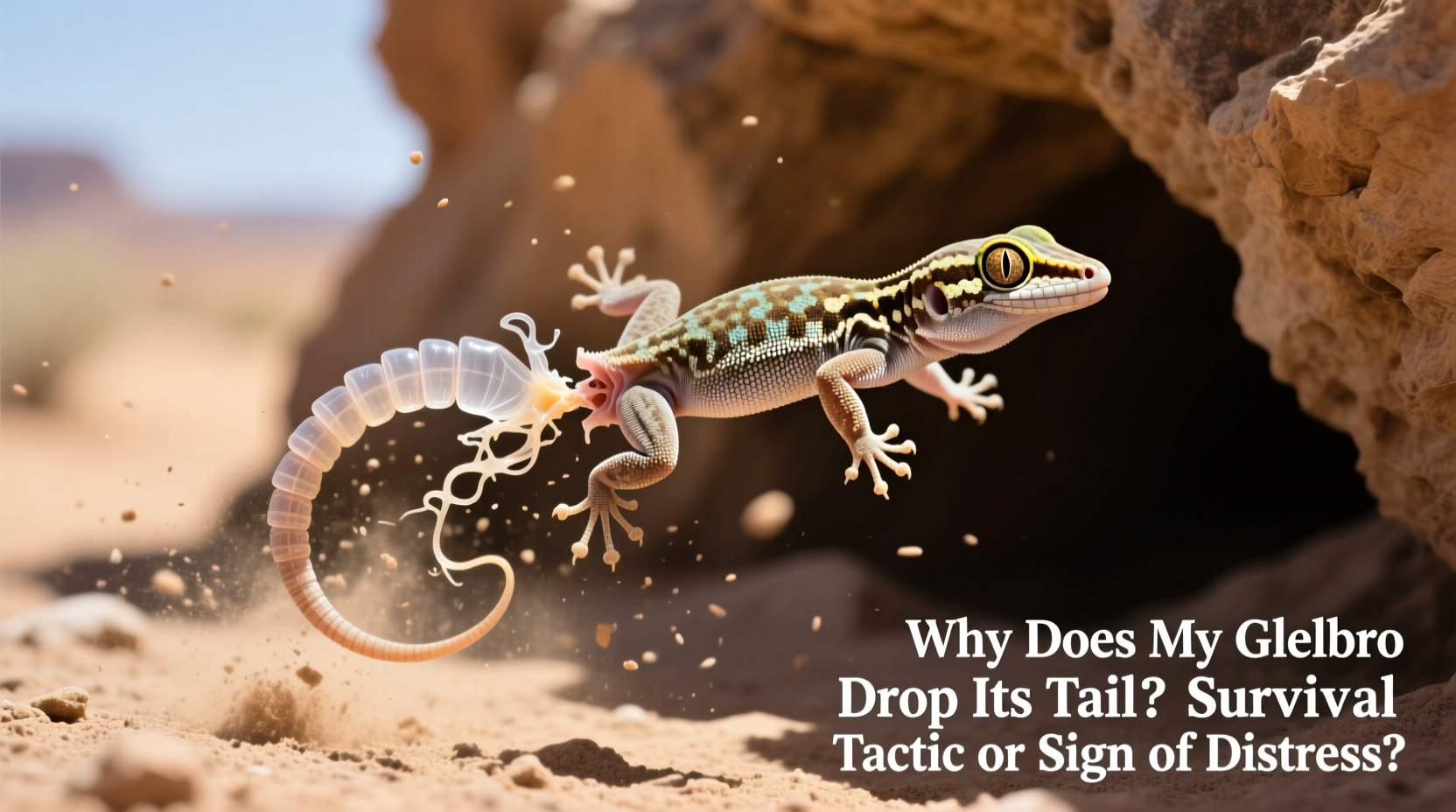
Caudal autotomy—the ability to shed the tail voluntarily—is an evolutionary adaptation found in many lizard species, including leopard geckos, crested geckos, and tokay geckos. When threatened by a predator, the gecko contracts specialized muscles near the base of the tail, causing it to fracture at predetermined break points. These fracture planes are zones of weakened tissue that allow clean separation with minimal blood loss.
Once detached, the tail continues to move erratically, distracting the predator while the gecko escapes. This involuntary muscle twitching, driven by residual nerve activity, can last several minutes—long enough to buy crucial seconds in the wild. In nature, this strategy significantly increases survival odds when confronted by snakes, birds, or mammals.
From a physiological standpoint, the tail is not just a decoy. It serves as a fat storage depot, especially in species like the leopard gecko. Losing it means losing vital energy reserves, which explains why autotomy is a last-resort response rather than a routine behavior.
“Tail autotomy is one of the most effective anti-predator strategies in lizards, but it comes at a metabolic cost. The trade-off between immediate survival and long-term fitness is finely balanced.” — Dr. Alan Highton, Herpetologist and Evolutionary Biologist
Common Triggers: When Is Tail Loss a Sign of Distress?
While autotomy evolved as a defense against predators, in captivity, the triggers are often related to husbandry or handling errors. Unlike in the wild, where threats are external and temporary, captive environments can create chronic stressors that increase the likelihood of tail loss.
Understanding what prompts this reaction helps prevent unnecessary trauma. Common causes include:
- Sudden grabs or improper handling: Attempting to pick up a gecko by the tail—even gently—can trigger autotomy. The animal interprets this as a predator attack.
- Poor enclosure conditions: Overcrowding, lack of hiding spots, or excessive noise can heighten anxiety, making geckos more prone to stress-induced tail loss.
- Aggression from cage mates: Housing multiple geckos together, especially males, often leads to territorial disputes. Biting during fights is a frequent cause of tail shedding.
- Improper substrate or décor: Sharp edges, tight spaces, or sticky surfaces (like certain tapes or residues) can trap a tail, prompting the gecko to detach it to escape.
- Frequent disturbances: Constant tapping on the glass, loud sounds, or sudden movements near the tank may keep a gecko in a heightened state of alertness.
Differences Between Species: Not All Geckos Are the Same
While many geckos can drop their tails, the frequency and regrowth capabilities vary significantly across species. Knowing your gecko’s biology helps set realistic expectations after autotomy.
| Gecko Species | Can Drop Tail? | Regrowth Quality | Notes |
|---|---|---|---|
| Leopard Gecko | Yes | Moderate – stubbier, different texture | Tail stores fat; regrowth takes 30–60 days |
| Crested Gecko | Yes | Poor – rarely regrows fully | Often loses tip only; no fat storage in tail |
| African Fat-Tailed Gecko | Yes | Moderate – similar to leopard gecko | Also uses tail for fat reserves |
| Gargoyle Gecko | Yes | Limited – partial regrowth | More likely to drop under stress |
| Day Gecko | Yes | Variable – depends on species | Highly sensitive to handling |
For example, leopard geckos regenerate their tails more effectively than crested geckos, though the new tail never matches the original in appearance. Crested geckos, once thought unable to regrow tails, can sometimes form a small nub, but full regeneration is rare. This difference underscores the importance of species-specific care practices.
What to Do Immediately After Your Gecko Drops Its Tail
If your gecko sheds its tail, remain calm. The animal will likely retreat to a hiding spot. Here’s a step-by-step guide to ensure proper recovery:
- Remove the detached tail: Pick it up and discard it. While some owners keep it as a curiosity, leaving it in the enclosure may confuse the gecko or attract pests.
- Inspect the wound: The tail stump should appear clean with minimal bleeding. Some pink tissue is normal. If there’s excessive blood, swelling, or discharge, consult a reptile veterinarian.
- Ensure hygiene: Clean the enclosure if soiled. Use a mild disinfectant (like diluted chlorhexidine) around the area, avoiding direct contact with the gecko.
- Reduce stress: Minimize handling and disturbances for at least 7–10 days. Keep the environment quiet and consistent.
- Monitor appetite: It’s common for geckos to eat less temporarily. Offer food daily, but don’t force feed.
- Check temperature and humidity: Maintain optimal conditions—especially for species requiring specific gradients—to support healing.
During this period, avoid using sand or loose substrates that could contaminate the wound. Paper towels or reptile carpet are safer temporary bedding options.
“It’s not uncommon for a gecko to fast for a few days after tail loss. Focus on hydration and stress reduction—most recover well with proper care.” — Dr. Lina Patel, Exotic Animal Veterinarian
Prevention Checklist: How to Minimize Tail Dropping
Preventing unnecessary autotomy starts with creating a secure, low-stress habitat. Follow this checklist to reduce the risk:
- ✅ House geckos individually unless breeding (especially males)
- ✅ Provide at least two hides—one on the warm side, one on the cool
- ✅ Avoid handling for the first 1–2 weeks after bringing a gecko home
- ✅ Wash hands before handling to remove strong scents (like lotions or food)
- ✅ Approach slowly and let the gecko come to you when possible
- ✅ Use smooth, rounded décor without sharp edges
- ✅ Keep the enclosure in a quiet area away from foot traffic and loud noises
- ✅ Never grab or restrain by the tail
- ✅ Monitor for signs of illness or aggression early
- ✅ Maintain consistent lighting and temperature cycles
Real Example: A Case of Misunderstood Behavior
Mark adopted a young leopard gecko named Dune from a local pet store. Excited to bond, he handled Dune daily, often picking him up quickly from behind. Within two weeks, Dune dropped his tail during a routine feeding session.
Confused and concerned, Mark consulted a reptile-savvy vet. The diagnosis? Chronic stress from improper handling. Though Dune wasn’t aggressive or ill, the sudden movements and lack of acclimation made him feel vulnerable. After adjusting his approach—slower interactions, more hiding spots, and reduced handling—Dune regained confidence. Over the next two months, his tail began to regrow, and he started accepting food from Mark’s fingers.
This case highlights how well-intentioned actions can backfire without proper knowledge. With minor adjustments, Dune transitioned from a stressed pet to a calm, thriving companion.
Frequently Asked Questions
Will my gecko’s tail grow back?
It depends on the species. Leopard geckos typically regrow a shorter, smoother version of their tail within 30–60 days. Crested geckos rarely regenerate fully and may only form a small bump. The new tail won’t look identical but poses no health issue.
Is tail dropping painful for my gecko?
Not in the way we think of pain. The process is reflexive and designed to minimize discomfort. However, the aftermath involves healing and energy expenditure, which can stress the animal. Proper care reduces secondary strain.
Can I prevent tail loss completely?
You can’t eliminate the possibility—autotomy is a built-in survival tool—but you can drastically reduce the risk through proper housing, gentle handling, and minimizing stressors. A well-set-up, peaceful environment is the best prevention.
Conclusion: Balancing Nature and Care
Tail dropping in geckos is neither purely a survival triumph nor a definitive sign of neglect—it exists at the intersection of instinct and environment. Recognizing it as a complex response allows owners to respond with empathy and knowledge. While the act itself is natural, frequent occurrences in captivity point to gaps in care that deserve attention.
By refining your handling techniques, optimizing enclosure design, and observing your gecko’s behavior closely, you create a space where autotomy becomes a relic of emergency—not a recurring event. Remember, a gecko’s well-being isn’t measured by whether it has a tail, but by its overall vitality, appetite, and comfort in its surroundings.
💬 Have a gecko that dropped its tail? Share your experience or questions in the comments below—your story could help another owner avoid the same mistake.








