
Walking a dog that pulls can turn a relaxing stroll into a frustrating tug-of-war. For pet owners dealing with strong or excitable dogs, choosing between a harness and a collar isn’t just about comfort—it’s about safety, control, and long-term training success. While collars have been the traditional choice for decades, modern harnesses are increasingly recommended by trainers and veterinarians, especially for dogs that pull. But which option actually gives you more control during walks? The answer depends on your dog’s breed, behavior, physical structure, and training goals.
This article breaks down the science, mechanics, and real-world performance of harnesses versus collars when it comes to managing pulling behavior. You’ll learn how each tool works, their impact on your dog’s body, and which situations favor one over the other—all backed by expert insights and practical examples.
How Pulling Affects Dogs and Handlers
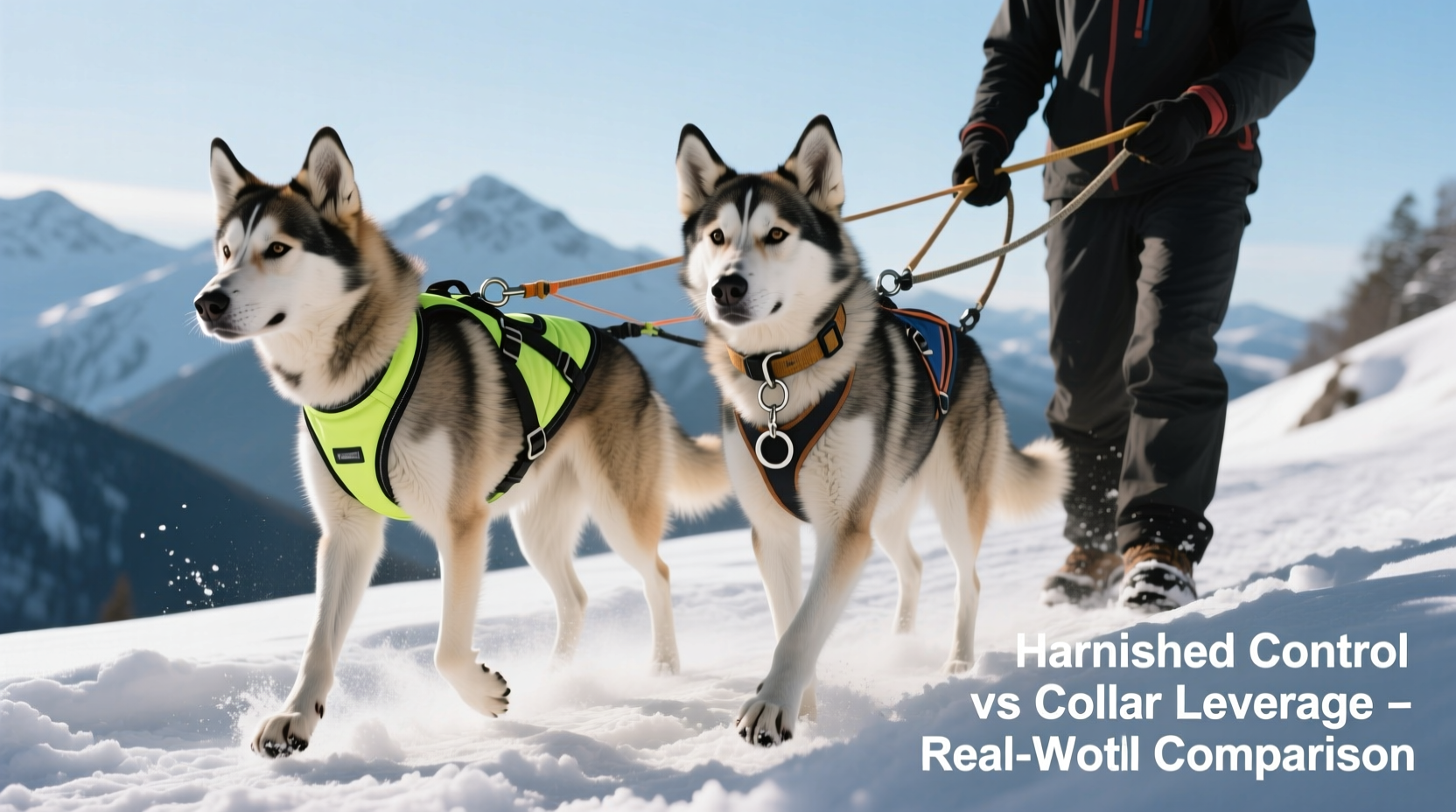
Pulling isn’t just inconvenient—it can be harmful. When a dog lunges forward while wearing a collar, pressure concentrates around the neck, potentially damaging the trachea, spine, and thyroid gland. Small breeds like Pomeranians and Chihuahuas are especially vulnerable, but even large breeds like Huskies and Boxers can suffer chronic strain from repeated yanking.
For handlers, constant pulling leads to shoulder pain, wrist strain, and reduced enjoyment of walks. In extreme cases, an uncontrolled dog can cause falls, particularly in older adults or children walking larger breeds. Control isn’t just about dominance; it’s about mutual safety and communication.
“Dogs aren’t born knowing how to walk politely on a leash. Our job is to guide them using tools that support learning, not cause harm.” — Dr. Karen Overall, Veterinary Behaviorist
Collars: Simplicity with Limitations
Traditional flat collars are simple, lightweight, and ideal for holding ID tags and attaching leashes. They work well for well-trained dogs that don’t pull. However, when a dog pulls against a collar, the force is transmitted directly to the neck. This creates several issues:
- Tracheal compression: Repeated pressure can lead to coughing, breathing difficulties, or even tracheal collapse in predisposed breeds.
- Neck and spinal stress: Sudden jerks can injure cervical vertebrae, especially in puppies or senior dogs.
- Reinforcement of pulling: Many dogs learn that pulling gets them where they want to go faster, making the behavior self-rewarding.
Some owners use choke chains or prong collars to discourage pulling, but these rely on discomfort or pain to modify behavior. While they may suppress pulling temporarily, they carry risks of injury and can damage the human-dog bond. Positive reinforcement trainers generally advise against aversive tools unless under professional supervision.
Tip: If your dog pulls consistently, avoid standard collars as your primary walking tool—opt for a no-pull harness instead.Harnesses: Enhanced Control and Safety
Modern harnesses distribute pressure across the dog’s chest, shoulders, and back, reducing strain on the neck. There are several types, but two stand out for controlling pullers:
Front-Clip Harnesses
These feature a leash attachment point on the dog’s chest, between the front legs. When the dog pulls, the harness gently turns them sideways, redirecting their momentum toward you. This design discourages pulling through redirection rather than punishment.
Front-clip harnesses are highly effective for training because they make pulling less efficient. Dogs quickly learn that moving forward results in a pivot, while walking calmly beside you allows smooth progress.
Back-Clip Harnesses
With the leash attached between the shoulder blades, back-clip harnesses resemble a collar in function but spread force more evenly. While more comfortable than collars, they don’t inherently discourage pulling—some dogs even power-walk more efficiently in them.
Back-clip harnesses are better suited for dogs already trained not to pull or those needing support due to mobility issues.
“The front-clip harness is one of the most humane and effective tools for teaching loose-leash walking. It changes the consequence of pulling without causing pain.” — Victoria Stilwell, Dog Trainer and TV Host
Comparative Analysis: Harness vs Collar for Pulling
| Feature | Collar (Flat or Choke) | Front-Clip Harness | Back-Clip Harness |
|---|---|---|---|
| Control During Pulling | Poor to moderate; relies on neck pressure | High; redirects dog’s movement | Moderate; may encourage pulling |
| Safety for Dog’s Neck | Low; risk of tracheal injury | High; pressure distributed | Medium; minimal neck strain |
| Training Effectiveness | Low; may reinforce pulling or cause fear | High; teaches natural consequences | Low; neutral effect on behavior |
| Comfort for Long Walks | Medium; can chafe or dig in | High; padded, ergonomic fit | High; wide weight distribution |
| Breed Suitability | Best for non-pullers or small dogs with light tension | Ideal for strong pullers, brachycephalic breeds, seniors | Good for trained dogs or those with back issues |
Real-World Example: Transforming a Puller with a Harness
Consider Max, a two-year-old Australian Shepherd adopted from a shelter. Excitable and untrained, Max would lunge at squirrels, bark at bikes, and drag his owner halfway down the block before settling. Using a standard collar only made things worse—Max developed a persistent cough, and his owner suffered from recurring shoulder pain.
After consulting a certified trainer, they switched to a front-clip harness (specifically the Freedom No-Pull Harness). Within two weeks of consistent walks using positive reinforcement, Max began walking more attentively. The harness didn’t stop him instantly, but it created opportunities for redirection. Every time he pulled, he turned slightly toward his owner, who used treats and praise to reward calm behavior.
By week six, Max was walking within a foot of his owner 80% of the time. The harness didn’t “fix” him—it gave the handler the control needed to teach him new habits safely.
Tip: Pair a front-clip harness with high-value treats during training walks. Reward attention every few steps to build focus.Step-by-Step Guide to Transitioning from Collar to Harness
If you’re switching from a collar to a harness for better control, follow this timeline to ensure a smooth transition:
- Week 1: Introduce the harness at home. Let your dog sniff it, touch it, and receive treats when near it. Put it on briefly without clipping the leash.
- Week 2: Practice indoors. Attach the leash and walk around the house. Use treats to reward calm walking. Remove the harness after short sessions to create positive associations.
- Week 3: Begin outdoor practice in low-distraction areas. Choose a quiet yard or driveway. Walk for 5–10 minutes, rewarding your dog for staying close. Use the redirection effect of the front clip to guide them back.
- Week 4: Gradually increase distractions. Move to sidewalks or parks with minimal traffic. Carry high-value treats (like chicken or cheese) to maintain focus.
- Week 5+: Refine technique and reduce treats. As your dog improves, phase out constant rewards and switch to intermittent reinforcement. Continue using the harness for control, even as behavior improves.
Patience is key. Some dogs adapt in days; others take weeks. Never punish pulling—instead, use the harness to create teachable moments.
Common Mistakes to Avoid
- Using a poorly fitted harness: A loose harness can slip or rub; a tight one restricts movement. Ensure you can fit two fingers between the straps and your dog’s body.
- Expecting instant results: Harnesses aid control but aren’t magic. Training takes consistency.
- Using a back-clip harness for a strong puller: These can actually enhance leverage, turning your dog into a sled dog.
- Skipping collar use entirely: Keep a collar on for ID tags even when using a harness. Never attach the leash to both at once.
FAQ: Harness vs Collar for Pulling Dogs
Can a harness completely stop my dog from pulling?
No single tool eliminates pulling on its own. A front-clip harness makes pulling less effective and provides better control, but consistent training is essential for lasting change.
Is it safe to use a harness on a puppy?
Yes—especially a properly fitted front-clip harness. Puppies are still developing physically, and avoiding neck pressure supports healthy growth. Start early to build good walking habits.
What if my dog slips out of the harness?
This usually means the harness is too big or improperly adjusted. Measure your dog carefully and choose models with adjustable straps and secure buckles. Some brands (like Ruffwear or Kurgo) offer escape-proof designs for slinky breeds like Greyhounds.
Checklist: Choosing the Right Tool for Your Pulling Dog
- ✅ Assess your dog’s pulling strength and frequency
- ✅ Rule out medical issues (e.g., hip dysplasia, respiratory problems)
- ✅ Measure your dog’s girth, neck, and length for proper fit
- ✅ Choose a front-clip harness if pulling is frequent or forceful
- ✅ Try a sample walk or return-friendly brand if possible
- ✅ Combine the harness with positive reinforcement training
- ✅ Keep ID tags on a separate collar
- ✅ Monitor for chafing or discomfort during initial use
Conclusion: Prioritize Control, Comfort, and Communication
When it comes to controlling a pulling dog, the evidence is clear: a well-fitted front-clip harness offers superior control, safety, and training potential compared to traditional collars. While collars have their place—for identification and for dogs with excellent leash manners—they fall short when dealing with strong or untrained pullers.
The goal isn’t just to manage a walk but to build a relationship based on trust and cooperation. Modern harnesses support that goal by aligning with canine biomechanics and behavioral science. They don’t dominate the dog—they empower the handler to guide effectively and humanely.
🚀 Ready to transform your walks? Try a front-clip harness this week and pair it with five minutes of daily leash training. Share your progress in the comments—your journey could inspire another dog owner to make the switch!








