Every dog owner has seen it: the familiar pre-bedtime ritual. Your dog circles once, twice, sometimes three times—sniffing, pawing, adjusting—before finally settling into a cozy nap. While it may seem quirky or even comically obsessive, this behavior is deeply rooted in biology, survival, and evolution. Far from being random, spinning before lying down is an inherited trait passed down from wild ancestors, serving practical purposes that still echo in domesticated dogs today.
This seemingly simple act reveals much about canine instincts, environmental awareness, and the subtle ways evolution shapes behavior. Understanding why dogs spin not only deepens our appreciation for their nature but also helps us support their well-being by recognizing when such behaviors are normal—or when they might signal something else.
The Evolutionary Origins of Circling Behavior
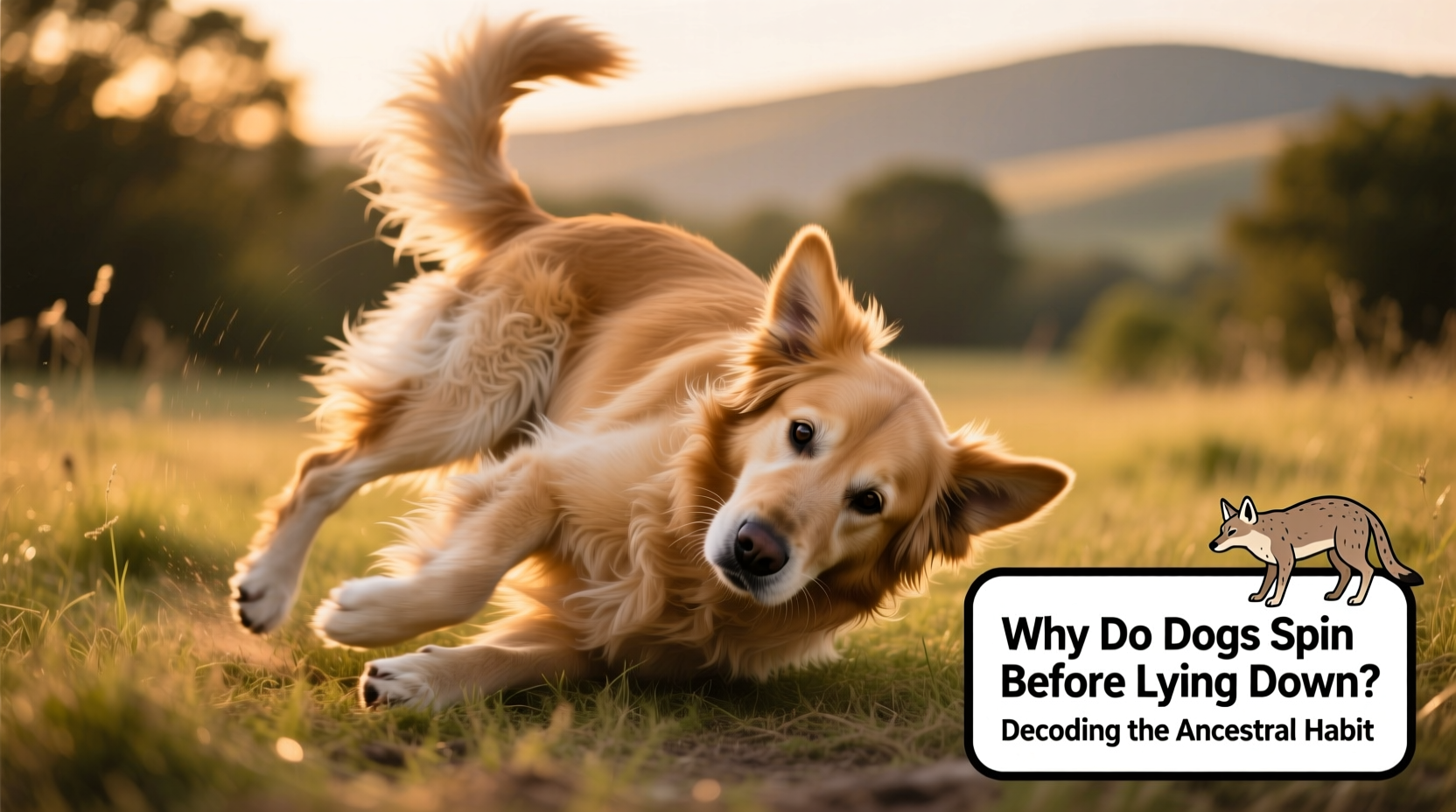
To understand why dogs spin before lying down, we must look beyond modern living rooms and consider the environments where their ancestors lived. The domestic dog (*Canis lupus familiaris*) shares a common lineage with wolves and other wild canids, whose survival depended on vigilance, adaptability, and efficient use of natural resources.
In the wild, open spaces like grasslands, forests, and tundras presented numerous challenges for resting animals. Tall grass could conceal snakes, insects, or sharp objects. Uneven ground could cause discomfort or strain during sleep. Predators might approach silently under cover of brush. To mitigate these risks, early canids developed a routine: inspect the area before lying down.
Circling served multiple functions:
- Flattening vegetation: By trampling down tall grass or leaves, dogs created a safer, more level sleeping surface.
- Detecting threats: Movement disturbed hidden pests like ticks, fleas, or rodents.
- Checking orientation: Spinning allowed them to sense wind direction, temperature shifts, and nearby scents.
- Marking territory: Paw glands release pheromones, subtly signaling ownership of the chosen spot.
Over thousands of years, this behavior became hardwired into canine DNA. Even though most pet dogs now sleep on plush beds indoors, the instinct remains active—a ghost of survival strategies long embedded in their genetic code.
“Circling is not just habit; it’s a survival mechanism refined over millennia. It reflects a dog’s innate need to control its immediate environment before vulnerability sets in.” — Dr. Lena Torres, Ethologist & Canine Behavior Researcher, University of Edinburgh
Modern Manifestations: Why Domestic Dogs Still Spin
If circling was essential for wild survival, why do house pets continue the practice? The answer lies in the persistence of instinct—even in absence of necessity.
Domestication has changed many aspects of dog behavior, but core instincts related to safety, comfort, and scent communication remain intact. Today’s dogs may not face venomous snakes or biting insects in their living rooms, but their brains still follow ancient protocols designed to ensure security before rest.
Consider what happens during the spin:
- Scent scanning: As the dog turns, it uses its nose to assess the area for unfamiliar odors—another animal’s mark, cleaning products, or changes in humidity.
- Tactile feedback: Paws test surface firmness, detecting lumps, drafts, or cold tiles.
- Position optimization: Some dogs align themselves according to airflow or light, often facing the room’s entrance—a remnant of den-guarding behavior.
- Routine reinforcement: Repetition creates predictability, reducing anxiety and promoting relaxation.
Interestingly, studies show that dogs raised in highly structured environments (e.g., crates or designated beds) often exhibit fewer spins than those allowed to choose their own spots. This suggests that while the impulse is universal, frequency and intensity vary based on individual experience and perceived safety.
Tip: If your dog seems anxious while circling—repeating excessively or unable to settle—evaluate their sleeping environment for noise, drafts, or unfamiliar smells.When Spinning Becomes a Concern: Recognizing Abnormal Patterns
While occasional spinning is normal, certain patterns warrant attention. Excessive circling, difficulty lying down, or signs of distress may indicate medical or psychological issues.
Common red flags include:
- Circling more than five times without settling
- Vocalizing (whining, growling) during the process
- Limping or favoring one side while turning
- Sudden onset in older dogs
- Spinning without lying down afterward
These behaviors could point to underlying conditions such as arthritis, vestibular disease, cognitive dysfunction syndrome (similar to dementia in humans), or anxiety disorders.
A 2021 study published in the *Journal of Veterinary Behavior* found that senior dogs exhibiting compulsive circling were significantly more likely to have degenerative joint disease or neurological decline. Early intervention through veterinary evaluation can improve quality of life and prevent worsening symptoms.
| Behavior | Normal? | Potential Cause if Abnormal |
|---|---|---|
| 1–3 circles before lying down | Yes | None – instinctual |
| Repeated spinning (>5x), inability to lie down | No | Anxiety, pain, cognitive decline |
| Spinning in tight circles without stopping | No | Vestibular disorder, brain tumor |
| Obsessive pacing after lying down | No | Discomfort, gastrointestinal issues |
Mini Case Study: Max, the Senior Labrador
Max, a 10-year-old yellow Labrador, began spinning incessantly before bed—sometimes up to ten times—and would often get stuck mid-turn, appearing confused. His owner initially dismissed it as “just getting old,” but when Max started avoiding his favorite rug altogether, she consulted a veterinarian.
Examination revealed moderate hip dysplasia and early-stage cognitive dysfunction. With anti-inflammatory medication, joint supplements, and a memory foam orthopedic bed, Max’s circling reduced to two gentle turns. His owner also added nightlights and maintained a consistent bedtime routine, which further eased his anxiety.
Max’s case illustrates how instinctual behavior can mask physical discomfort. What looked like a quirk was actually a cry for help—one decoded through careful observation and professional insight.
Environmental Influences on Pre-Sleep Rituals
A dog’s surroundings play a significant role in shaping how—and how much—they circle before lying down. Just as humans prefer different pillow heights or mattress firmness, dogs respond to sensory cues in their environment.
Key factors include:
- Flooring type: Hard surfaces like tile or wood may prompt more adjustment due to lack of cushioning or warmth.
- Brightness and noise: Sudden lights or sounds can interrupt the ritual, causing restarts.
- Buried scents: Residual odors from previous pets, food spills, or cleaning agents may trigger investigative circling.
- Bed design: Raised edges or deep cushions can reduce the need to flatten the area, leading to fewer spins.
Dogs in multi-pet households may also adjust their behavior based on social hierarchy. A dominant dog might claim a spot without circling, asserting ownership, while a submissive one performs a full ritual each time—even on the same bed.
Owners can support healthy habits by providing consistent, comfortable resting zones. Placing beds away from high-traffic areas, using non-slip mats, and washing bedding regularly minimizes environmental stressors that amplify circling.
Checklist: Optimizing Your Dog’s Rest Environment
- Choose a quiet corner free from foot traffic and loud appliances.
- Select a supportive bed suited to your dog’s size and age (orthopedic for seniors).
- Wash bedding weekly to remove allergens and accumulated scents.
- Avoid strong-smelling cleaners near sleeping areas.
- Maintain consistent placement—frequent moves disrupt routine.
- Add warmth in winter (blankets, heated pads on low setting).
- Observe your dog’s preferred sleeping position and orientation.
FAQ: Common Questions About Dog Spinning Behavior
Is it bad if my dog doesn’t spin before lying down?
Not at all. While circling is common, some dogs skip it entirely. This doesn’t indicate a problem—it simply means the dog feels secure enough to lie down immediately. Breeds with shorter legs or limited mobility may naturally minimize movement.
Do puppies spin more than adult dogs?
Often, yes. Puppies are still refining motor skills and learning environmental cues. Their spins may be less precise or more frequent as they explore cause and effect. As they mature, the behavior typically becomes more efficient.
Could spinning be a sign of OCD in dogs?
Potentially. While occasional circling is normal, repetitive, trance-like spinning unrelated to resting may indicate compulsive disorder. Other signs include tail-chasing, shadow-staring, or air-licking. Consult a vet or animal behaviorist if you suspect OCD.
Conclusion: Honoring the Instinct, Enhancing the Experience
The simple act of spinning before lying down is a window into the rich tapestry of canine evolution. It connects today’s beloved companions to a lineage shaped by survival, adaptation, and acute environmental awareness. What appears whimsical is, in fact, a finely tuned instinct—preserved across generations despite dramatic changes in lifestyle.
As pet owners, we don’t need to stop the spin. Instead, we can honor it by creating spaces where this ritual feels safe, effective, and satisfying. Whether your dog makes one smooth turn or three meticulous rotations, each movement is a testament to nature’s enduring influence.
By observing these small behaviors with curiosity rather than confusion, we deepen our bond with our dogs and become better advocates for their physical and emotional needs.
💬 Have you noticed unique quirks in your dog’s bedtime routine? Share your observations in the comments—your insights could help fellow dog lovers understand their pets more deeply.








