
An enlarged uterus is a condition in which the size of the uterus exceeds its normal dimensions. While it can occur during pregnancy—a natural and expected change—many women experience uterine enlargement outside of gestation due to various medical conditions. Recognizing the signs early and understanding the underlying causes are essential steps toward timely diagnosis and appropriate management. This article provides a comprehensive overview of what leads to an enlarged uterus, how it manifests, and the available treatment paths supported by medical expertise.
What Is an Enlarged Uterus?
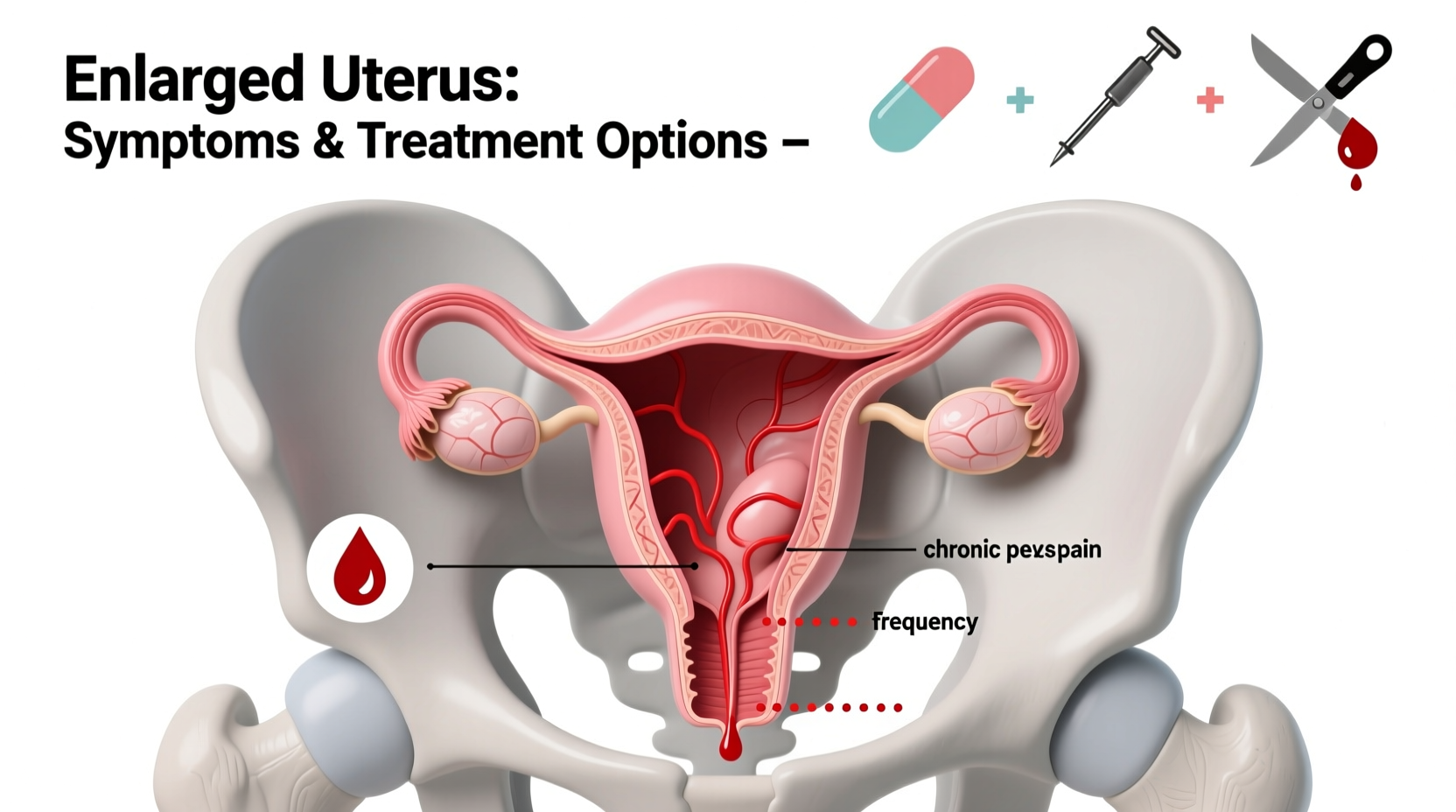
The average adult uterus measures about 7.5 cm long, 5 cm wide, and 2.5 cm thick—roughly the size of a small pear. An enlarged uterus deviates significantly from these measurements. It may be detected during a routine pelvic exam or through imaging such as ultrasound or MRI. The expansion can affect the shape, position, and function of nearby organs, leading to noticeable physical and systemic symptoms.
It’s important to note that not all cases of uterine enlargement are pathological. For example, postpartum changes or hormonal fluctuations during perimenopause can temporarily alter uterine size. However, persistent or progressive enlargement often signals an underlying issue requiring clinical evaluation.
Common Causes of Uterine Enlargement
Several medical conditions can lead to an enlarged uterus. Identifying the root cause is crucial because each requires a different approach to treatment.
- Fibroids (Leiomyomas): These noncancerous growths in the uterine muscle wall are the most frequent cause. They vary in size and number and can distort the uterus dramatically.
- Adenomyosis: A condition where endometrial tissue grows into the muscular wall of the uterus, causing thickening and swelling. Often associated with heavy menstrual bleeding and severe cramping.
- Pregnancy and Postpartum Changes: Naturally enlarges the uterus; after delivery, it typically returns to normal size within six weeks unless complications arise.
- Uterine Cancer: Endometrial or leiomyosarcoma may present as unexplained uterine growth, particularly in postmenopausal women.
- Polycystic Ovary Syndrome (PCOS): Chronic anovulation in PCOS can lead to endometrial hyperplasia and secondary uterine enlargement due to prolonged estrogen exposure.
- Pelvic Inflammatory Disease (PID): Severe infections can cause inflammation and fluid accumulation, mimicking or contributing to enlargement.
Symptoms Associated with an Enlarged Uterus
Symptoms depend on the severity and underlying cause but may include:
- Abdominal distension or visible lower belly swelling
- Heavy or prolonged menstrual bleeding (menorrhagia)
- Painful periods (dysmenorrhea)
- Increased urinary frequency or difficulty emptying the bladder
- Constipation due to rectal pressure
- Pelvic pressure or sensation of fullness
- Backache or leg pain in advanced cases
- Infertility or recurrent miscarriages, especially with fibroids or adenomyosis
In some instances, particularly with slow-growing fibroids, women remain asymptomatic for years. The condition may only come to light during a routine examination or imaging for unrelated concerns.
“Many patients don’t realize they have an enlarged uterus until we detect it on ultrasound. That’s why regular gynecological checkups are so important, especially after age 35.” — Dr. Lena Torres, Gynecologist and Reproductive Specialist
Diagnosis and Medical Evaluation
Accurate diagnosis begins with a thorough patient history and physical exam. Your doctor will assess pelvic anatomy, look for tenderness or masses, and inquire about menstrual patterns, fertility goals, and family history.
Imaging plays a central role:
- Transvaginal Ultrasound: First-line tool to visualize uterine structure and detect fibroids, cysts, or abnormal tissue.
- MRI: Offers detailed images for complex cases like differentiating adenomyosis from fibroids.
- Hysteroscopy: Allows direct visualization of the uterine cavity, useful when abnormal bleeding is present.
- Endometrial Biopsy: Recommended for postmenopausal women or those with irregular bleeding to rule out cancer.
| Diagnostic Method | Purpose | Best For |
|---|---|---|
| Ultrasound | Initial screening | Fibroids, ovarian cysts |
| MRI | Detailed soft-tissue imaging | Adenomyosis, tumor characterization |
| Hysteroscopy | Cavity inspection | Polyps, submucosal fibroids |
| Blood Tests | Check hormone levels, anemia | Heavy bleeding, PCOS |
Treatment Options Based on Cause and Severity
Treatment depends on the diagnosis, symptom burden, reproductive plans, and overall health. Options range from watchful waiting to surgical intervention.
Conservative Management
For mild or asymptomatic cases, monitoring may be sufficient. Lifestyle adjustments and medications can help manage symptoms:
- NSAIDs (e.g., ibuprofen) for pain and reduced menstrual flow
- Hormonal contraceptives (pills, IUDs) to regulate cycles and shrink fibroids slightly
- GnRH agonists (e.g., leuprolide) for short-term shrinkage before surgery
Minimally Invasive Procedures
These preserve the uterus and are ideal for women who wish to maintain fertility:
- Uterine Artery Embolization (UAE): Blocks blood supply to fibroids, causing them to shrink.
- Radiofrequency Ablation (RFA): Destroys fibroid tissue using heat energy delivered via a probe.
- Endometrial Ablation: Treats heavy bleeding but not effective for large structural abnormalities.
Surgical Interventions
Reserved for severe or refractory cases:
- Myomectomy: Surgical removal of fibroids while preserving the uterus. Can be performed laparoscopically, hysteroscopically, or via open incision.
- Hysterectomy: Complete removal of the uterus. Definitive treatment for debilitating symptoms when childbearing is complete.
Step-by-Step Guide to Managing an Enlarged Uterus
- Track Symptoms: Keep a journal of menstrual cycles, bleeding patterns, pain levels, and urinary/bowel changes.
- Schedule a Gynecological Exam: Report any persistent abdominal swelling or discomfort.
- Undergo Imaging: Get an ultrasound or MRI based on your doctor’s recommendation.
- Review Diagnosis: Understand whether fibroids, adenomyosis, or another condition is responsible.
- Explore Treatment Options: Weigh pros and cons of medication, minimally invasive procedures, or surgery with your care team.
- Follow Up Regularly: Monitor changes over time, especially if choosing non-surgical management.
Real-Life Example: Sarah’s Journey
Sarah, a 42-year-old teacher, began noticing her jeans felt tighter around the waist despite no weight gain. She also experienced increasingly heavy periods lasting up to 10 days, accompanied by fatigue. Her primary care provider referred her to a gynecologist, who performed a transvaginal ultrasound revealing multiple intramural fibroids causing significant uterine enlargement.
After discussing options, Sarah opted for a laparoscopic myomectomy. Within three months post-surgery, her periods normalized, energy improved, and abdominal bloating resolved. Her case underscores the importance of not dismissing persistent symptoms as “just part of aging.”
FAQ
Can an enlarged uterus go back to normal on its own?
Not typically. While hormonal shifts may cause temporary swelling, structural causes like fibroids or adenomyosis require medical or surgical intervention to reduce size.
Is an enlarged uterus dangerous?
While not always life-threatening, untreated enlargement can lead to anemia from chronic blood loss, infertility, or organ dysfunction due to compression. Rarely, it may indicate cancer, making evaluation essential.
Does weight gain cause an enlarged uterus?
No, excess body fat does not directly enlarge the uterus. However, obesity increases estrogen production, which can stimulate fibroid growth and contribute indirectly.
Conclusion: Take Charge of Your Uterine Health
An enlarged uterus is more than a gynecological curiosity—it can impact quality of life, reproductive health, and long-term well-being. Whether you're experiencing subtle symptoms or significant discomfort, early assessment offers the best chance for effective management. With advances in diagnostics and treatment, most women can find relief without resorting to major surgery. Don’t ignore persistent pelvic pressure, abnormal bleeding, or unexplained bloating. Speak with a healthcare provider, get the right tests, and make informed decisions tailored to your body and life goals.
💬 Your health matters. Have you discussed unusual menstrual or abdominal symptoms with your doctor? Share your story or questions below to connect with others and promote awareness.








