
For cat owners, one of the most tedious household chores is scooping the litter box. Daily maintenance takes time, exposes you to unpleasant odors, and can be messy. Enter the robotic litter box — a modern solution designed to automate waste removal, reduce manual labor, and maintain a cleaner living environment. With advancements in pet tech, today’s self-cleaning litter boxes offer reliability, hygiene, and peace of mind. This guide explores the top 10 robotic cat litter boxes on the market, highlighting key features, performance, and real-world usability to help you choose the best option for your feline and lifestyle.
Why Invest in a Robotic Litter Box?
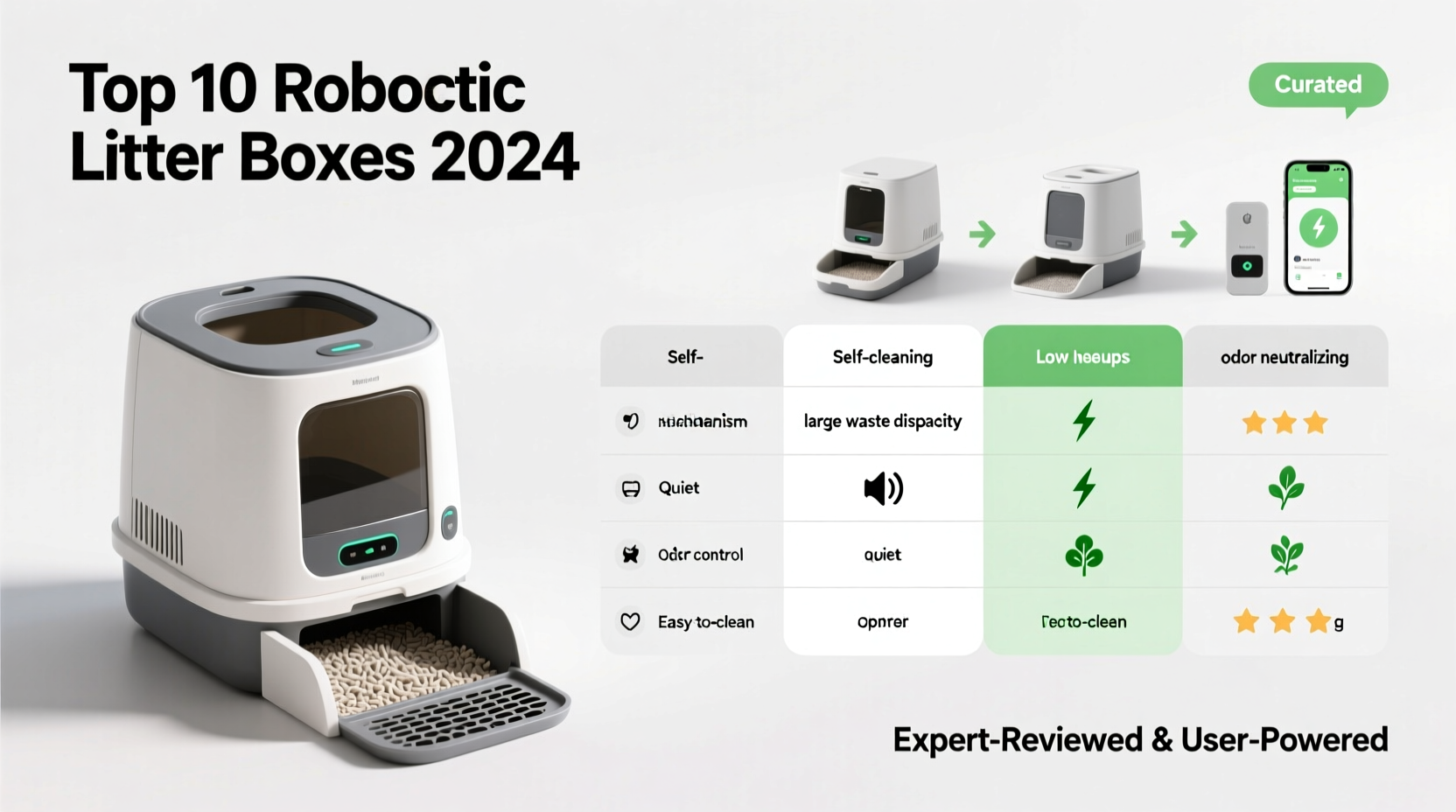
Traditional litter boxes require daily scooping, frequent litter changes, and constant odor management. Robotic models eliminate much of this work by automatically sifting waste, sealing it in disposable bags, and notifying you when maintenance is needed. These systems are especially beneficial for multi-cat households, busy professionals, or anyone sensitive to litter dust and smells.
Modern units use sensors to detect when a cat has finished using the box, then initiate a cleaning cycle within minutes. Many also connect to smartphone apps, allowing remote monitoring, usage tracking, and troubleshooting alerts. While the initial cost is higher than a standard litter box, the long-term convenience and improved hygiene often justify the investment.
Tip: Introduce your cat to a robotic litter box gradually—allow them to explore it while turned off before activating automatic functions.Key Features to Look For
Not all robotic litter boxes are created equal. When comparing models, consider the following factors to ensure compatibility with your cat’s habits and your home setup:
- Sensor Technology: Weight and motion sensors should accurately detect when a cat enters and exits to avoid premature cleaning cycles.
- Litter Compatibility: Most robotic boxes work best with clumping clay or crystal litter. Avoid lightweight or silica gel beads unless specified by the manufacturer.
- Waste Sealing Mechanism: Top-tier models seal waste in odor-locking bags or cartridges, minimizing smell exposure during disposal.
- Noise Level: Some units operate quietly; others produce noticeable motor sounds that may startle sensitive cats.
- App Integration: Smart features like usage logs, filter reminders, and error alerts add convenience but may require a subscription.
- Capacity: Larger boxes accommodate bigger cats and support multiple pets without overflow.
“Automation in pet care isn’t just about convenience—it’s about consistency. A robotic litter box ensures daily cleaning happens even when life gets busy.” — Dr. Lena Patel, DVM, Feline Behavior Consultant
Top 10 Robotic Cat Litter Boxes Reviewed
| Model | Best For | Auto-Clean Delay | Smart App | Price Range |
|---|---|---|---|---|
| Litter-Robot 4 | Reliability & ease of use | 7 minutes | Yes | $699 |
| PetKit PuraMax Self-Cleaning | Odor control & quiet operation | 5–30 min (adjustable) | Yes | $499 |
| Omega Paw Roll'n Clean | Budget-friendly mechanical option | Manual roll | No | $60 |
| Tidy Cats TidyCombo | All-in-one starter kit | 10 minutes | Yes | $399 |
| Sure Petcare Self-Cleaning Box | Cat door privacy & microchip recognition | 5 minutes | Yes | $599 |
| PlayBox AI Self-Cleaning | Large cats & multi-cat homes | 7 minutes | Yes | $449 |
| IRIS Top Entry Self-Cleaning | Compact spaces | 10 minutes | No | $299 |
| GoClean Self-Washing Litter Box | Rinse-wash functionality | 5 minutes | No | $379 |
| CATLINK Pro Scooper | Real-time monitoring & large capacity | 3–15 min (customizable) | Yes | $429 |
| Purrmax Automatic Litter Box | Affordable smart features | 8 minutes | Yes | $329 |
Detailed Breakdown of Top Performers
Litter-Robot 4: The gold standard in automated litter boxes, the Litter-Robot 4 uses a globe-shaped design to separate waste efficiently. It includes app connectivity, customizable wait times, and a large waste drawer that holds up to two weeks of clumps for one cat. Its Whisper Quiet technology reduces noise, and the included bonnet helps contain litter scatter.
PetKit PuraMax: Known for its near-silent operation and dual HEPA + carbon filtration system, this model excels at odor elimination. It features an ultra-wide entrance and a transparent front panel so cats feel secure. The app provides real-time alerts and tracks bathroom habits over time.
Sure Petcare Reveal: What sets this unit apart is its integrated cat flap with microchip recognition. Only your registered cat can enter, preventing other pets or children from interfering. Ideal for households with dogs or multiple cats with different health needs.
Tip: Place your robotic litter box on a hard, level surface to prevent vibration and ensure smooth rotation.Mini Case Study: Life with the Litter-Robot in a Multi-Cat Home
Sarah Thompson, a graphic designer and owner of three rescue cats—Milo, Luna, and Jasper—struggled with litter box maintenance for years. “I was scooping four times a day and still dealing with ammonia smells,” she said. After switching to the Litter-Robot 4, her routine changed dramatically. “Now I empty the waste drawer every 10 days. The cats adapted quickly, and I’ve noticed fewer accidents outside the box. The app tells me if someone hasn’t gone in over 24 hours, which helped me catch a urinary issue in Milo early.”
Sarah’s experience reflects a common benefit: consistent monitoring and reduced stress for both pets and owners. The initial learning curve lasted about three days, after which all three cats used the unit without hesitation.
Step-by-Step Guide to Setting Up Your Robotic Litter Box
- Unbox and assemble according to the manufacturer’s instructions. Ensure all parts are securely connected.
- Place on a flat, stable surface away from high-traffic areas and water sources.
- Add the recommended amount of clumping litter (usually 15–20 lbs), avoiding scented or lightweight varieties unless approved.
- Power on and calibrate the unit. Follow startup prompts to set delay time and sensitivity.
- Let your cat investigate with the unit turned off for 24 hours to build familiarity.
- Activate auto-clean mode and monitor the first few cycles. Reward your cat with treats for successful use.
- Download the app (if applicable) and sync the device for notifications and settings adjustments.
Common Challenges and How to Solve Them
Even the best robotic litter boxes can face issues. Here’s how to handle typical problems:
- Cat refusal: Some cats are wary of movement or noise. Try running the cycle manually at first or placing treats near the unit.
- Frequent false triggers: Adjust sensor sensitivity or ensure no nearby vibrations (e.g., washing machines) interfere.
- Overflow or missed waste: Use the correct litter type and quantity. Overfilling can block the rake mechanism.
- Odor buildup: Replace carbon filters monthly and clean the interior bin with mild soap every 4–6 weeks.
FAQ
Are robotic litter boxes safe for kittens and senior cats?
Most models are safe once the cat weighs at least 5 pounds. Kittens under 8 weeks may not trigger sensors reliably. For seniors, ensure the entry height is accessible and monitor mobility changes.
How often do I need to clean the machine?
Perform a full wipe-down every 4–6 weeks. Empty the waste drawer every 3–7 days depending on the number of cats. Replace filters and liners as recommended.
Can I use any type of cat litter?
No. Clumping clay litter is ideal. Avoid crystal, pine, corn-based, or lightweight litters, as they may clog mechanisms or fail to form solid clumps.
Final Checklist Before Buying
- ✅ Measure your space to ensure the unit fits comfortably.
- ✅ Confirm litter compatibility with your current brand.
- ✅ Check noise levels if your cat is sound-sensitive.
- ✅ Review warranty and customer support options.
- ✅ Consider ongoing costs (replacement bags, filters, apps).
Conclusion
Robotic cat litter boxes have transformed pet ownership by removing one of the most disliked chores from the daily routine. From the feature-rich Litter-Robot 4 to budget-smart mechanical options like the Omega Paw, there’s a solution for every home and budget. The right choice depends on your cat’s size, temperament, and your expectations for automation and cleanliness.
Investing in a high-quality self-cleaning litter box isn’t just about convenience—it’s about enhancing your cat’s comfort, improving indoor air quality, and gaining back valuable time. Whether you’re a new adopter or a seasoned multi-cat owner, upgrading to a robotic system could be one of the most impactful decisions you make for your household’s harmony.
💬 Have you tried a robotic litter box? Share your experience, tips, or questions below—we’d love to hear what works for you and your feline family!








